

Challenges Accounting Firms face online
Prospects cannot tell bookkeeping apart from tax preparation or fractional CFO work on the homepage.Seasonal inquiry floods overwhelm intake forms…
Read more →Accounting firm websites
Accounting firms win work when prospects can quickly see who you help, what you deliver, and how engagement starts. A polished brochure that hides service lines behind vague financial solutions…

Accounting firms win work when prospects can quickly see who you help, what you deliver, and how engagement starts. A polished brochure that hides service lines behind vague financial solutions language forces busy owners to call competitors who spell out bookkeeping, tax, payroll, and advisory clearly. 66sites builds subscription websites structured around that decision path—design, development, maintenance, and SEO in one monthly plan. Prospects also compare communication style—portal-heavy versus high-touch advisory—and whether capacity messaging feels honest during peak weeks.
Seasonality shapes accounting demand. Tax deadlines, year-end close, and quarterly estimated payments create predictable spikes in search and contact volume. Your site should make capacity, timelines, and onboarding expectations easy to understand before someone fills a form—so your team spends less time qualifying mismatched leads during peak weeks. We treat the website as part of firm operations: intake routing, education, and seasonal banners your team can revise without a redesign.
Trust in this category is built through process transparency, credentials, and clarity—not fabricated rankings or invented client logos. We design information architecture, conversion paths, and content systems that reflect how real firms operate, then maintain and improve them monthly as services and markets evolve. Referral partners should find shareable service URLs quickly, because warm introductions still convert differently than cold search traffic.
Practical website, conversion and SEO work tailored to how your buyers actually decide.
Prospects cannot tell bookkeeping apart from tax preparation or fractional CFO work on the homepage.Seasonal inquiry floods overwhelm intake forms…
Read more →
Buyer journeys for accounting typically move from problem awareness—cash-flow stress, missed filings, growth complexity—to comparing service models…
Read more →
Services overview. Lets prospects self-select into tax, bookkeeping, payroll, or advisory before contacting the firm. This page earns its place…
Read more →A look at website designs and layouts we build for service businesses — mockups and project types, not fabricated client claims.

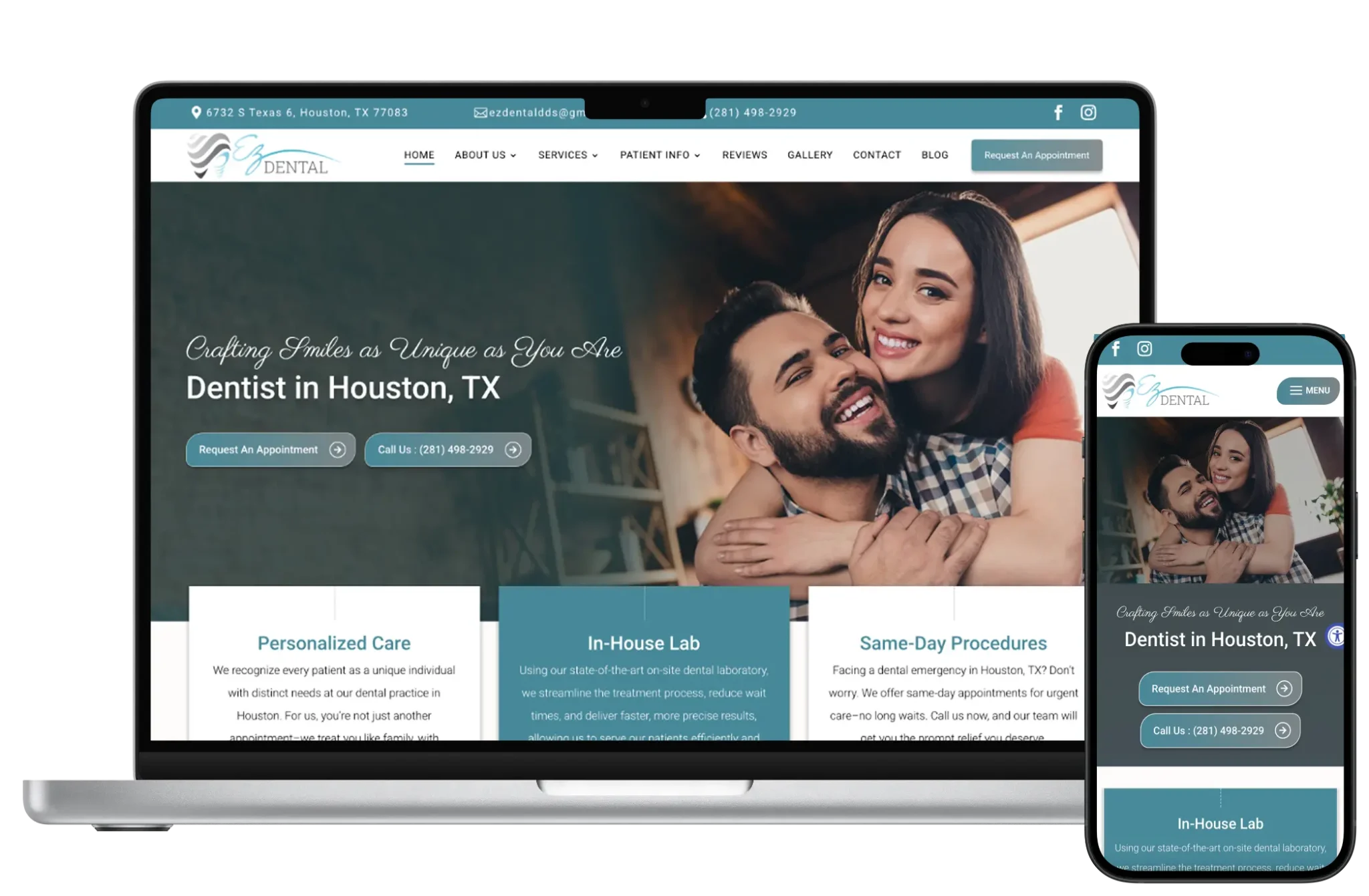
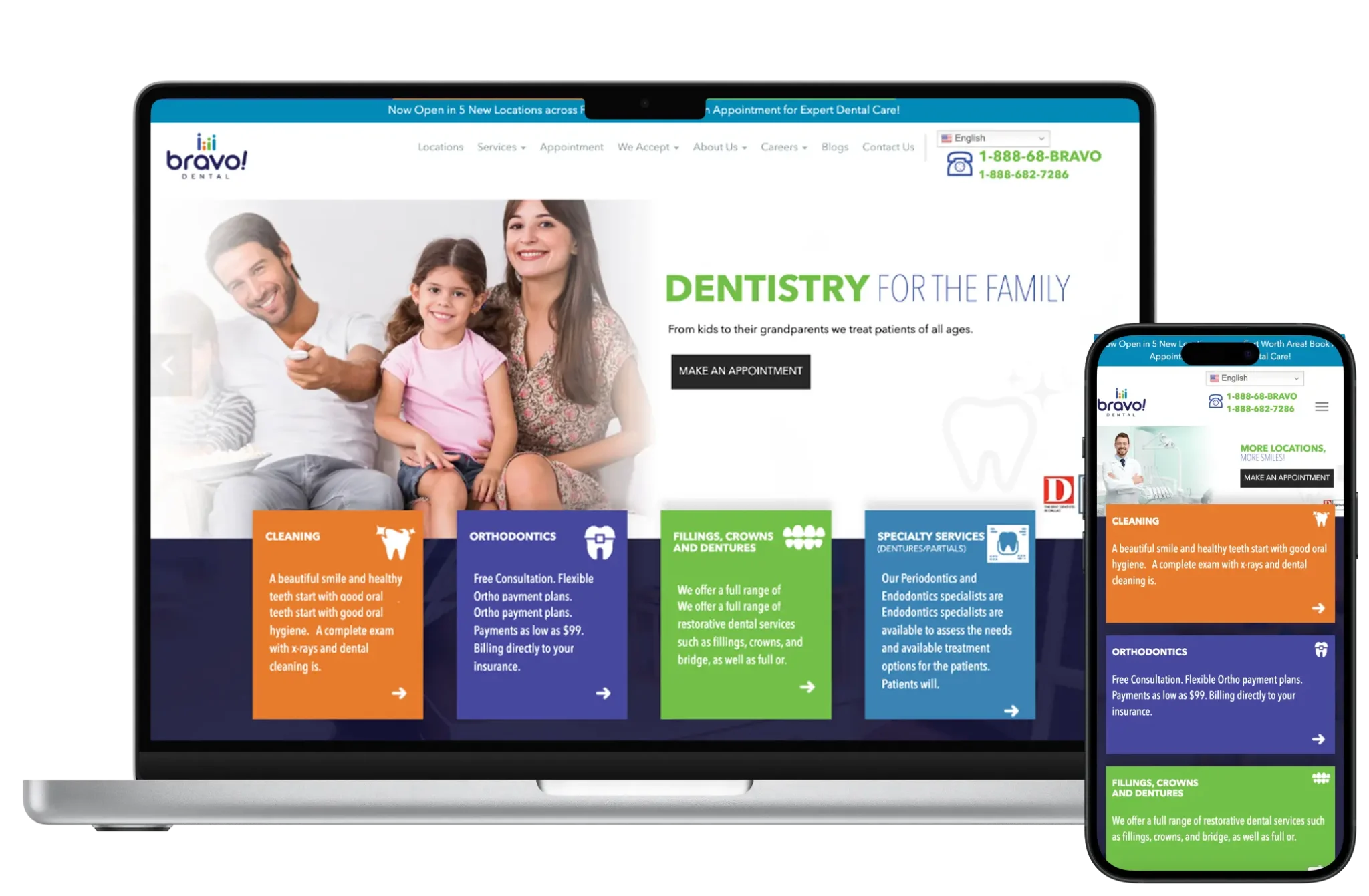


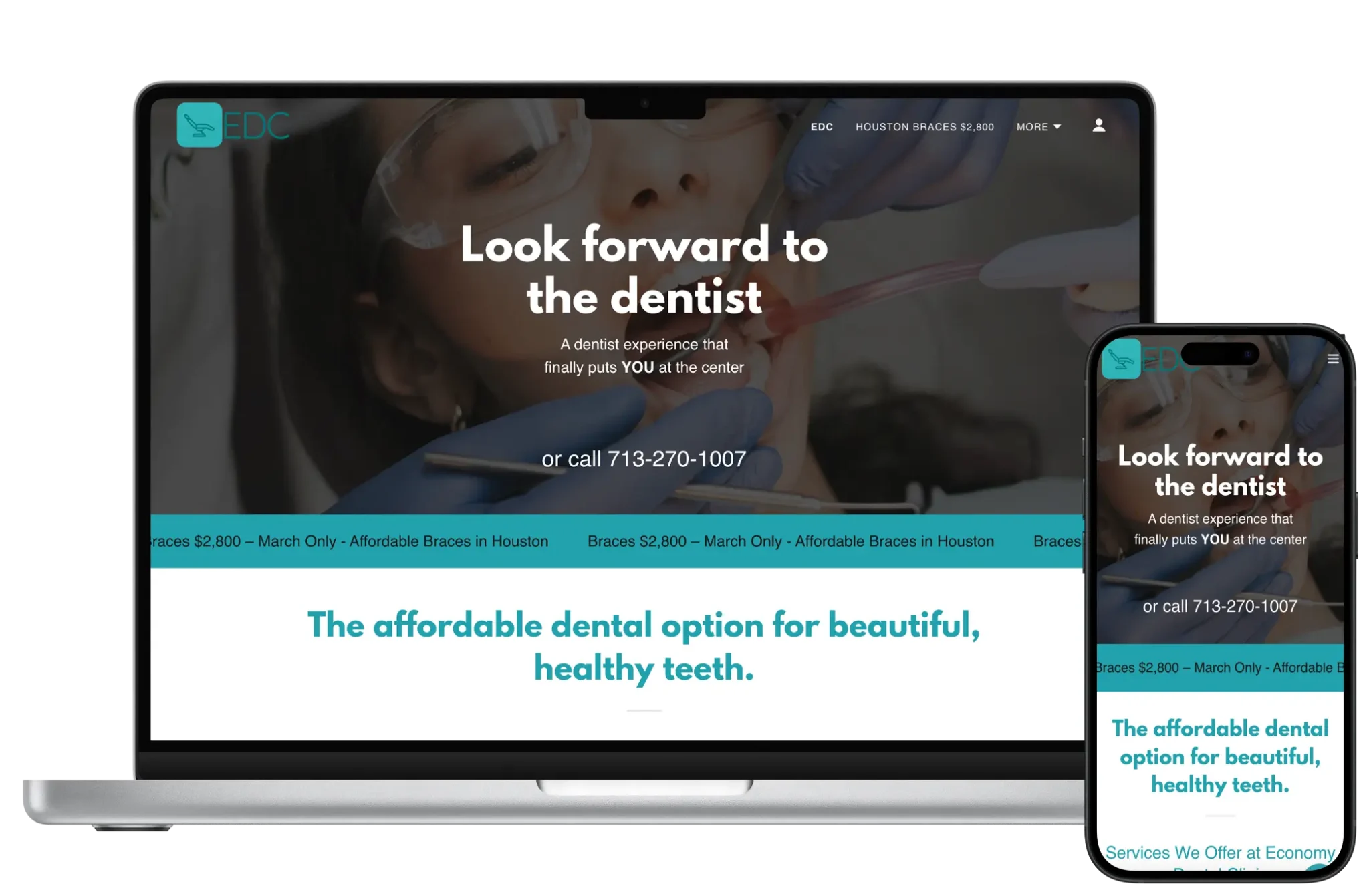
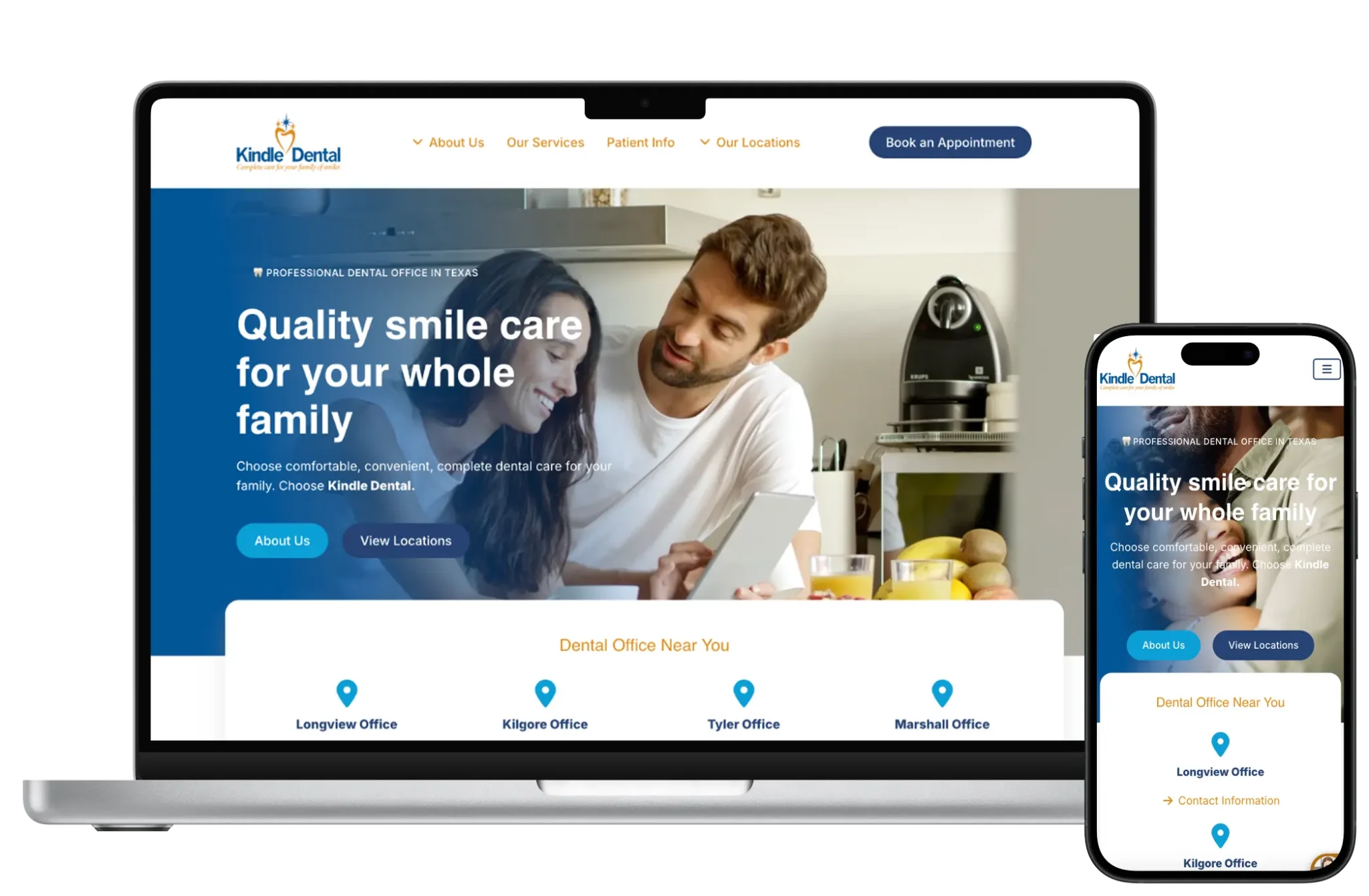
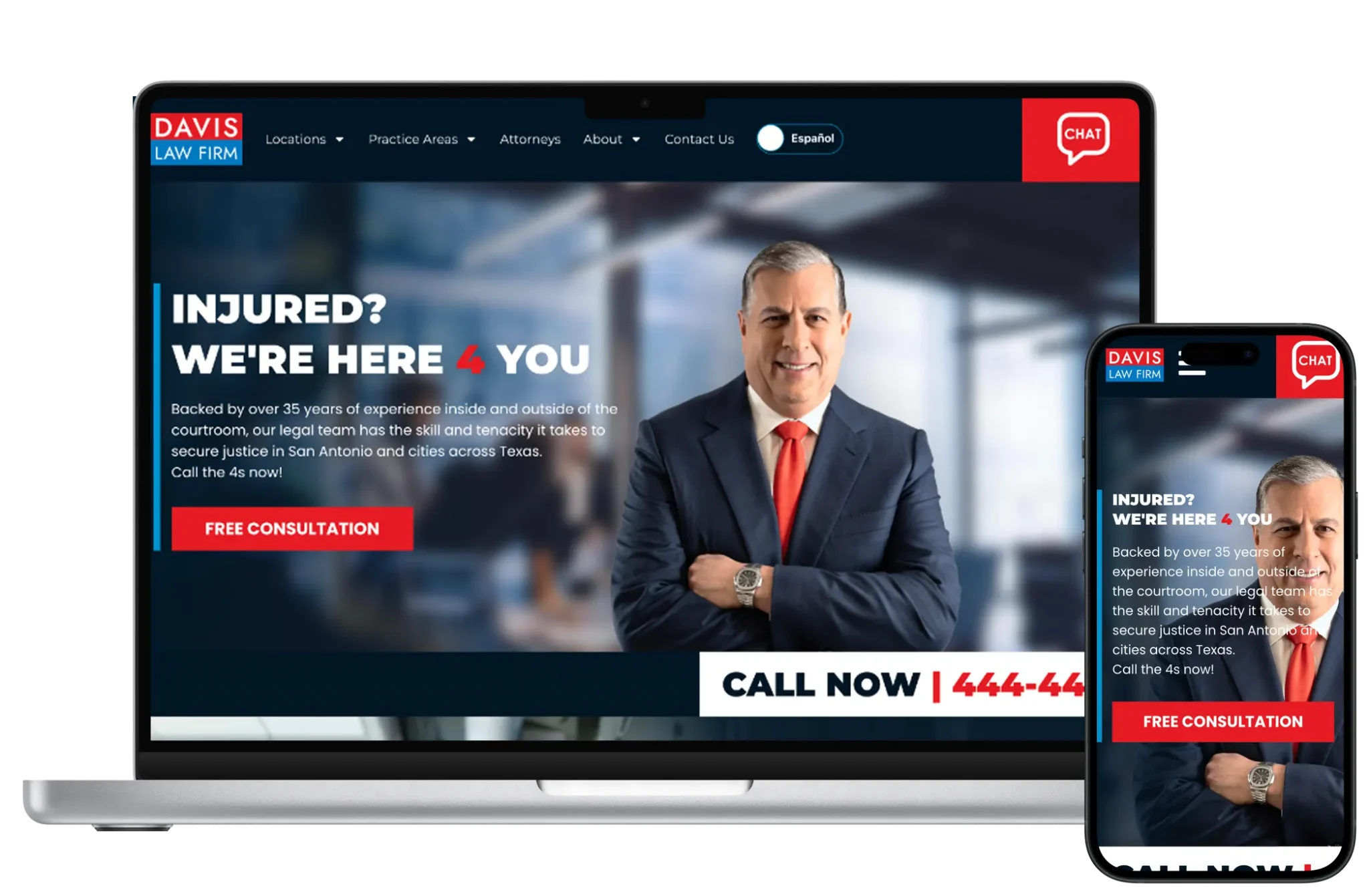
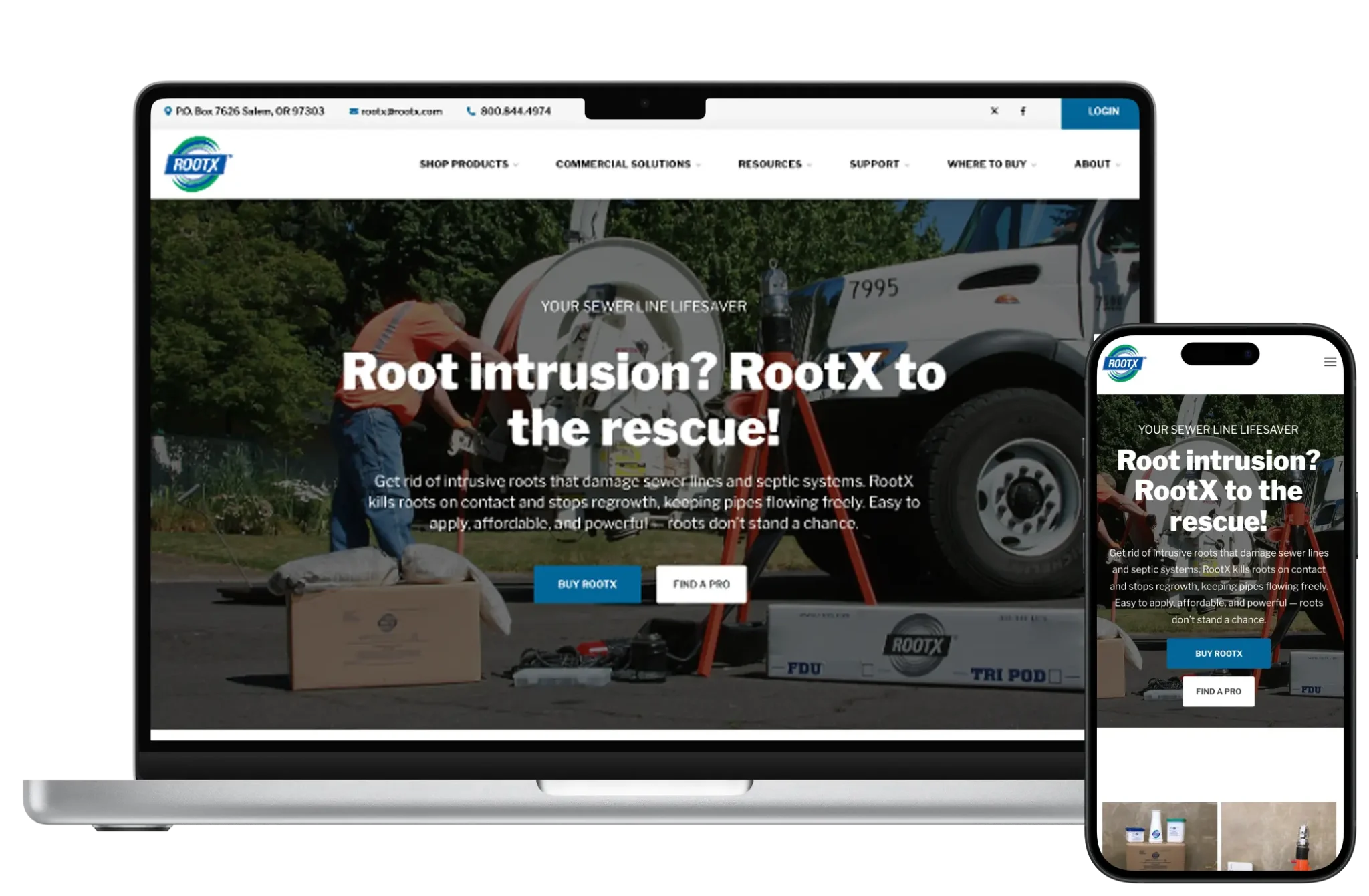
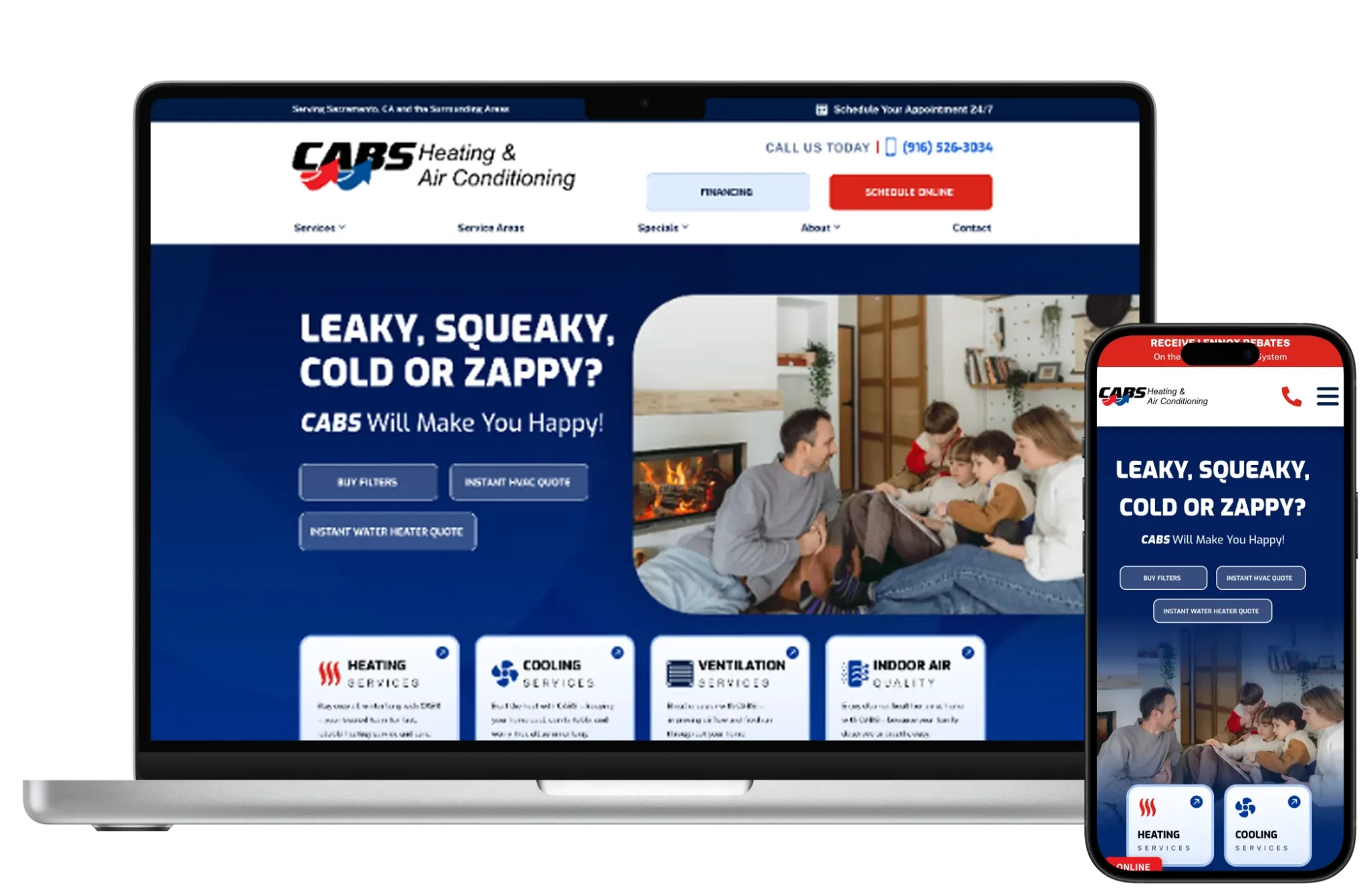

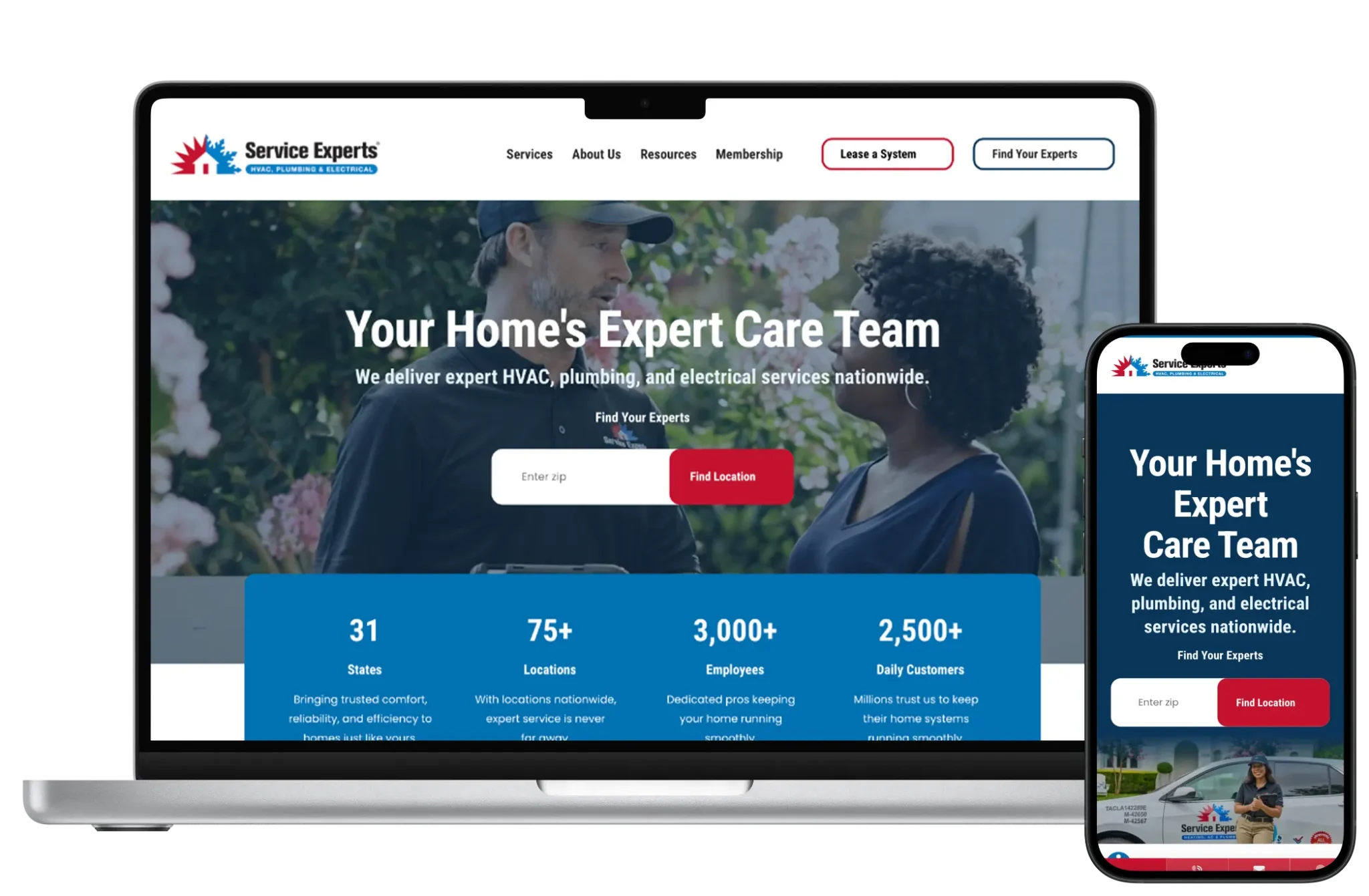
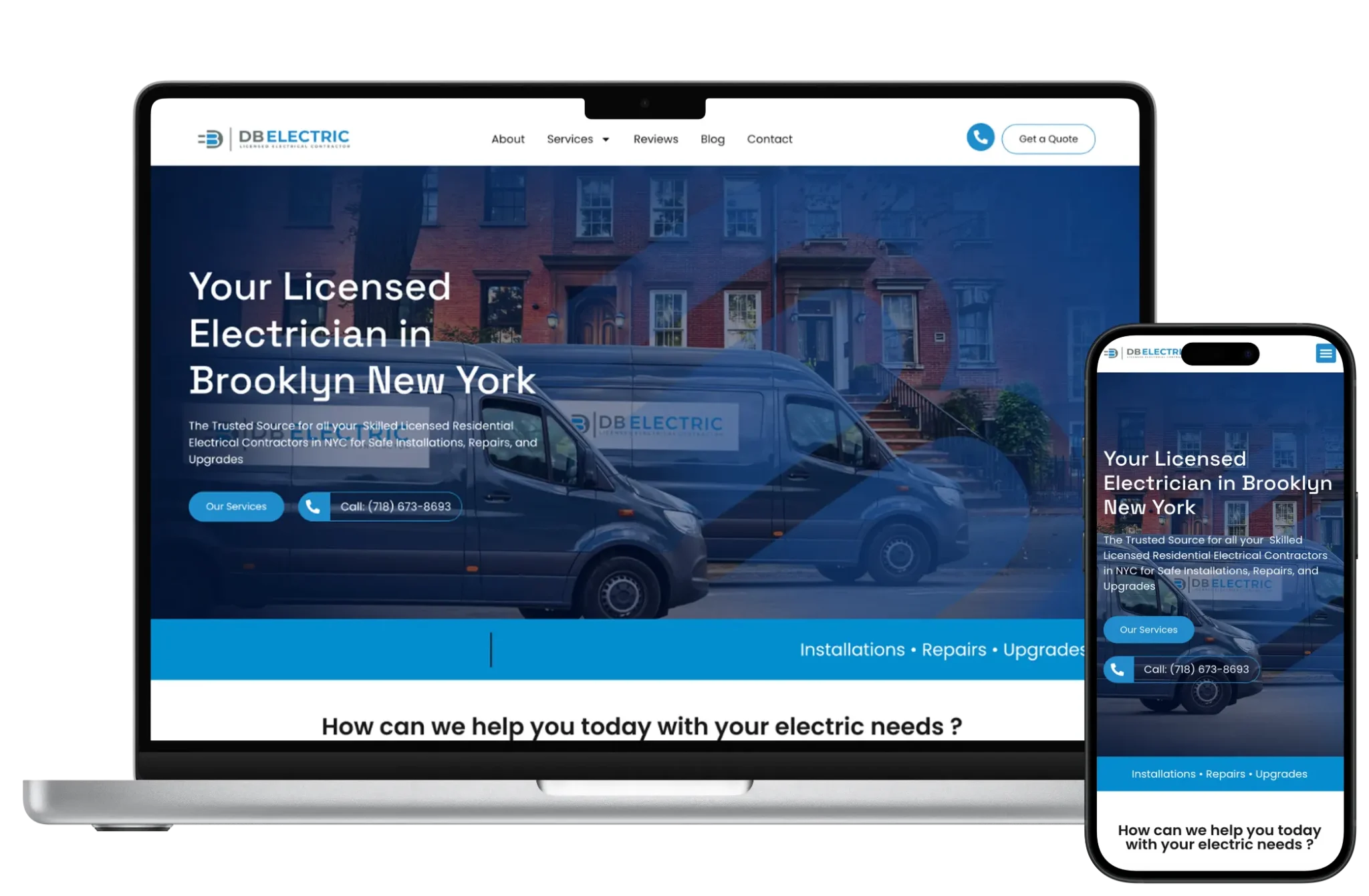
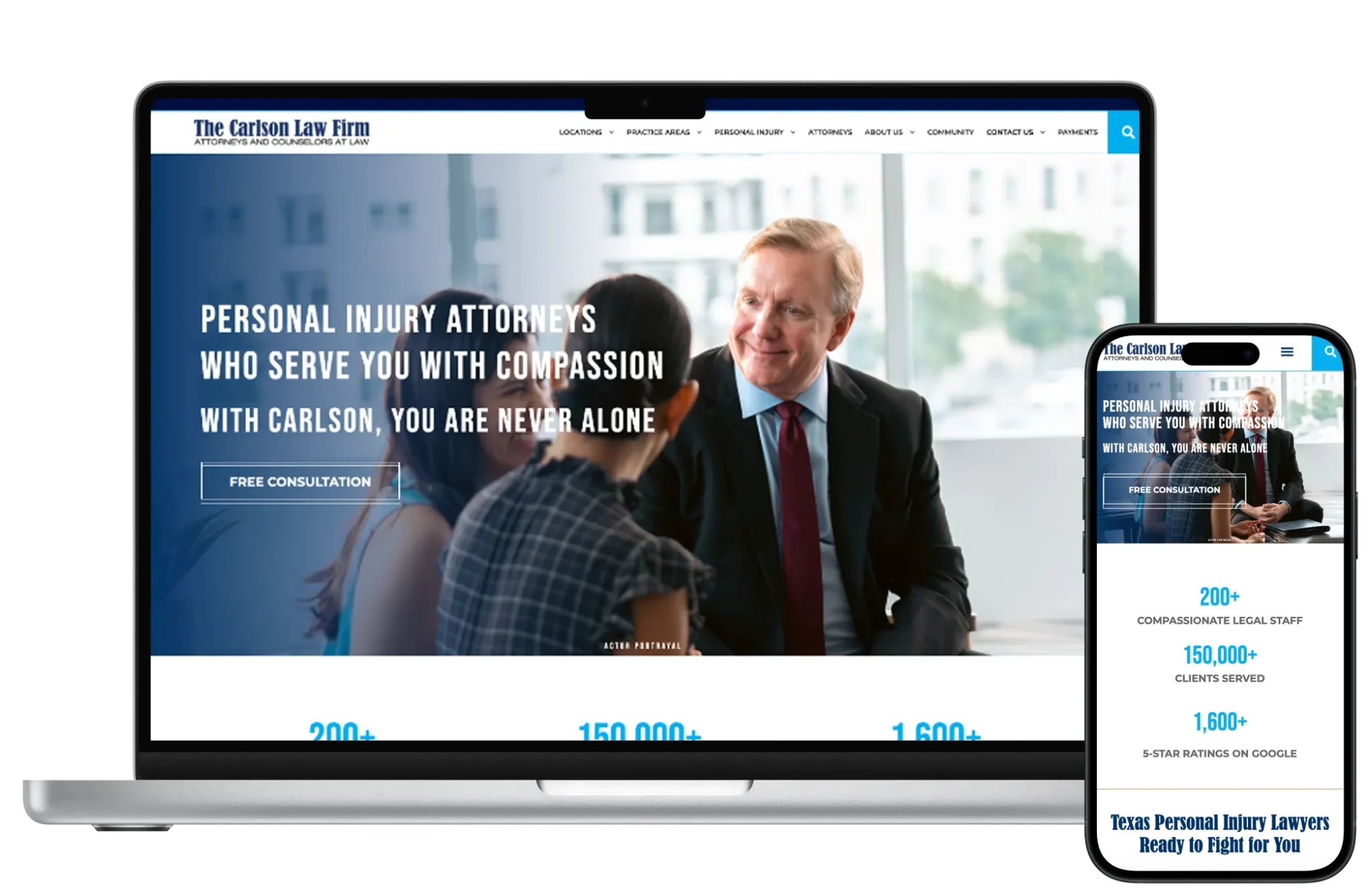
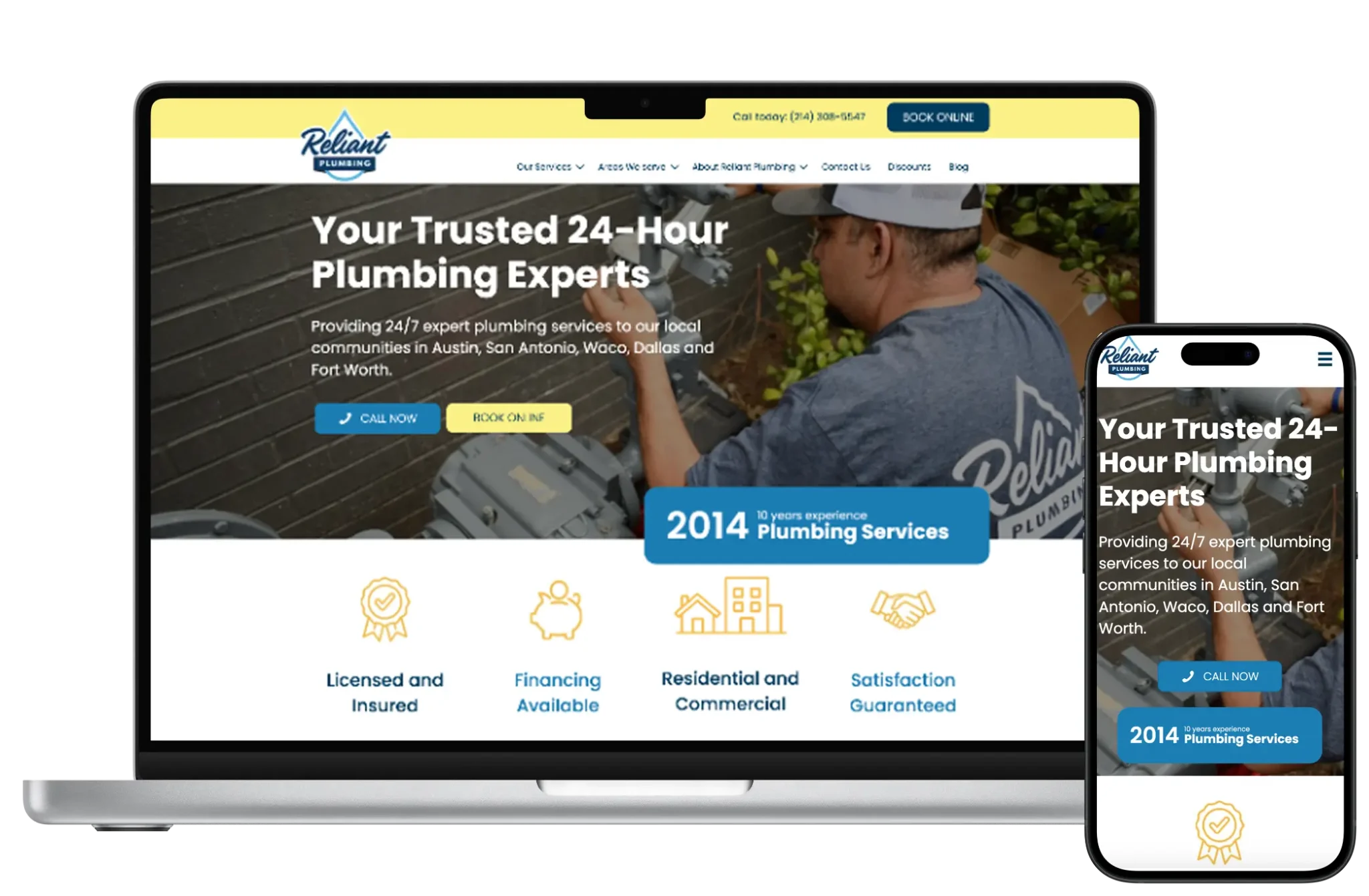


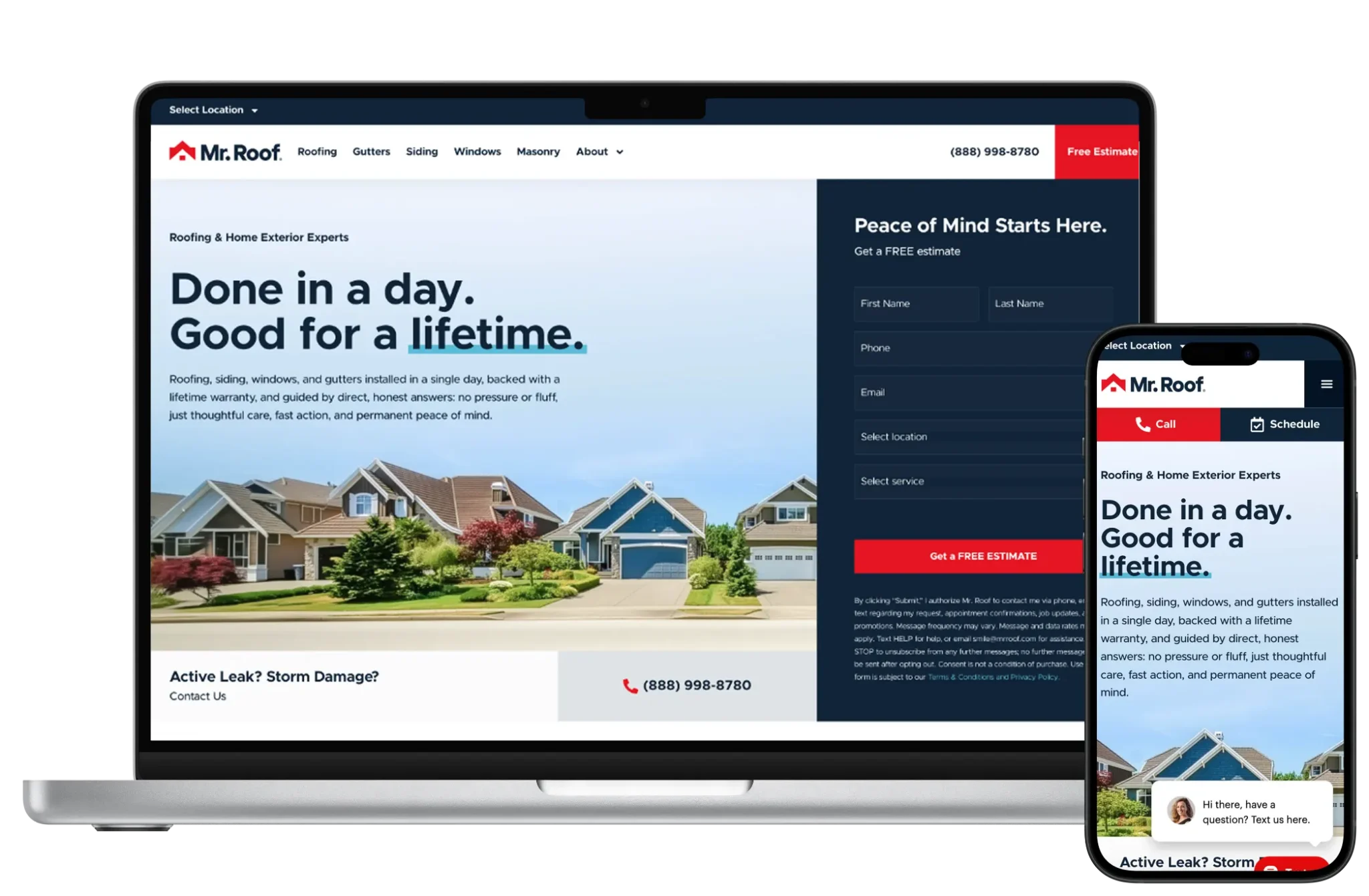



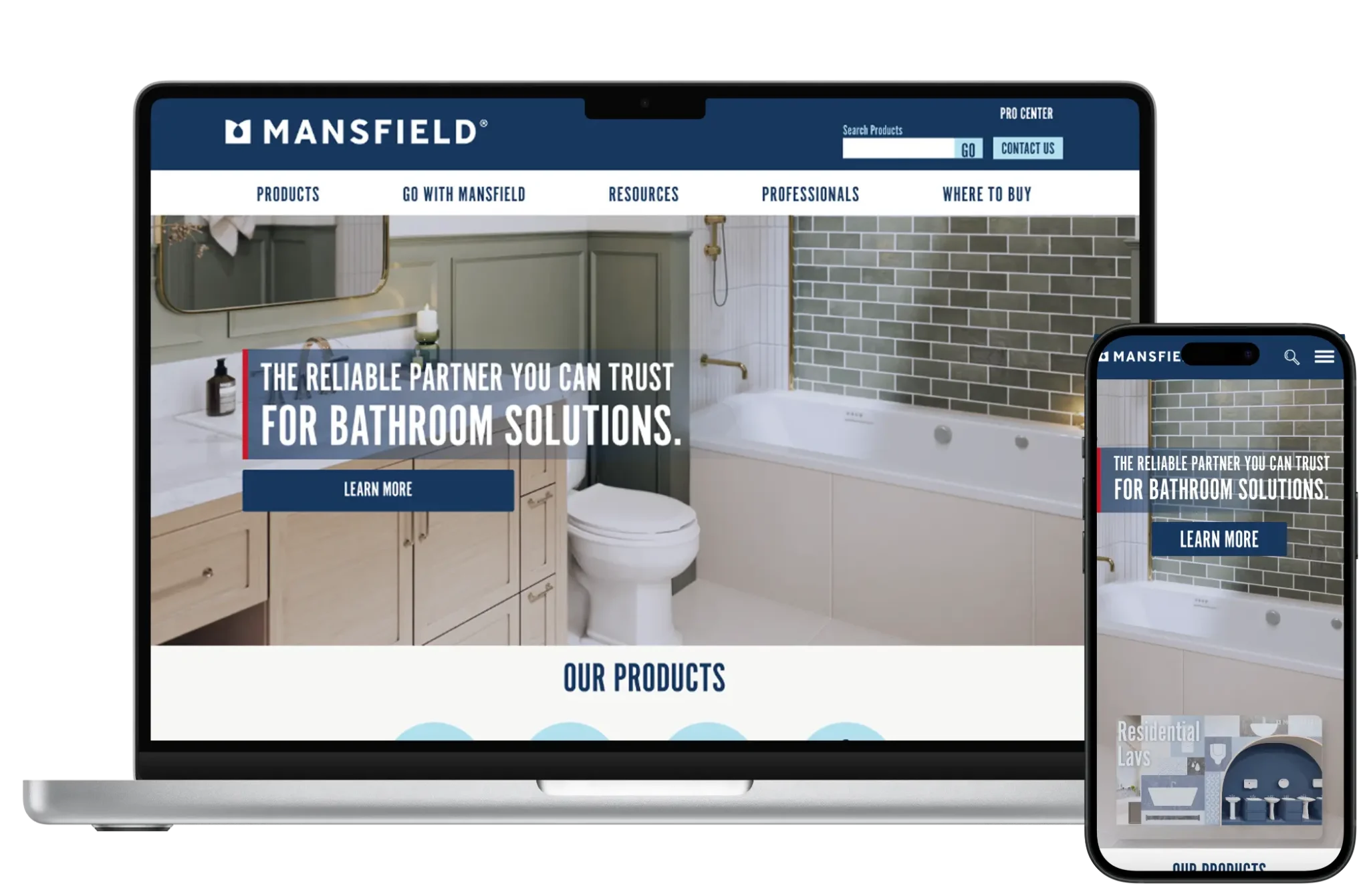
Clear templates for tax, bookkeeping, payroll, and advisory so each offer has room for scope, process, and FAQs. Built to stay editable under monthly subscription care as offers and staffing change.
Homepage and service modules that can emphasize tax-season intake or year-round advisory without redesigning the whole site. Built to stay editable under monthly subscription care as offers and staffing change.
Structured discovery forms with privacy language, file guidance, and routing fields your team can act on. Built to stay editable under monthly subscription care as offers and staffing change.
Designed sections for licenses, affiliations, and methodology—presented as facts, not hype. Built to stay editable under monthly subscription care as offers and staffing change.
Article and checklist templates built for ongoing SEO content after launch. Built to stay editable under monthly subscription care as offers and staffing change.
Monthly care for updates, performance, security baselines, and iterative search improvements. Built to stay editable under monthly subscription care as offers and staffing change.
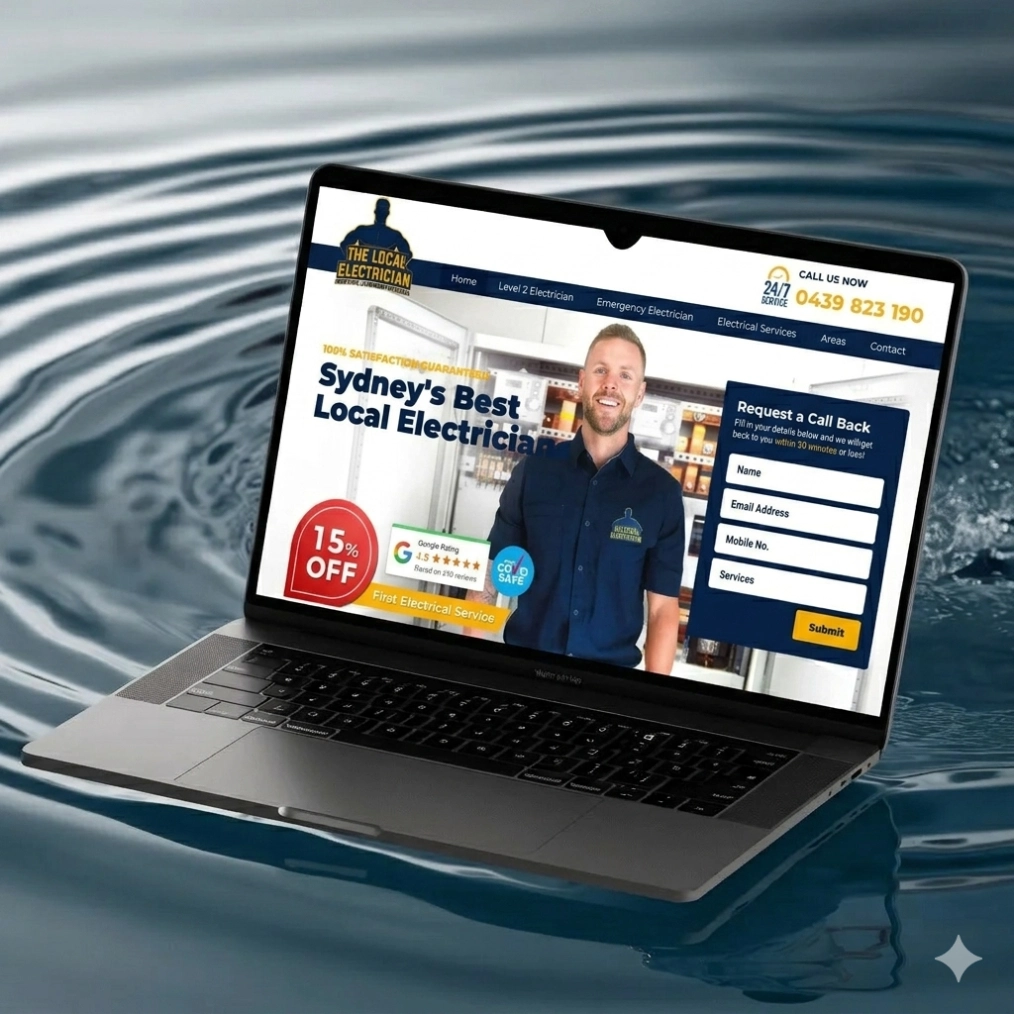
Conversion for accounting firms is usually a discovery call or structured inquiry—not an instant checkout. We design primary CTAs around booking or requesting a consultation, with secondary paths for downloading a checklist or viewing service details. Forms ask for entity type, urgency, and software stack so your team can prepare. A short “how to introduce us” blurb for CPAs’ referral partners reduces awkward handoffs and incomplete context on first calls.
On mobile, sticky contact options and short service summaries help owners researching between meetings. We avoid dark patterns and overpromising language; clarity about next steps and what happens after submit tends to produce better-qualified conversations. Thank-you pages can set document-prep expectations immediately after booking so kickoff starts sooner.

On-page SEO focuses on service entities people actually search—bookkeeping for small business, corporate tax preparation, sales tax support, payroll setup—paired with plain-language explanations of deliverables. Titles, headings, and internal links reinforce those topics without stuffing. Internal links between tax, bookkeeping, and advisory pages clarify topical relationships for users and crawlers alike.
Technical foundations include fast templates, clean URL structures, XML sitemaps, and indexable service pages. We keep Core Web Vitals and mobile usability in view because professional services buyers often compare several firms in one sitting. Unique metadata per service reduces seasonal cannibalization between tax-deadline pages and year-round bookkeeping pages.
Content SEO works best as a steady pipeline: deadline reminders, process explainers, and niche industry notes that demonstrate expertise. 66sites includes ongoing SEO in the subscription so pages can expand as you add services. We refresh cornerstone articles inside the subscription rather than publishing disposable tax-news blurbs that age poorly.
We connect SEO work to technical SEO, on-page SEO, and — when local demand matters — local SEO. We do not promise specific rankings.

Most accounting firms compete in local and regional packs. We align on-site location signals, service-area honesty, and Google Business Profile categories with what you truly offer—avoiding city doorway pages for towns you do not serve. Multi-office firms need per-location accuracy; a single mismatched phone number can sink otherwise solid local relevance.
Reviews, NAP consistency, and localized service pages when justified support discovery for accountant-near-me and city-plus-service queries. Local SEO work stays tied to real offices and real coverage.
We only recommend location pages when you genuinely serve the area and can add unique value — not doorway-page city spam. See Google Business Profile optimization.

Yearly plans that include design, development, maintenance and SEO foundations — without a large upfront project fee.
For small businesses that need a professional site without a large upfront build.
Best for local and service businesses ready to generate more leads every month.
For growing brands that need ongoing development, SEO and conversion work.
Large sites, complex integrations, multi-location brands and custom applications.
Most lead-focused Accounting Firms engagements fit Growth ($299/year) when local/organic acquisition matters. Simpler brochure sites may fit Starter ($199/year). Multi-location, custom integrations, or heavier development fit Pro ($399/year) or Enterprise.
Setup fees may apply for redesigns, migrations, or large content builds — always disclosed before kickoff. See transparent subscription pricing and how website subscriptions work.
Full notes for challenges, strategy and supporting pages — so the sections above stay scannable.
Buyer journeys for accounting typically move from problem awareness—cash-flow stress, missed filings, growth complexity—to comparing service models, then evaluating fit and starting a discovery call. Your website should mirror that path: problem-led service pages, comparison-friendly engagement models where appropriate, team credibility, and a low-friction intake step. We map navigation and CTAs so first-time visitors reach the right service without hunting through a PDF menu. Measurement stays practical—qualified discovery bookings and inquiry fit—not vanity sessions that ignore ideal-client match.
For existing clients and referral sources, the site also acts as a lightweight hub—resource articles, onboarding checklists, and clear contact routing. Strategy work focuses on which pages deserve depth versus which should stay short and conversion-oriented, then we iterate monthly based on how people actually move through the site. As advisory grows, the same templates expand so you are not forced into a brand-new information architecture every year.
Accounting firms that keep service definitions, seasonal capacity notes, and onboarding checklists current usually see cleaner discovery calls and fewer mismatched engagements. The subscription model exists to make that currency normal—not heroic.
Typical tools and workflows we plan around for Accounting Firms:
Platform choice often lands on WordPress for service businesses, or Shopify / WooCommerce when commerce is central.
We design for clarity and credibility—service definitions, process, and credentials—not aggressive countdown timers or invented awards. The goal is informed inquiries, not gimmicks. We document decisions during discovery so the site reflects how your team actually works day to day.
Yes. Pages outline typical engagement models and who they fit, while forms and discovery CTAs handle customization. Prospects need a starting frame, not a full proposal online. We document decisions during discovery so the site reflects how your team actually works day to day.
Intake fields, capacity notes, and staggered booking options help route urgency. Better qualification often reduces low-fit contacts even when volume rises. We document decisions during discovery so the site reflects how your team actually works day to day.
Not if you do not serve those markets with unique offerings. We prefer honest service-area pages and strong local profile hygiene over thin doorway content. We document decisions during discovery so the site reflects how your team actually works day to day.
Straight answers about scope, pricing, ownership and what a subscription includes for this page.
Lead with who you help and the primary service lines someone can choose in under ten seconds—tax, bookkeeping, payroll, advisory—then support with process and trust details. Avoid burying services behind a long brand story.
Use clear capacity messaging, prioritized CTAs for urgent filings, and forms that capture deadline dates. Update banners and FAQs as dates approach so visitors self-select before they contact you.
Many firms share ranges, starting points, or what-affects-fees guides without full fixed menus. Transparency about scope drivers often improves inquiry quality even when exact quotes remain custom.
Both matter. Firm pages explain offerings; bios help clients choose a relationship and support trust. Pair credentials with practical focus areas rather than resume dumps.
Yes—with separate pathways and language. Mixing audiences on one undifferentiated page creates confusion; dedicated sections let each group find relevant process and document lists.
Scheduling for discovery calls, a reliable contact form with routing, and clear links to how clients share documents securely. Deep accounting-software integrations are optional at launch.
Design and development launch the industry-aware site; the monthly plan continues maintenance, security and performance care, and SEO iteration as services, team pages, and seasonal content change.
Educational posts can help when they are accurate, dated, and scoped to your audience. Prefer practical explainers over speculative advice, and keep a review process for anything that could be mistaken for personalized counsel.
Use an industries index with a handful of genuine niches and unique notes for each. Depth in a few verticals beats a laundry list of every possible business type.
Prefer dated explainers, cite official sources where appropriate, and schedule reviews in the monthly plan. Evergreen process pages usually age better than speculative takes on new legislation.
Get a subscription plan that covers design, development, maintenance, and SEO—built around how clients hire advisors.