

Who Shopify is for
Shopify fits DTC product brands, retailers prioritizing checkout reliability, teams that want apps for email/SMS/reviews without hosting anxiety, and…
Read more →Shopify platform
Shopify is a hosted commerce platform built around selling products reliably: catalogs, payments, shipping rules, and an app ecosystem that keeps operations moving without you patching a PHP stack…

Shopify is a hosted commerce platform built around selling products reliably: catalogs, payments, shipping rules, and an app ecosystem that keeps operations moving without you patching a PHP stack every Tuesday. 66sites designs and develops Shopify storefronts — then maintains them monthly — for brands that want checkout confidence more than owning every server knob.
Where WordPress/WooCommerce emphasize CMS ownership, Shopify emphasizes operational simplicity. Theme customization still matters, but you work inside Liquid, Online Store 2.0 sections, and platform constraints. That is a feature when your team wants merchandising speed; it is a constraint when you need arbitrary application logic on the storefront.
We treat Shopify as a commerce OS, not a magic ranking machine. Design, theme engineering, app hygiene, and SEO architecture decide whether the store feels premium and measurable — the platform just gives you a strong checkout and admin baseline.
Practical website, conversion and SEO work tailored to how your buyers actually decide.
Shopify fits DTC product brands, retailers prioritizing checkout reliability, teams that want apps for email/SMS/reviews without hosting anxiety, and…
Read more →
Hosted infrastructure and checkout reliability without self-managing servers for every update.Mature payments, shipping, and tax tooling for many…
Read more →
Theme and Liquid customization has real ceilings; not every design idea is cheap to implement.App sprawl creates script weight, cost creep, and…
Read more →A look at website designs and layouts we build for service businesses — mockups and project types, not fabricated client claims.
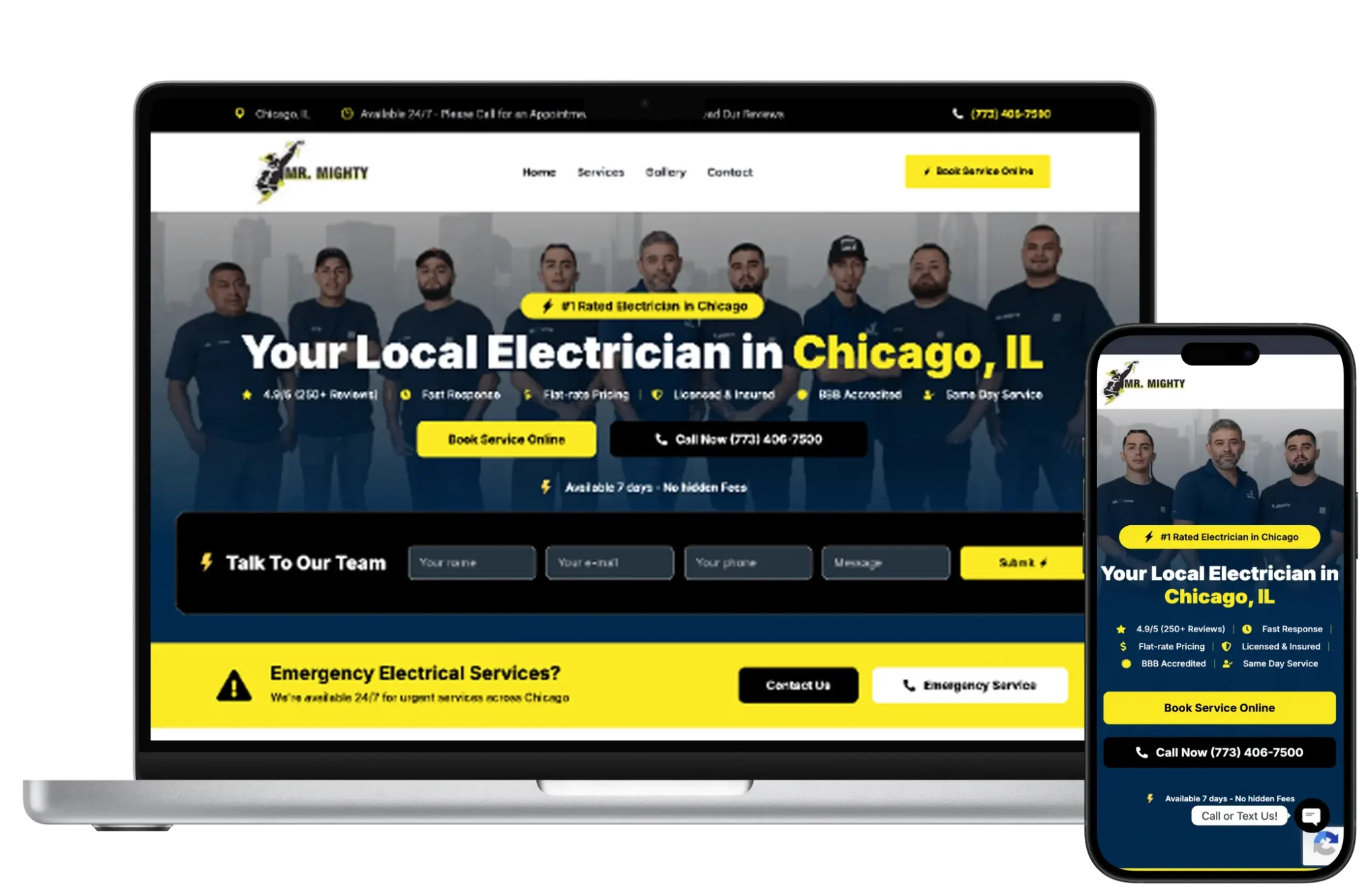
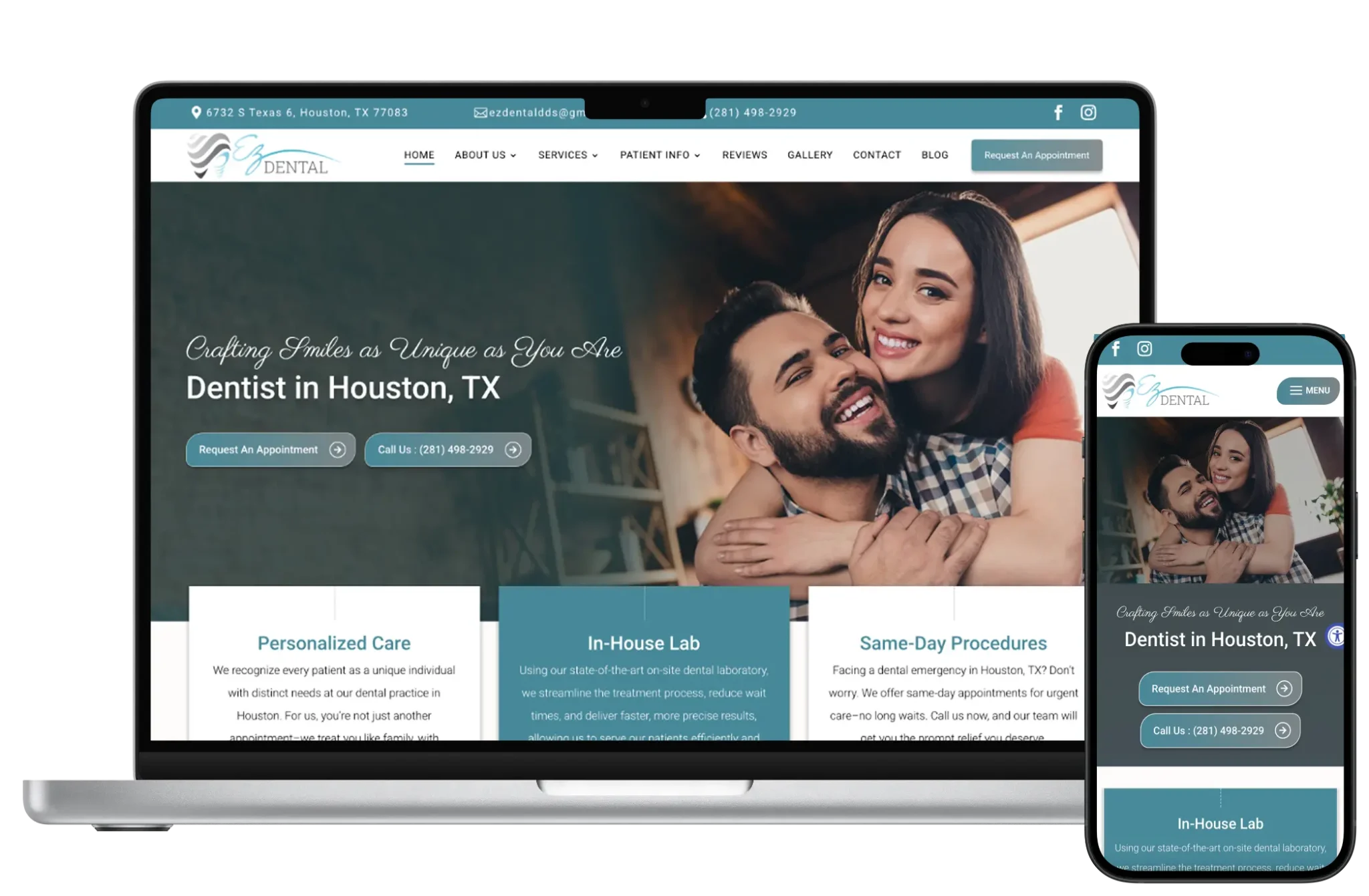

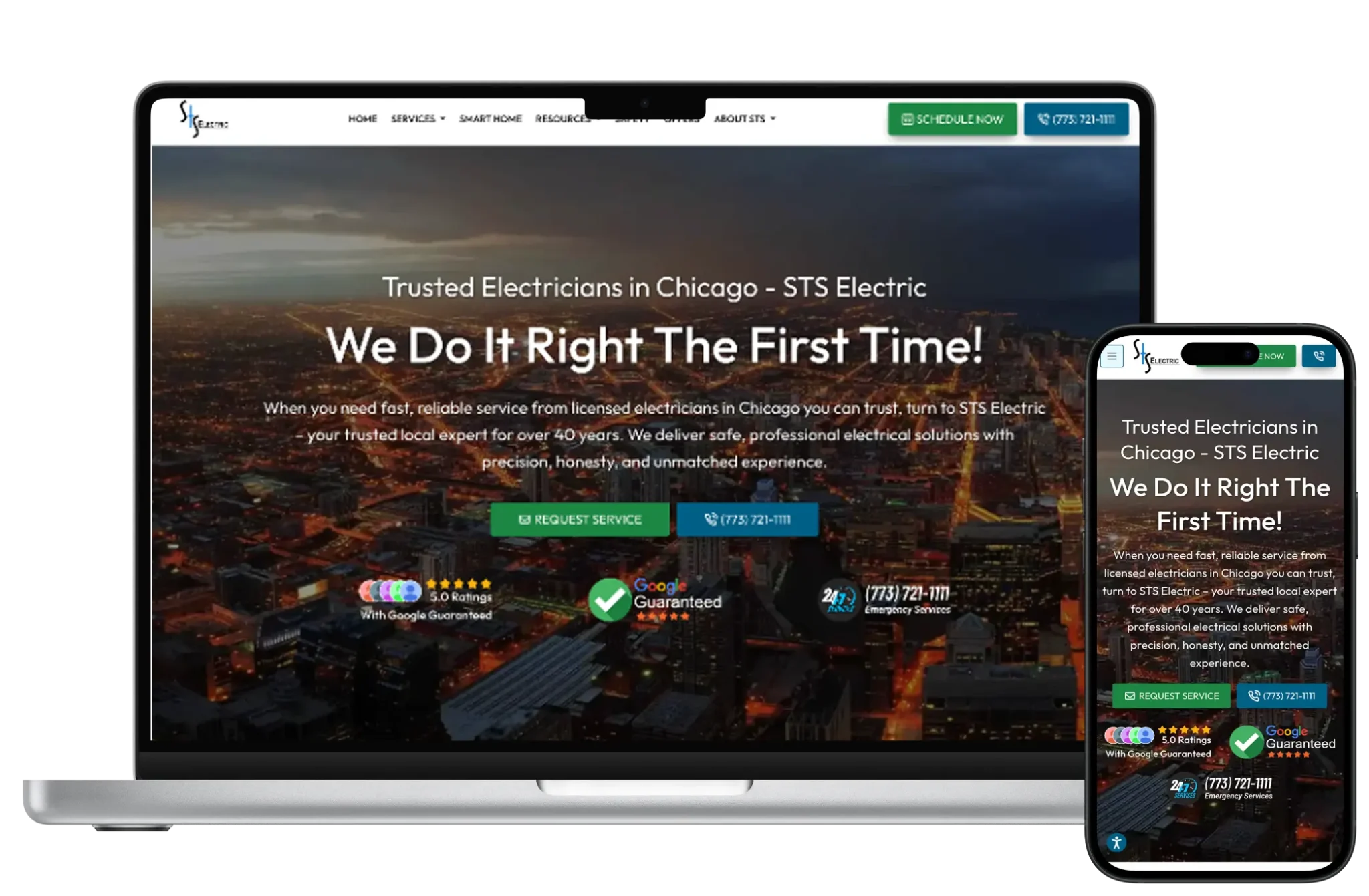
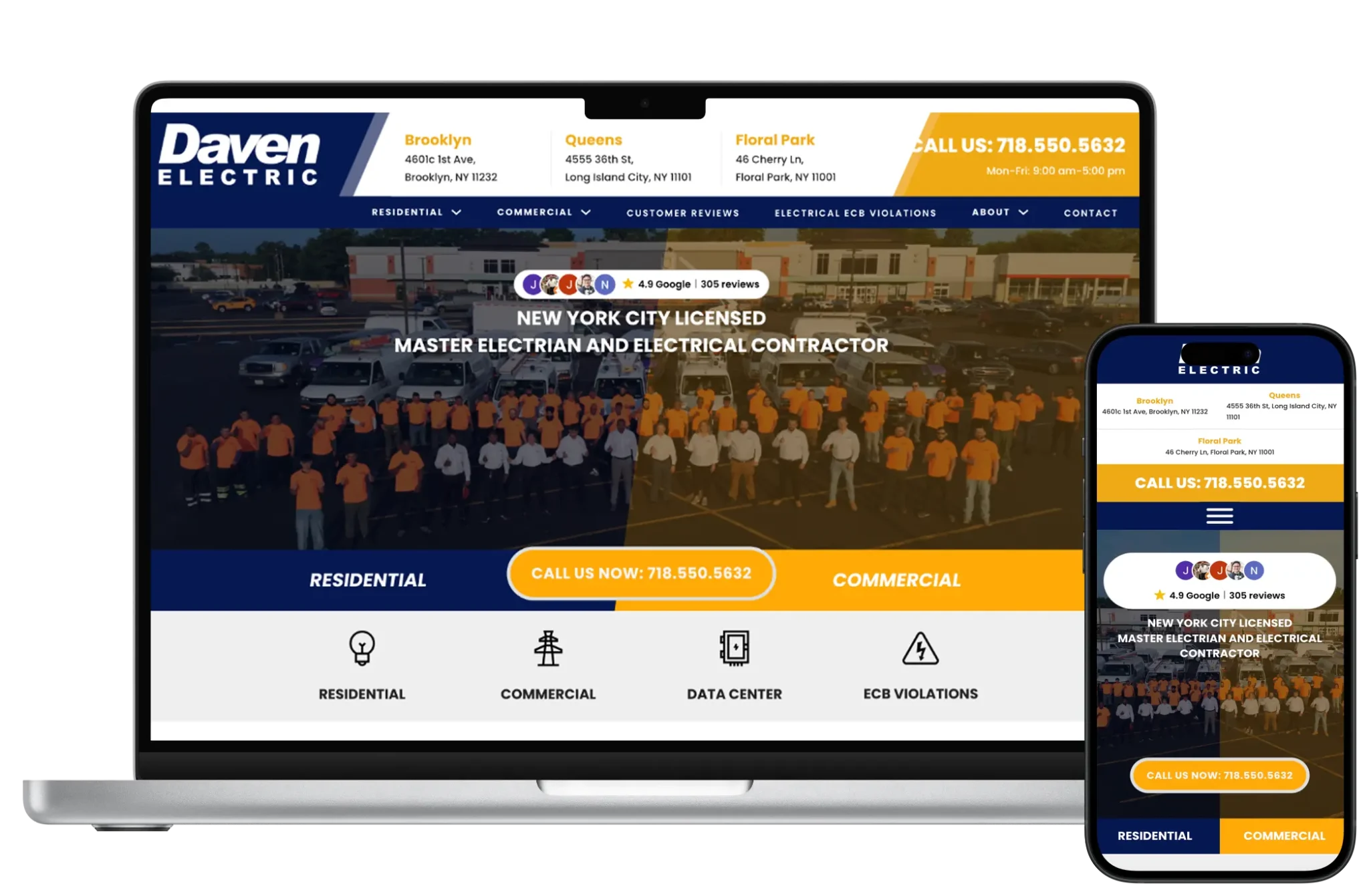

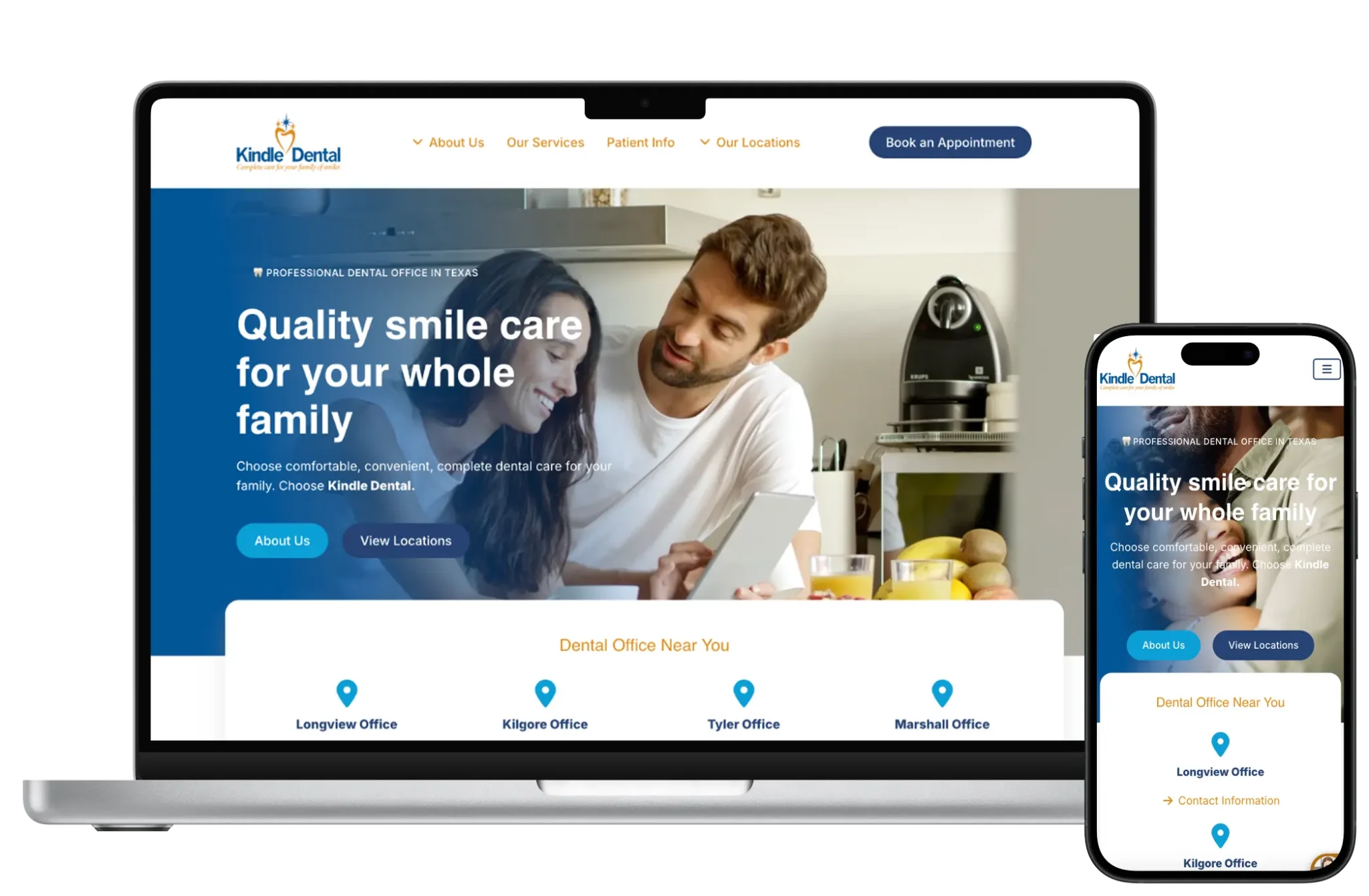

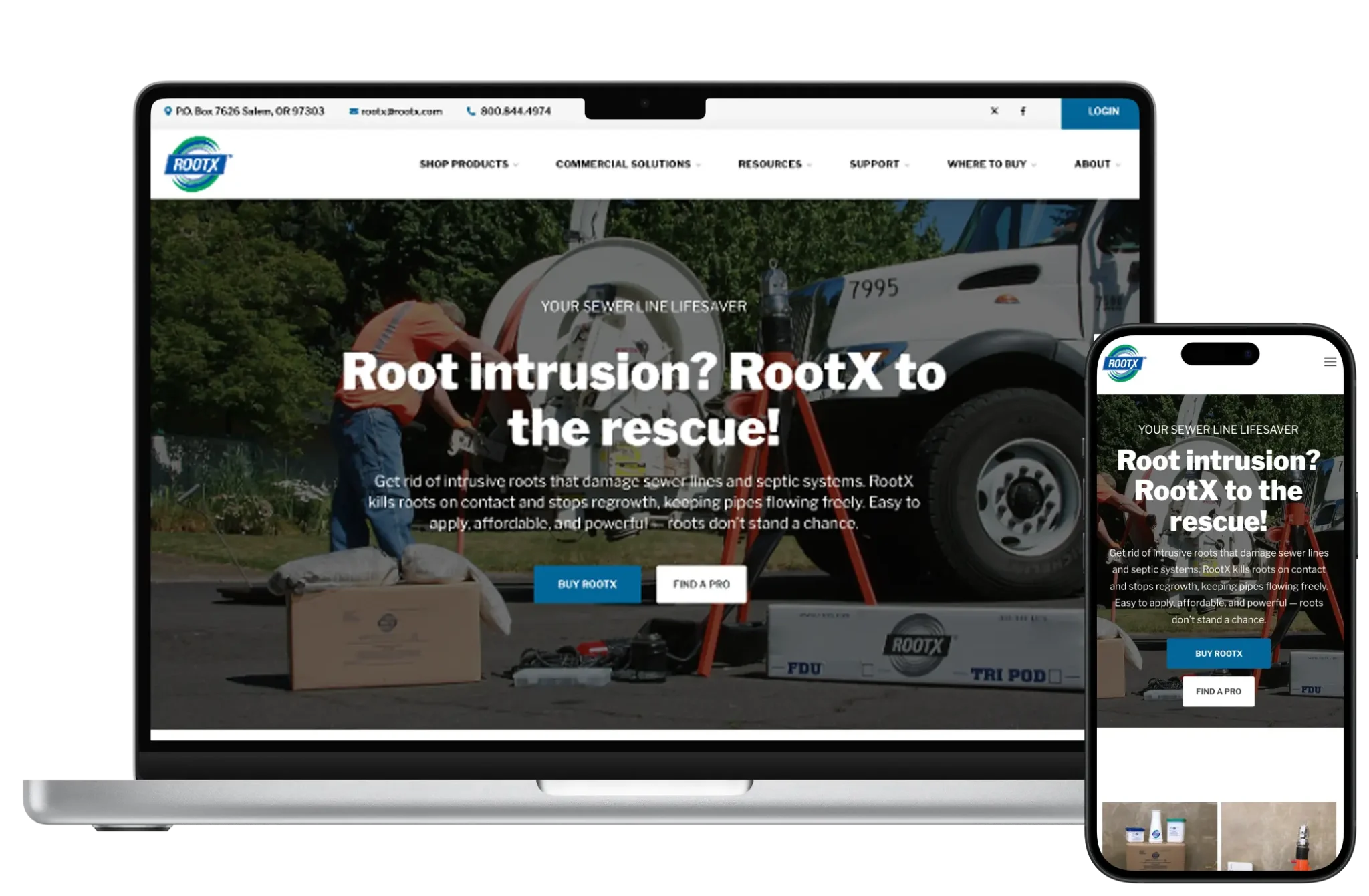

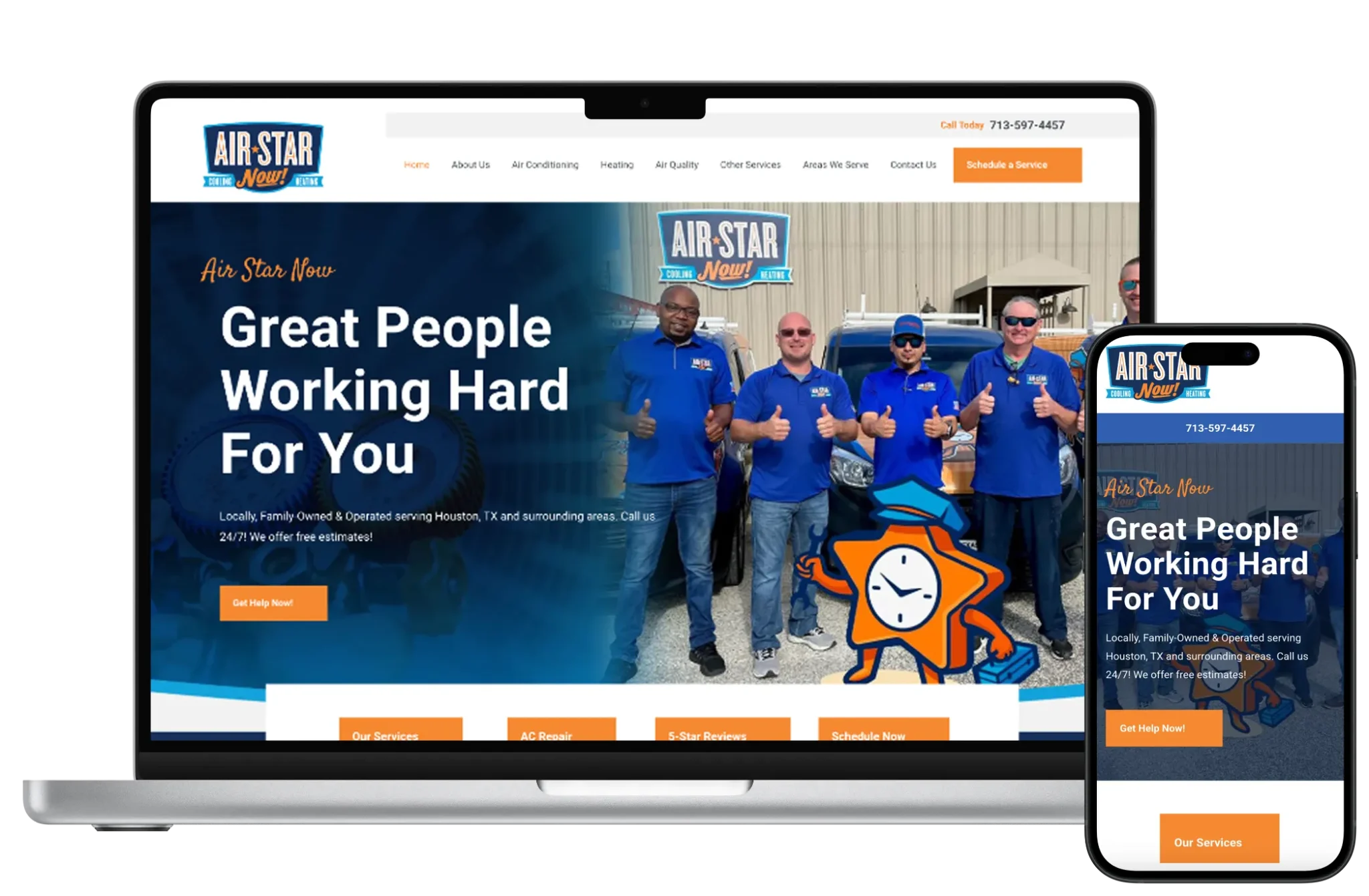
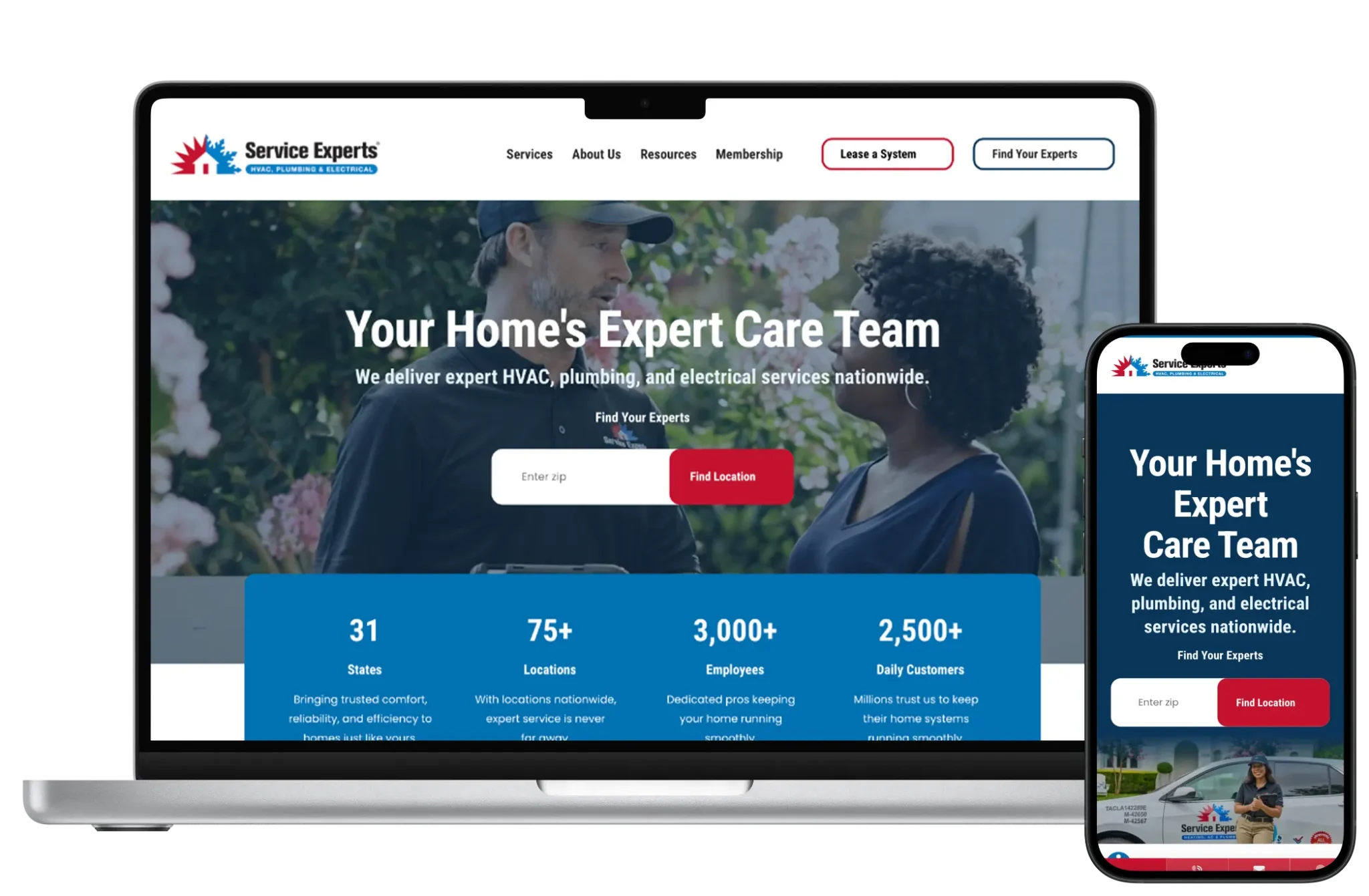


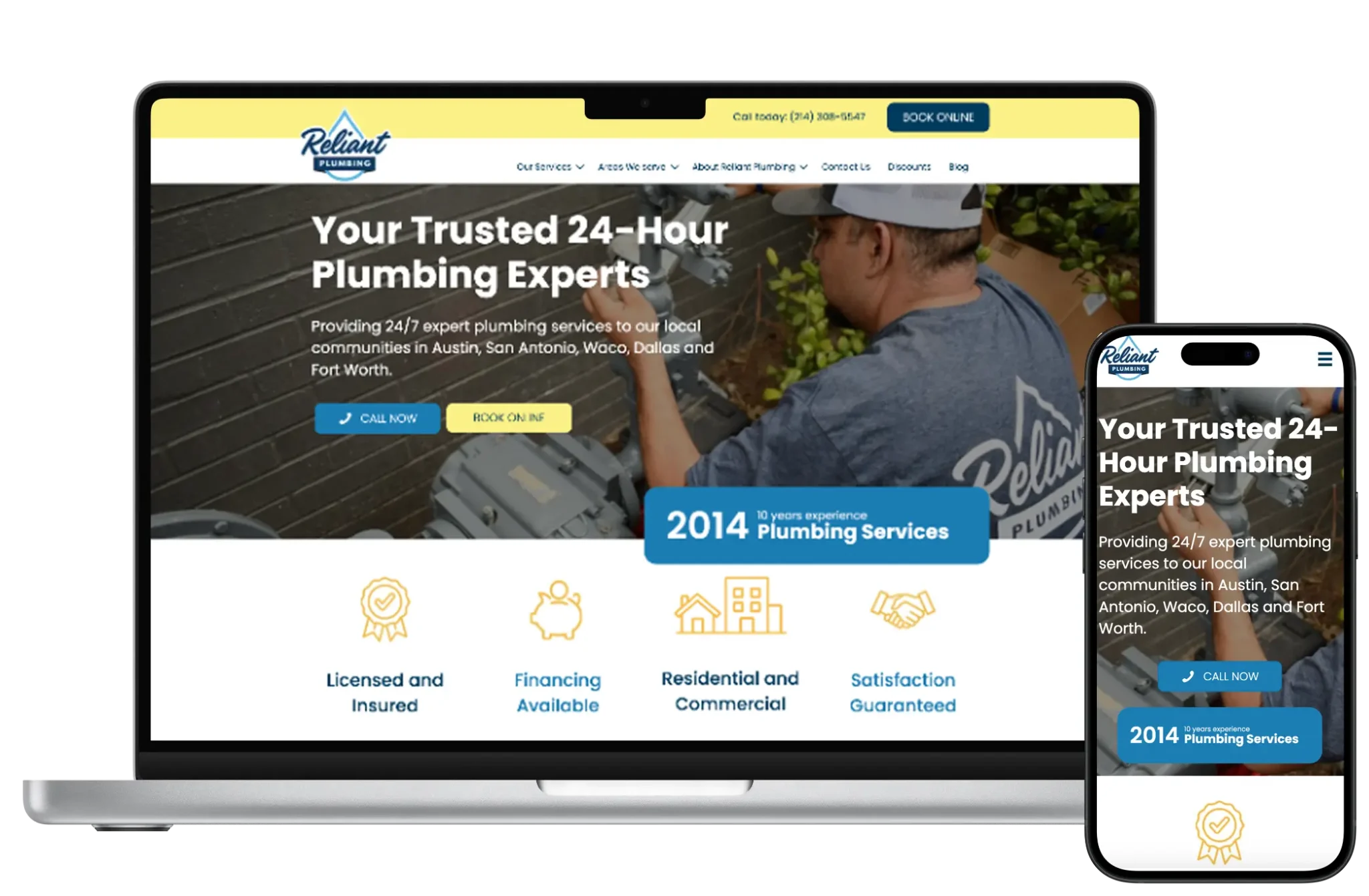
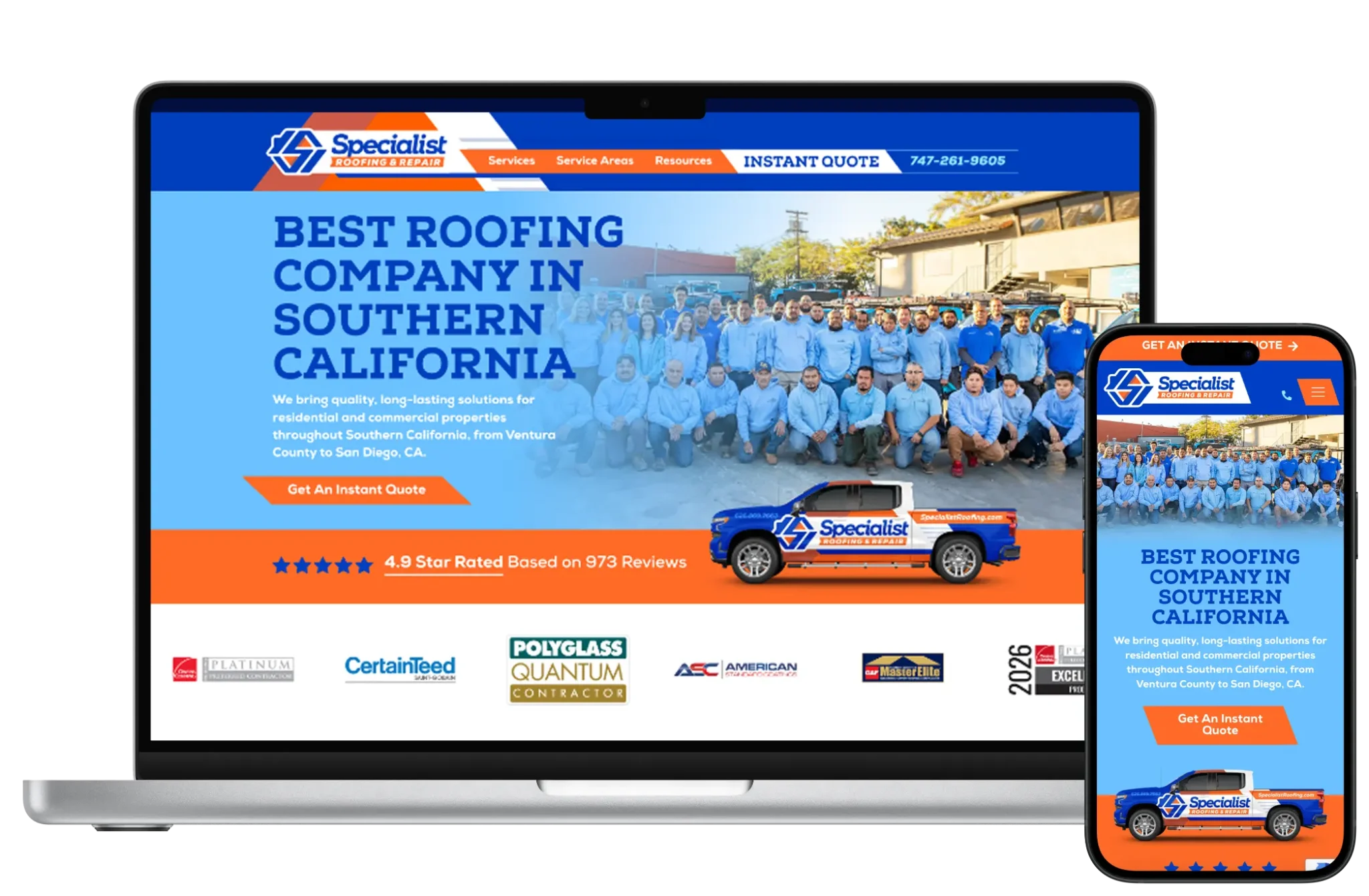
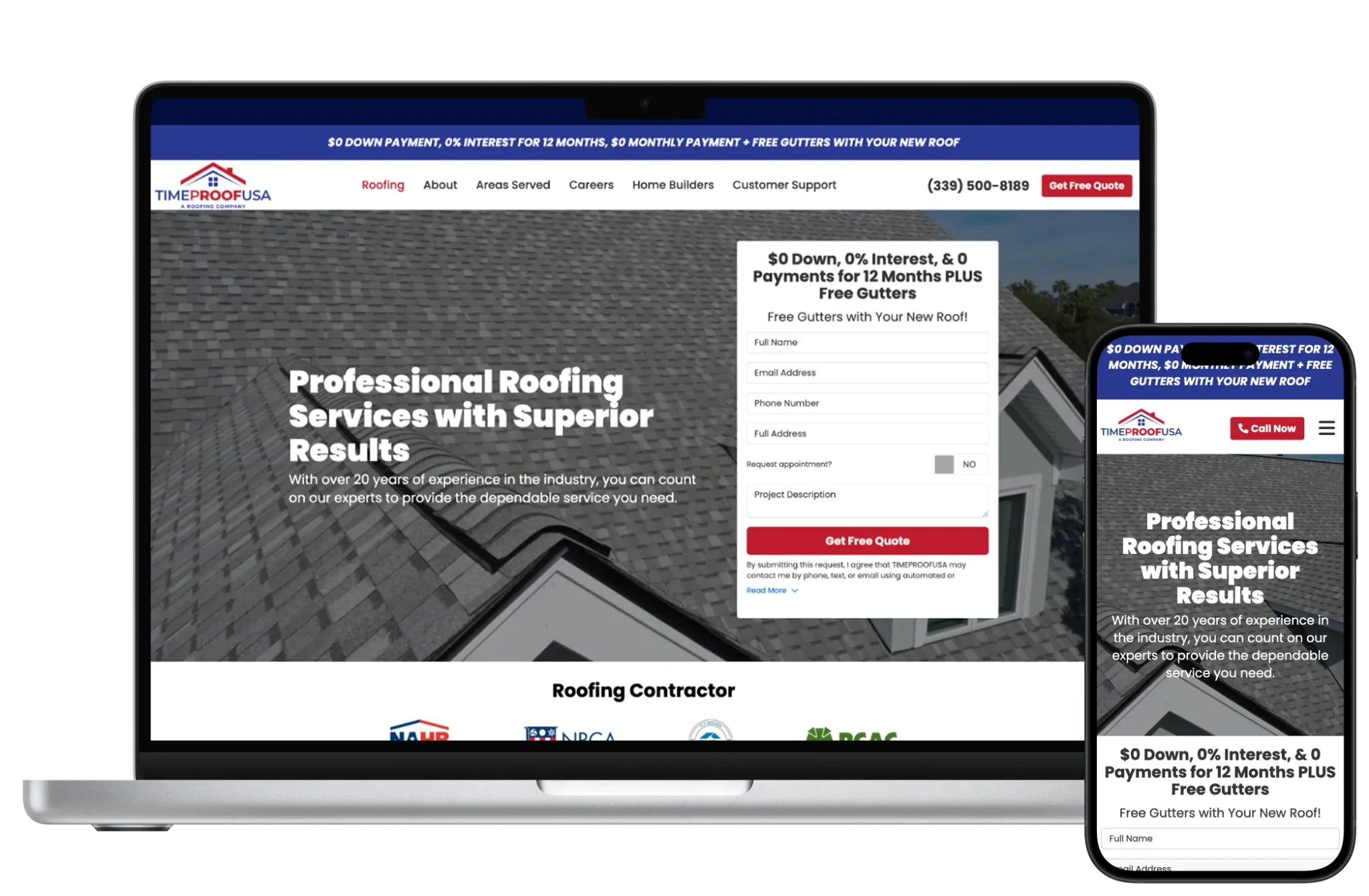
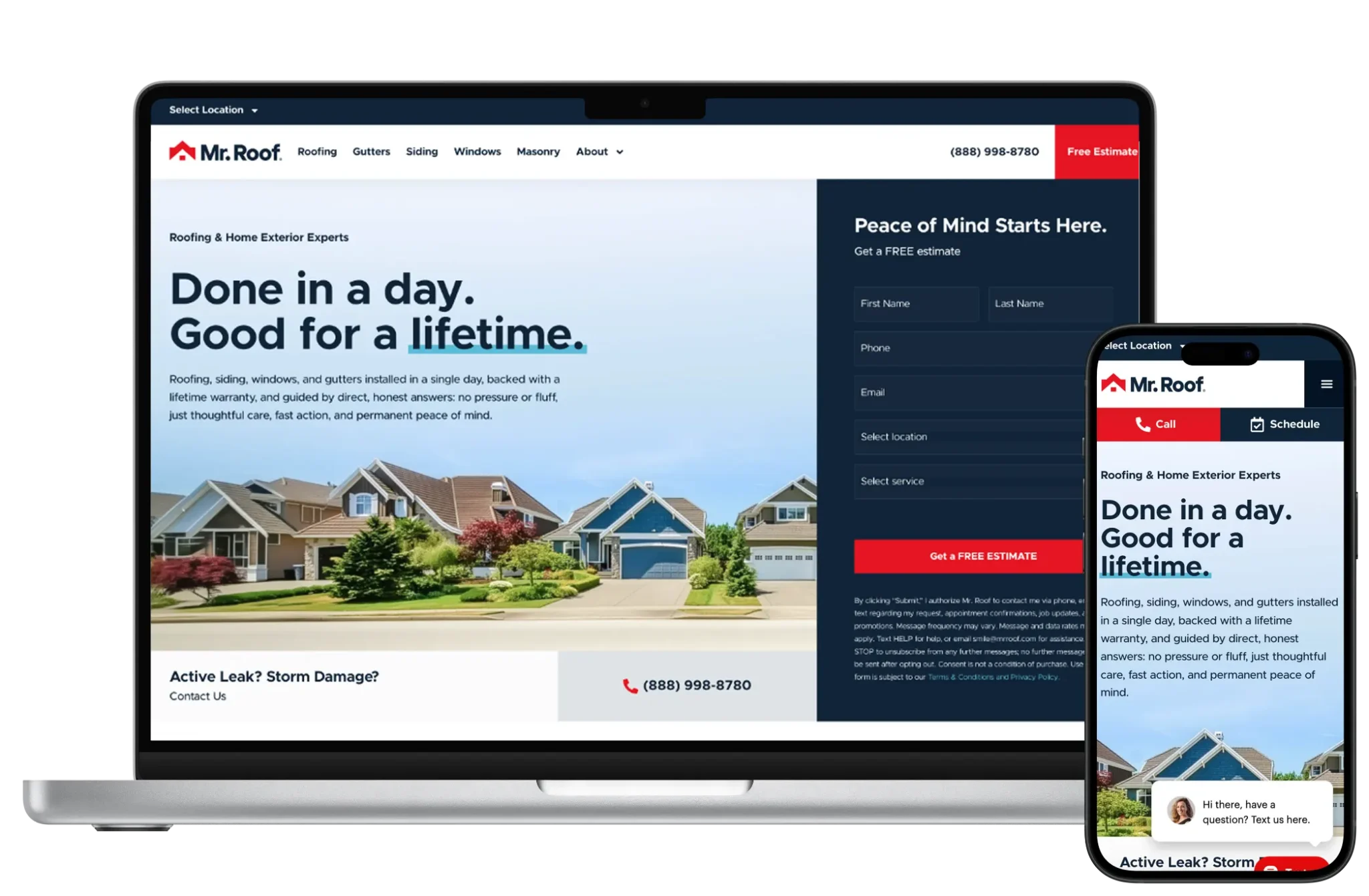




Shopify design is merchandising-first: collection storytelling, PDP trust, variant clarity, and mobile add-to-cart paths. We design section-based systems merchants can rearrange without breaking brand rules — avoiding theme demos full of leftover sections nobody uses.
Unlike Webflow marketing sites, Shopify visuals must respect cart and checkout states. Unlike WordPress service sites, the primary job is product understanding and purchase confidence — not lengthy practice-area essays.

Development focuses on Online Store 2.0 themes, clean section schemas, and app discipline. We implement tracking carefully, keep third-party scripts lean, and QA cart, discounts, and shipping scenarios before launch.
When brands need more than themes allow, we discuss custom apps or headless approaches with clear cost trade-offs — not silent scope surprises.

Shopify SEO centers on collection architecture, unique product copy, blog/content support, and avoiding thin filtered URLs. Theme markup and metafields help editors maintain titles and descriptions.
Technical basics include sitemaps, canonical tags, and performance on PLP/PDP templates. Apps that inject heavy scripts can undo SEO gains — we treat that as part of the SEO conversation.
We do not promise rankings. We build crawlable, useful storefront architecture and iterate content monthly inside the subscription.
Shopify maintenance is theme updates, app audits, seasonal landing sections, and storefront bugfixes — not WordPress core patching, but still ongoing work. Checkout and tracking regressions get priority.
Monthly capacity absorbs promo pages, metafield improvements, and performance cleanups as the app stack evolves.

Yearly plans that include design, development, maintenance and SEO foundations — without a large upfront project fee.
For small businesses that need a professional site without a large upfront build.
Best for local and service businesses ready to generate more leads every month.
For growing brands that need ongoing development, SEO and conversion work.
Large sites, complex integrations, multi-location brands and custom applications.
Shopify bills its own plan tiers, apps, and payment processing. Those fees are paid to Shopify and app vendors — not included in the 66sites subscription.
66sites covers theme design/development, storefront engineering, maintenance, and SEO care on our yearly plans (from $199/year Starter through Enterprise). Growth or Pro is typical for real catalogs; setup fees cover launches and migrations.
Shopify makes launching easy; making a store fast, on-brand, and measurable still takes design systems and engineering judgment. Apps alone rarely produce a coherent experience.
A subscription keeps theme and merchandising improvements continuous through seasonal campaigns — instead of hiring a freelancer only when something breaks mid-promotion.
Full notes for challenges, strategy and supporting pages — so the sections above stay scannable.
Shopify fits DTC product brands, retailers prioritizing checkout reliability, teams that want apps for email/SMS/reviews without hosting anxiety, and operators who prefer Shopify admin over WordPress plugin maintenance.
It is less ideal when you need deep content CMS behavior WordPress handles better, complex B2B portals better served by custom apps, or highly unusual checkout flows that fight Shopify’s model. Hydrogen/headless can extend Shopify — at higher engineering cost.
Shopify hosts the core platform; your risk concentrates on staff access, app permissions, phishing, and theme code quality. We enforce least privilege and careful app installs.
Custom theme or app code still needs review — hosted does not mean “nothing can go wrong.”
Theme weight, image sizes, and app scripts dominate Shopify performance. We prune unused apps and keep section JS intentional.
Checkout is largely platform-owned; storefront speed is where agency engineering still moves the needle.
Migrations onto Shopify include product/customer imports, URL redirects, payment/shipping setup, and theme rebuilds for brand parity. Historical order nuance varies by source platform.
Leaving Shopify for WooCommerce or a custom stack is planned the same way: inventory of what must transfer versus what should be redesigned.
Straight answers about scope, pricing, ownership and what a subscription includes for this page.
Only when volume, checkout customization, or operational features justify it. Many brands thrive on standard plans with strong theme work. We advise based on requirements, not prestige.
Within Shopify’s rules and plan capabilities. Deep checkout changes may require Plus or alternative approaches — we scope honestly.
No. We evaluate performance, cost, and overlap. Fewer good apps beat a stack that slows the storefront.
Adequately for many brands via blog and pages. If content CMS depth is the main job, WordPress or Webflow may fit better alongside or instead.
When the brand needs it and accepts higher engineering cost. Most stores should master a solid theme first.
Yes. Expect product/customer mapping, redirects, and a theme rebuild — plus payment and shipping reconfiguration.
No. Both can support strong SEO. Outcomes depend on architecture, content, and competition — not the platform logo.
Theme iteration, app hygiene, promo sections, performance care, and SEO improvements under your plan — with Shopify platform fees remaining separate.
Theme systems, app discipline, and monthly care while Shopify handles hosted checkout.