

Who WooCommerce is for
WooCommerce fits brands already invested in WordPress, hybrid content-commerce publishers, B2B catalogs with custom pricing logic, and stores that…
Read more →WooCommerce platform
WooCommerce turns WordPress into a full storefront when you need product catalogs, complex shipping rules, or content-heavy merchandising that does not fit a rigid SaaS theme. 66sites builds and…

WooCommerce turns WordPress into a full storefront when you need product catalogs, complex shipping rules, or content-heavy merchandising that does not fit a rigid SaaS theme. 66sites builds and maintains WooCommerce experiences as part of a subscription — design and development for discovery and checkout, plus ongoing care for updates that can break stores if ignored.
Unlike Shopify, WooCommerce keeps you on the WordPress stack: you control hosting, data, and how deeply content and commerce intertwine. That ownership is powerful for brands that publish guides, membership content, or service-plus-product models. It also means performance, security, and payment reliability are engineering problems you must actively own.
We recommend WooCommerce when WordPress content plus commerce is a genuine requirement — not because someone wants a free plugin. If checkout simplicity and hosted ops matter more than CMS depth, Shopify is often the clearer path. We say that in discovery.
Practical website, conversion and SEO work tailored to how your buyers actually decide.
WooCommerce fits brands already invested in WordPress, hybrid content-commerce publishers, B2B catalogs with custom pricing logic, and stores that…
Read more →
Commerce lives inside WordPress: blogs, landing pages, and products share one CMS.Deep customization for product types, checkout fields, and B2B…
Read more →
Performance and checkout reliability depend on hosting, caching strategy, and plugin discipline.You (or your agency) own PCI-adjacent hygiene…
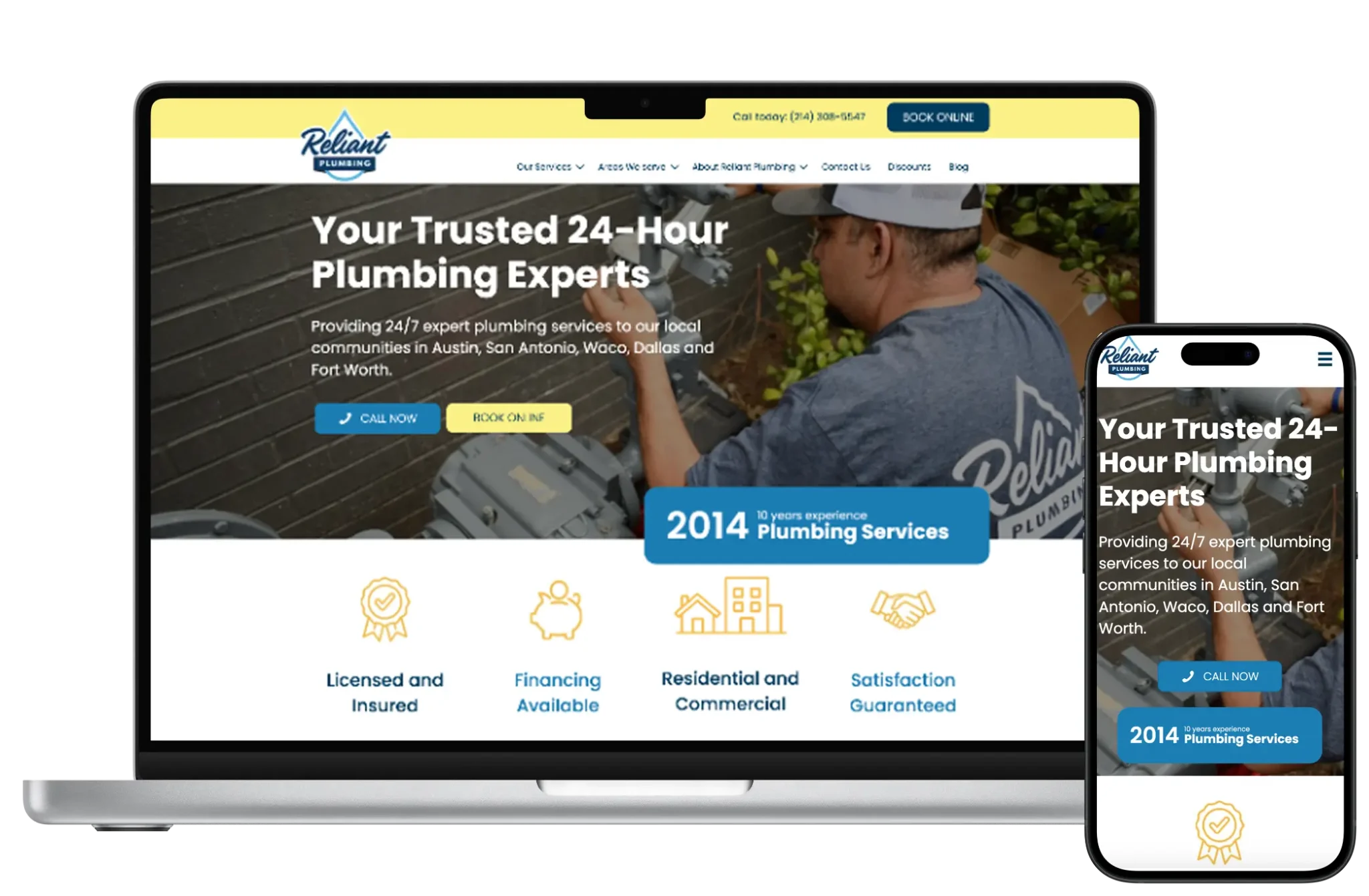
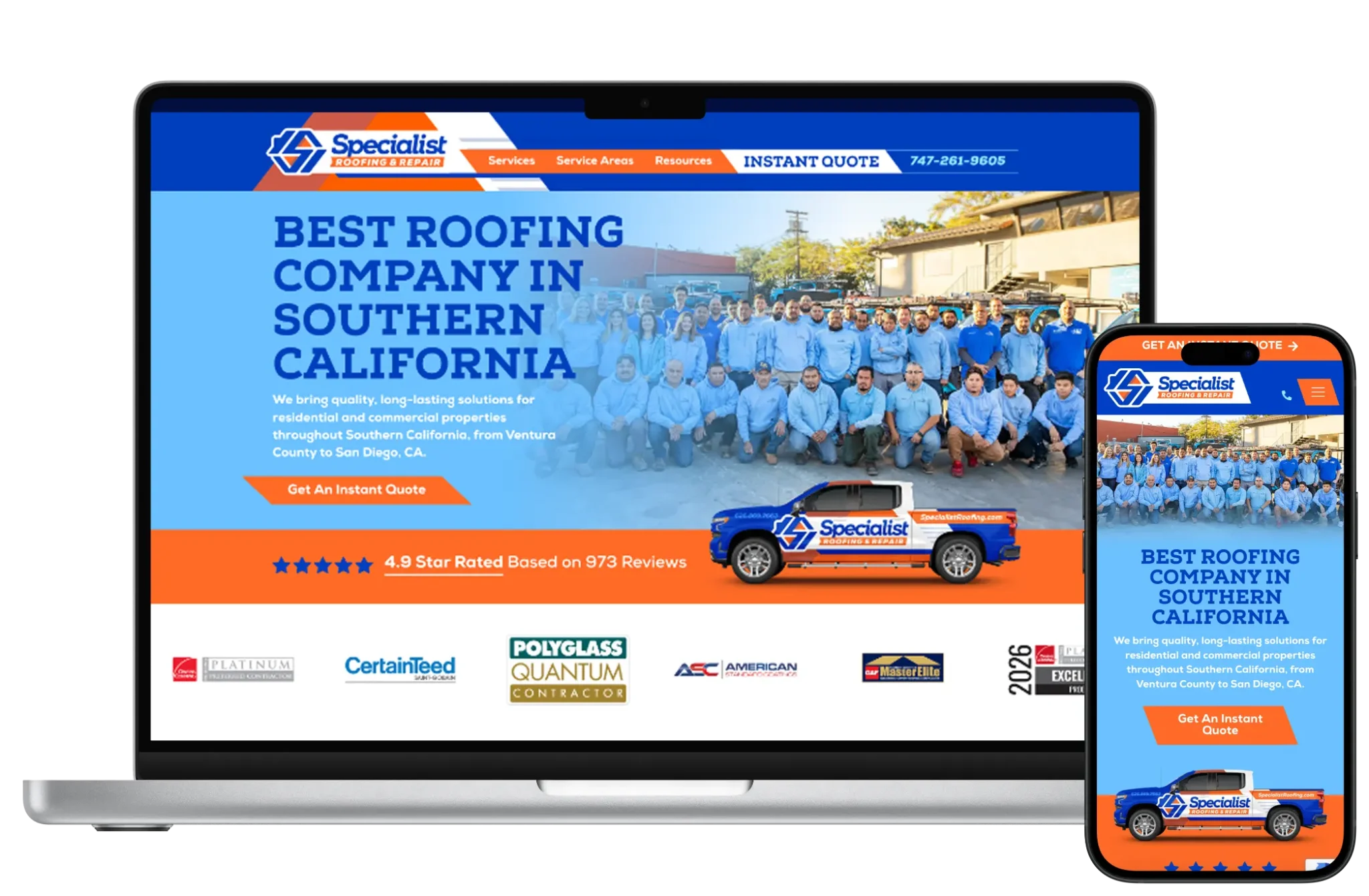
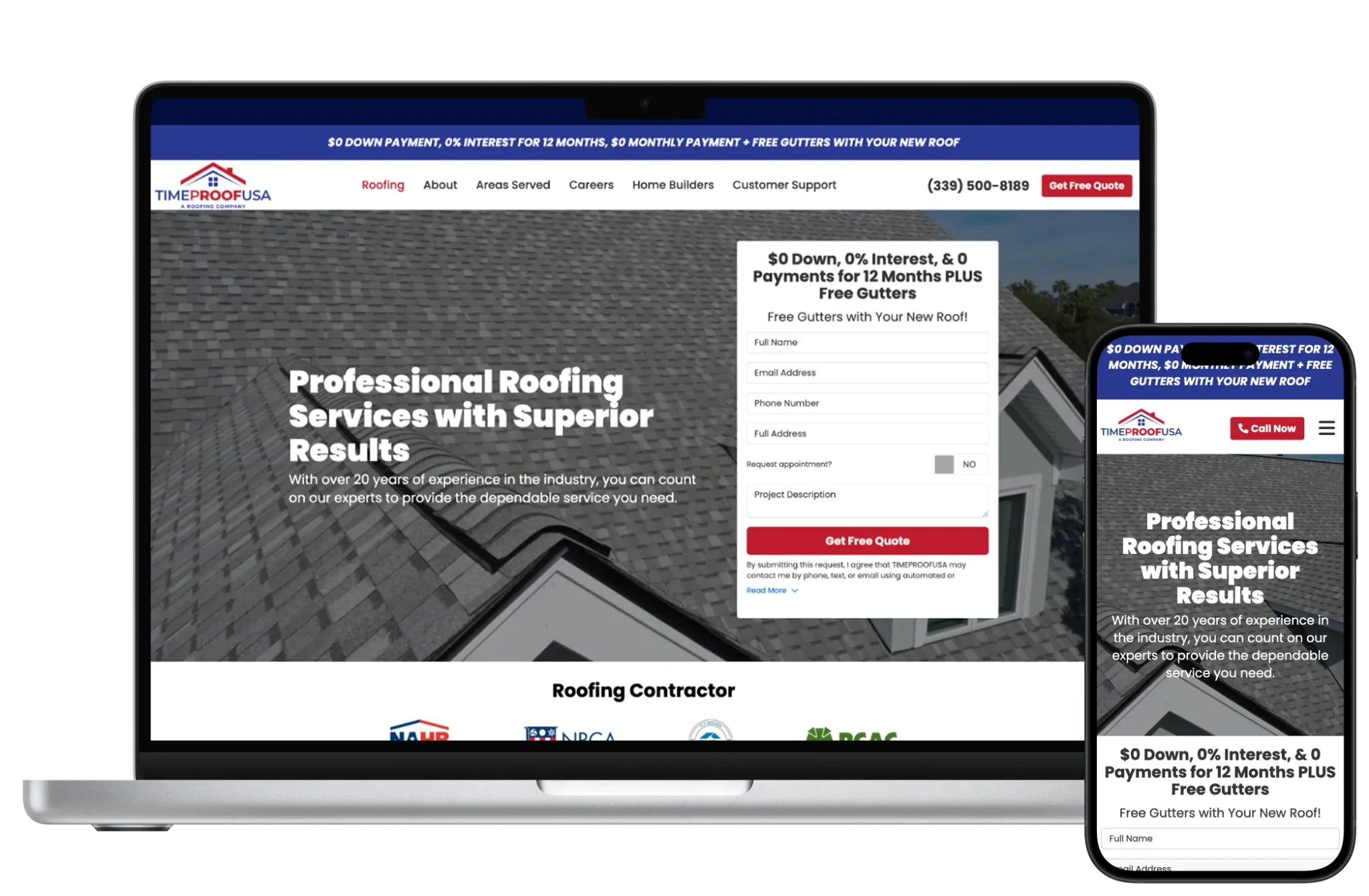
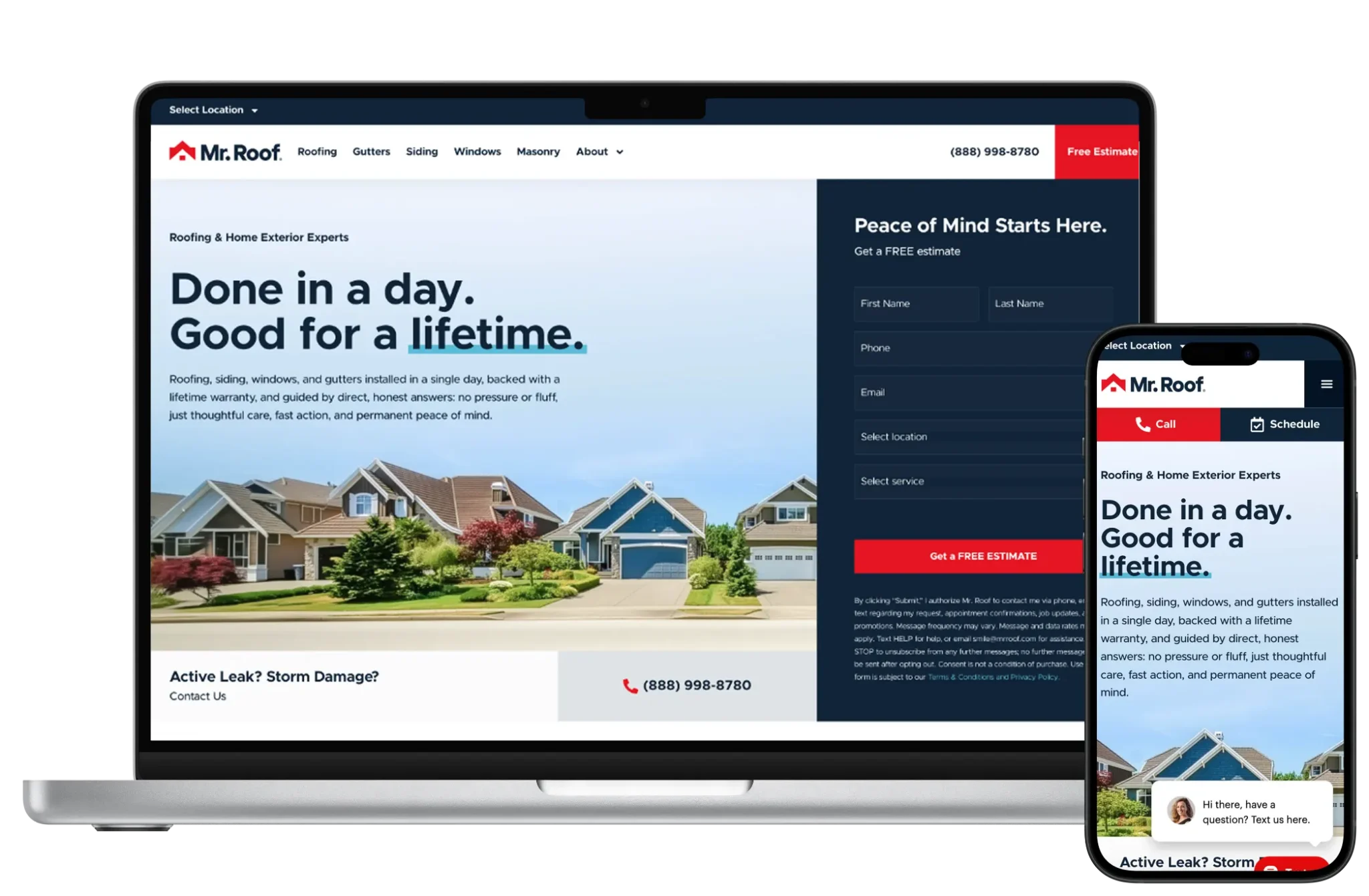
Read more →A look at website designs and layouts we build for service businesses — mockups and project types, not fabricated client claims.
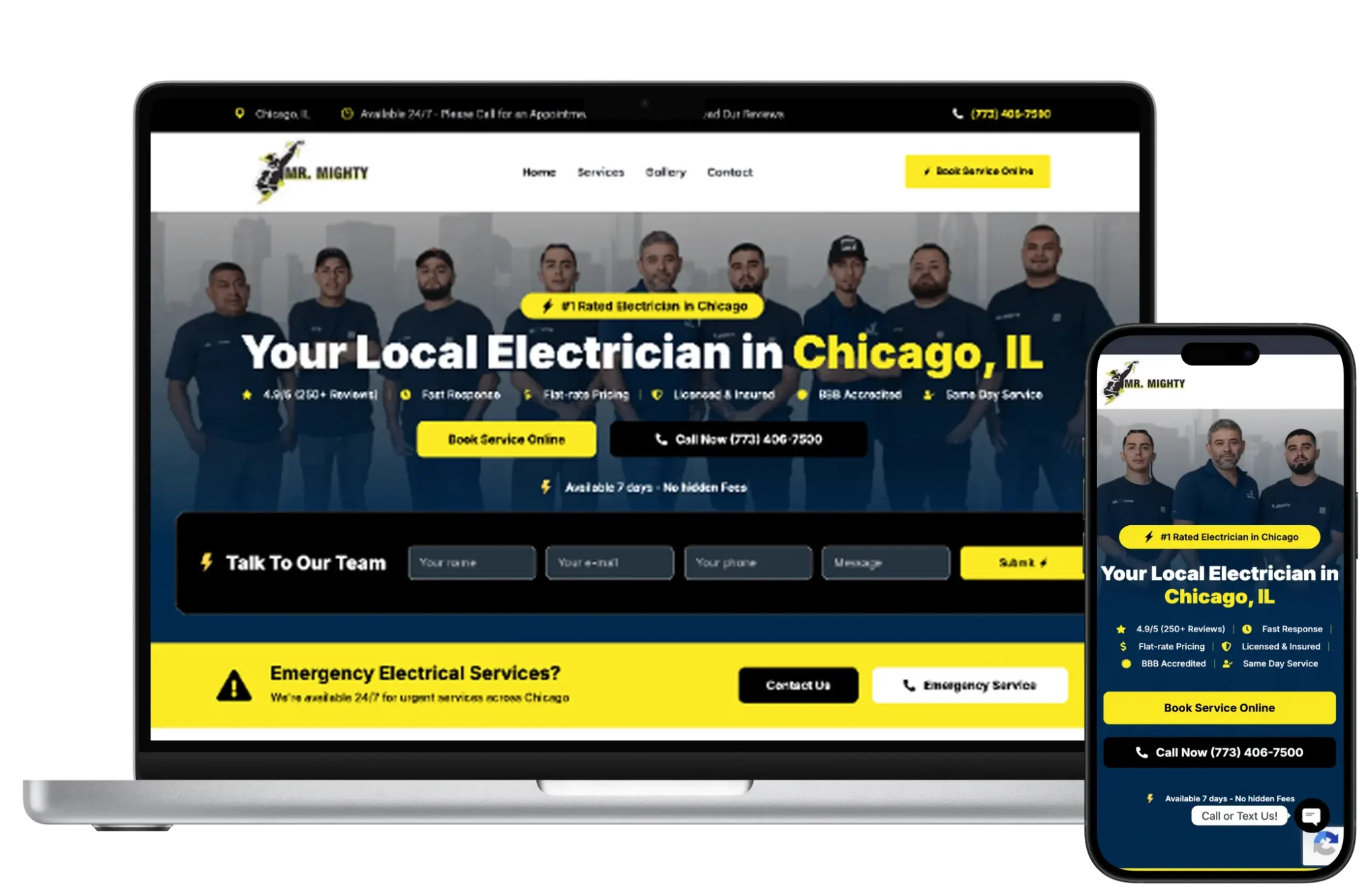
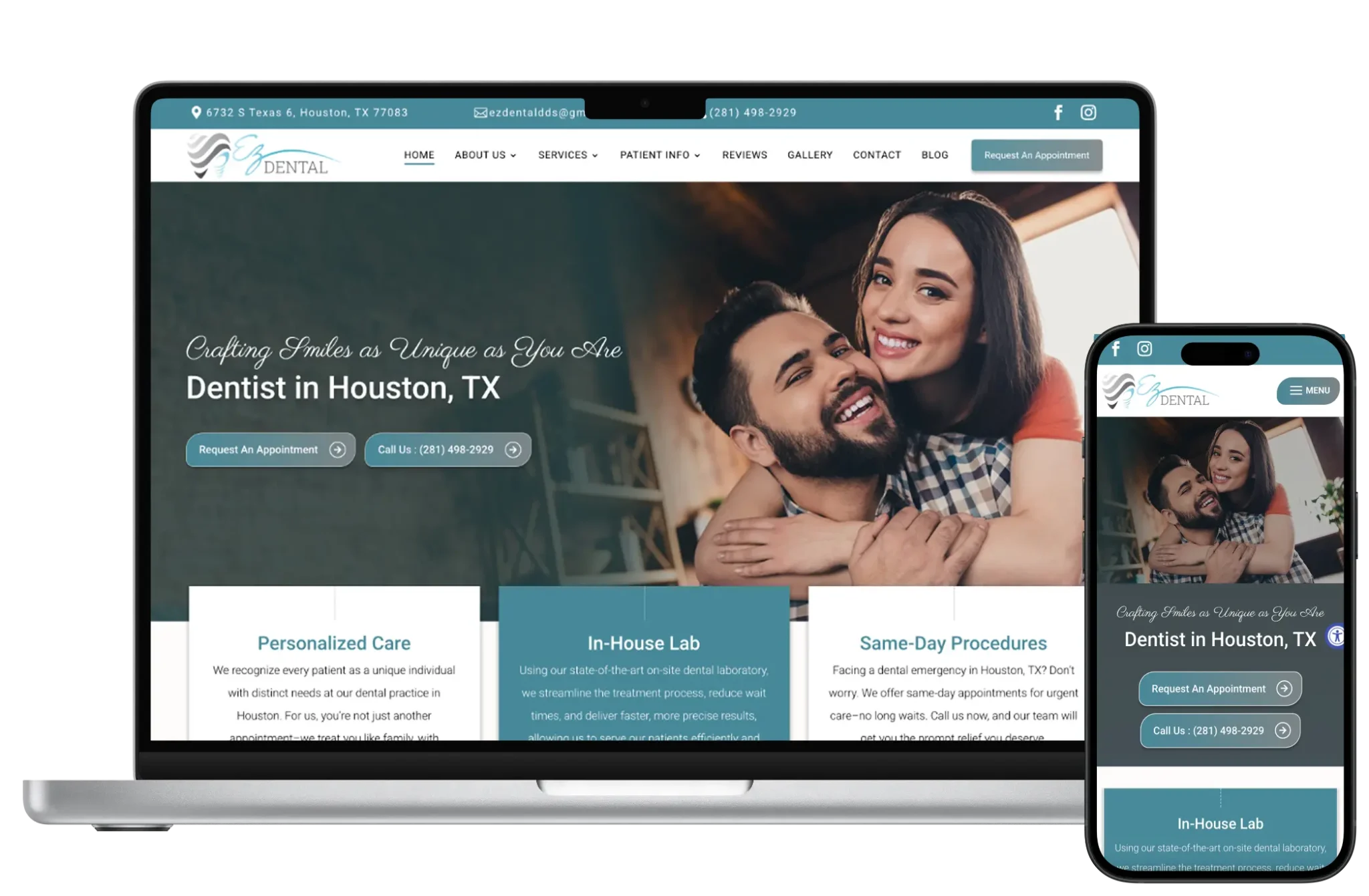

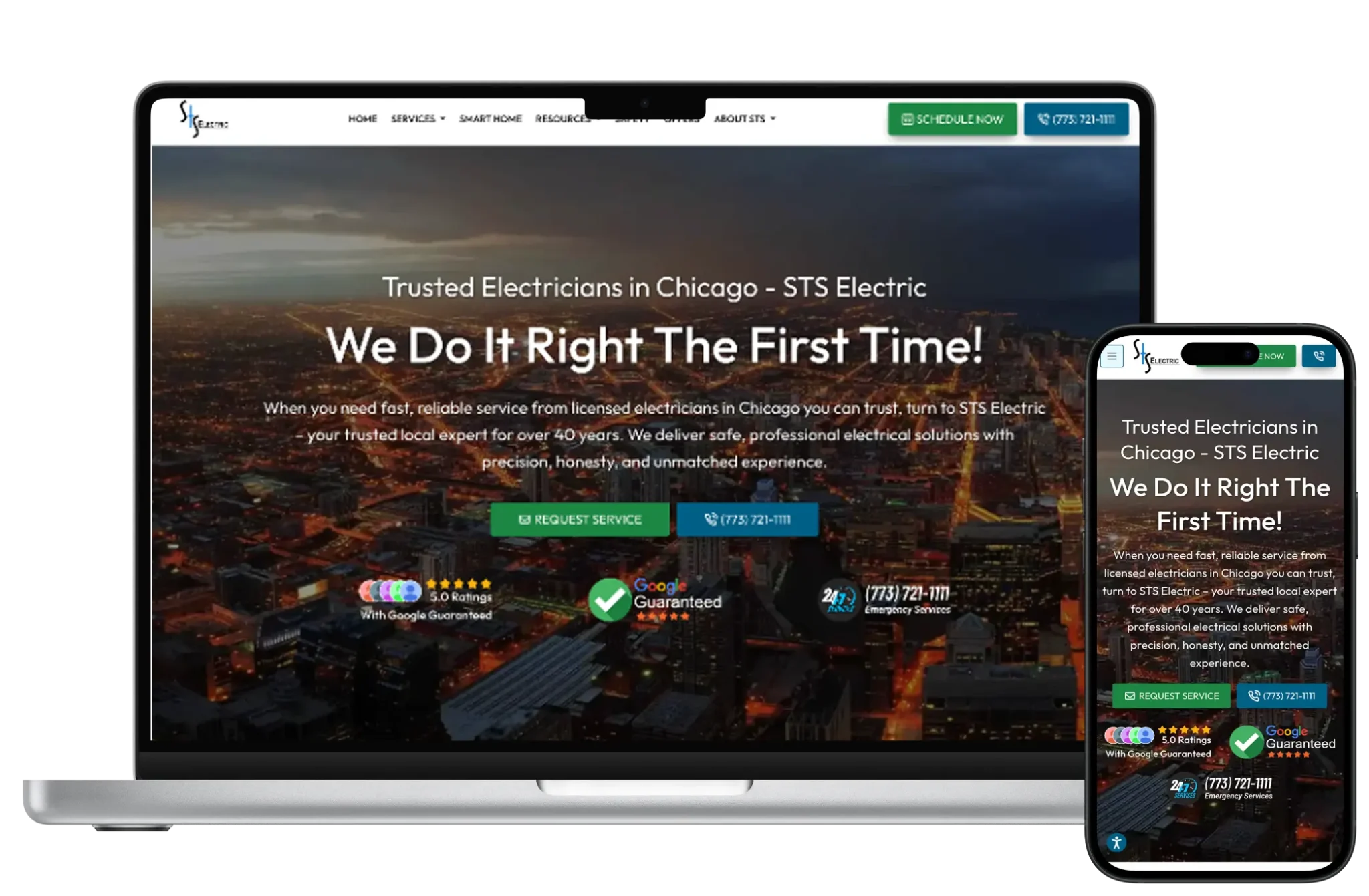
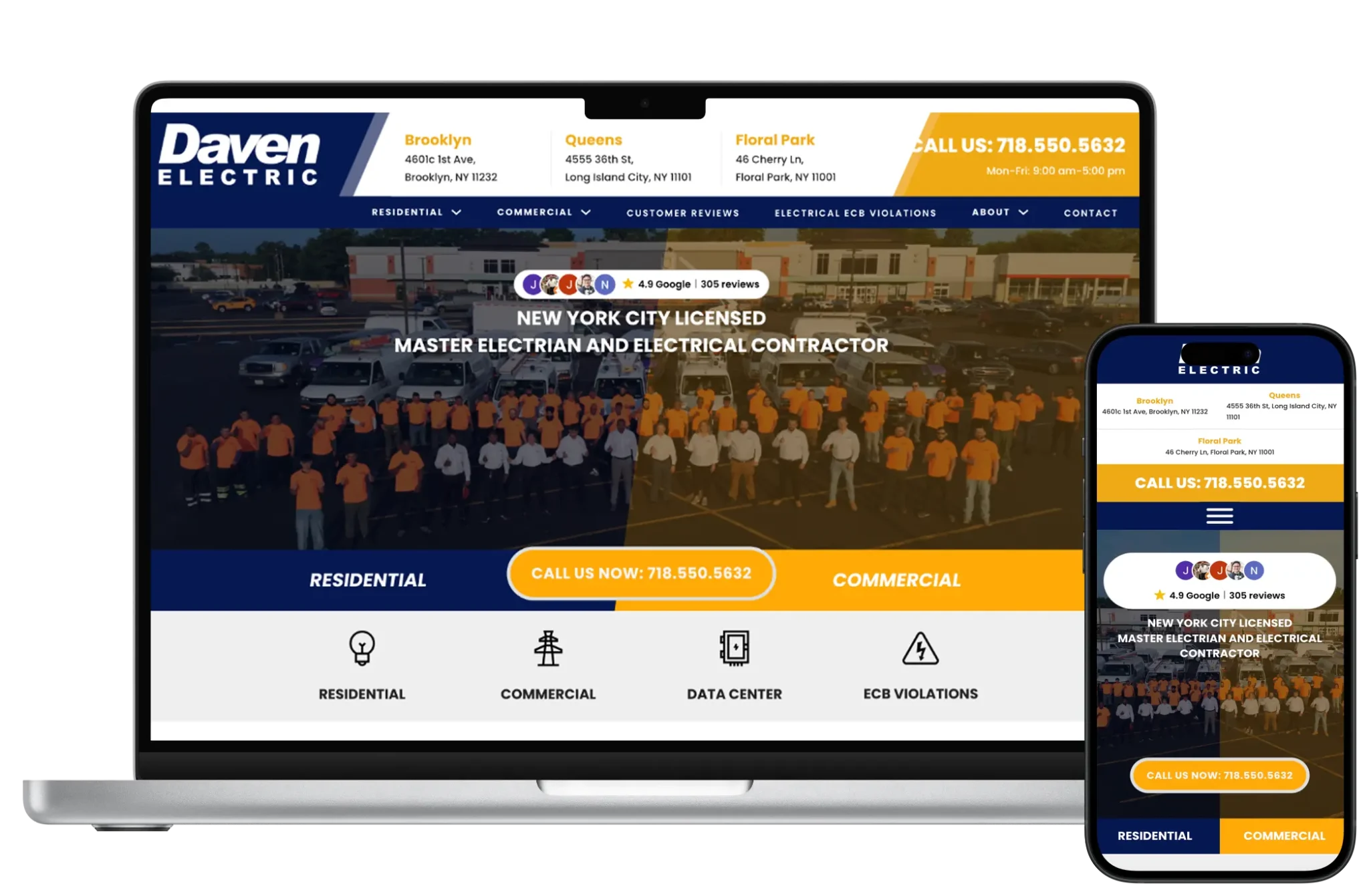

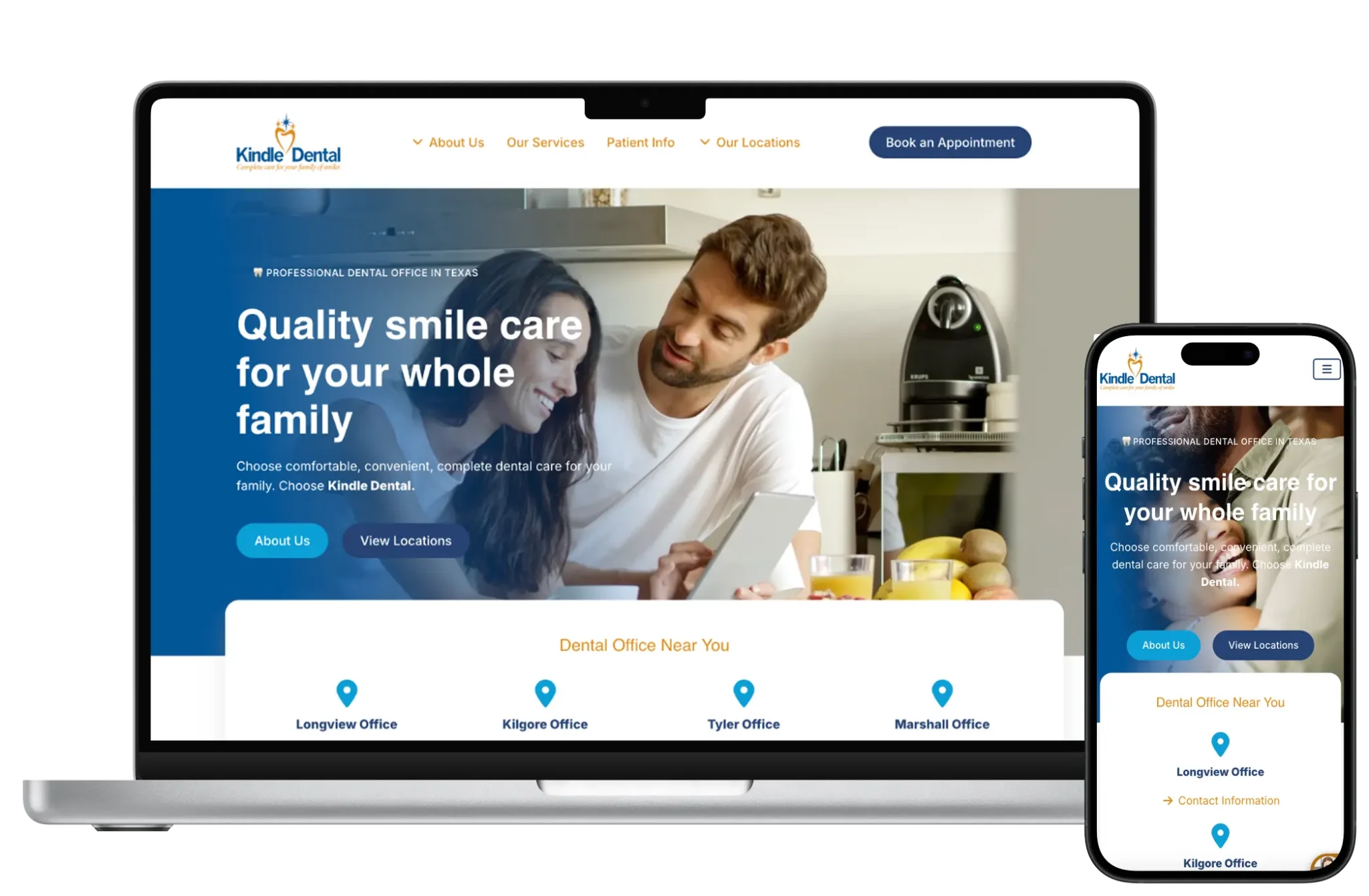

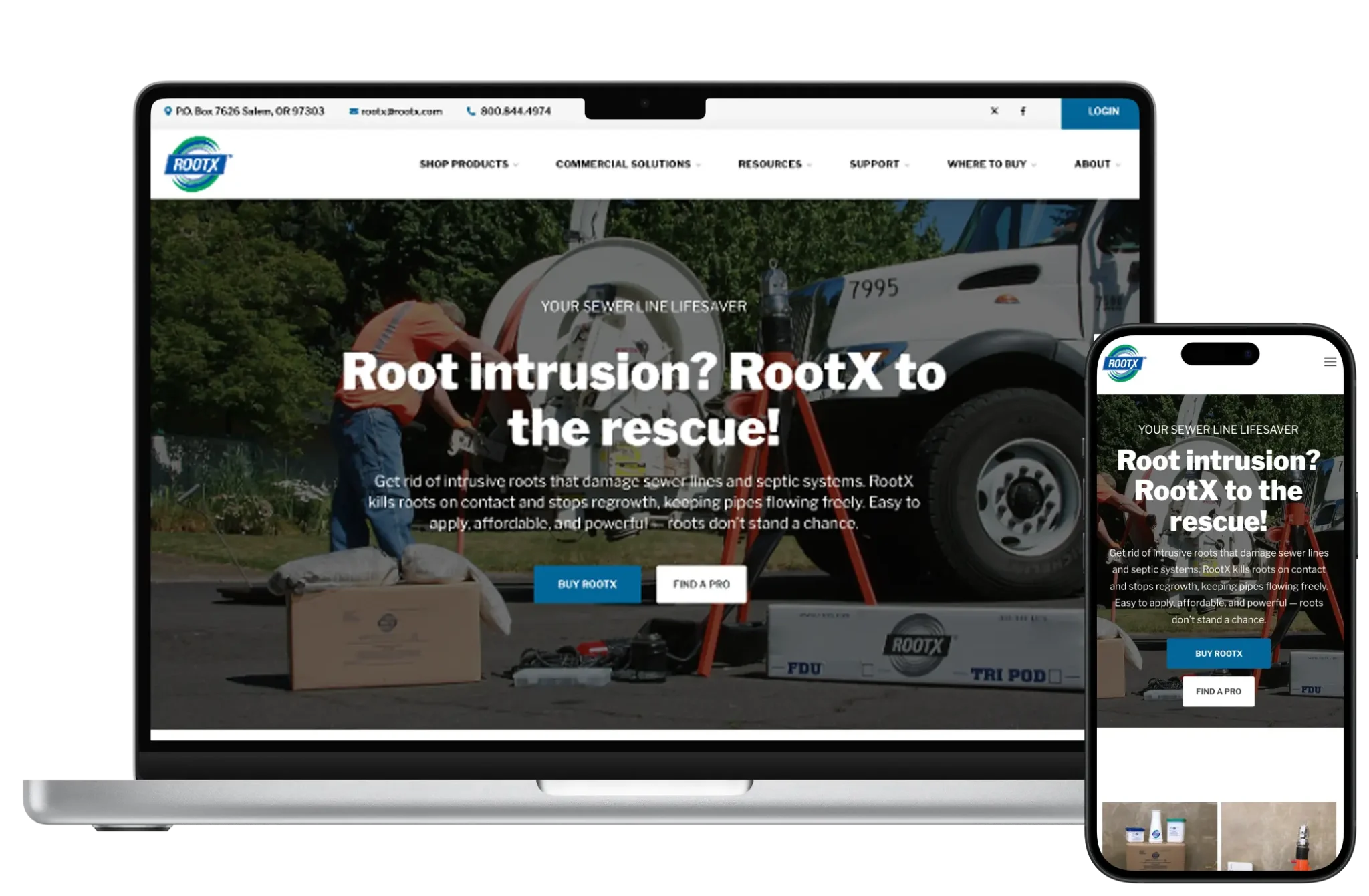


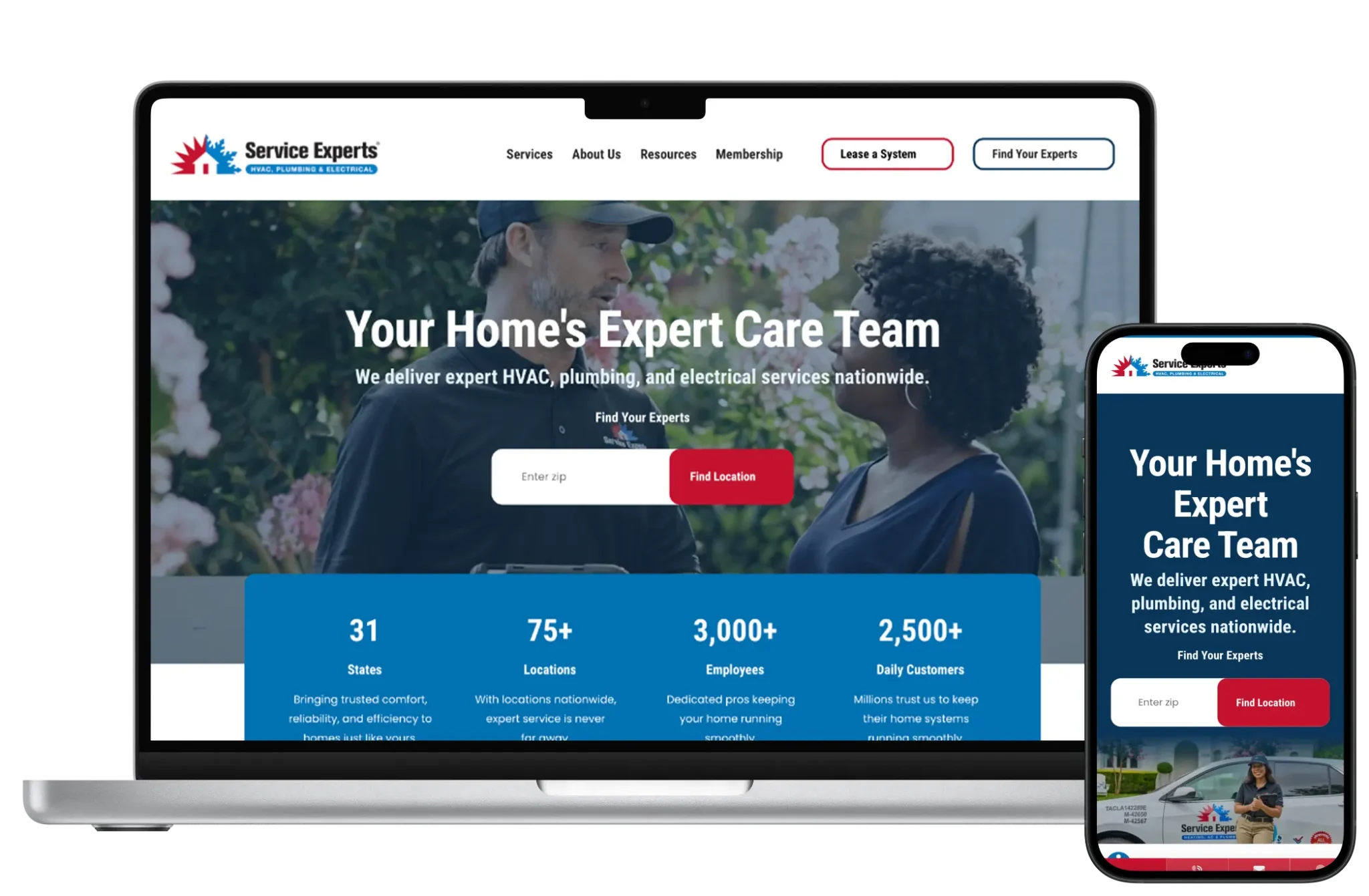
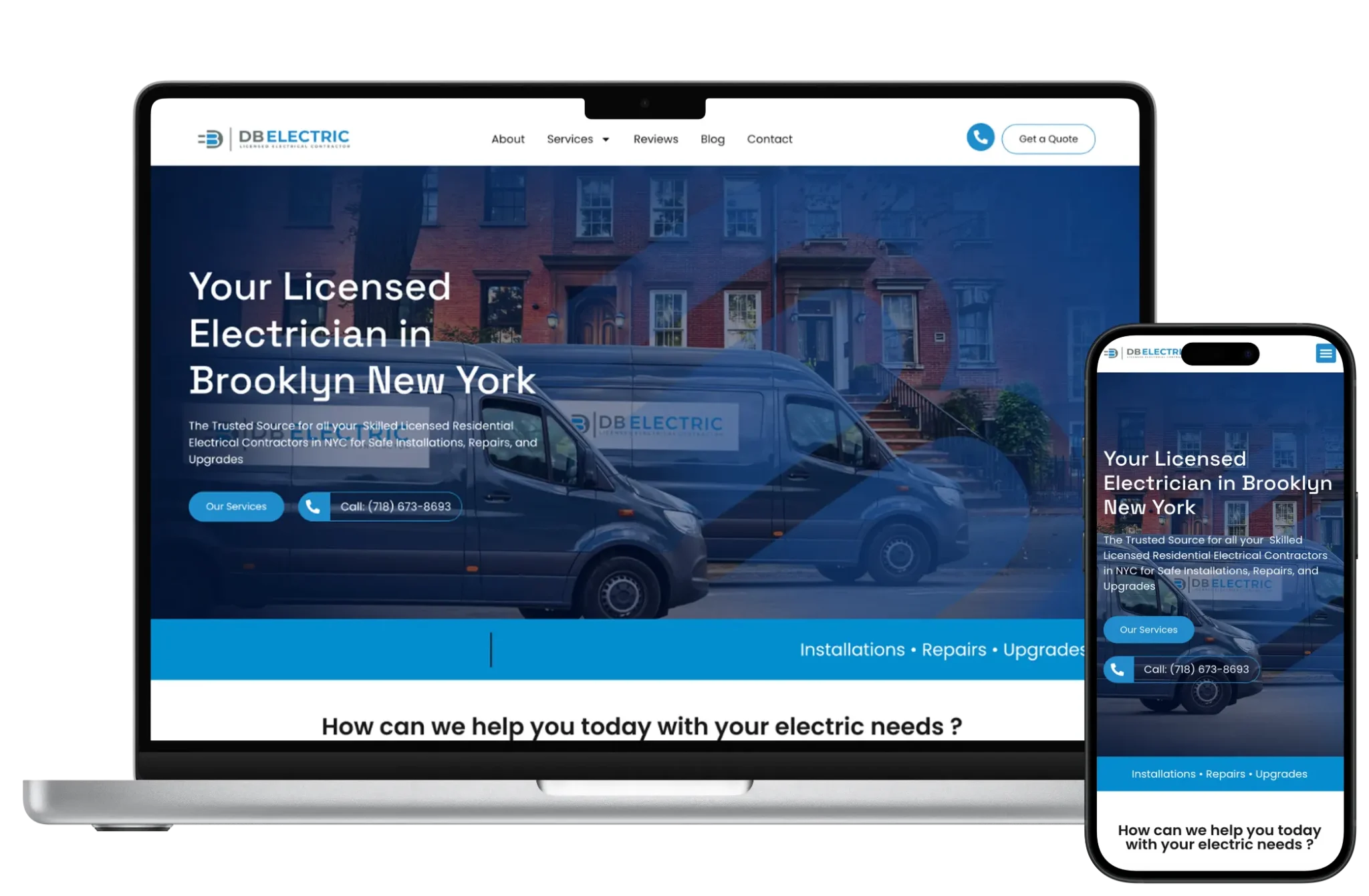





Store design centers on findability: collection clarity, variant UX, trust near add-to-cart, and mobile checkout paths that do not punish thumbs. Product templates need room for specs, shipping honesty, and proof — without turning every PDP into a novel.
We design Woo templates as systems: PLP, PDP, cart, and account states stay consistent with the brand’s content pages so the site does not feel like two products glued together.

Development prioritizes stable checkout, payment gateway configuration, and lean themes over marketplace “complete store” packs. We test cart, coupons, tax, and shipping scenarios on staging before launch.
Integrations for email/SMS, inventory, and fulfillment are scoped deliberately. Custom checkout fields and B2B logic are documented so future updates do not surprise operations.

Ecommerce SEO on WooCommerce hinges on category architecture, unique product copy, and crawlable filters that do not explode into thin URLs. Facets and sorting need intentional index rules.
We pair product templates with content hubs when educational search drives demand — a WordPress strength Shopify themes often underuse.
Technical work includes XML sitemaps for products/categories, canonical discipline, and performance so paid and organic traffic are not wasted on slow PDPs. No ranking guarantees.

WooCommerce maintenance means core/plugin/theme updates with store-aware regression checks: cart, checkout, and email flows. Backups and monitoring matter more when revenue depends on uptime.
Monthly capacity covers merchandising template tweaks, promo landing pages, and technical debt reduction — not emergency firefighting as the default mode.
Yearly plans that include design, development, maintenance and SEO foundations — without a large upfront project fee.
For small businesses that need a professional site without a large upfront build.
Best for local and service businesses ready to generate more leads every month.
For growing brands that need ongoing development, SEO and conversion work.
Large sites, complex integrations, multi-location brands and custom applications.
WooCommerce is free as a plugin; costs come from hosting, premium extensions, payment processing fees, and email/SMS tools. Those are billed by vendors separately from 66sites.
66sites subscription plans (Starter $199 / Growth $299 / Pro $399 / Enterprise) cover design, development, maintenance, and SEO care. Most real stores need Growth or Pro; setup fees are common for catalog builds and migrations.
A store that “mostly works” can still leak revenue through slow PDPs, broken coupons, or update conflicts. Subscription care keeps engineering attention on the store after launch — when themes and gateways change.
66sites pairs WooCommerce engineering with content SEO and design systems so commerce does not live in a silo from the rest of the brand site.
Full notes for challenges, strategy and supporting pages — so the sections above stay scannable.
WooCommerce fits brands already invested in WordPress, hybrid content-commerce publishers, B2B catalogs with custom pricing logic, and stores that need unusual product types or workflows plugins or custom code can express.
It is a poor default for teams that want zero server responsibility, for pure DTC brands that thrive inside Shopify’s ops model, or for catalogs that only need a simple theme and apps. Fit is about operations and customization — not which logo feels more “enterprise.”
Stores attract attackers. We emphasize patching, hardened admin access, malware monitoring, and payment configurations that keep card data with gateways — not in your database.
Staging and least-privilege staff accounts reduce the risk of accidental or malicious store changes.
Catalog images, third-party scripts, and heavy builders are the usual culprits. Object caching, CDN, and disciplined plugins beat “speed booster” stacks.
Checkout pages get special attention: every unnecessary script is a conversion risk.
Migrations onto WooCommerce include products, customers, historical orders when feasible, URL redirects, and payment/shipping reconfiguration. We plan cutover windows around promotions when possible.
Moving from WooCommerce to Shopify (or the reverse) is supported when platform fit changes — with honest scoping of what transfers cleanly versus what needs rebuild.
Straight answers about scope, pricing, ownership and what a subscription includes for this page.
Choose WooCommerce when WordPress content depth and customization outweigh hosted simplicity. Choose Shopify when checkout reliability and ops simplicity are the priority. We recommend based on roadmap, not preference alone.
Often yes with the right extensions and careful QA. Complexity rises quickly — we scope honestly rather than stacking plugins “just in case.”
Either. Lean custom or well-chosen themes usually outperform multipurpose packs. We decide after reviewing catalog size and merchandising needs.
We configure and test supported gateways in collaboration with your merchant accounts. Processing fees remain with the payment provider.
No. We improve clarity, speed, and trust signals that support conversion. Revenue depends on offer, traffic, and operations — not a redesign alone.
Yes when WooCommerce is the right destination. Expect product/customer mapping, redirects, and checkout re-QA — not a one-click import.
Regularly. Core, WooCommerce, and extensions ship updates that can affect checkout. Maintenance plans exist to make that routine, not chaotic.
Growth or Pro for most catalogs. Tiny stores with trivial shipping may start lower only when scope is truly small. Setup fees cover build and migration intensity.
WooCommerce builds with checkout QA, performance discipline, and monthly care — not plugin roulette.