

Who Bricks is for
Bricks fits WordPress projects that care about Core Web Vitals, agencies rebuilding off heavy Elementor sites, and teams comfortable with a slightly…
Read more →Bricks (WordPress builder)
Bricks is a WordPress visual site builder oriented toward cleaner front-end output and developer-friendly workflows compared with heavier page-builder stacks. 66sites builds with Bricks when teams…
Bricks is a WordPress visual site builder oriented toward cleaner front-end output and developer-friendly workflows compared with heavier page-builder stacks. 66sites builds with Bricks when teams want visual assembly without accepting Elementor-class asset weight as inevitable — while still acknowledging that any builder can be abused into bloat.
Bricks sits on WordPress like Elementor does, but the culture and defaults differ: more emphasis on efficient HTML/CSS, query loops, and structured building. It is not Webflow (different hosting and CMS model) and not Next.js (still WordPress content and PHP). Choosing Bricks is usually a performance-and-craft decision inside the WordPress ecosystem.
We implement Bricks with design tokens, reusable elements, and staging updates. If your team needs maximum marketer familiarity, Elementor may still win. If your team needs lean templates and is willing to learn Bricks’ model, the front-end often thanks you.
Practical website, conversion and SEO work tailored to how your buyers actually decide.
Bricks fits WordPress projects that care about Core Web Vitals, agencies rebuilding off heavy Elementor sites, and teams comfortable with a slightly…
Read more →
Generally leaner front-end patterns than typical Elementor builds when used with restraint.Visual building with strong styling controls and reusable…
Read more →
Smaller talent pool than Elementor — onboarding and handoff need documentation.Still a third-party builder dependency on top of WordPress (license +…
Read more →A look at website designs and layouts we build for service businesses — mockups and project types, not fabricated client claims.
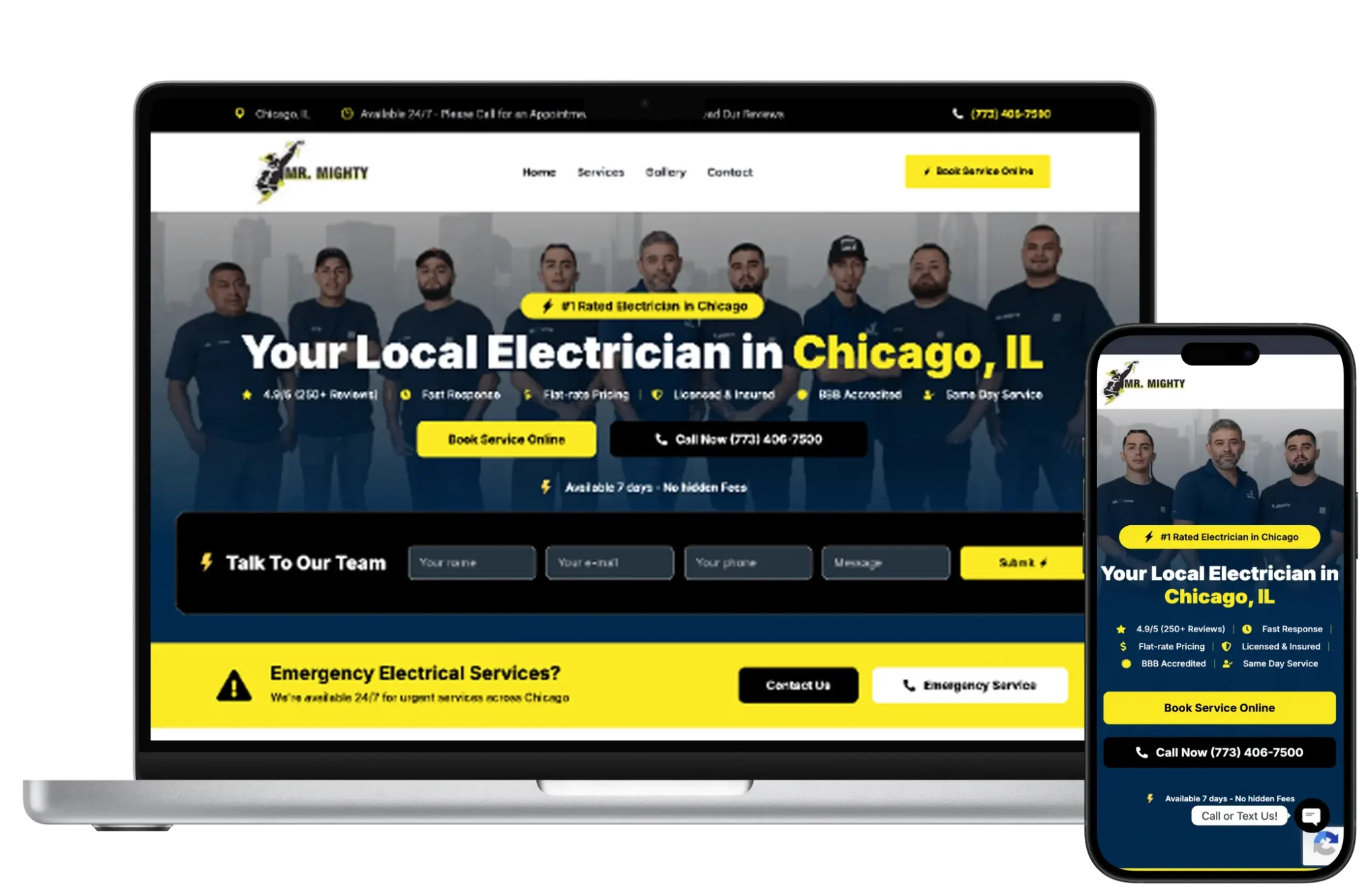

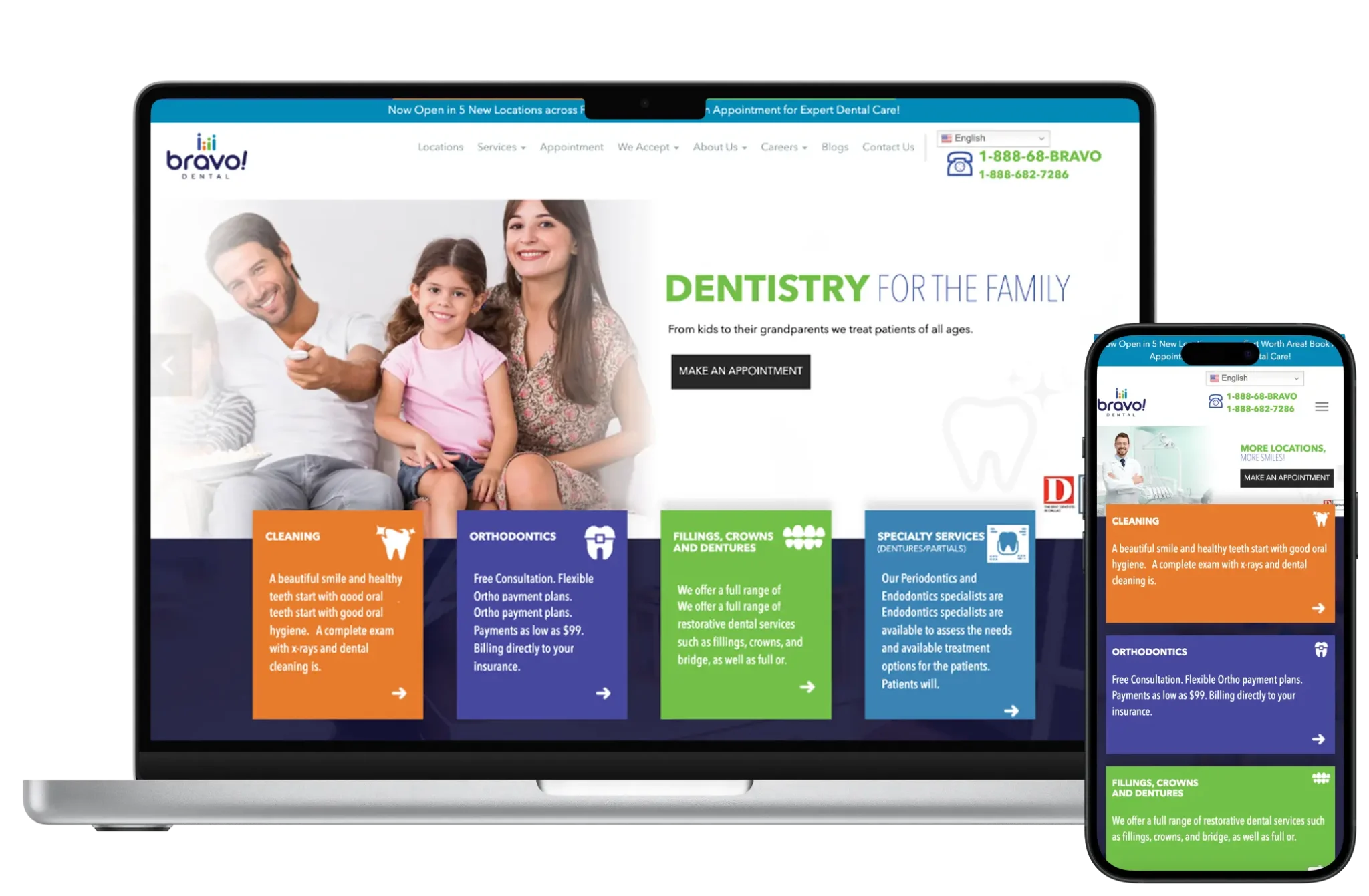
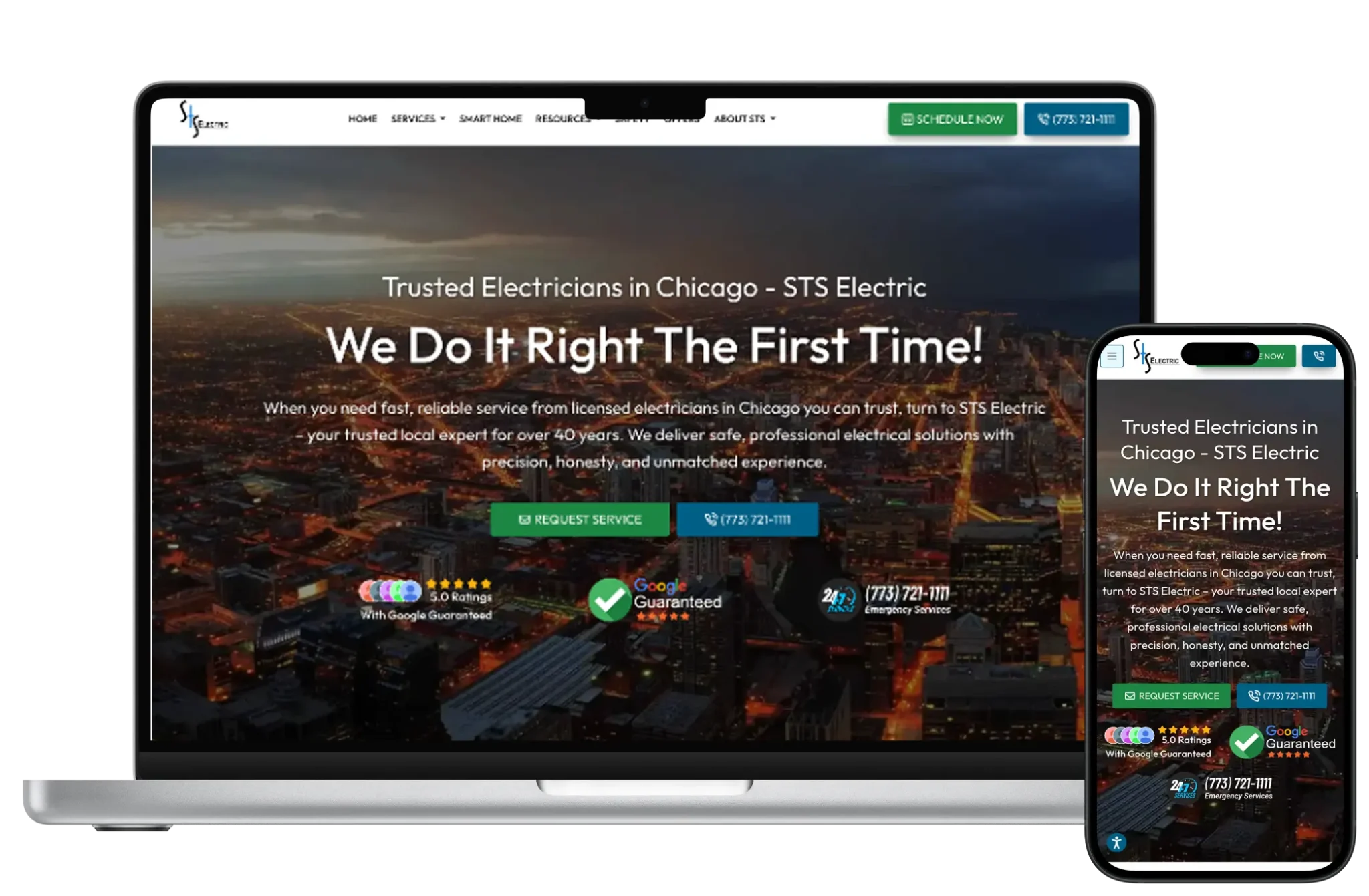
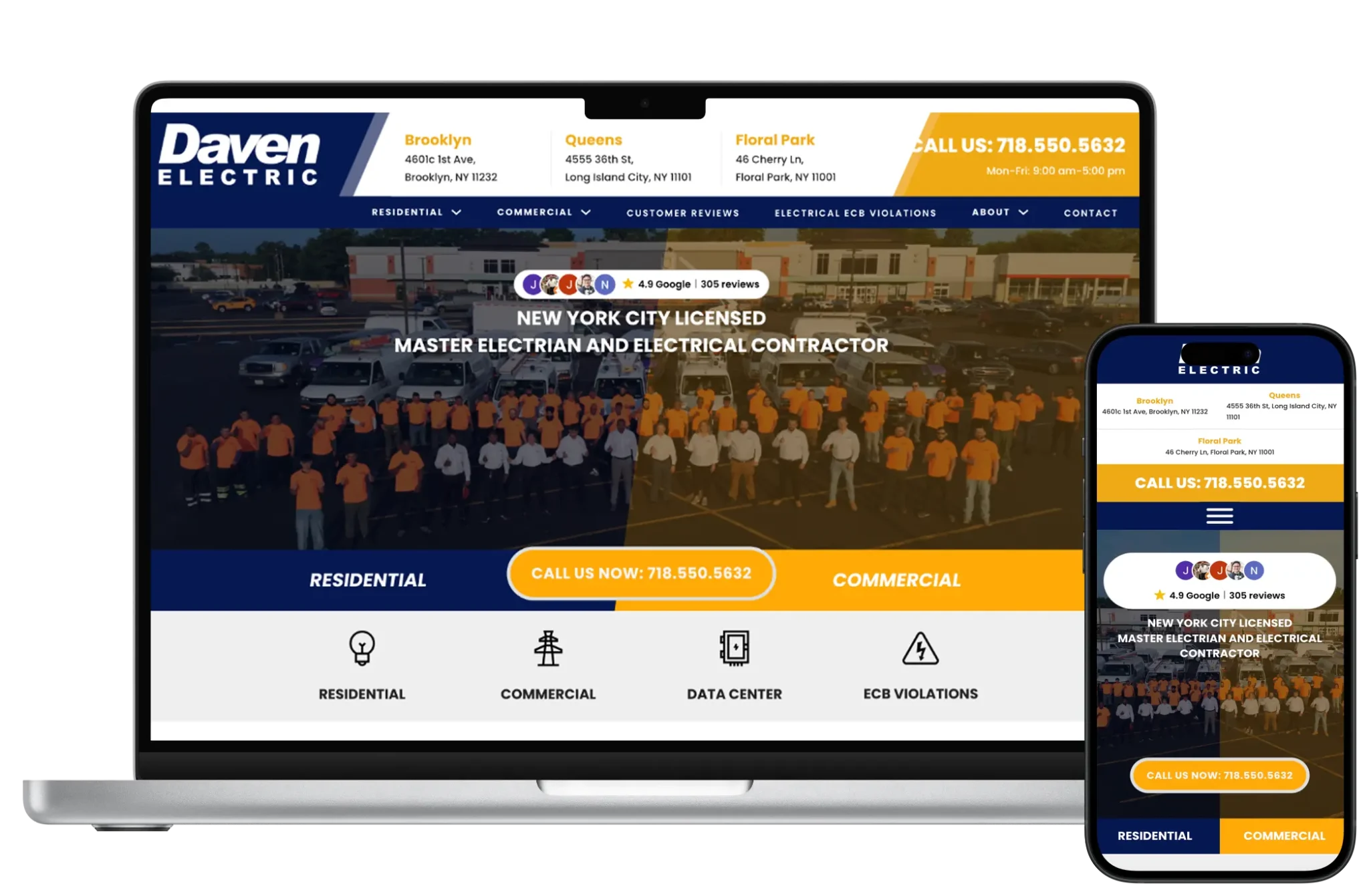

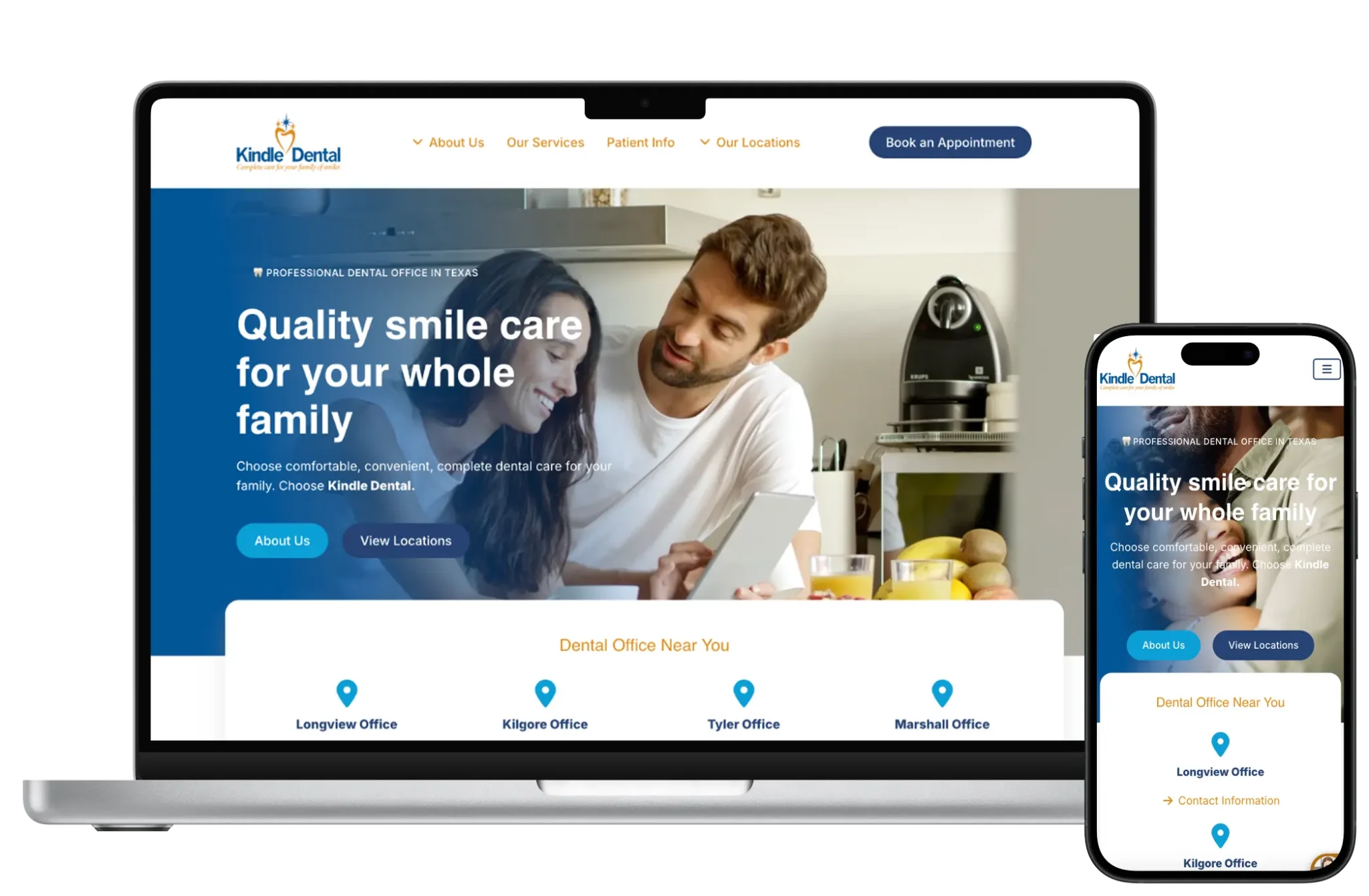

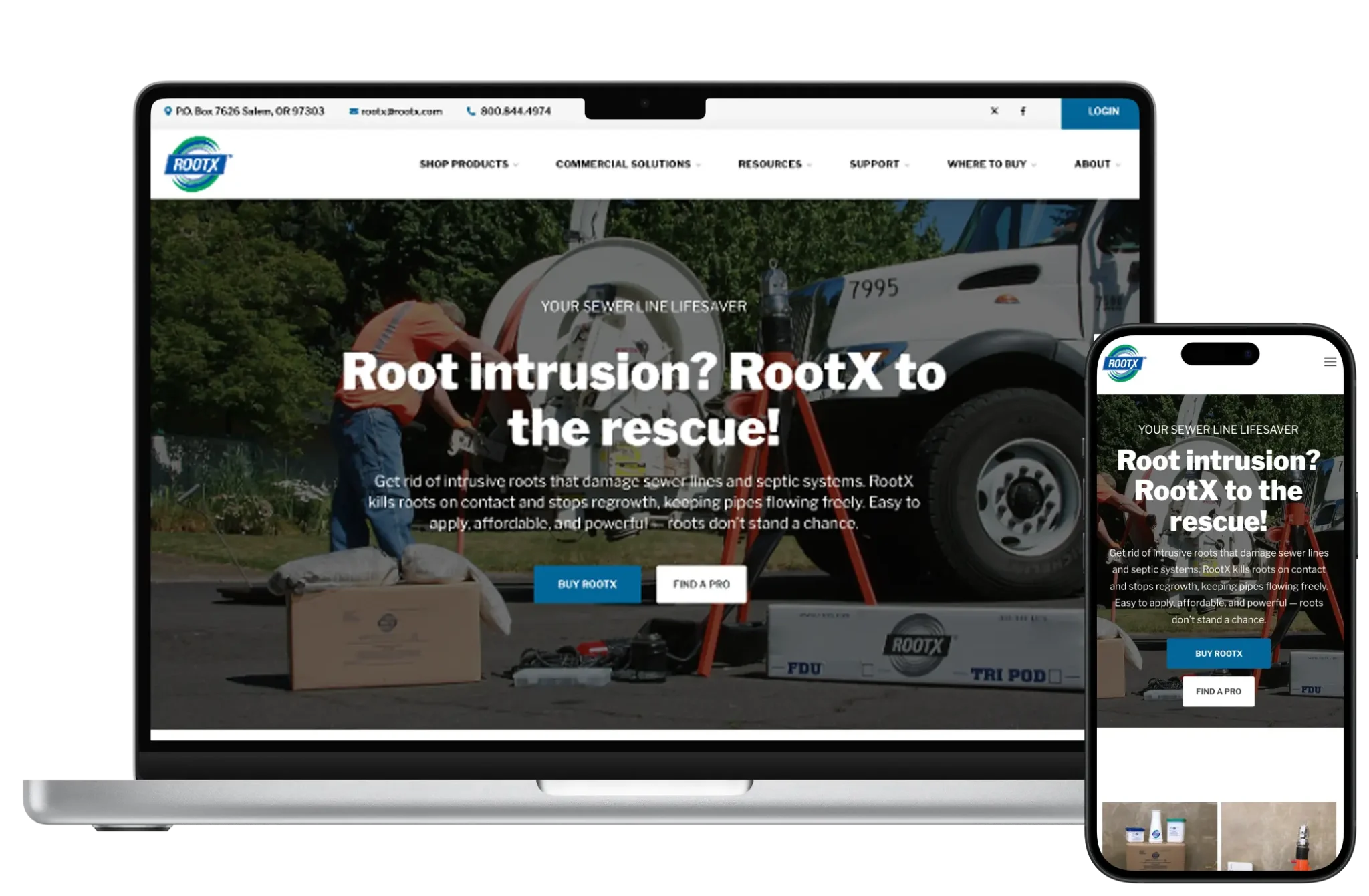


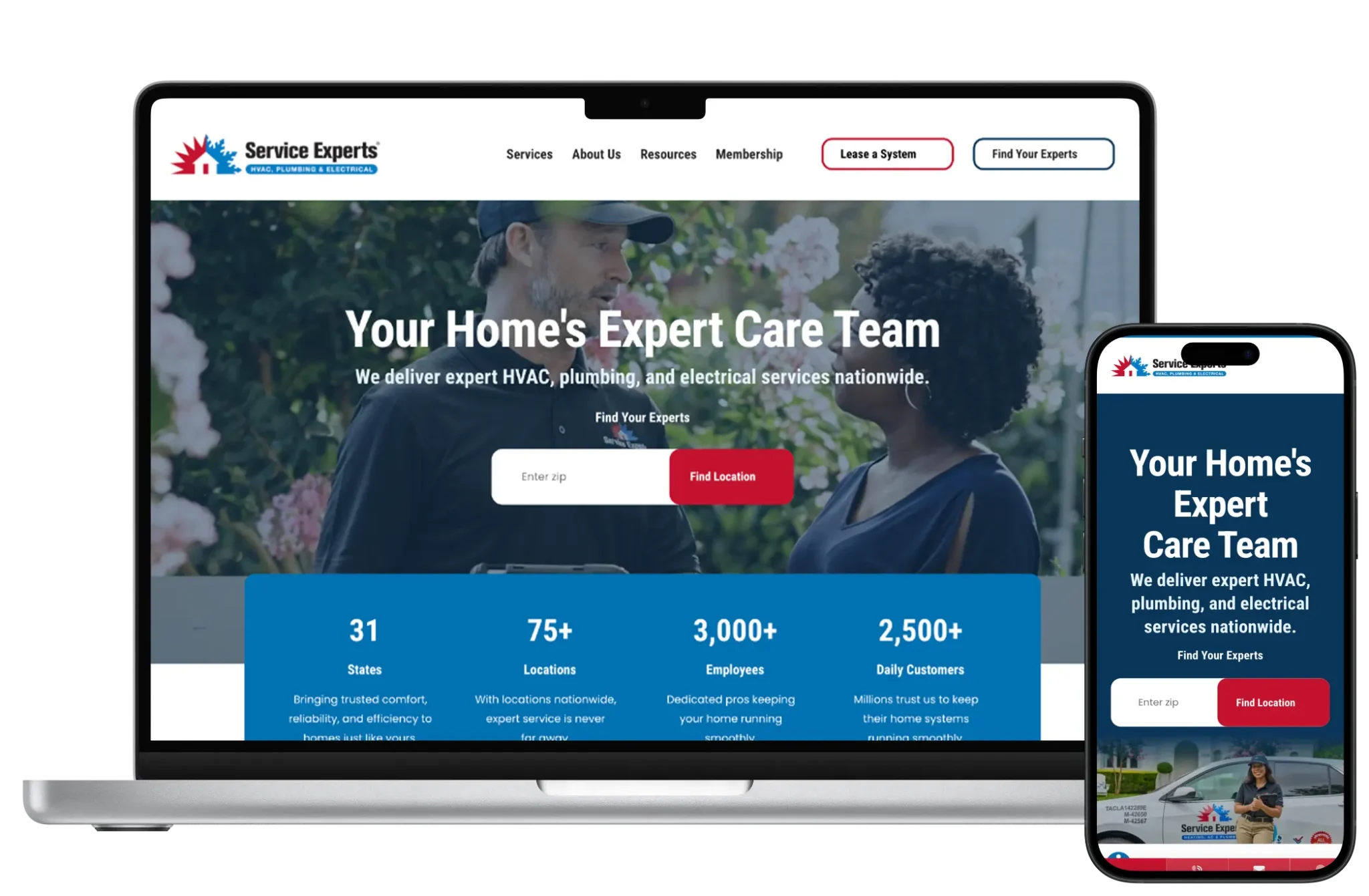
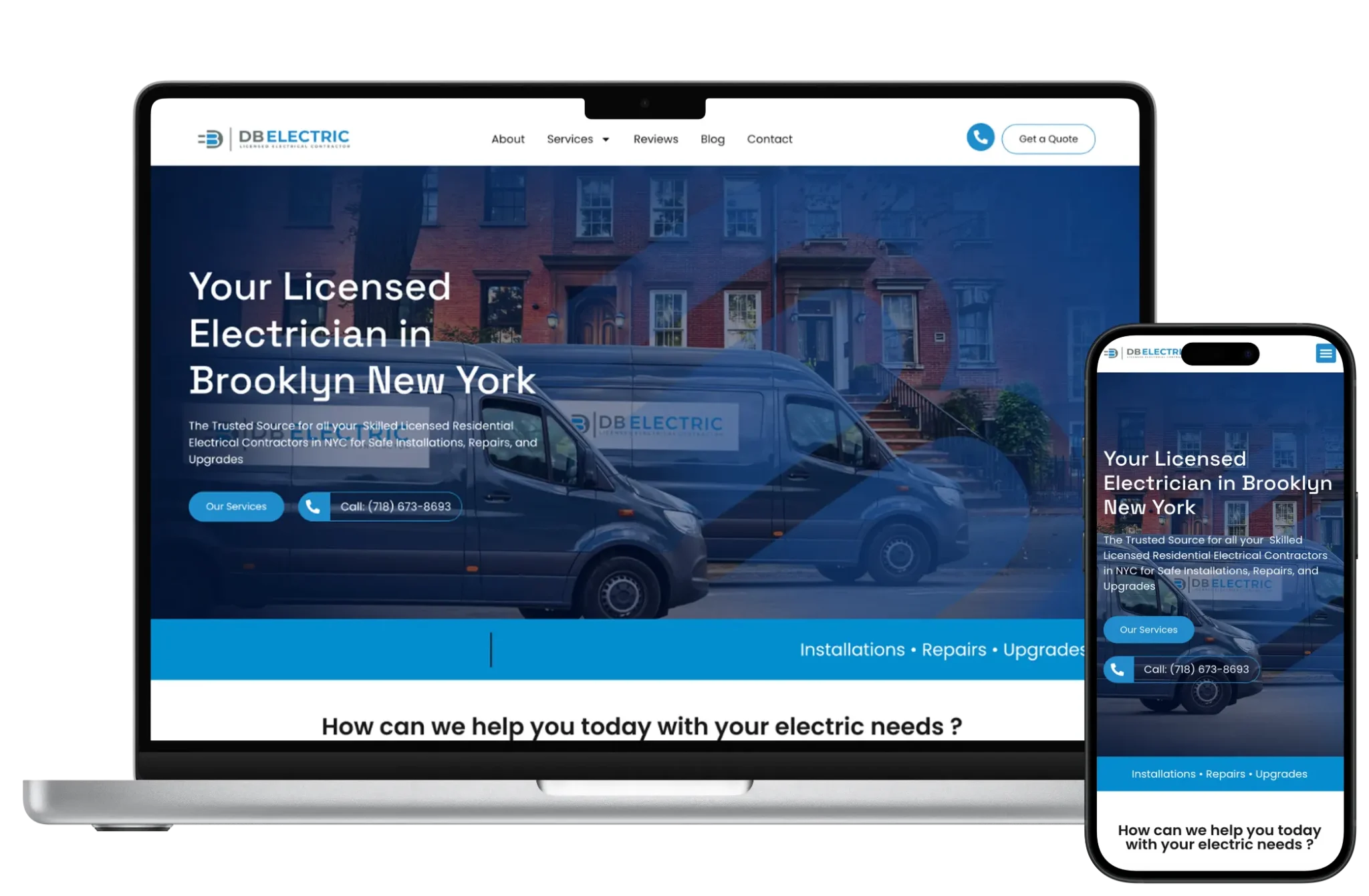

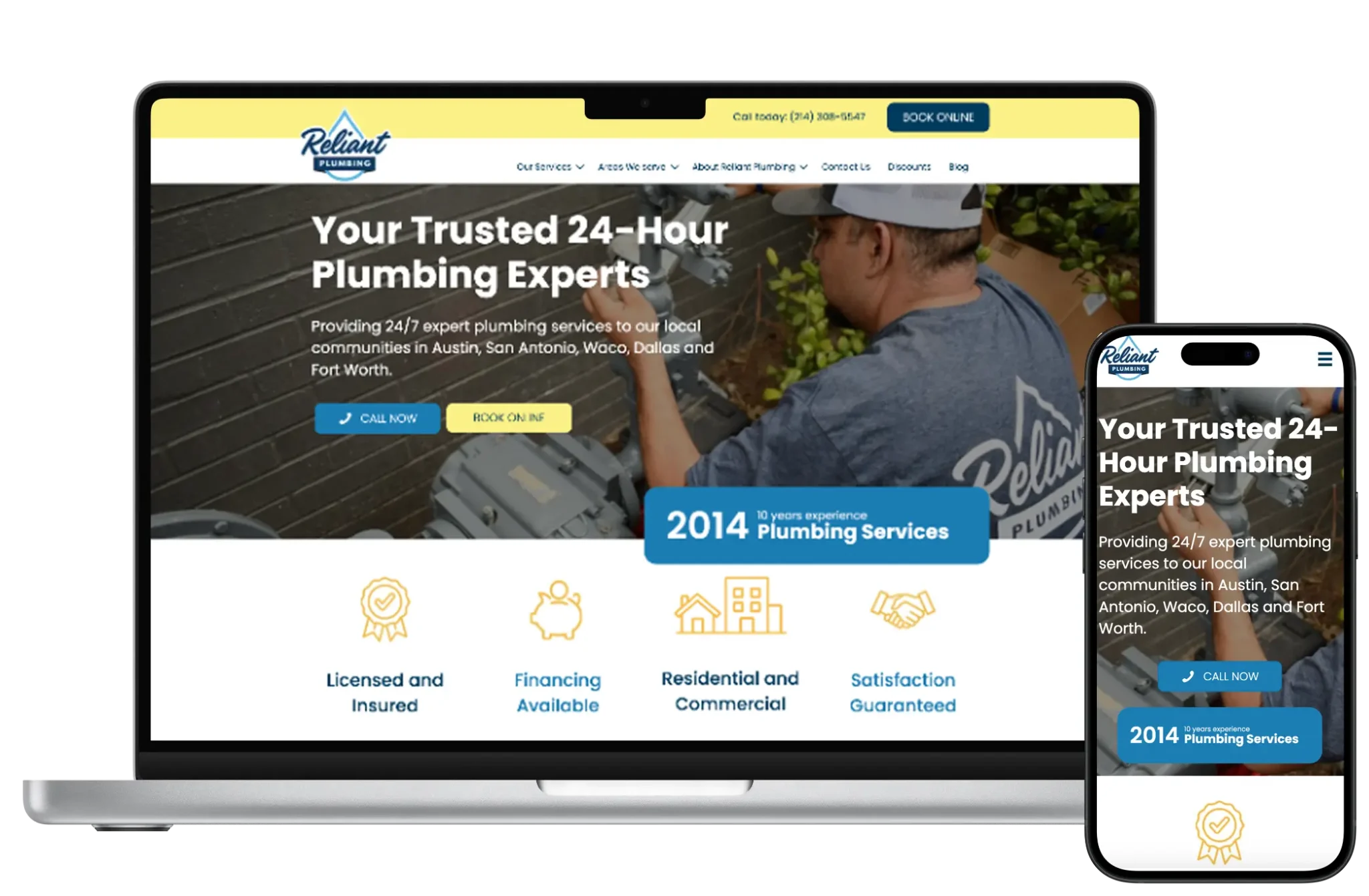
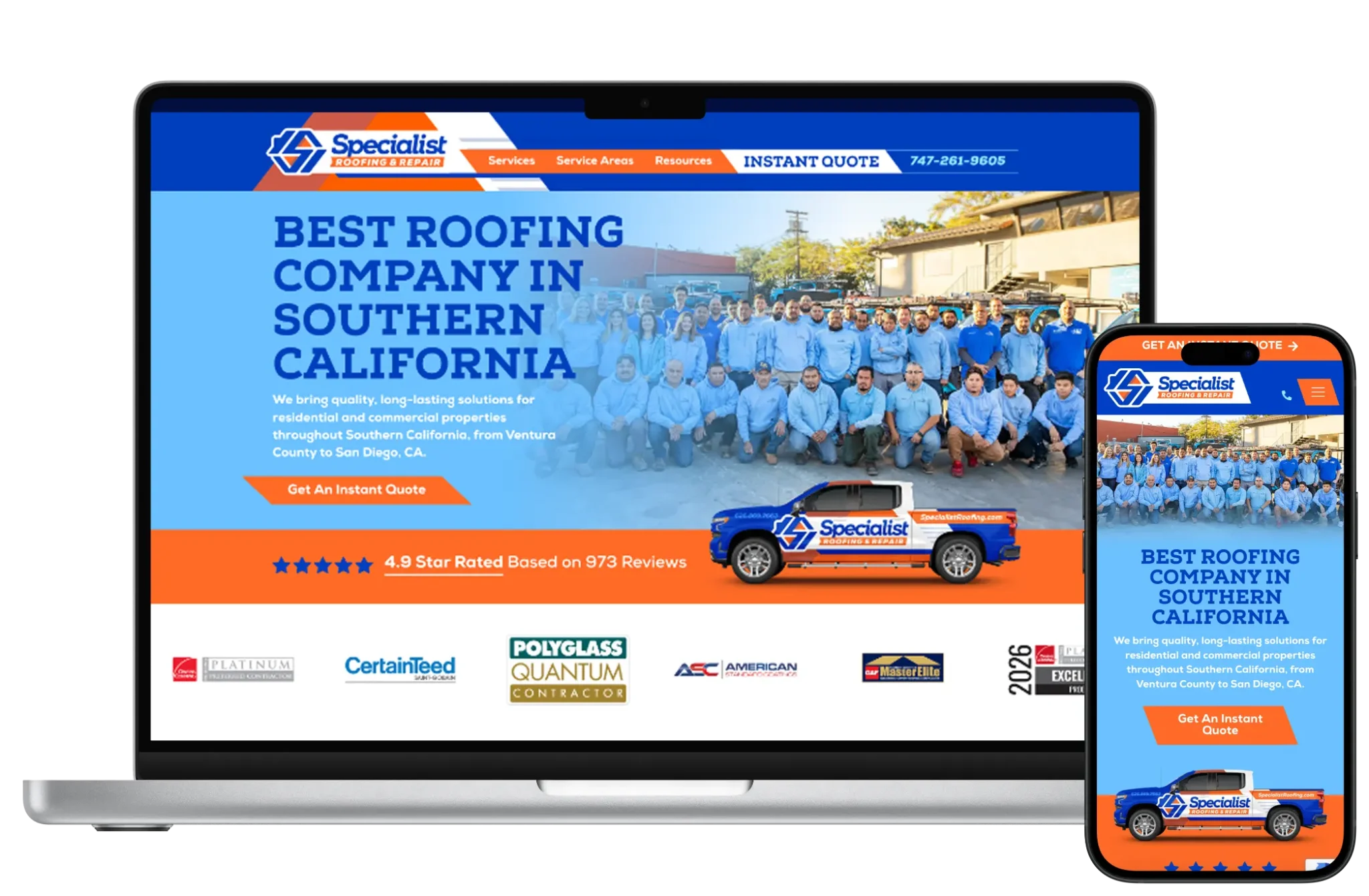

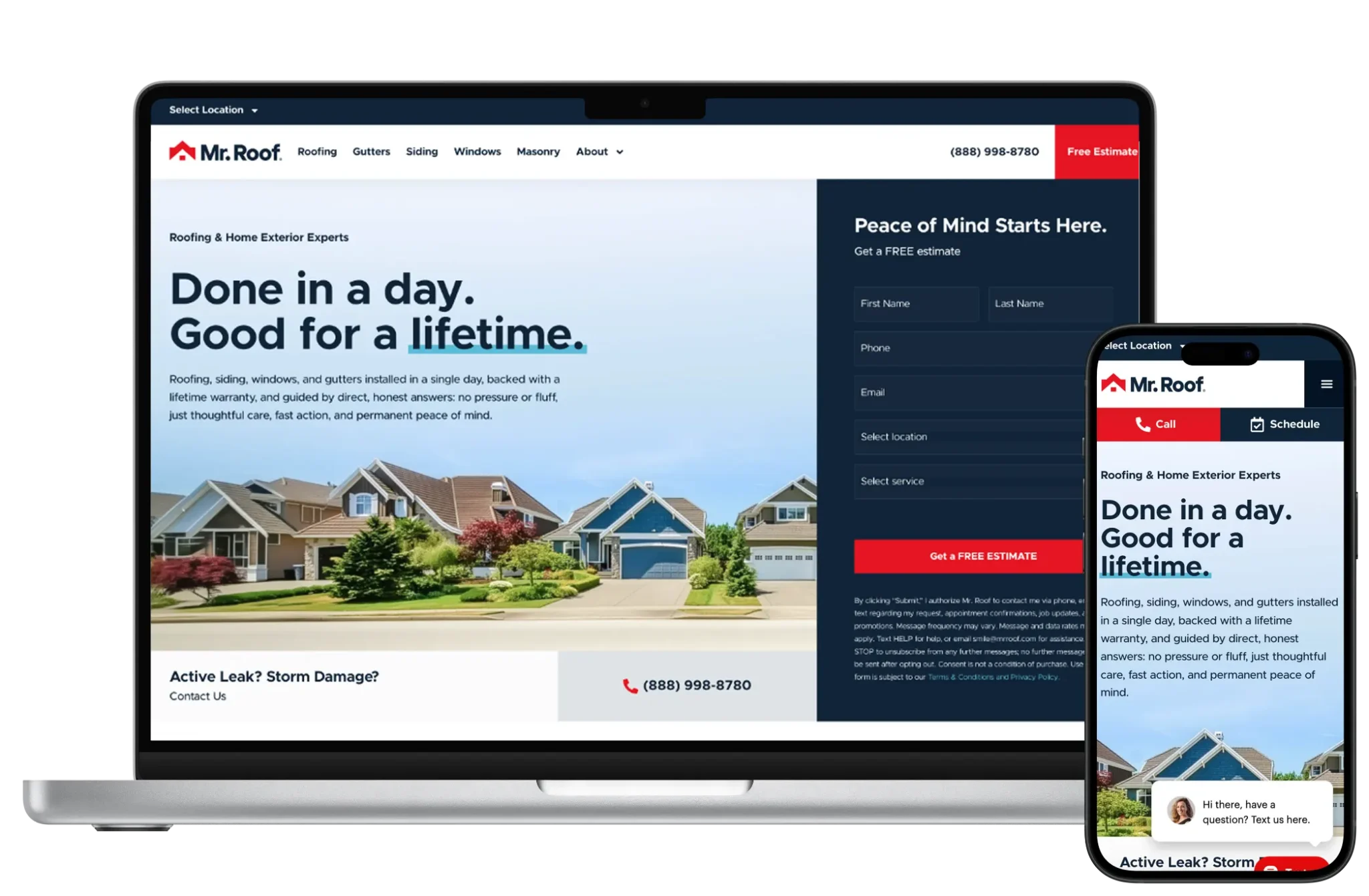




Design in Bricks emphasizes global classes, spacing scales, and reusable sections — closer to a design system than a pile of one-off pages. We keep heroes simple and conversion-clear.
Compared with Elementor, we often spend more time on structural consistency up front so performance wins are not erased by chaotic nesting later.

Builds include template hierarchy, dynamic tags, custom code sparingly, and integration with ACF or native fields as needed. Staging is mandatory for Bricks/WordPress updates.
We document how to edit safely so the site does not require a developer for every headline change — without opening unrestricted canvas chaos.
Bricks supports SEO when templates keep content crawlable and heading order logical. We wire metadata via standard WordPress SEO tooling.
Performance improvements from leaner output can support better UX; they do not guarantee rankings. Content and IA still do the heavy lifting.

Maintenance covers Bricks and WordPress updates, template QA, and new pages from the component library. We prune unused classes and experimental sections.
Monthly SEO and CRO tweaks happen inside the same governed system.

Yearly plans that include design, development, maintenance and SEO foundations — without a large upfront project fee.
For small businesses that need a professional site without a large upfront build.
Best for local and service businesses ready to generate more leads every month.
For growing brands that need ongoing development, SEO and conversion work.
Large sites, complex integrations, multi-location brands and custom applications.
Bricks license fees and WordPress hosting are separate vendor costs from the 66sites subscription.
Our plans cover design systems, builds, maintenance, and SEO. Rebuilds from heavy Elementor stacks usually include setup fees reflecting template migration effort.
Bricks rewards teams who care about front-end quality inside WordPress. Without an agency system, it becomes another ungoverned canvas.
66sites keeps the performance intent alive after launch — updates, new landers, and refusals of bloat — under subscription care.
Full notes for challenges, strategy and supporting pages — so the sections above stay scannable.
Bricks fits WordPress projects that care about Core Web Vitals, agencies rebuilding off heavy Elementor sites, and teams comfortable with a slightly steeper builder learning curve for cleaner results.
It is less ideal when stakeholders already standardized on Elementor and refuse to retrain, or when a pure Gutenberg block theme already meets needs without a third-party builder license.
Same WordPress baseline: patching, least privilege, backups, monitoring. Keep Bricks licensed and updated; avoid random third-party Bricks add-on packs.
Bricks’ advantage appears when global styles replace widget soup and when images/scripts stay disciplined. It is not automatic — you can still ship a slow Bricks site.
We compare key templates against Elementor-era baselines during rebuilds so stakeholders see the trade-off in practice, not as ideology.
Migrating from Elementor to Bricks is a redesign of components with URL continuity on WordPress. Migrating from classic themes is often cleaner than converting messy builder pages automatically.
Leaving Bricks for Gutenberg-only or custom themes is planned as a template rebuild when requirements change.
Straight answers about scope, pricing, ownership and what a subscription includes for this page.
Often, when built cleanly — but results depend on templates, images, and scripts. We measure rather than assume.
Yes with training and locked components. Expect a learning curve if they only know Elementor widgets.
Gutenberg wins when native blocks suffice and you want fewer third-party dependencies. Bricks wins when you need richer visual layout control with leaner habits than Elementor.
Yes as deliberate rebuilds. Automatic converters rarely produce maintainable systems.
It can support strong technical foundations. SEO outcomes still depend on content and architecture — not the builder badge.
Bricks typically becomes the theme/builder layer. You still run WordPress core and choose hosting carefully.
We keep them minimal. Extra packs can reintroduce the bloat you left Elementor to escape.
Updates with QA, component-based page builds, performance care, and SEO iteration under your plan.
Bricks design systems with performance intent and monthly update care.