

Problems this service solves
Homepages that look polished but never clarify the offer, audience or next step.Inconsistent brand presentation across service pages, blogs and…
Read more →Website Design Agency
Website design at 66sites is the craft of deciding what visitors see, feel and do — not writing production code. We shape information architecture, visual hierarchy, typography, interaction patterns…
Website design at 66sites is the craft of deciding what visitors see, feel and do — not writing production code. We shape information architecture, visual hierarchy, typography, interaction patterns and conversion paths so your offer is unmistakable within seconds of landing.
Most business sites fail visually because they inherit a generic theme and then try to force a unique value proposition into borrowed layouts. Our design work starts from your services, audiences and proof points, then builds a system editors and developers can implement without inventing new patterns every week.
Design is delivered inside the 66sites subscription model: you get a coherent design system plus ongoing UX iteration as offers, campaigns and SEO pages evolve — instead of a one-time mockup that ages the day after launch.
Practical website, conversion and SEO work tailored to how your buyers actually decide.
Homepages that look polished but never clarify the offer, audience or next step.Inconsistent brand presentation across service pages, blogs and…
Read more →
We design around jobs-to-be-done: what a first-time visitor must understand, trust and do. Wireframes come before polish so hierarchy, CTAs and…
Read more →
Discovery & IA workshopAudience, offer map, competitive visual scan and proposed site map before pixels are painted.Wireframes for key…
Read more →A look at website designs and layouts we build for service businesses — mockups and project types, not fabricated client claims.
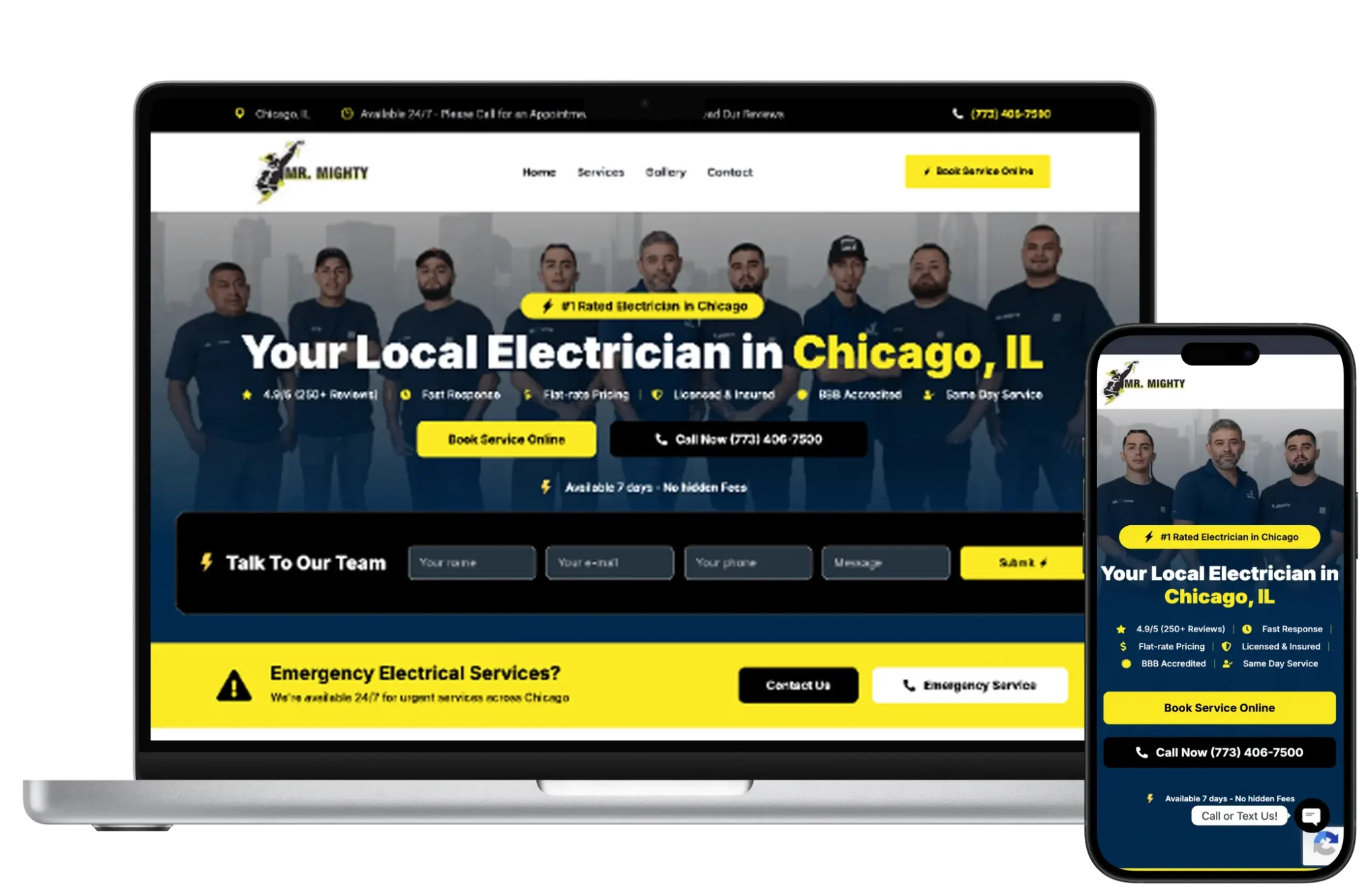
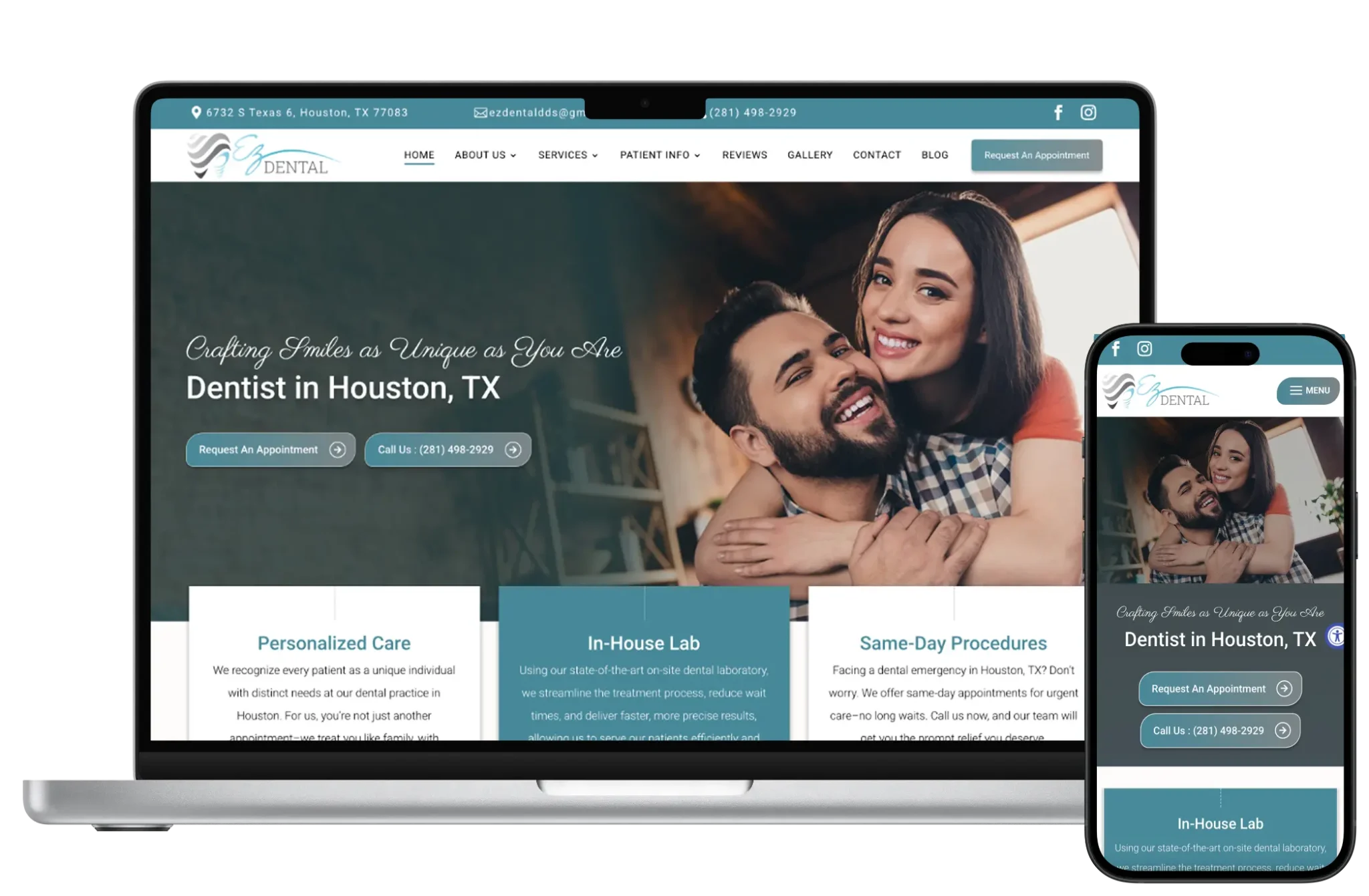
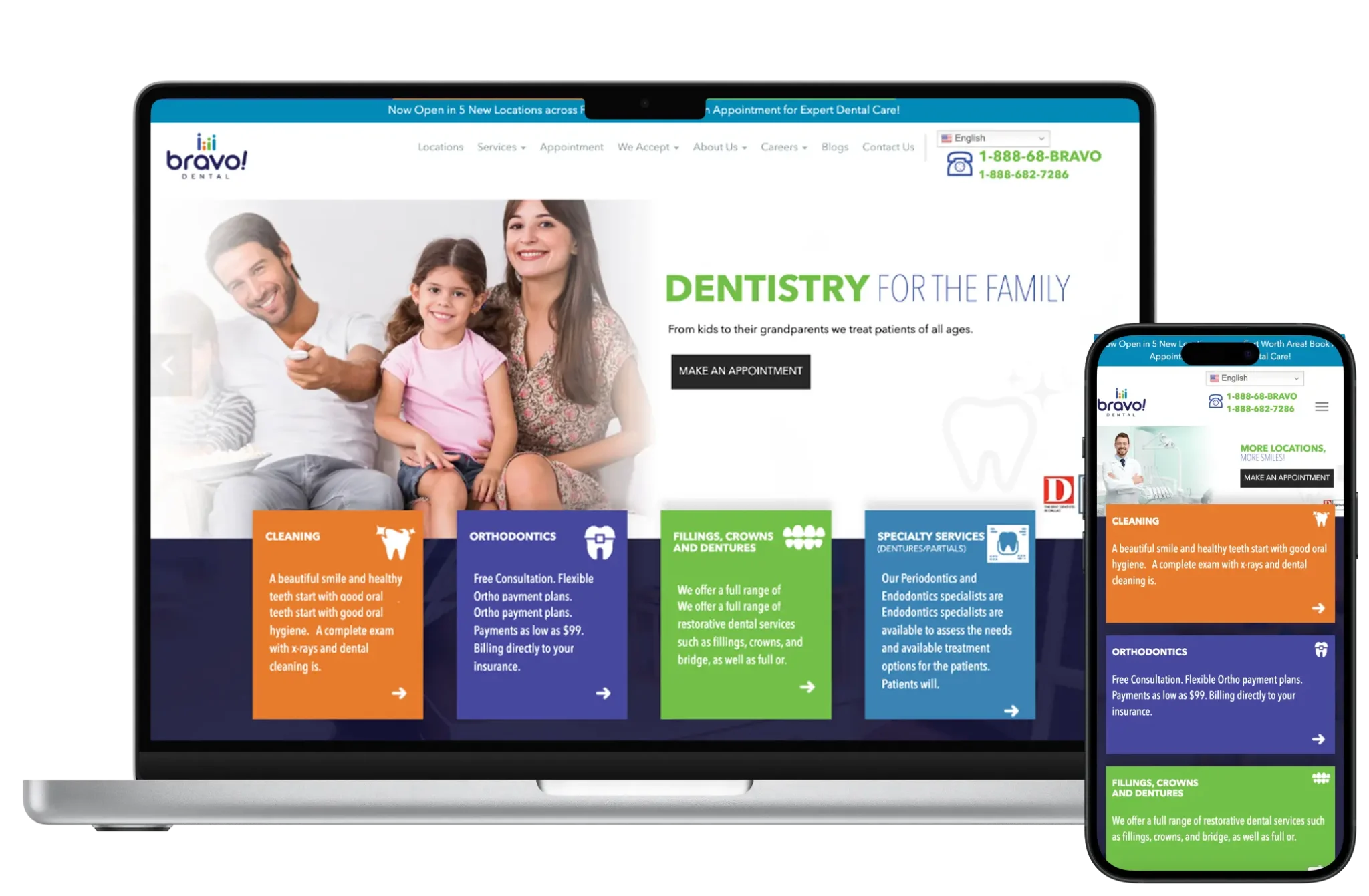
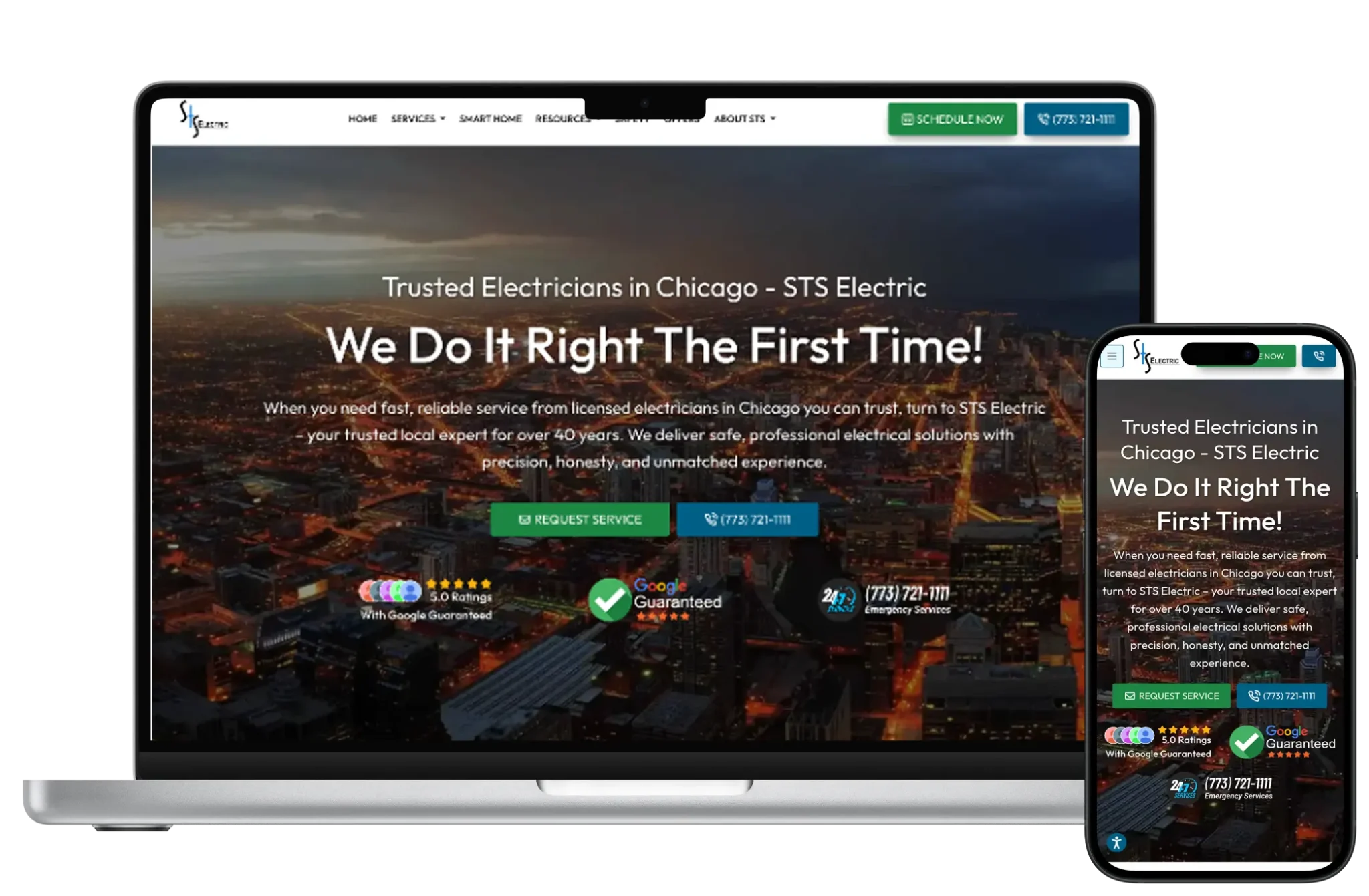
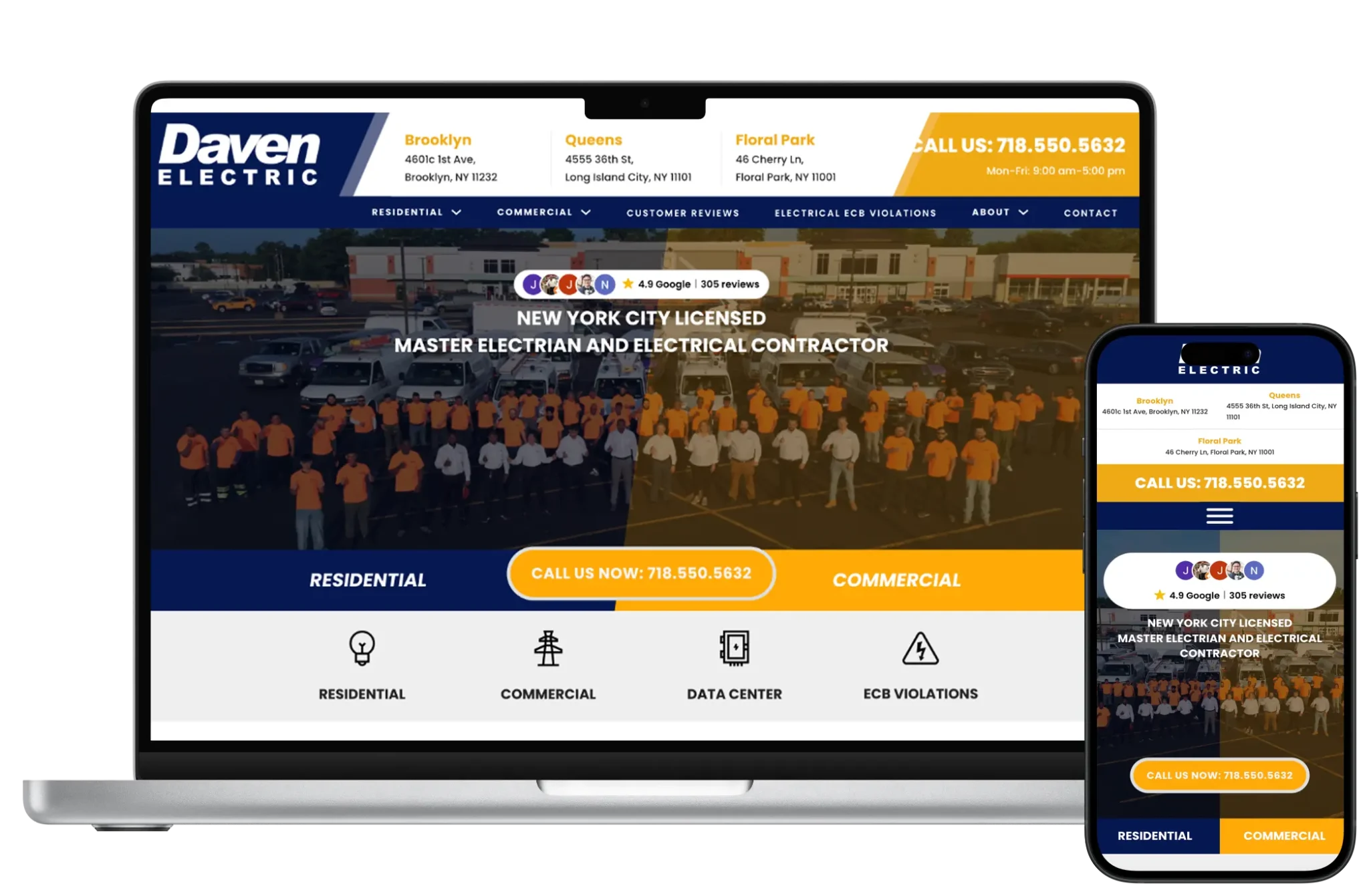
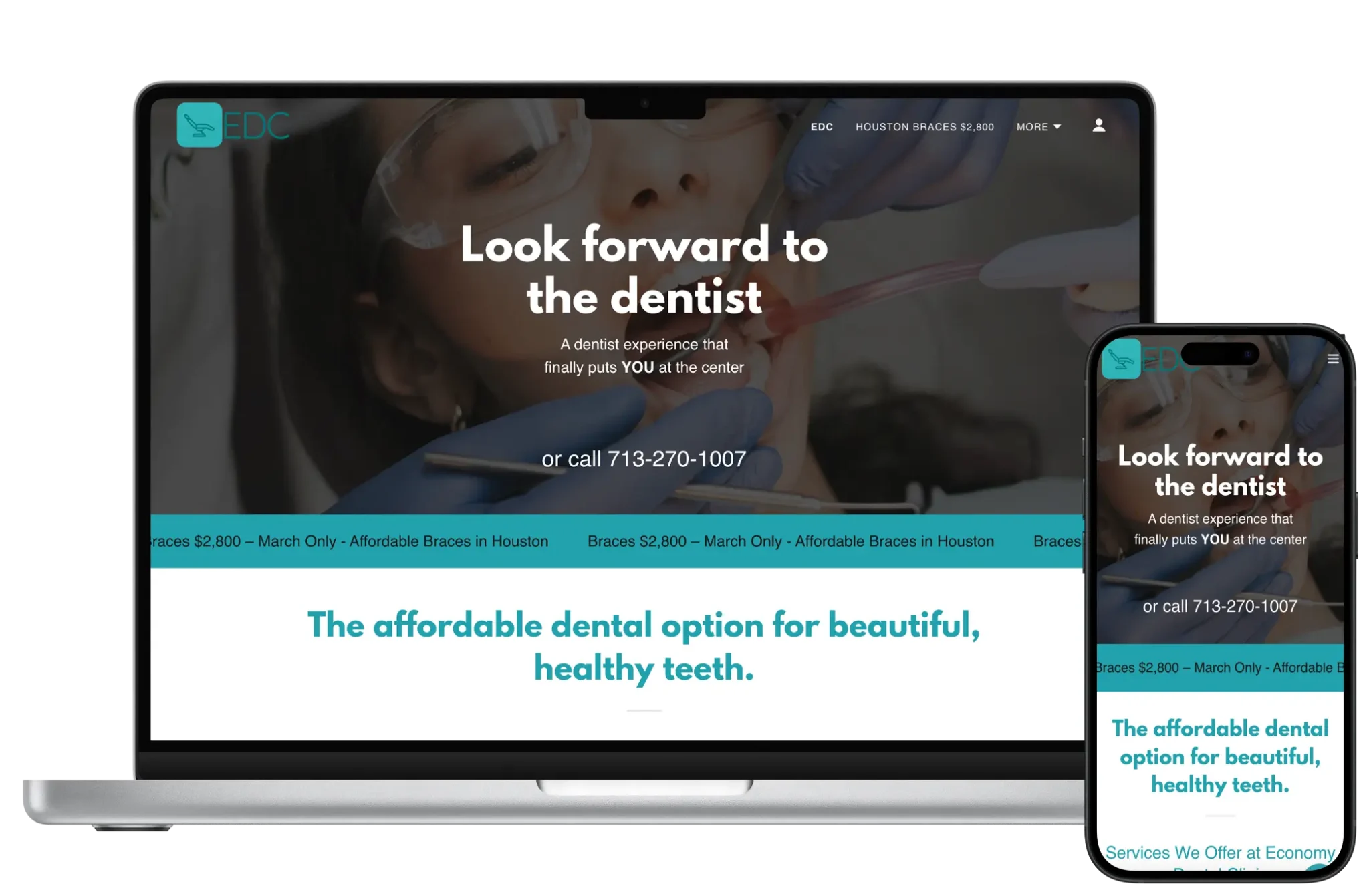
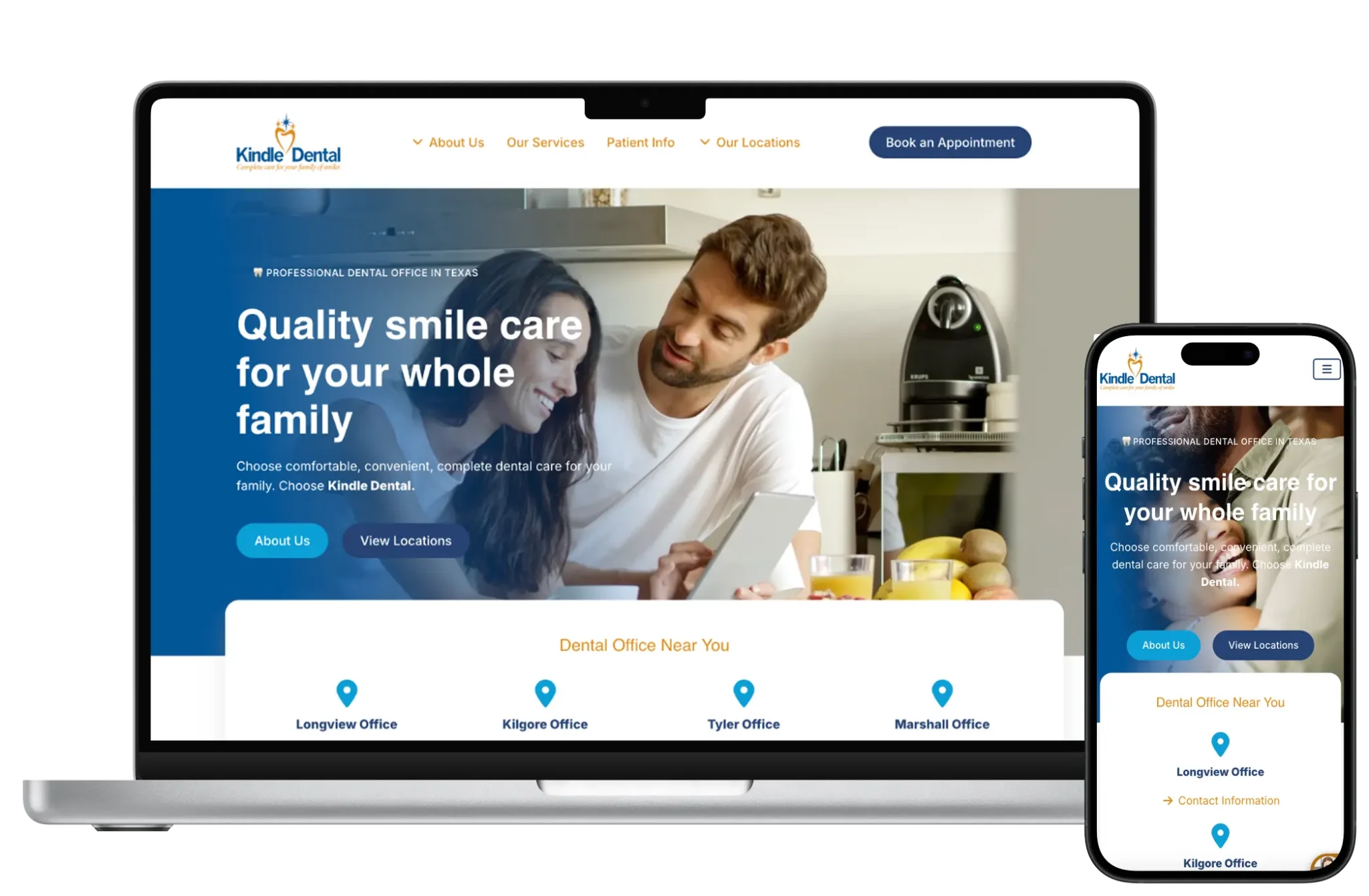

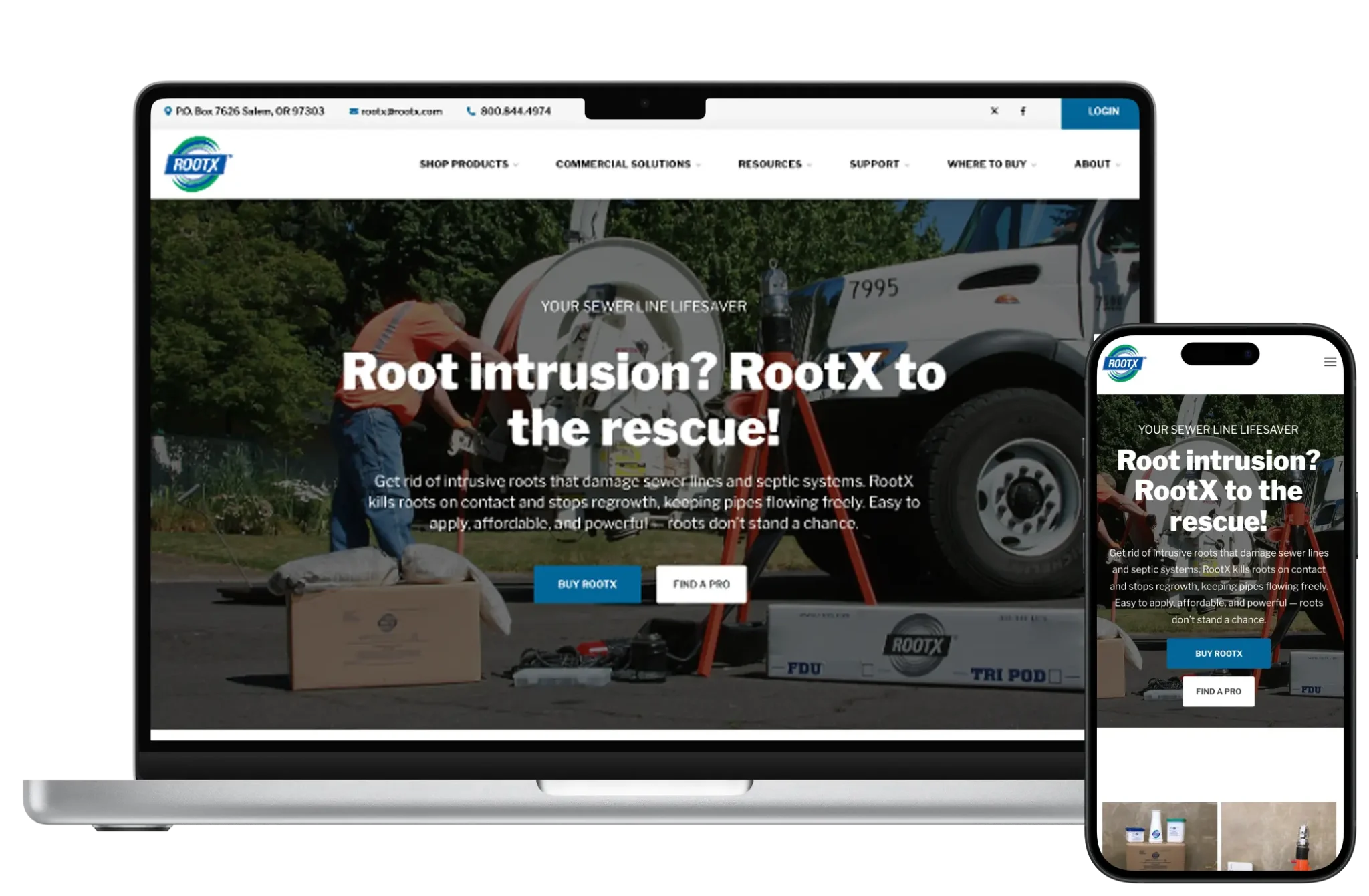
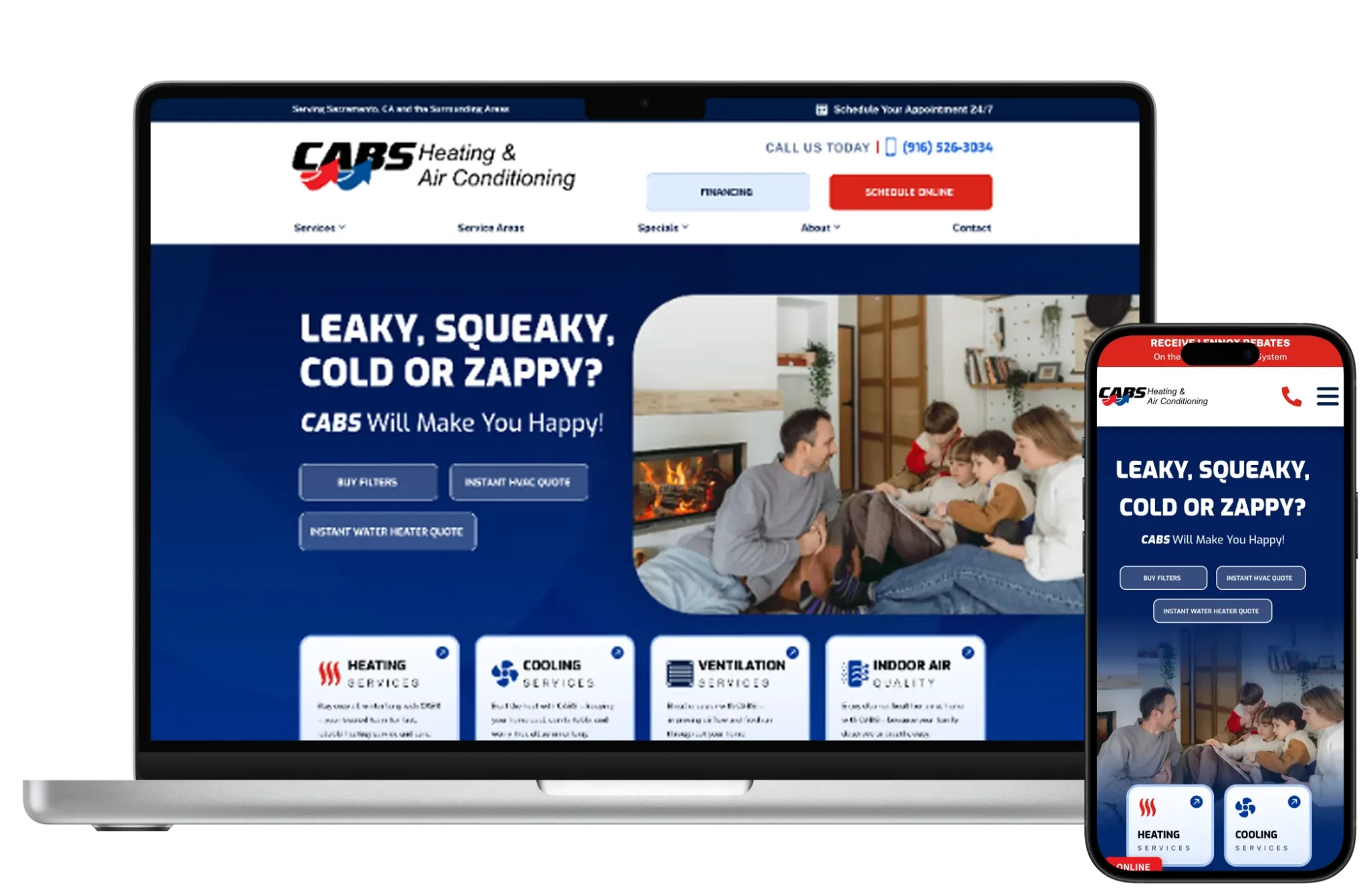
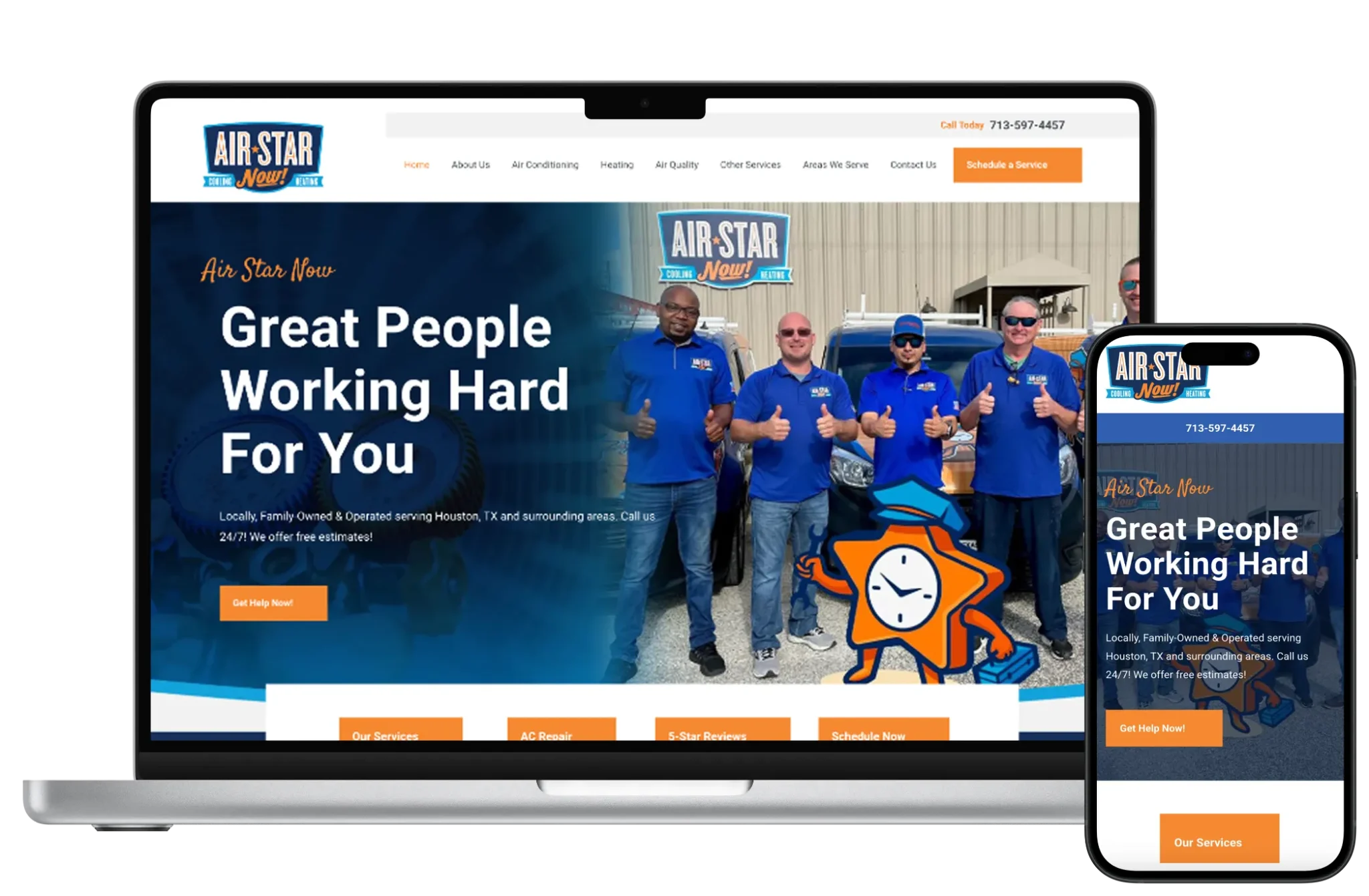
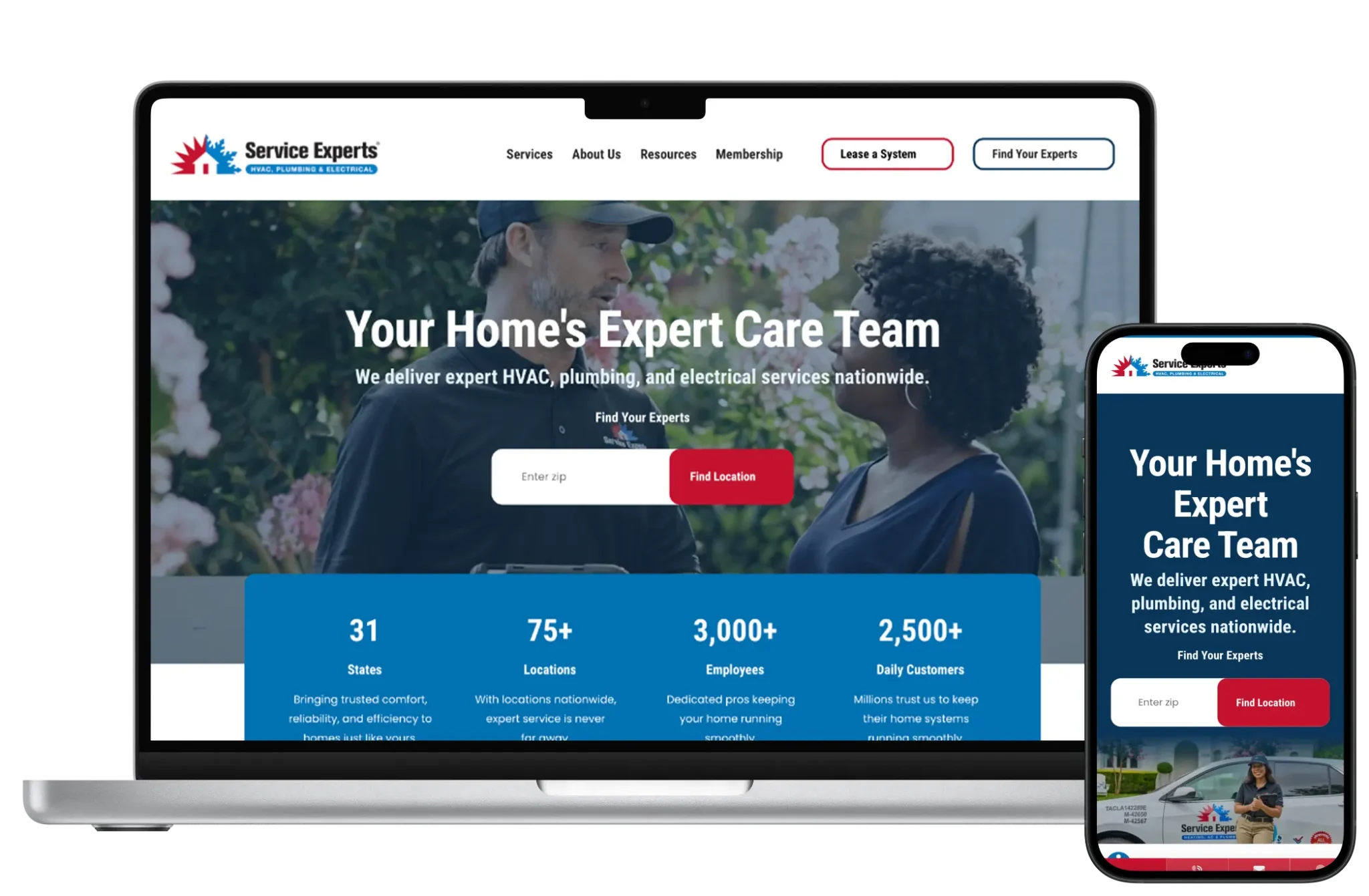
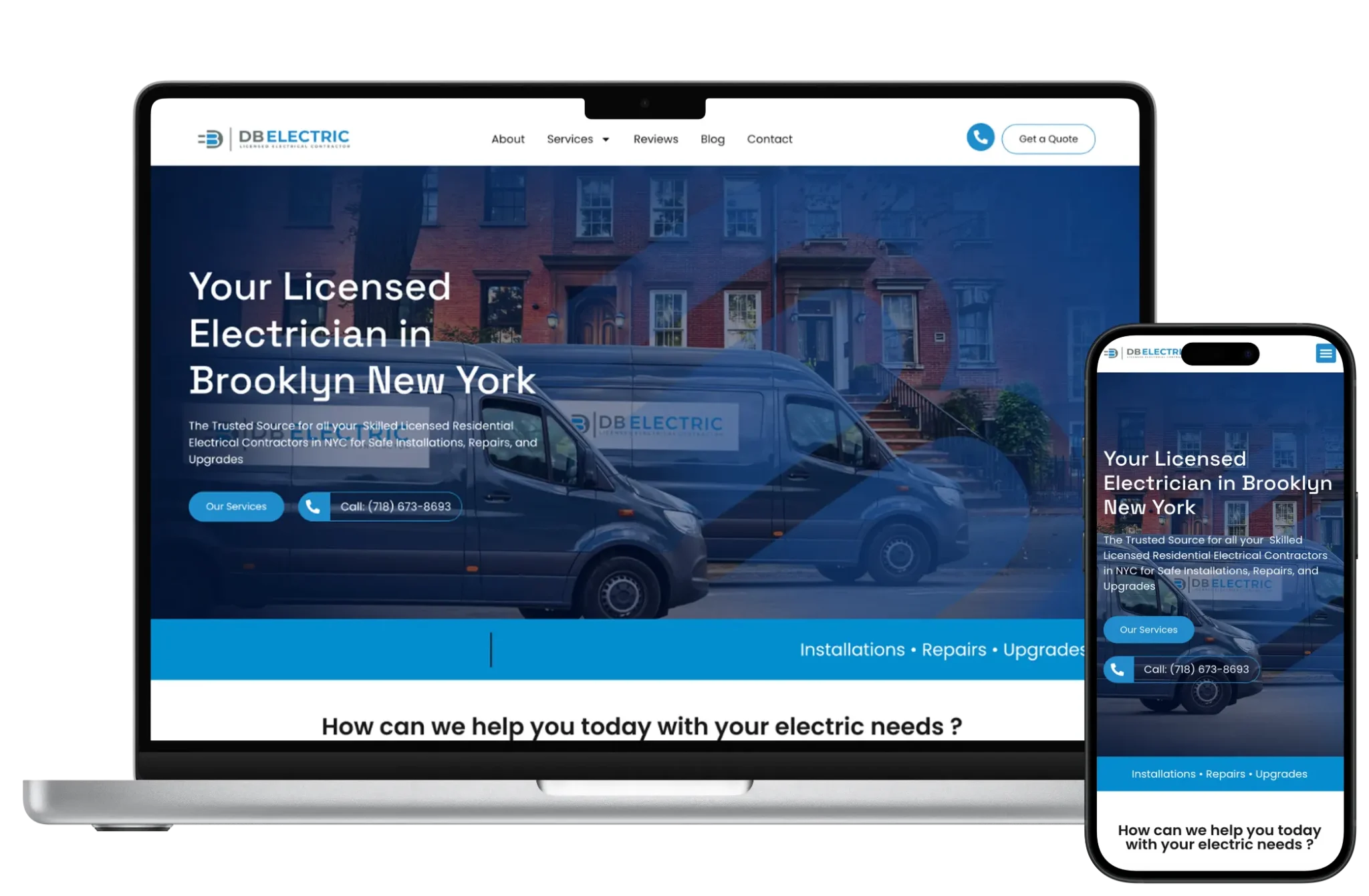
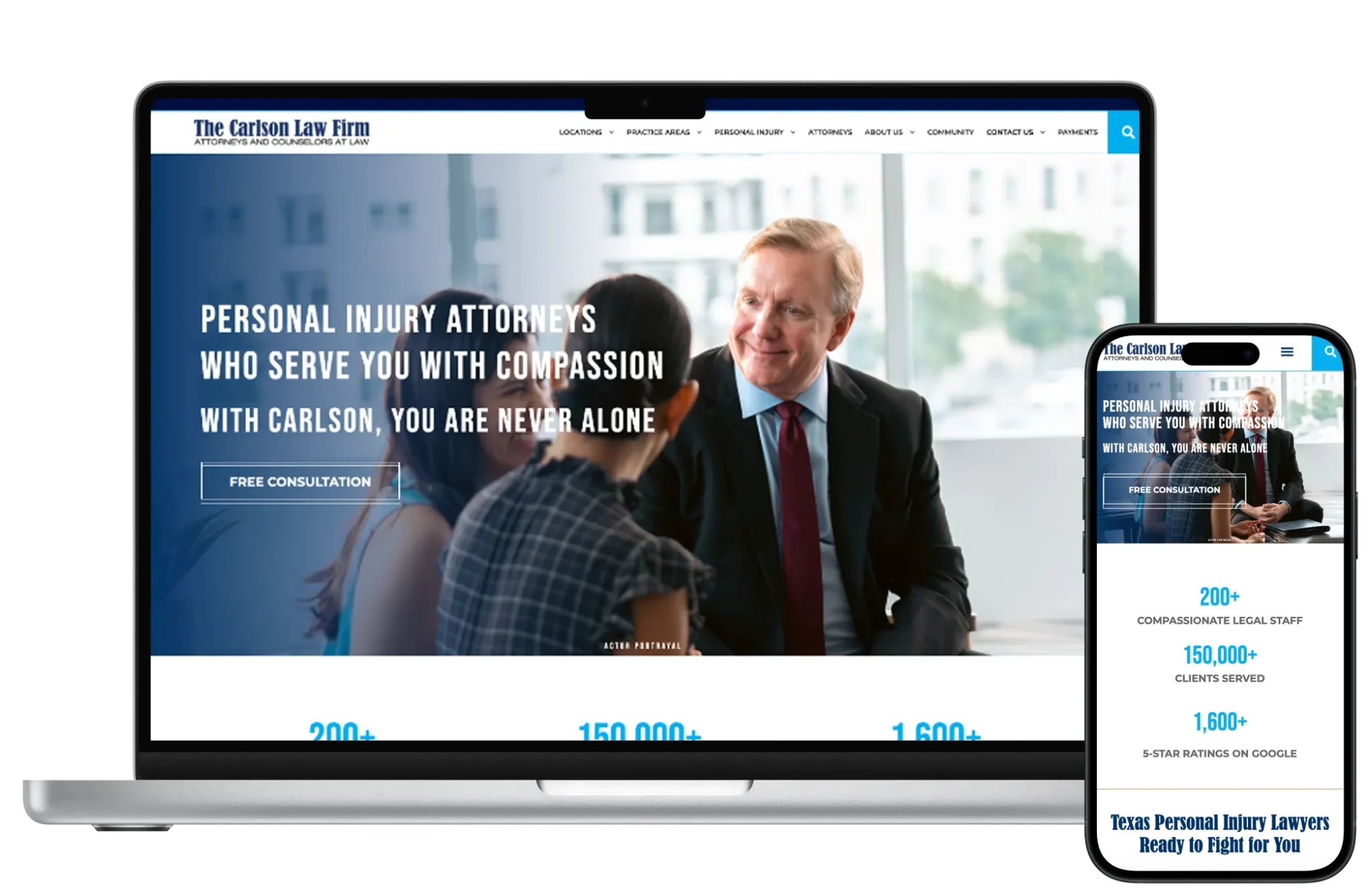
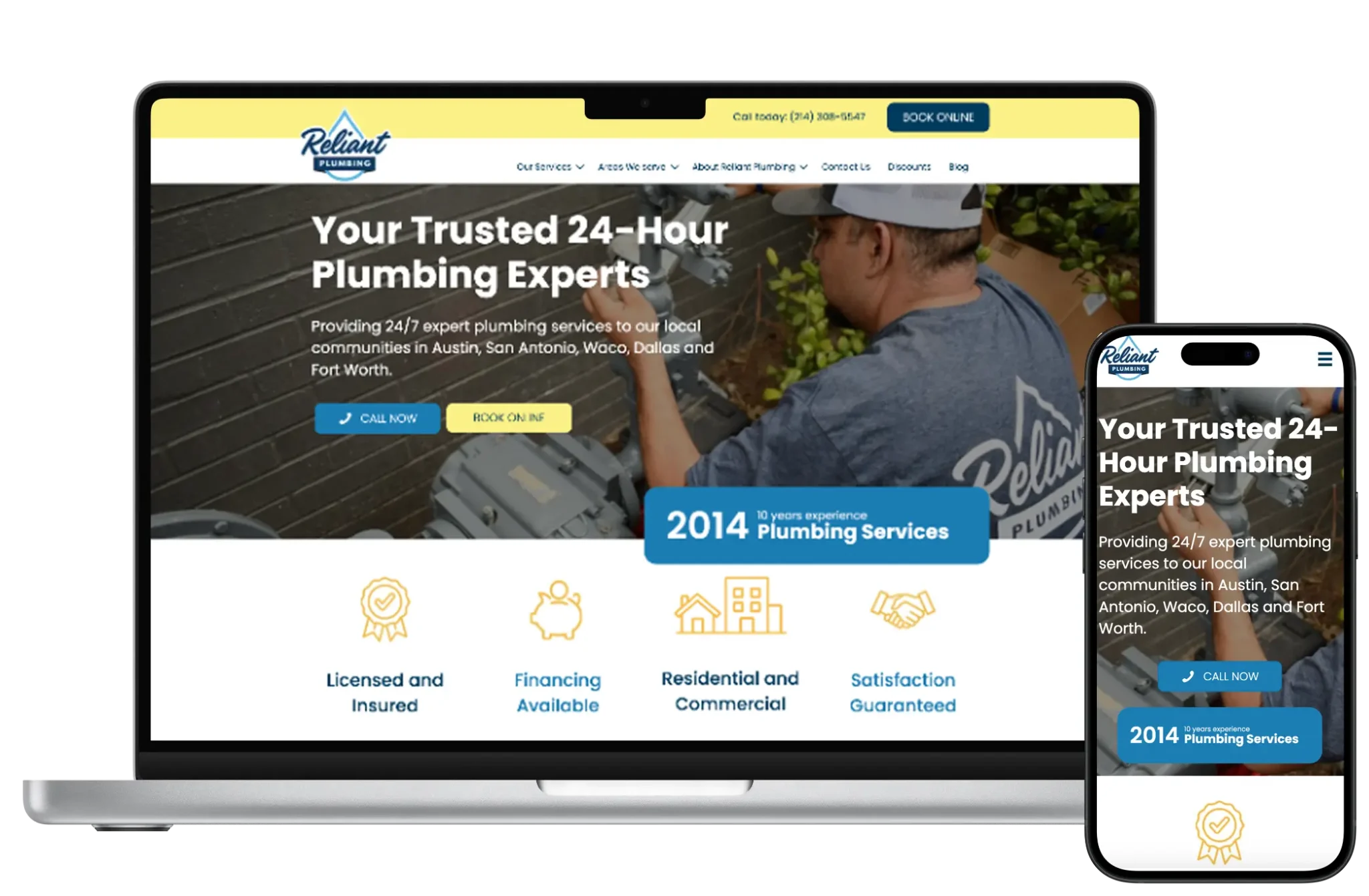
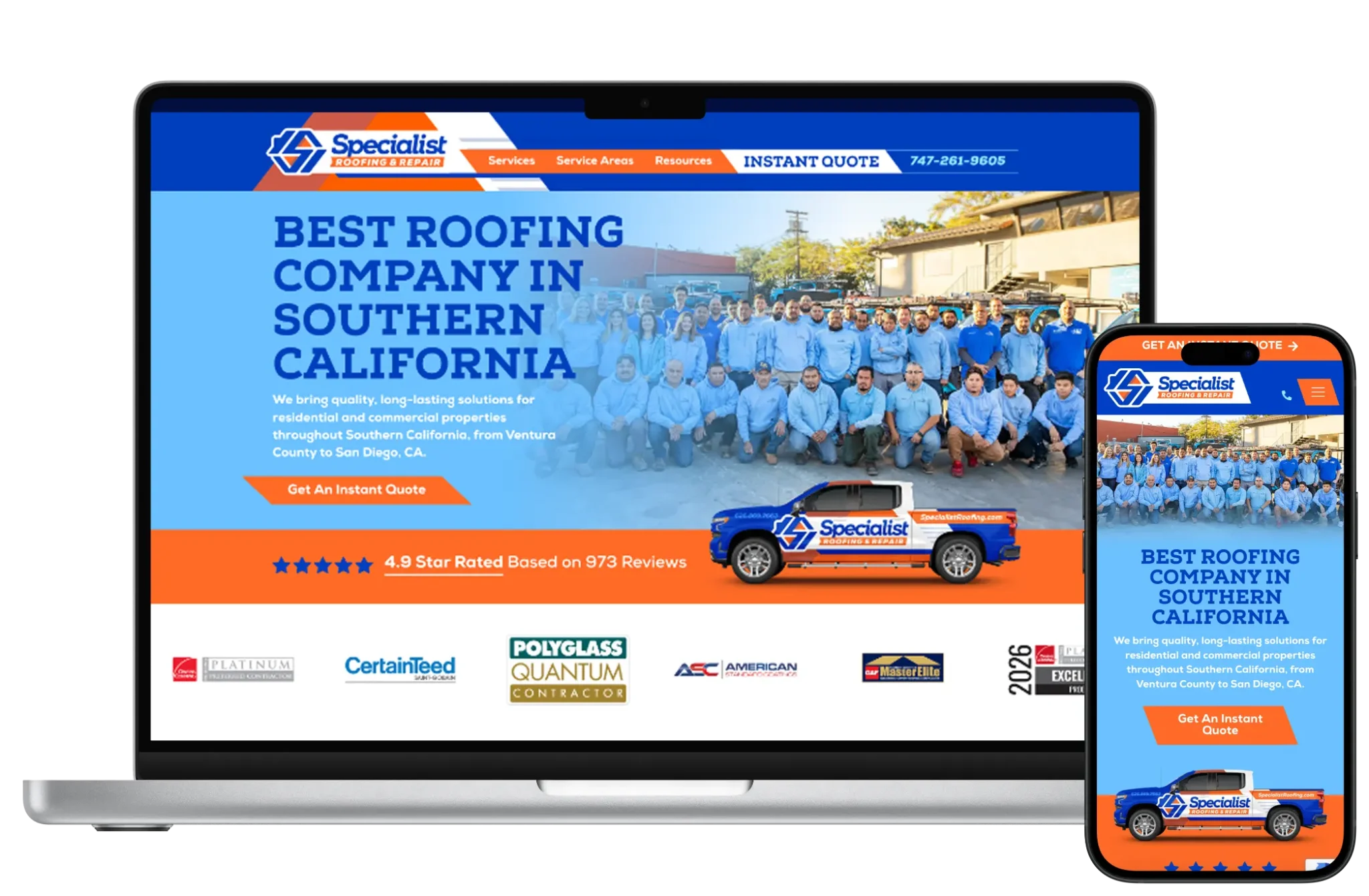
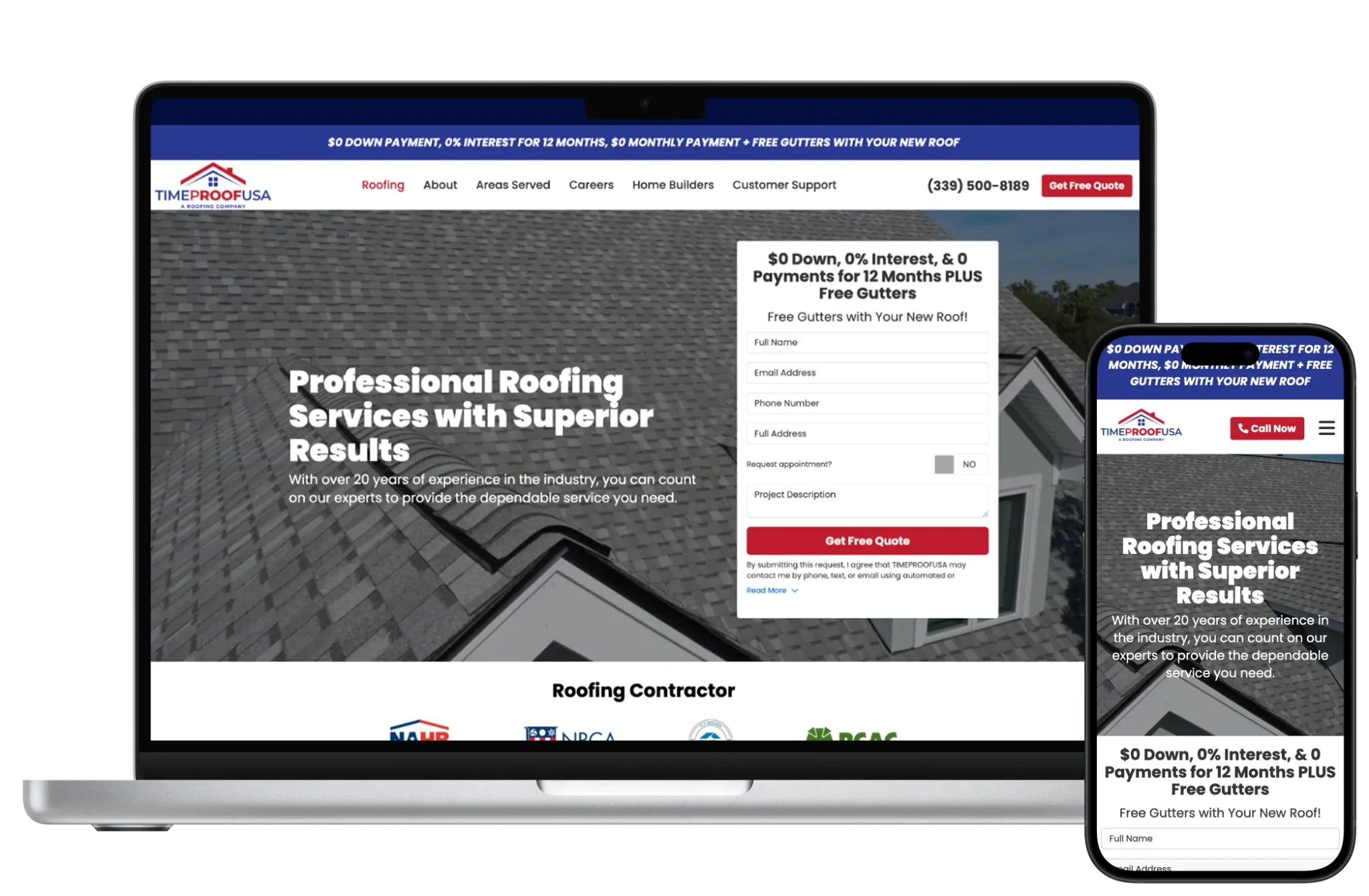
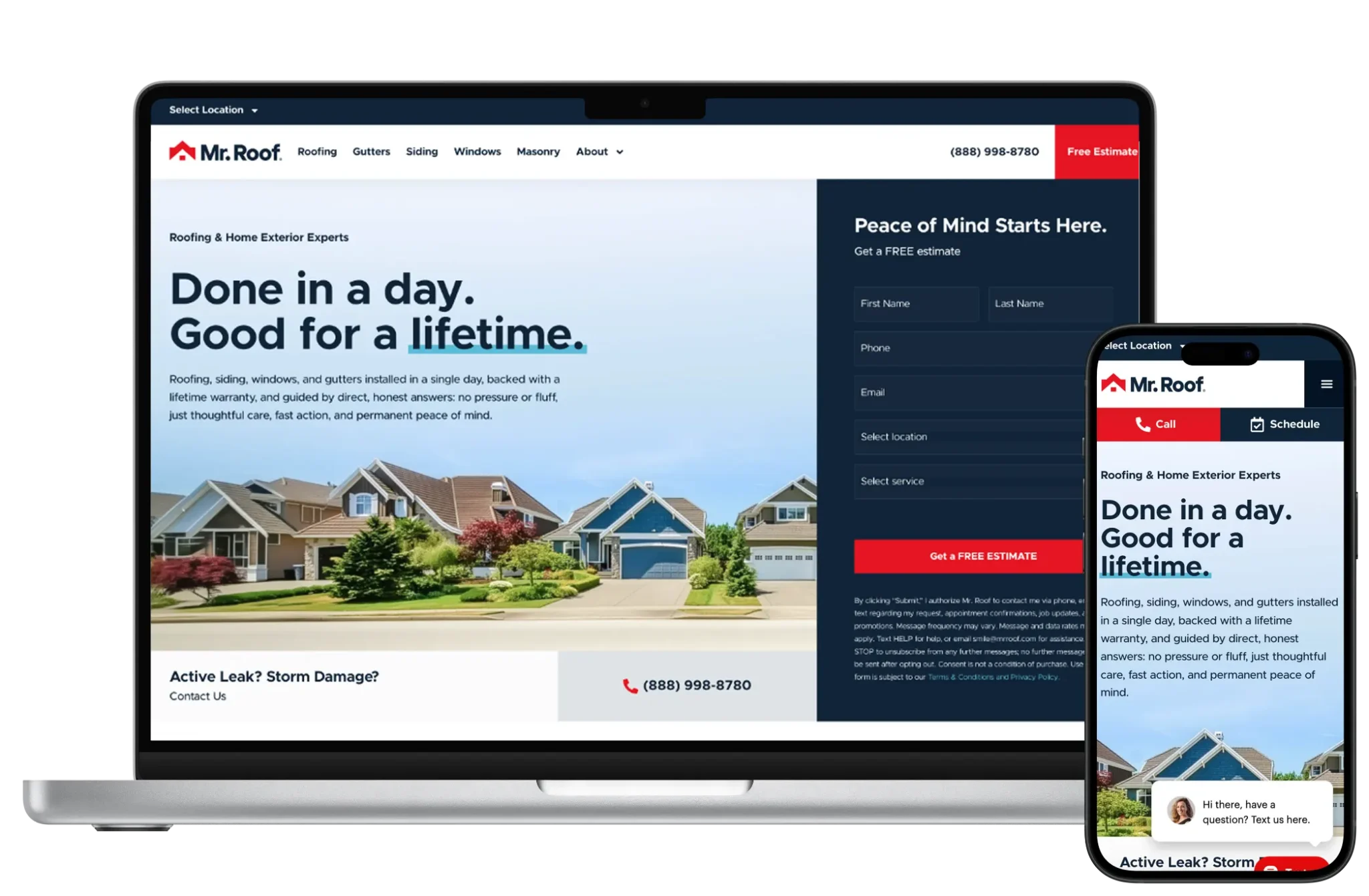



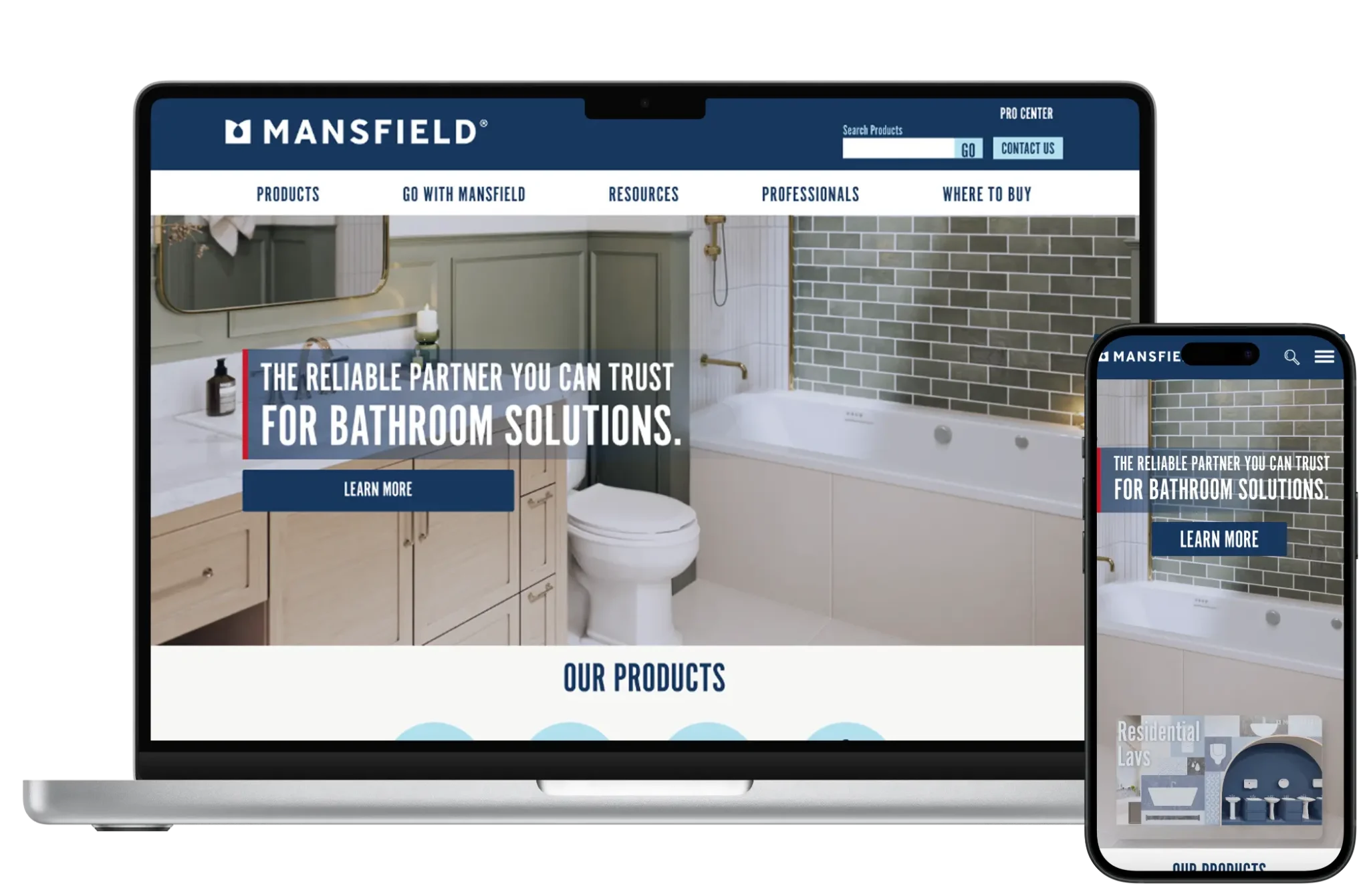
Design choices affect SEO indirectly but meaningfully: heading hierarchy, content scannability, internal link placement and mobile usability all influence whether people (and crawlers) can use the page.
We avoid burying primary content in image-only heroes or tab widgets that hide copy. Templates leave room for intent-matched sections so on-page SEO isn’t fighting the layout.
Founders, marketers and operators who need a professional visual and UX system for a lead-generating or revenue site — especially teams tired of theme lookalikes and one-off freelancer mockups that never become maintainable templates.

Yearly plans that include design, development, maintenance and SEO foundations — without a large upfront project fee.
For small businesses that need a professional site without a large upfront build.
Best for local and service businesses ready to generate more leads every month.
For growing brands that need ongoing development, SEO and conversion work.
Large sites, complex integrations, multi-location brands and custom applications.
Design-led launches typically land on Growth ($299/year) or Pro ($399/year) when multiple templates and ongoing UX work are required. Simpler brochure refreshes may fit Starter ($199/year). Enterprise covers multi-brand systems and heavier governance. Setup fees apply when a full visual rebuild is needed before monthly iteration begins — disclosed before kickoff.
Full notes for challenges, strategy and supporting pages — so the sections above stay scannable.
We design around jobs-to-be-done: what a first-time visitor must understand, trust and do. Wireframes come before polish so hierarchy, CTAs and content blocks are agreed early. Visual design then reinforces credibility without drowning the message in decoration.
Every major template — home, service, location, blog, contact — gets a defined pattern library: headers, proof modules, FAQ blocks, form placements and mobile sticky actions. That library becomes the contract between design and development.
After launch, design work continues as CRO and content needs change: refining hero messaging, testing form layouts and tightening mobile paths based on real behavior — not guesswork in a Figma file that never ships.
Audience, offer map, competitive visual scan and proposed site map before pixels are painted.
Low-fidelity structure for home, primary service, about/trust and conversion pages.
Color, type, spacing, components and states documented for consistent implementation.
Polished designs for priority templates with realistic content lengths.
Touch targets, sticky CTAs, nav patterns and form UX tuned for phones.
Specs, assets and component notes so builds match the approved system.
Scheduled design improvements as campaigns and SEO pages expand.
Straight answers about scope, pricing, ownership and what a subscription includes for this page.
Design owns structure, visuals and interaction intent. Development implements those decisions in production code, CMS fields and performance budgets. Many clients need both; we keep the responsibilities distinct so reviews stay focused.
Yes. We share reviewable comps and component notes. Final production lives in the site — not forever in a design file — so the live experience remains the source of truth.
Not always. We prioritize templates that drive revenue and trust, then extend the system. Orphan pages that rarely convert get a lighter pass unless SEO or brand risk says otherwise.
Absolutely. We adapt guidelines into web-ready components — type scales, accessible color contrast and UI states brands often omit from print PDFs.
Mobile is designed as a first-class experience: primary CTA priority, condensed nav, readable type and forms that don’t punish thumbs. Desktop does not simply shrink.
We facilitate decisions against conversion criteria and brand rules, not taste contests. Options are constrained early so feedback stays actionable.
We specify art direction and can integrate your assets or stock within brand rules. Custom photo shoots or illustration retainers are scoped separately when needed.
A project ends at handoff. A subscription keeps a design capacity lane for new landing pages, offer refreshes and UX fixes as your marketing calendar moves.
Get a visual system built for conversion — then keep iterating monthly.