
Challenges Construction Companies face online
Project photos sit in phone albums or Facebook posts instead of organized, SEO-useful gallery pages with captions, locations, and scope notes.Service…
Read more →Construction & general contracting
Construction buyers rarely hire from a vague homepage slogan. They want to see the type of work you actually do—residential additions, commercial TI, ground-up builds—plus how you manage permits…

Construction buyers rarely hire from a vague homepage slogan. They want to see the type of work you actually do—residential additions, commercial TI, ground-up builds—plus how you manage permits, timelines, and communication. 66sites builds subscription websites for construction companies that make those realities clear: project proof, trade coverage, and conversion paths designed for estimate requests rather than generic contact dead ends.
A construction website has to work for two audiences at once: homeowners comparing remodelers and facility managers evaluating bid-capable GCs. That means information architecture that separates residential and commercial journeys, safety and insurance cues without overclaiming, and pages that answer scope questions before a call. We design, develop, maintain, and improve the site monthly so galleries, service pages, and local SEO stay current as you add completed work.
Unlike a one-off brochure site that goes stale after launch, our model includes ongoing maintenance and SEO. We do not promise number-one rankings or fabricated case-study metrics. We structure your site around how construction searches actually work—trade plus location, project type, and problem-led queries—then keep improving crawlability, content, and conversion clarity over time.
Practical website, conversion and SEO work tailored to how your buyers actually decide.
Project photos sit in phone albums or Facebook posts instead of organized, SEO-useful gallery pages with captions, locations, and scope notes.Service…
Read more →
Map the first visit to a clear path: choose residential or commercial, pick a project type, review proof, then request an estimate with scope…
Read more →
Residential construction & remodeling. Captures homeowner intent separate from commercial bids and lets you showcase kitchens, baths, additions, and…
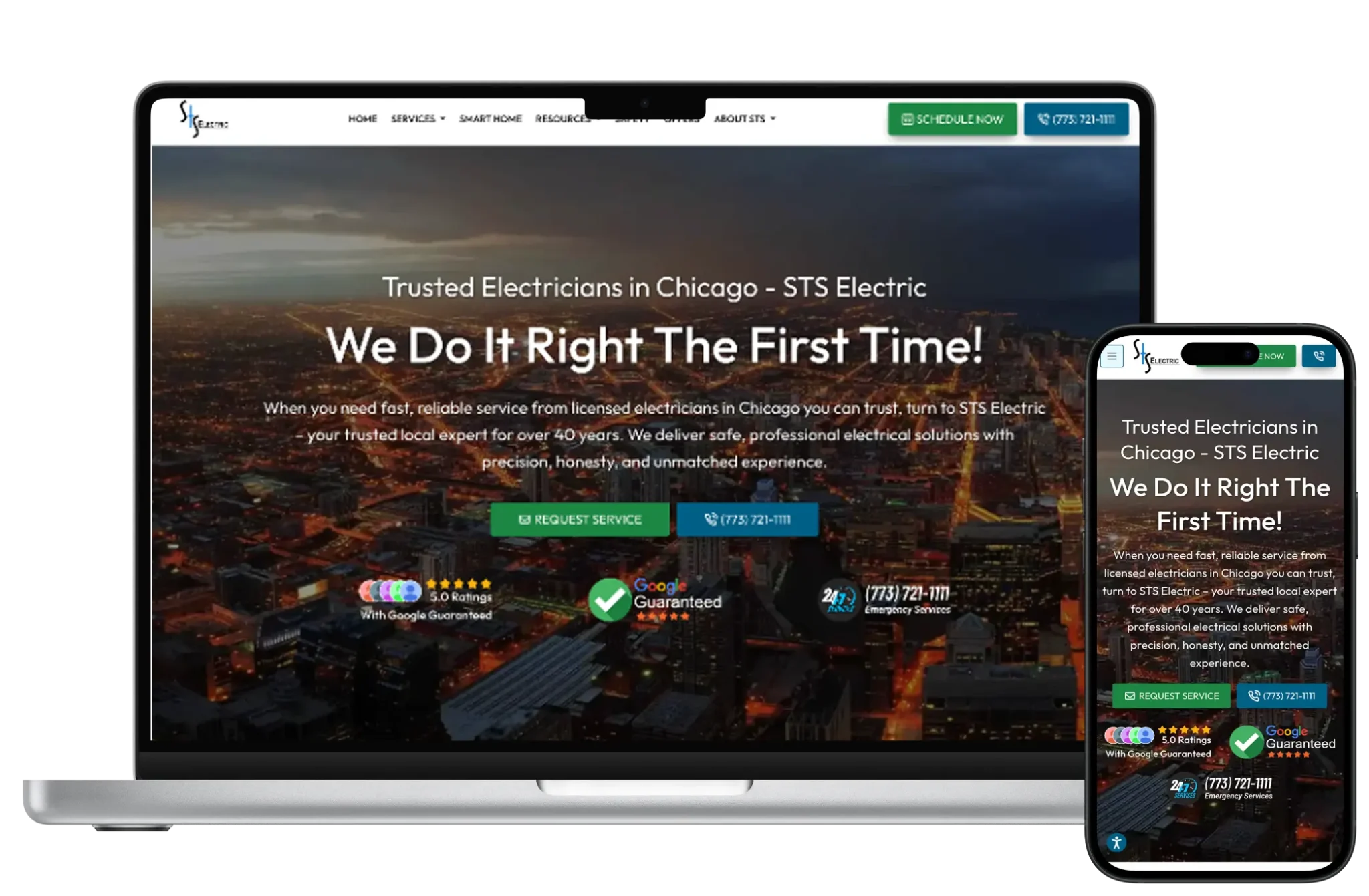
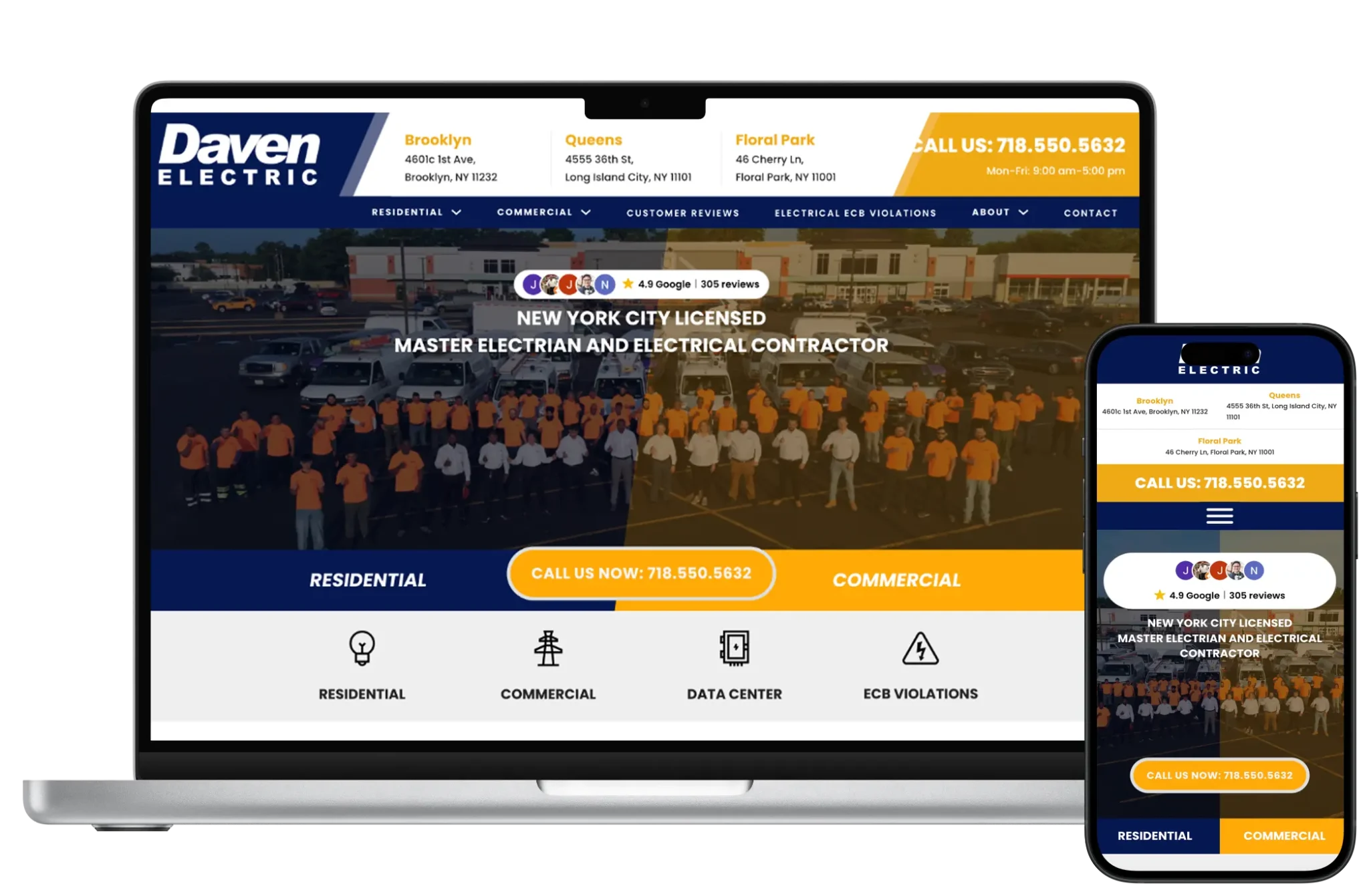
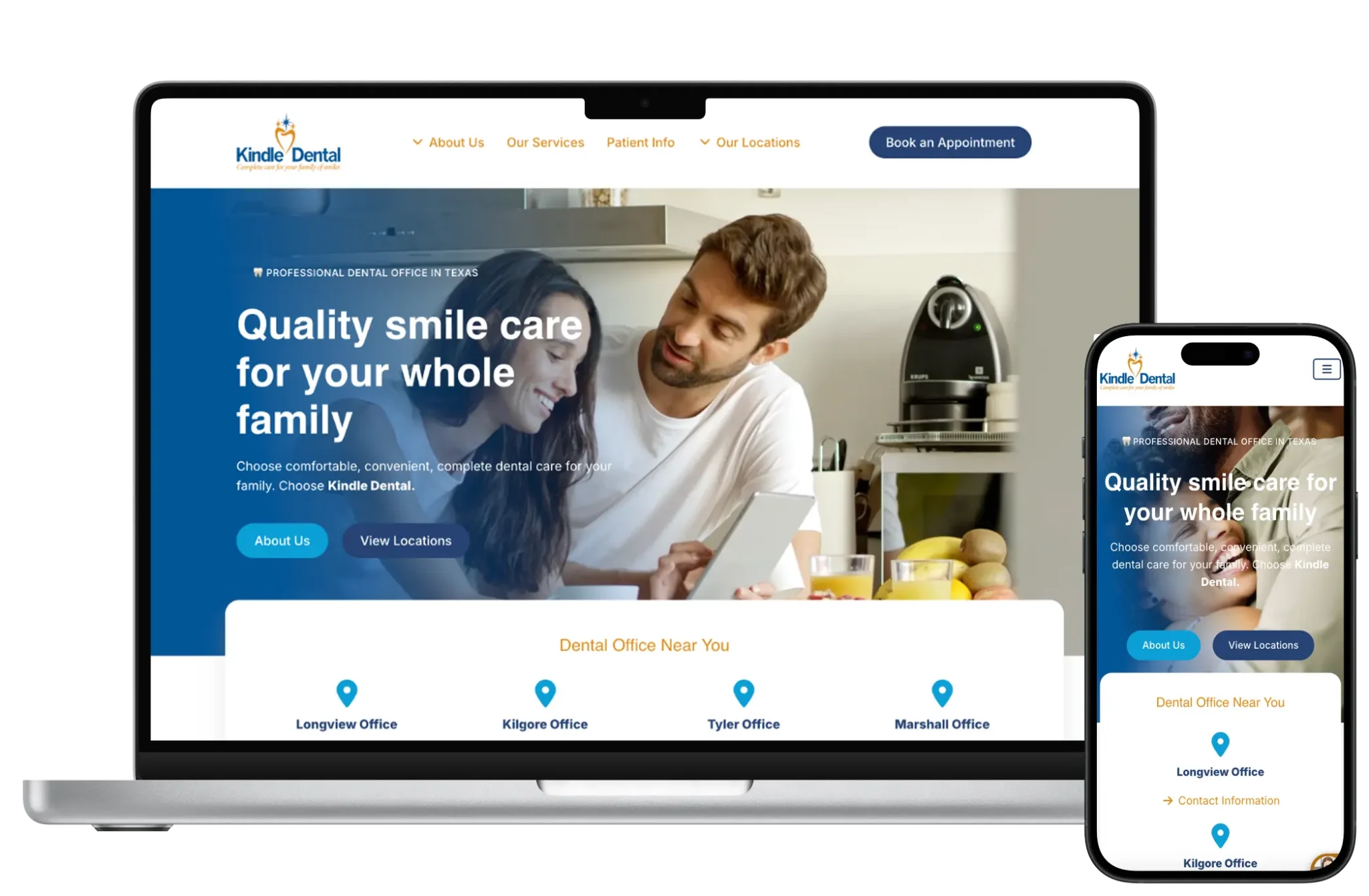
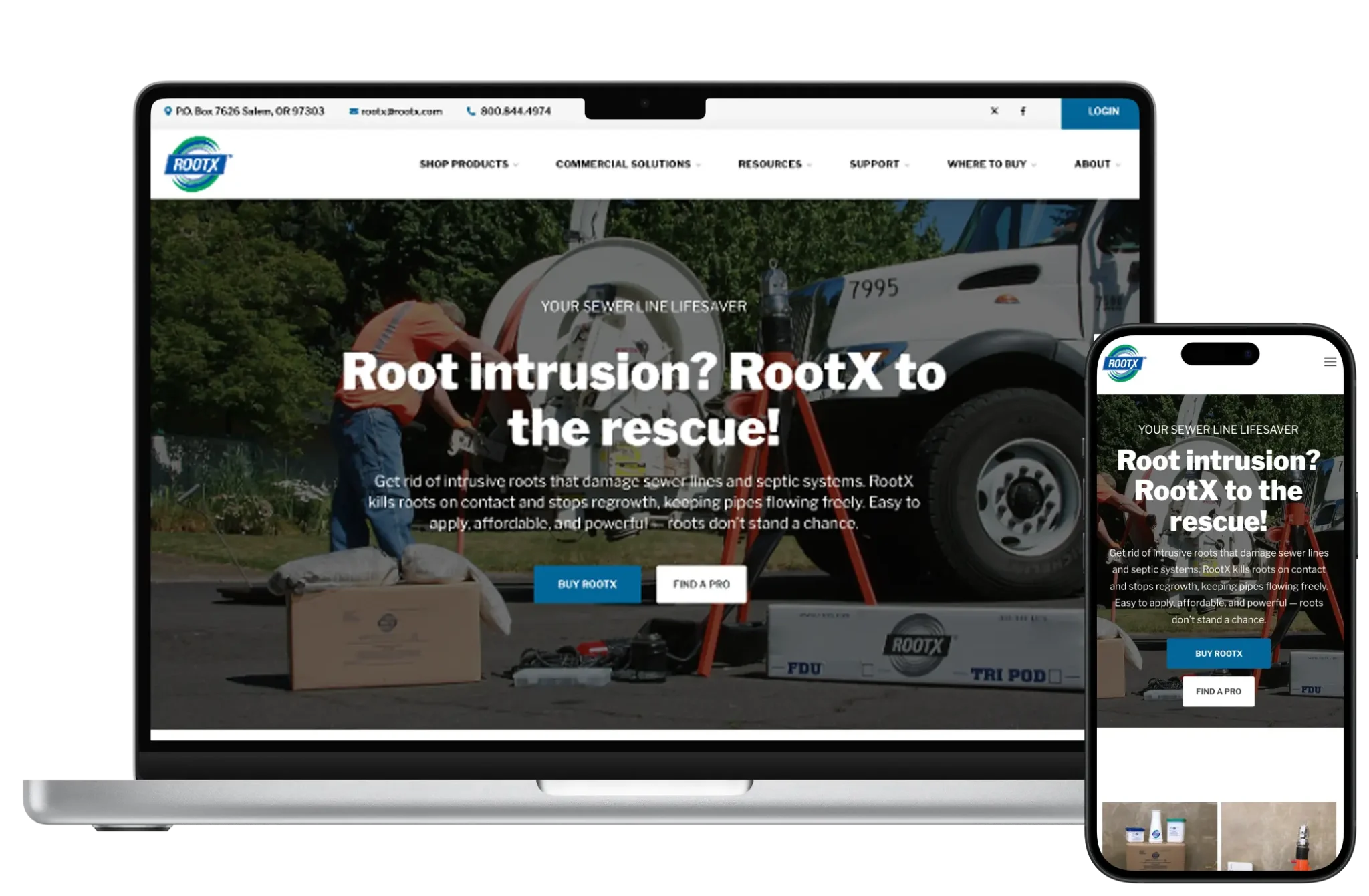
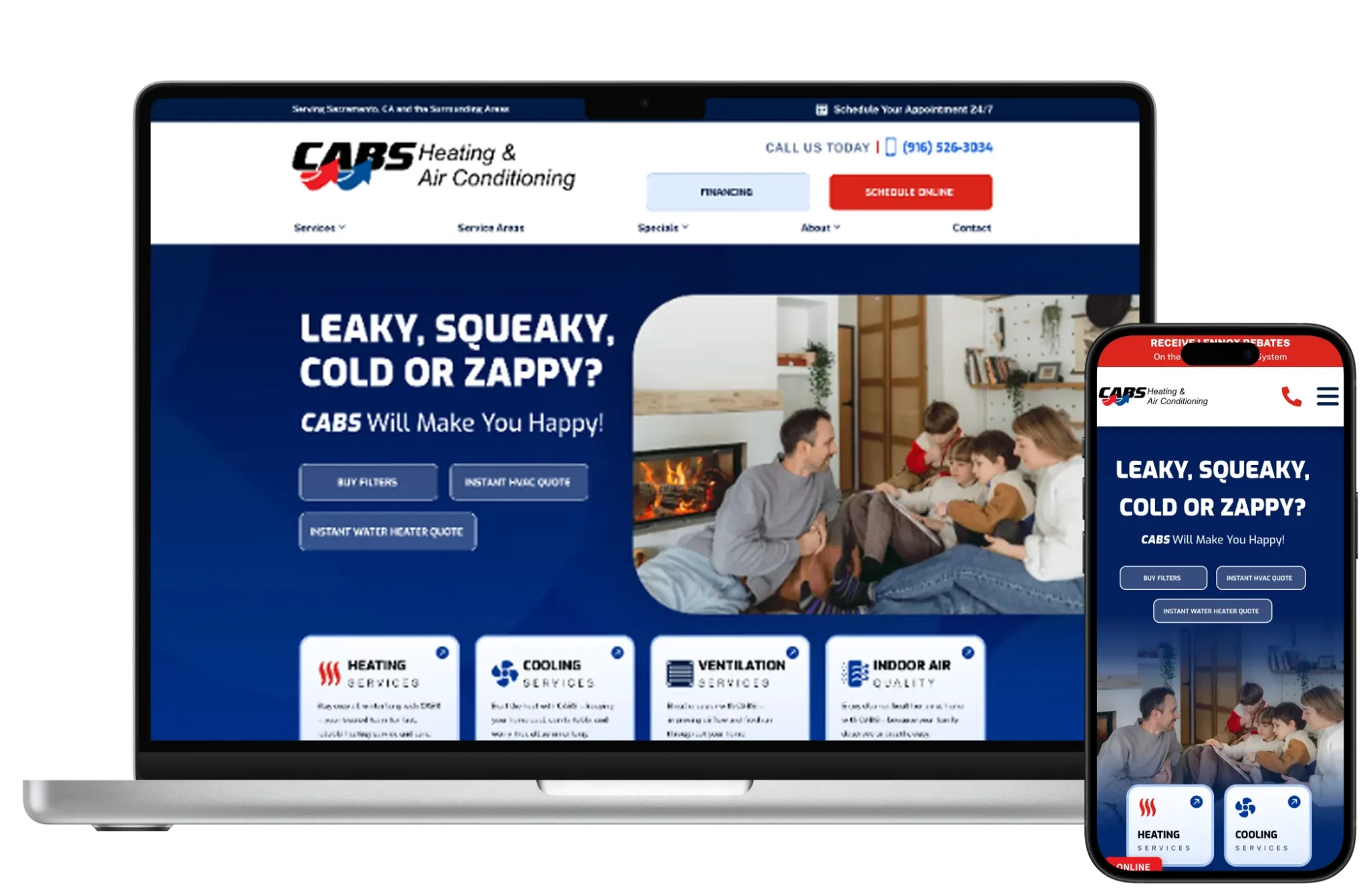
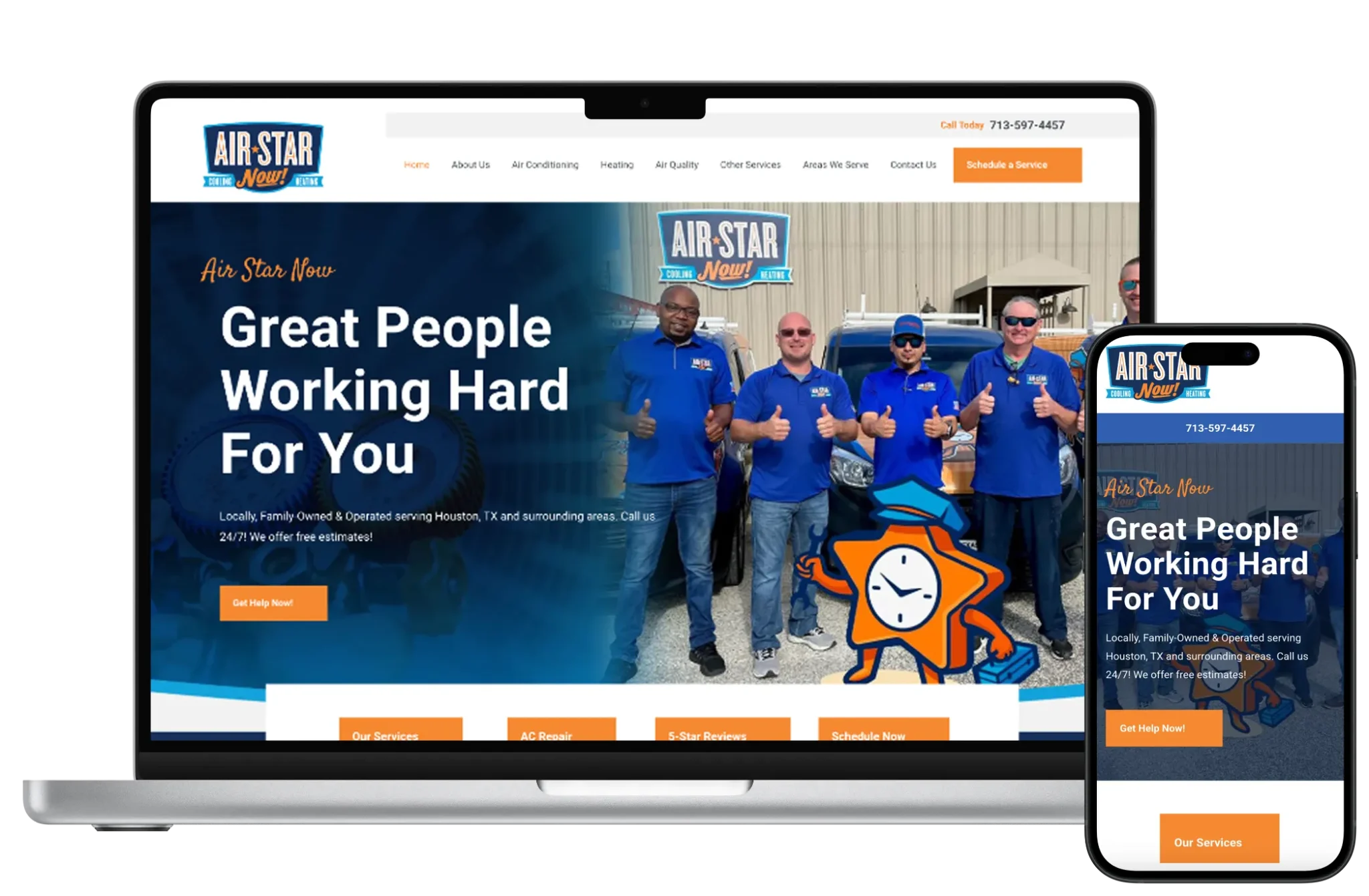
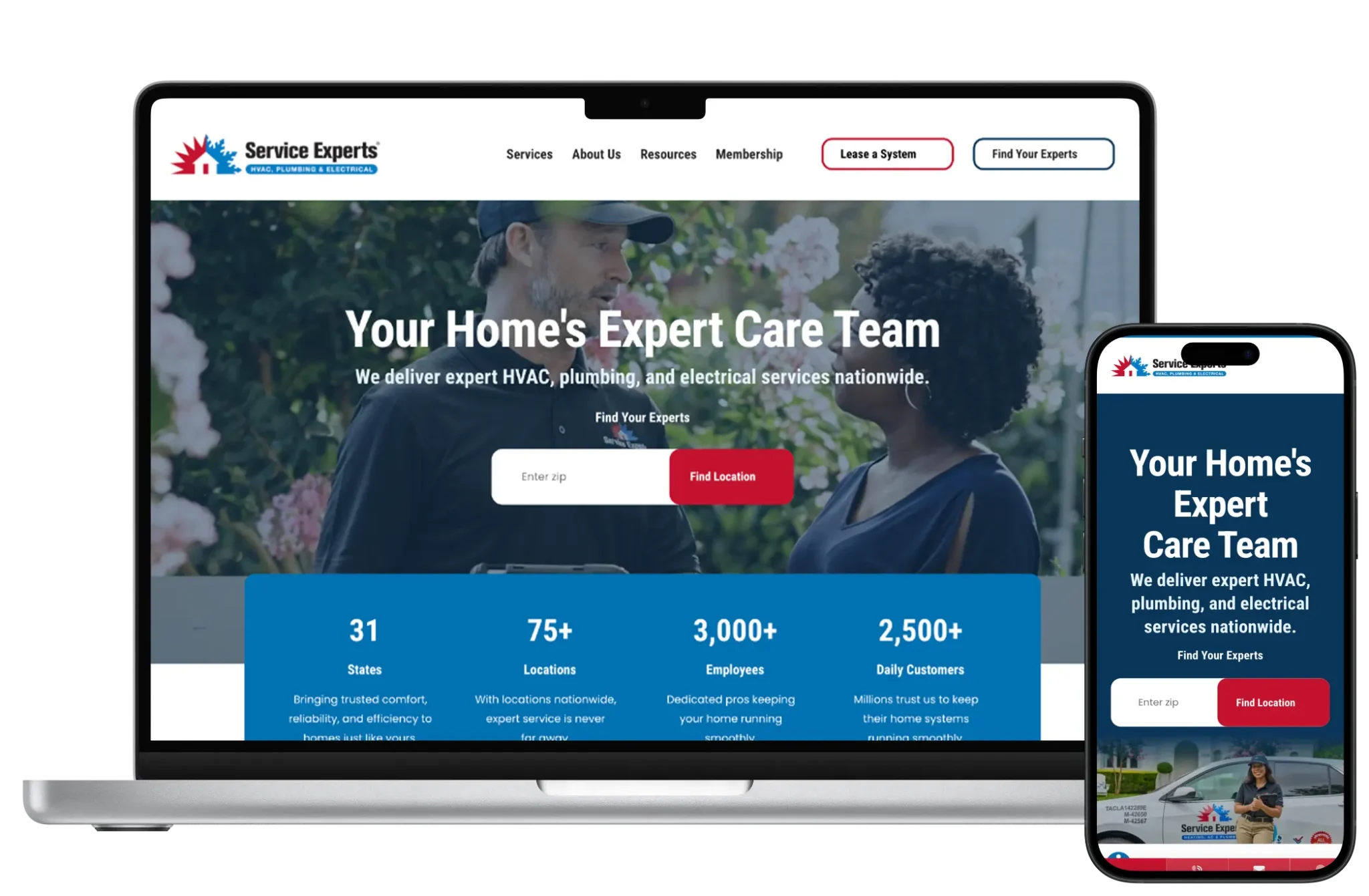
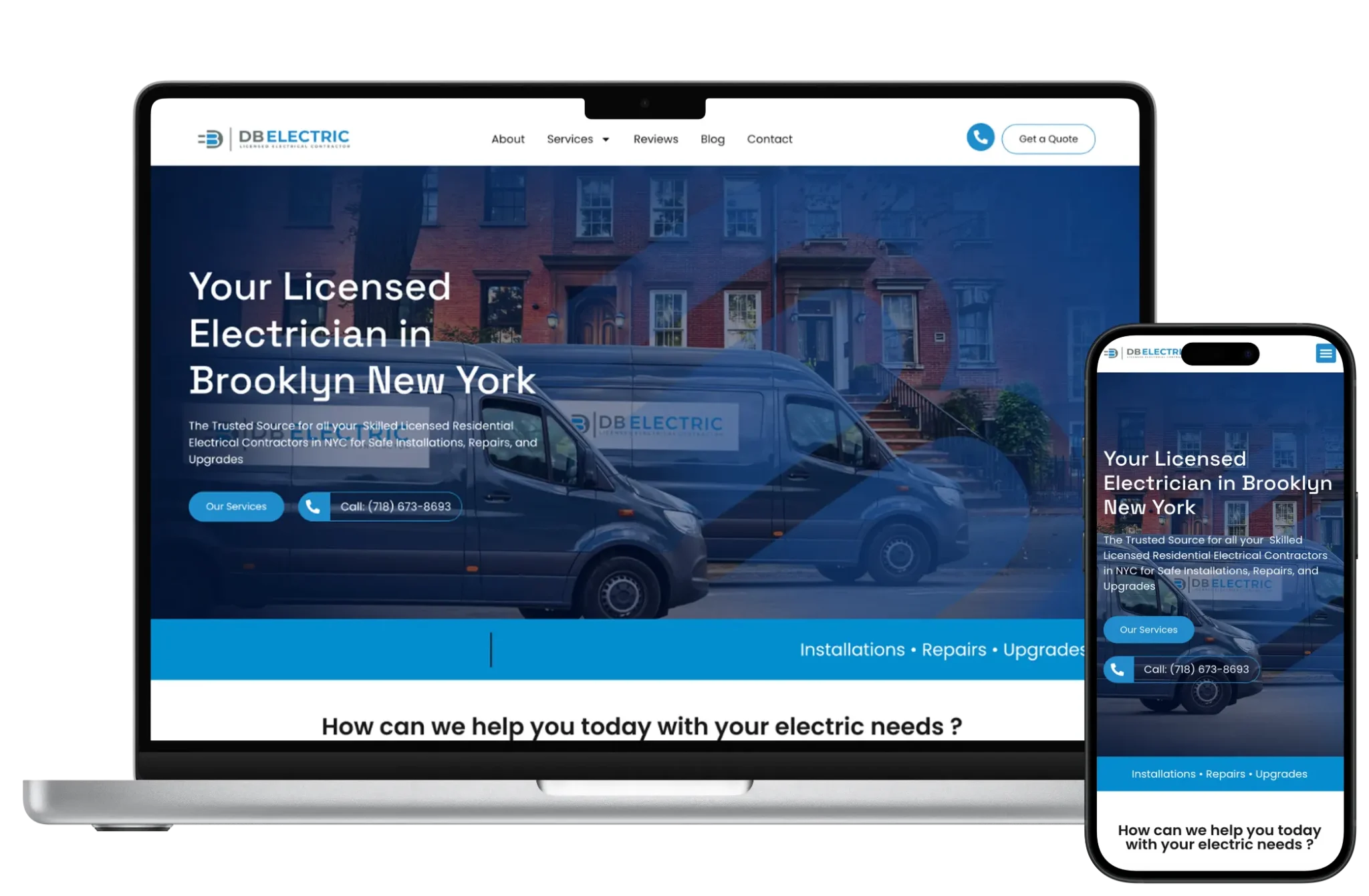
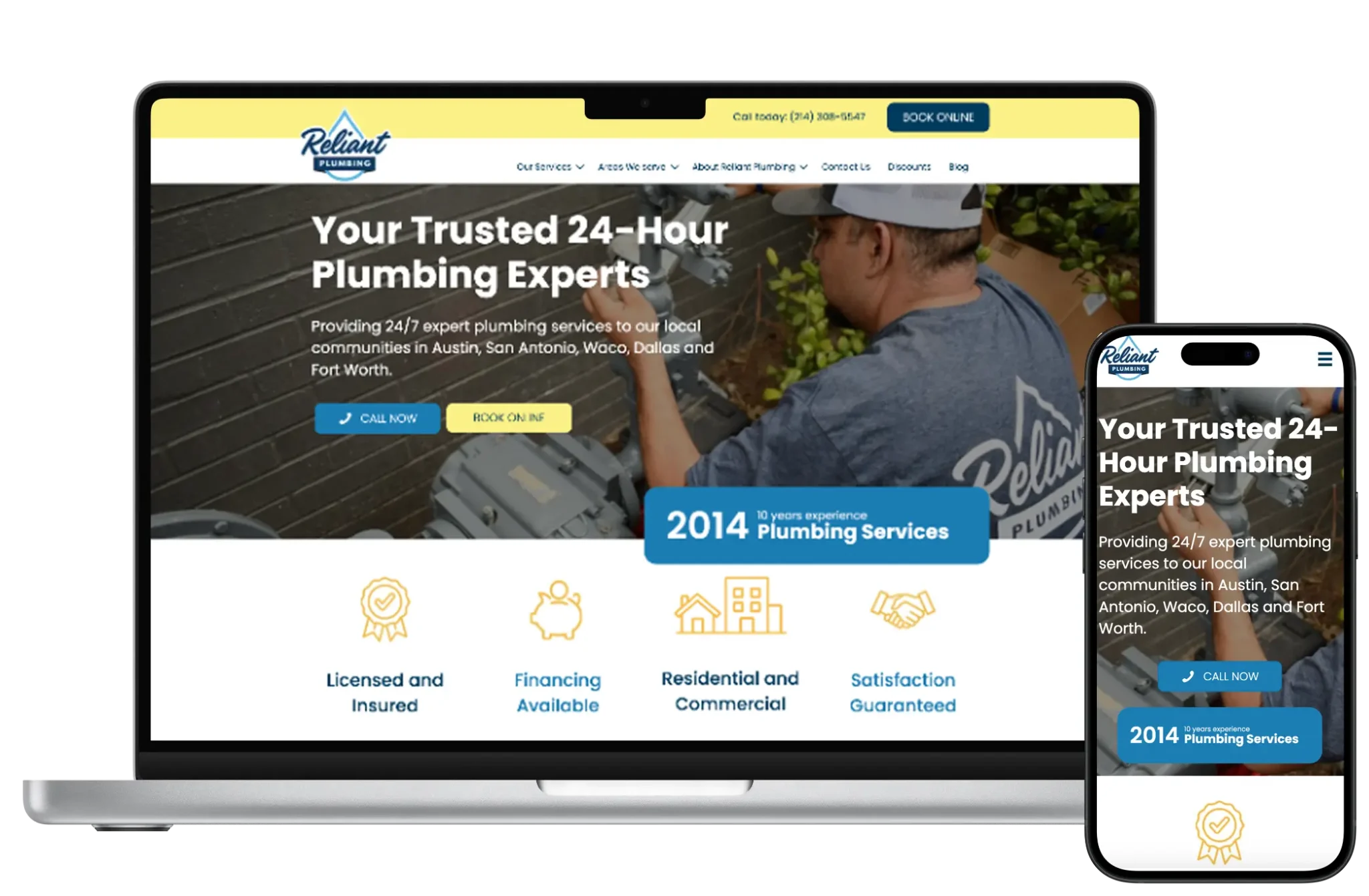
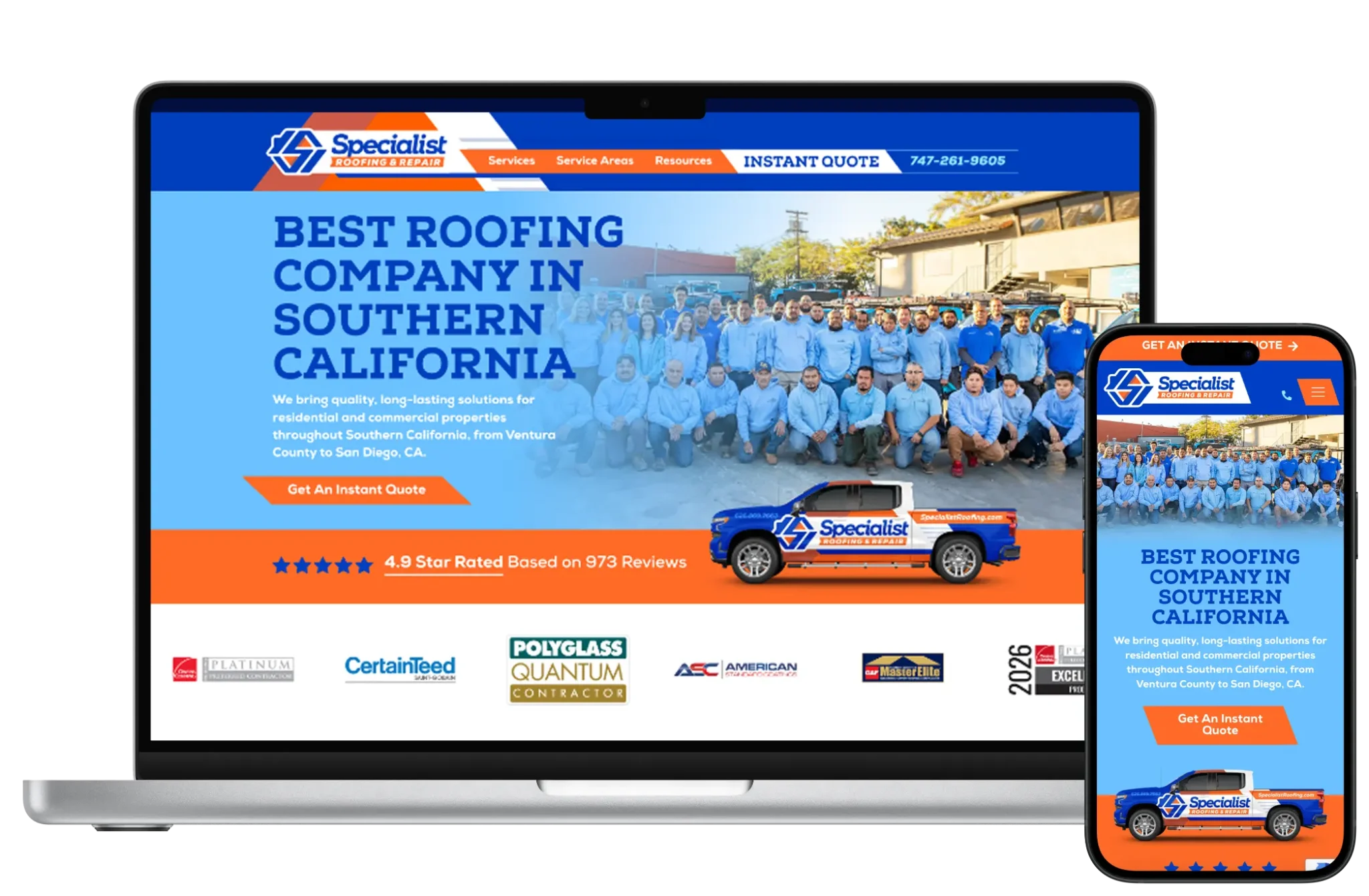
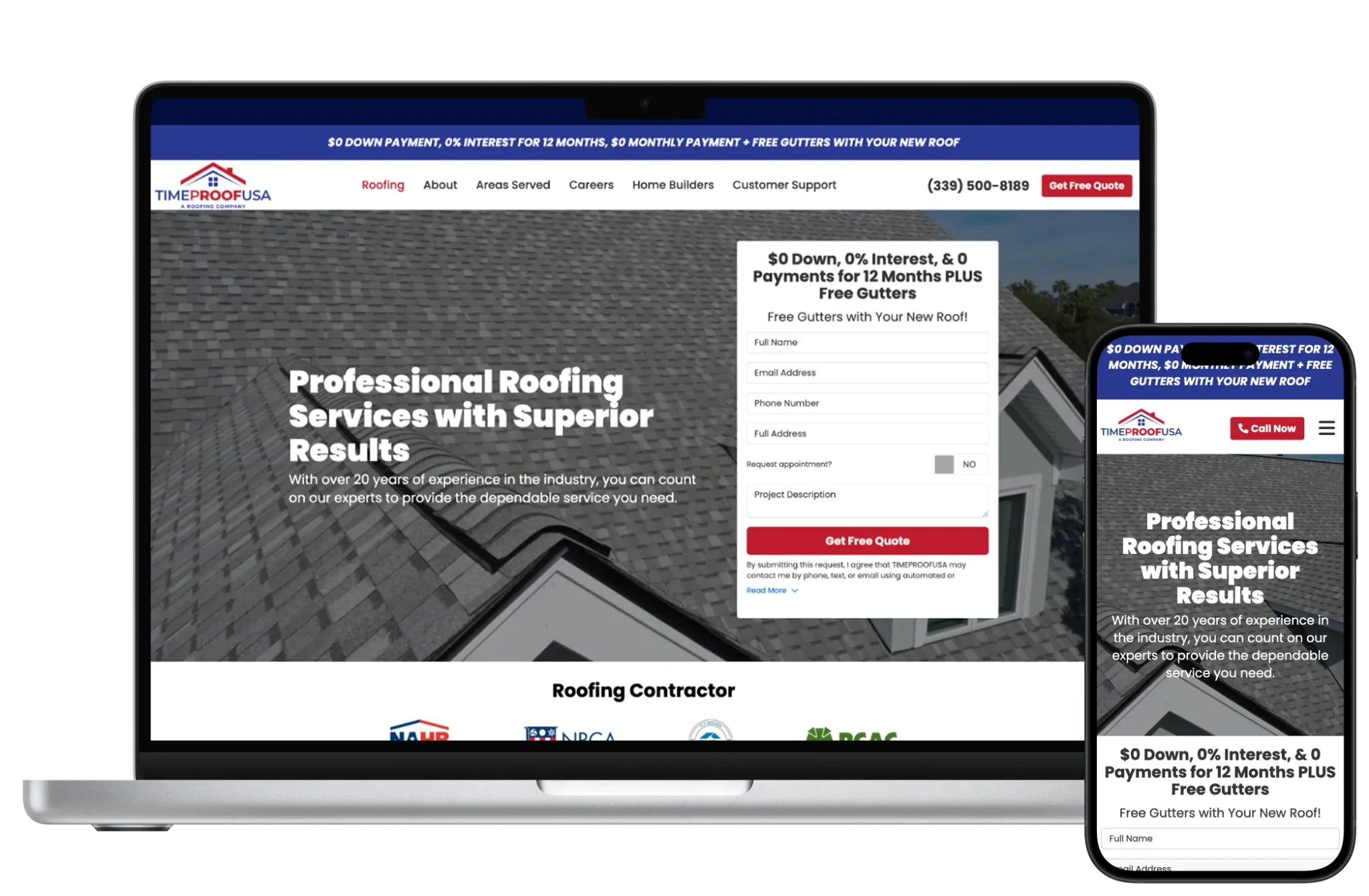
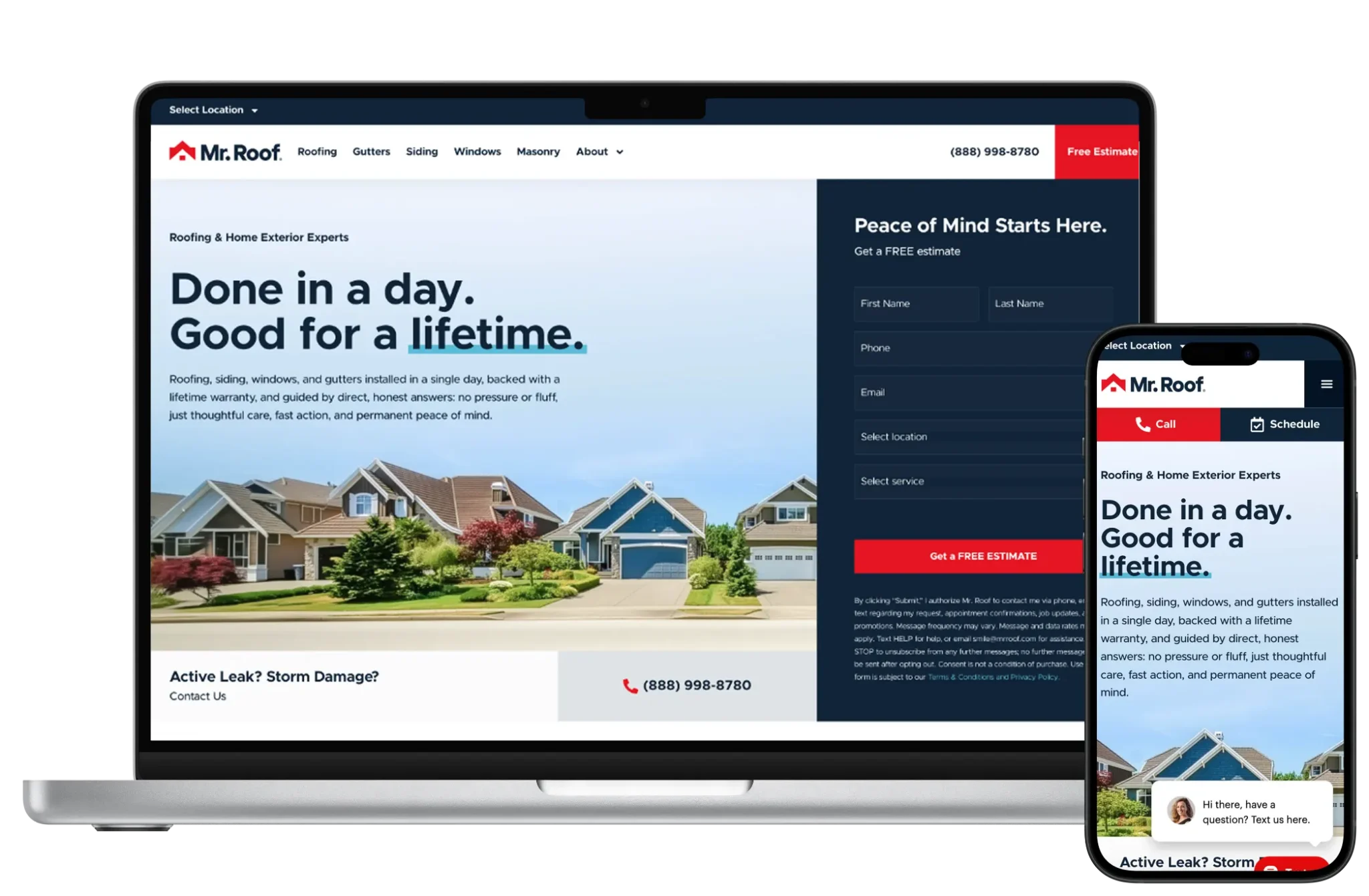
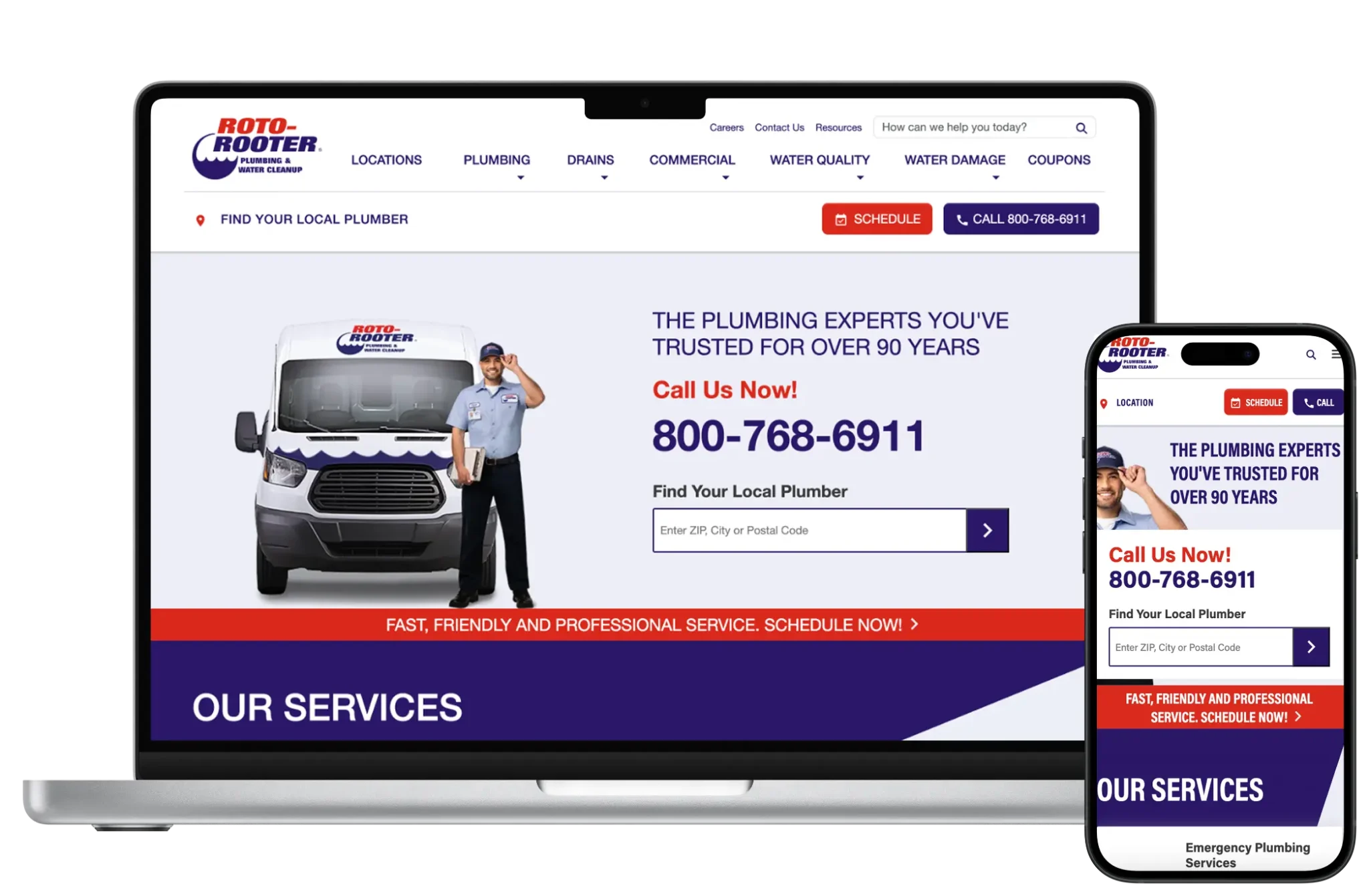
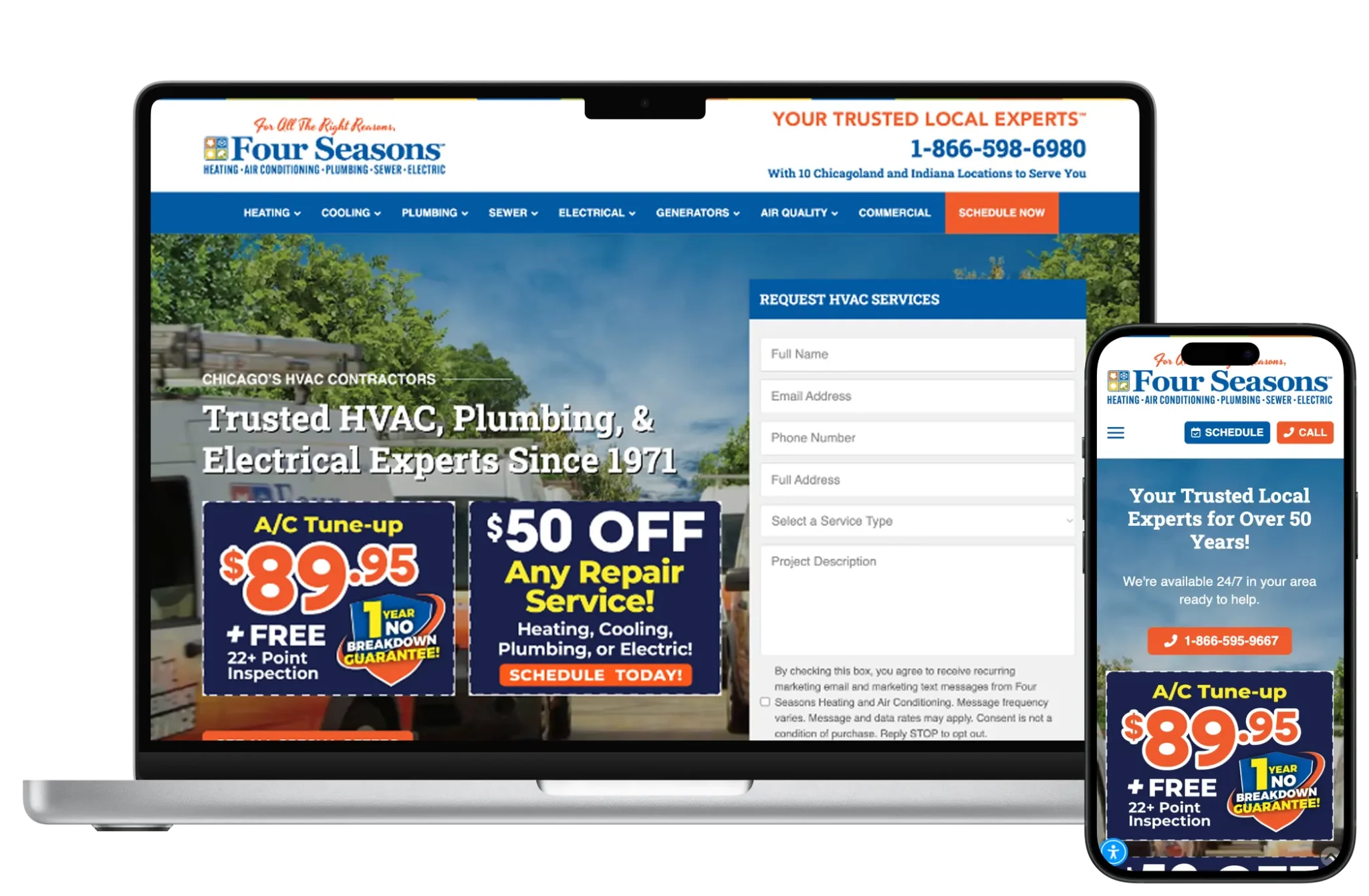
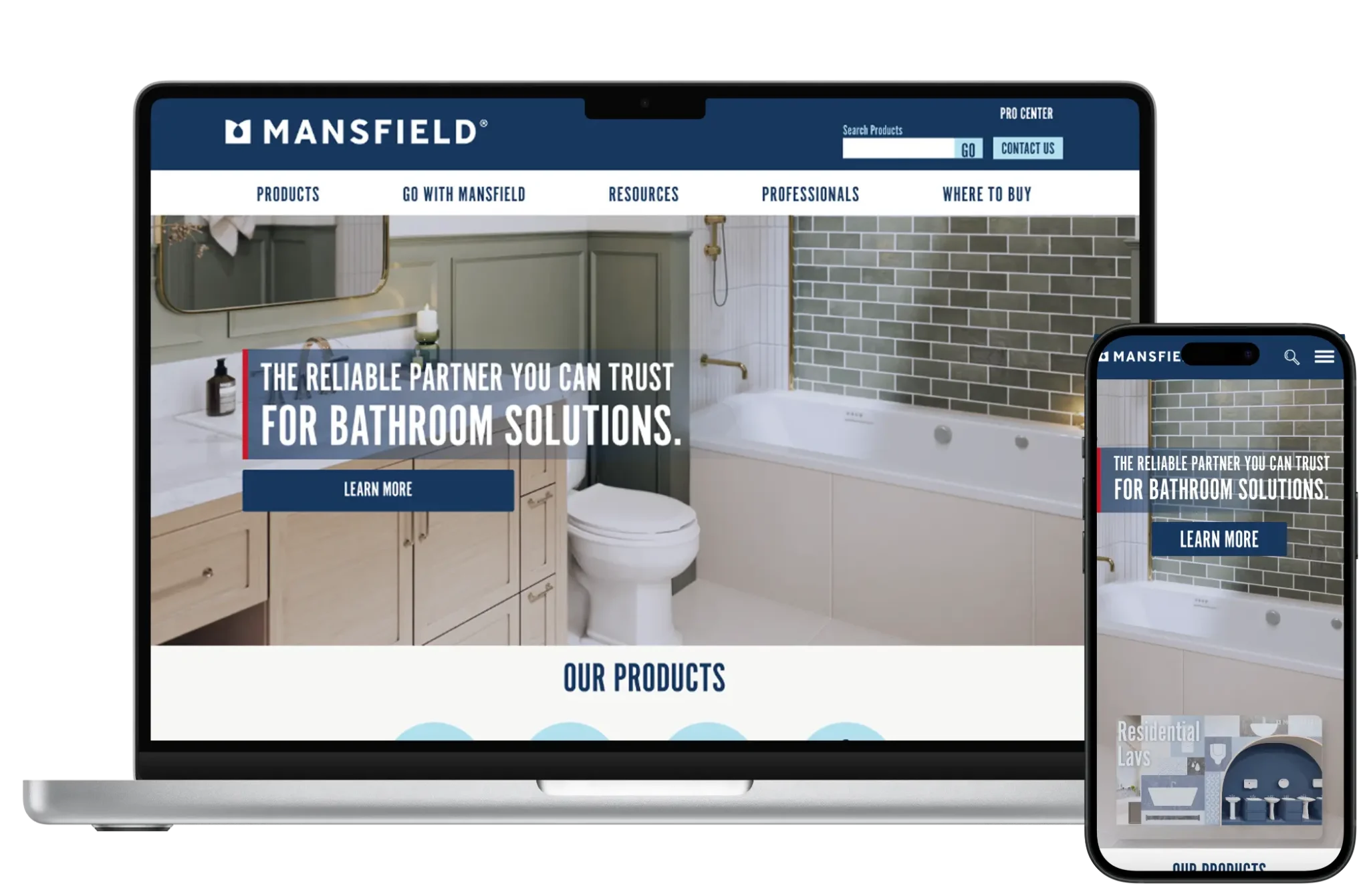
Read more →A look at website designs and layouts we build for service businesses — mockups and project types, not fabricated client claims.
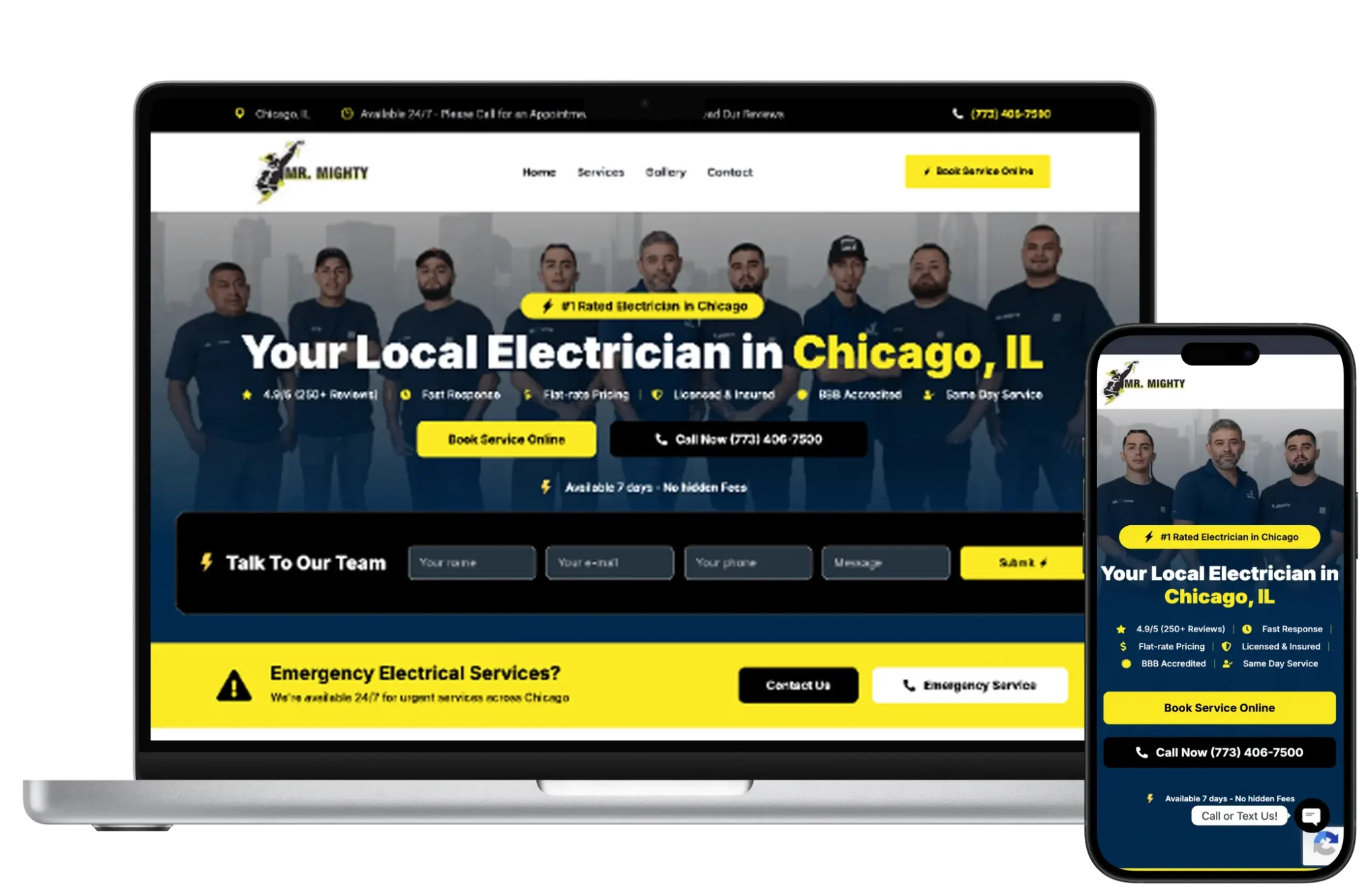
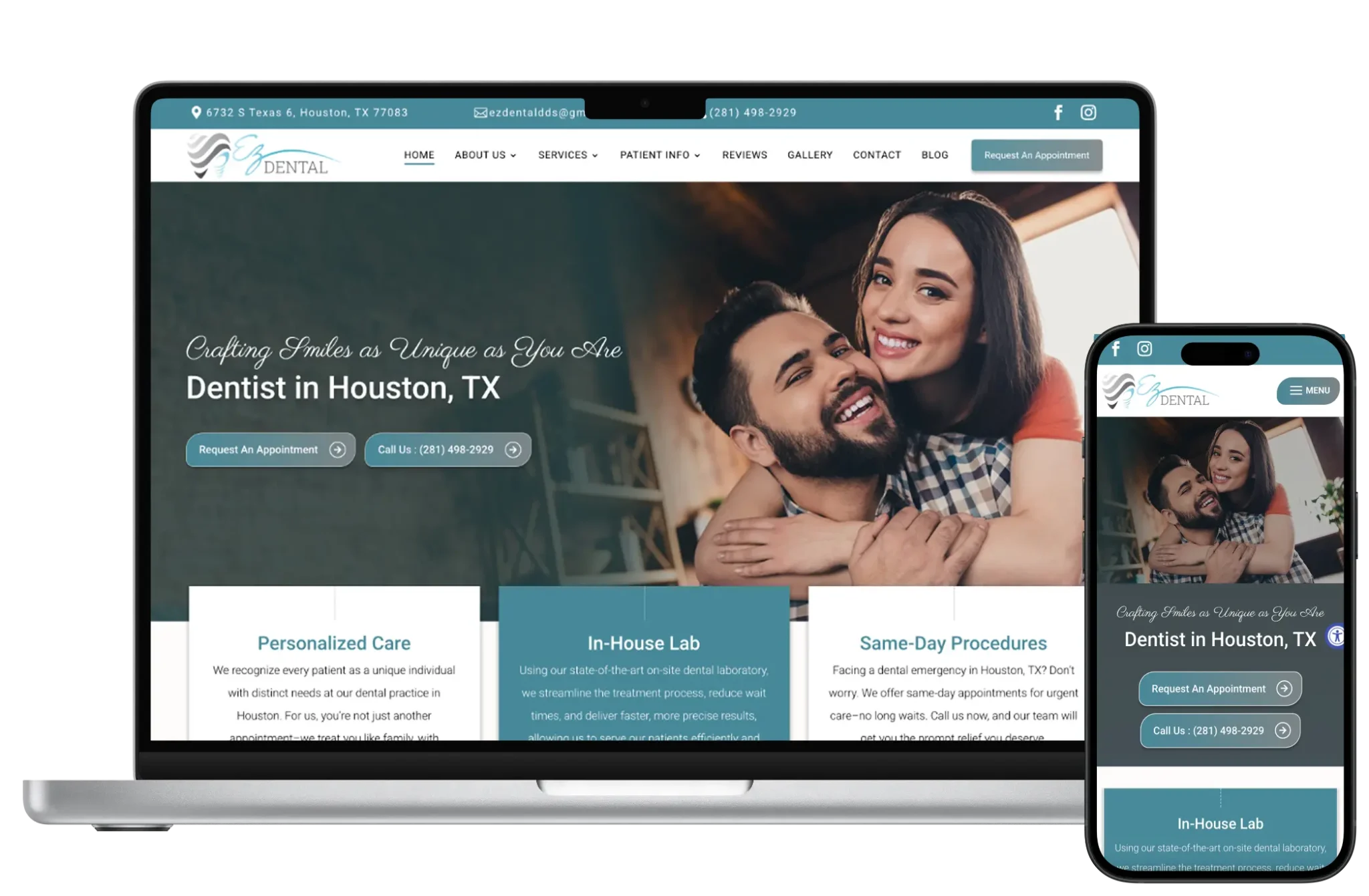
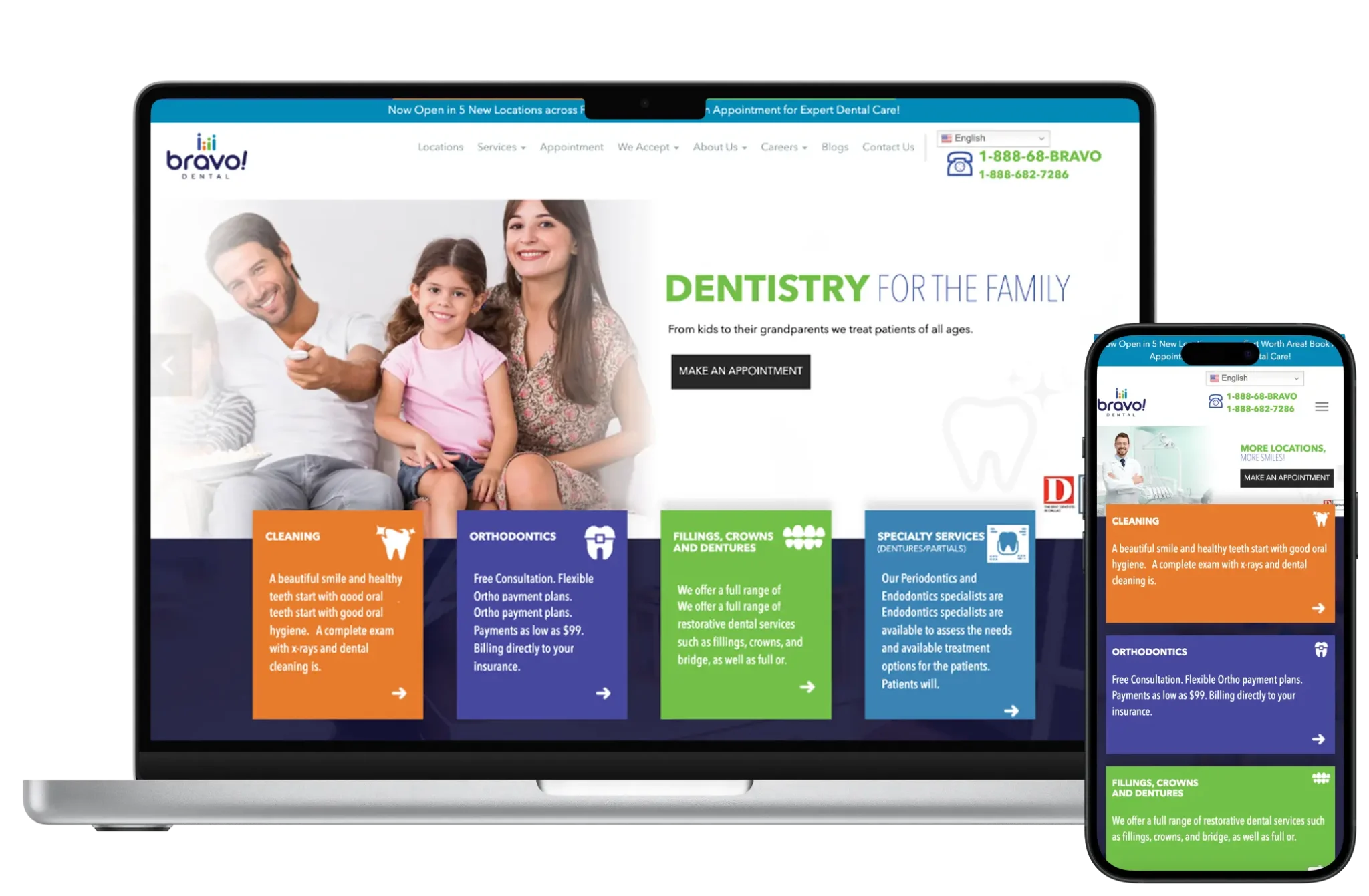




Organize before/after and in-progress photos by project type, with location and scope fields that help visitors and search engines understand the work.
Forms that ask for project type, property type, timeline, and optional uploads—wired to your CRM or email workflow.
Fast pages homeowners and project managers can open on site visits, with click-to-call and short-form options.
Location and market pages only where you operate and can support unique content—no mass-produced doorway towns.
Monthly updates so new jobs, crew changes, and seasonal notes stay published without another redesign project.
Clean URLs, image practices, useful FAQ blocks where appropriate, and performance work for heavy galleries.

Primary conversion for most construction sites is a qualified estimate request—not newsletter signups. Put estimate CTAs on service and project pages, and offer phone for urgent or high-touch commercial inquiries.
Qualification beats volume: ask for project type and rough scope so your estimator spends time on real opportunities. Thank-you pages can set expectations for response time and next steps such as a site visit, video walkthrough, or document review.
Secondary conversions—downloadable prep checklists or what-to-expect guides—help early-stage remodelers while keeping the primary CTA focused on estimates.
On-page SEO should target project-type and trade-plus-location queries with unique service pages—not one thin services dump. Titles and H1s should reflect real offerings rather than buzzwords.
Technical SEO for construction sites often means image weight management, crawlable gallery structures, and fixing duplicate thin location pages. We prioritize indexable, useful URLs over sheer page count.
Content SEO works when you publish genuine project write-ups, process explainers, and seasonal guidance that match how people search. We avoid fabricated ranking claims and focus on durable topical coverage.
We connect SEO work to technical SEO, on-page SEO, and — when local demand matters — local SEO. We do not promise specific rankings.
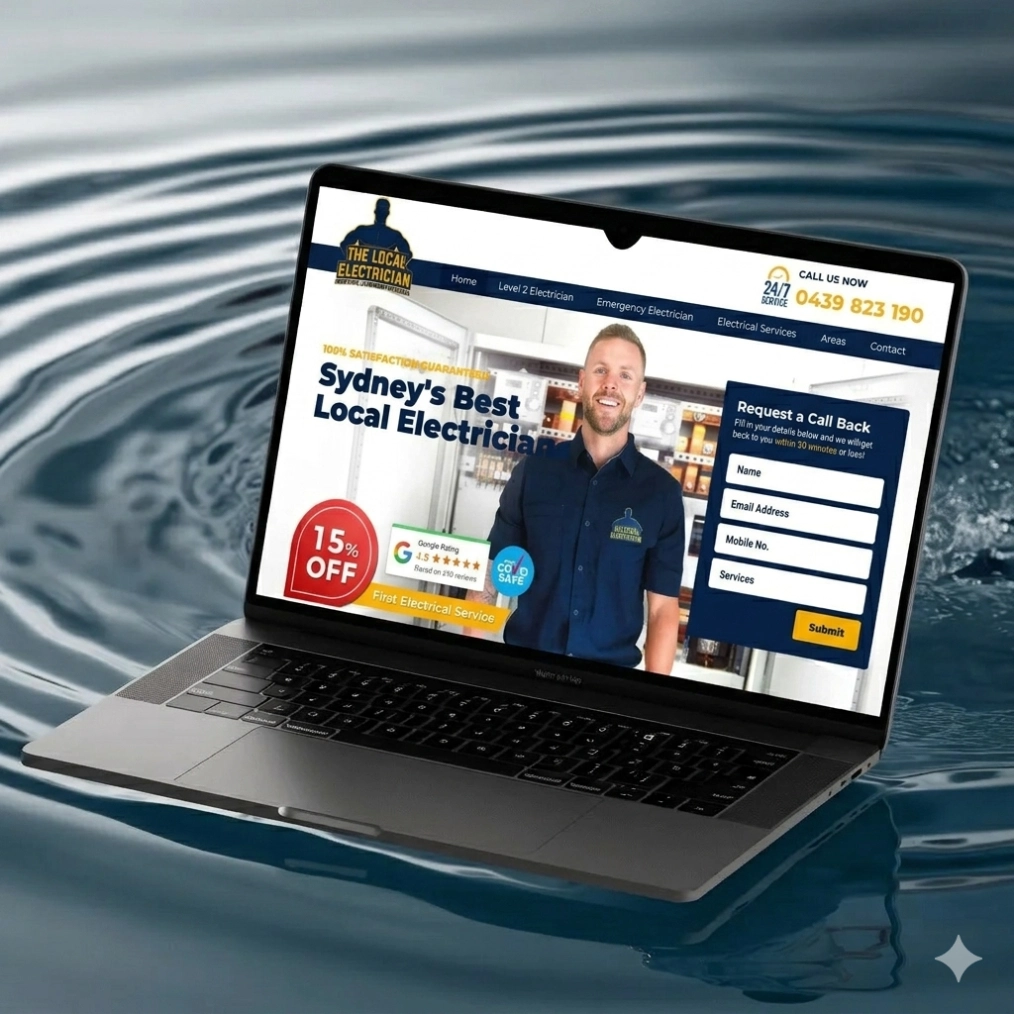
Google Business Profile categories, service lists, and project photos should match the website. Review responses and accurate NAP details matter more than fake citation blasts.
We support local landing pages only for markets you serve with real proof—completed jobs, crew coverage, or office presence—not auto-generated city spam.
We only recommend location pages when you genuinely serve the area and can add unique value — not doorway-page city spam. See Google Business Profile optimization.
Yearly plans that include design, development, maintenance and SEO foundations — without a large upfront project fee.
For small businesses that need a professional site without a large upfront build.
Best for local and service businesses ready to generate more leads every month.
For growing brands that need ongoing development, SEO and conversion work.
Large sites, complex integrations, multi-location brands and custom applications.
Most lead-focused Construction Companies engagements fit Growth ($299/year) when local/organic acquisition matters. Simpler brochure sites may fit Starter ($199/year). Multi-location, custom integrations, or heavier development fit Pro ($399/year) or Enterprise.
Setup fees may apply for redesigns, migrations, or large content builds — always disclosed before kickoff. See transparent subscription pricing and how website subscriptions work.
Full notes for challenges, strategy and supporting pages — so the sections above stay scannable.
Map the first visit to a clear path: choose residential or commercial, pick a project type, review proof, then request an estimate with scope details. Navigation and CTAs should mirror that sequence instead of forcing every visitor through a single generic contact form.
Use project pages as both trust assets and SEO entities—each major completed job can support unique copy about scope, materials, challenges solved, and location without inventing awards. Service pages should define inclusions, typical timelines, and what happens after the first call.
Keep seasonal and capacity messaging honest. If winter slows exterior work or commercial bids have longer cycles, say so. Conversion copy that overpromises start dates damages trust more than a clear note about current lead times.
Typical tools and workflows we plan around for Construction Companies:
Platform choice often lands on WordPress for service businesses, or Shopify / WooCommerce when commerce is central.
Clarity lowers price anxiety more than sparse sites. We show process, optional typical ranges you approve, and proof of similar jobs so buyers self-select.
We can publish anonymized case studies, partial photos with permission, or process-focused pages when full galleries are restricted.
Referrals still compare you online. A maintained site captures non-referred demand and gives referred visitors proof pages that close faster.
No. Results depend on competition, reviews, and relevance. We build durable foundations and improve monthly without ranking guarantees.
Straight answers about scope, pricing, ownership and what a subscription includes for this page.
Clear residential versus commercial paths, a project gallery with real captions, service pages that define scope, licensing and insurance cues, and an estimate form that captures project type and timeline.
Yes. We can link to client portals or keep the public site focused on marketing while project management stays in your construction platform.
We optimize images, lazy-load galleries, and avoid dumping every photo on one URL. Performance is part of technical SEO and mobile experience.
No. Thin doorway pages can hurt more than they help. Location coverage should tie to real service areas and project proof.
Yes. We separate journeys in navigation and content so homeowners and commercial buyers are not forced through the same messaging.
Maintenance, applicable security and updates, agreed content and SEO tasks, and iterative conversion improvements so the site keeps matching your pipeline.
We can structure and draft from your notes, photos, and scope details. You approve facts; we do not invent results, awards, or client names.
Timelines vary by market and starting point. We set expectations around compounding improvements—not overnight rankings.
We plan URL mapping, redirects, and content migration carefully. Preserving equity is a process, not a guarantee of identical rankings after launch.
Plans center on design, development, maintenance, and SEO. Hosting and security arrangements depend on the plan and stack—we clarify inclusions before you start.
Get design, development, maintenance, and SEO in one subscription—without ranking promises.