

Challenges Education Organizations face online
Program catalogs are PDFs or maze-like databases with poor UX.Admissions CTAs differ by program but share one vague contact form.Audience overlap…
Read more →Education & learning organizations
Education websites must help learners and families find programs, understand requirements, and take the next admissions or enrollment step without getting lost in institutional navigation. 66sites…

Education websites must help learners and families find programs, understand requirements, and take the next admissions or enrollment step without getting lost in institutional navigation. 66sites builds subscription sites for education organizations that clarify offerings, support SEO for program queries, and stay maintainable as catalogs change.
We design audience paths for prospective students, parents, and partners; develop application and inquiry integrations; and maintain content carefully—especially where outcomes language must remain truthful.
No invented graduation rates or ranking badges. Proof must be real and approved.
Practical website, conversion and SEO work tailored to how your buyers actually decide.
Program catalogs are PDFs or maze-like databases with poor UX.Admissions CTAs differ by program but share one vague contact form.Audience overlap…
Read more →
Organize by audience and by program family. Visitors should reach a relevant program page quickly from search or homepage.Make admissions next steps…
Read more →
Programs / courses catalog. Primary research surface for prospective learners.Admissions / how to apply. Conversion path with requirements…
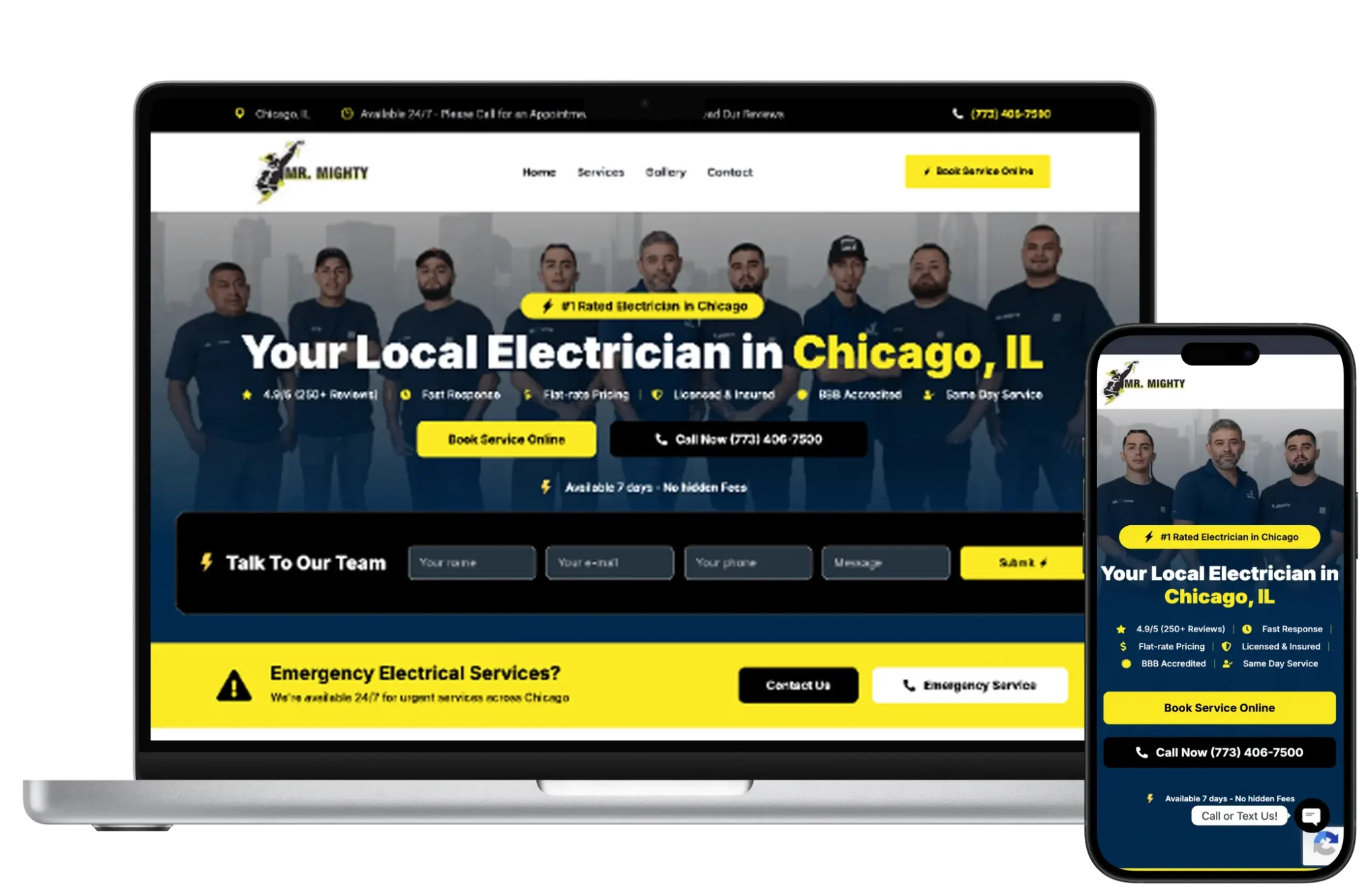
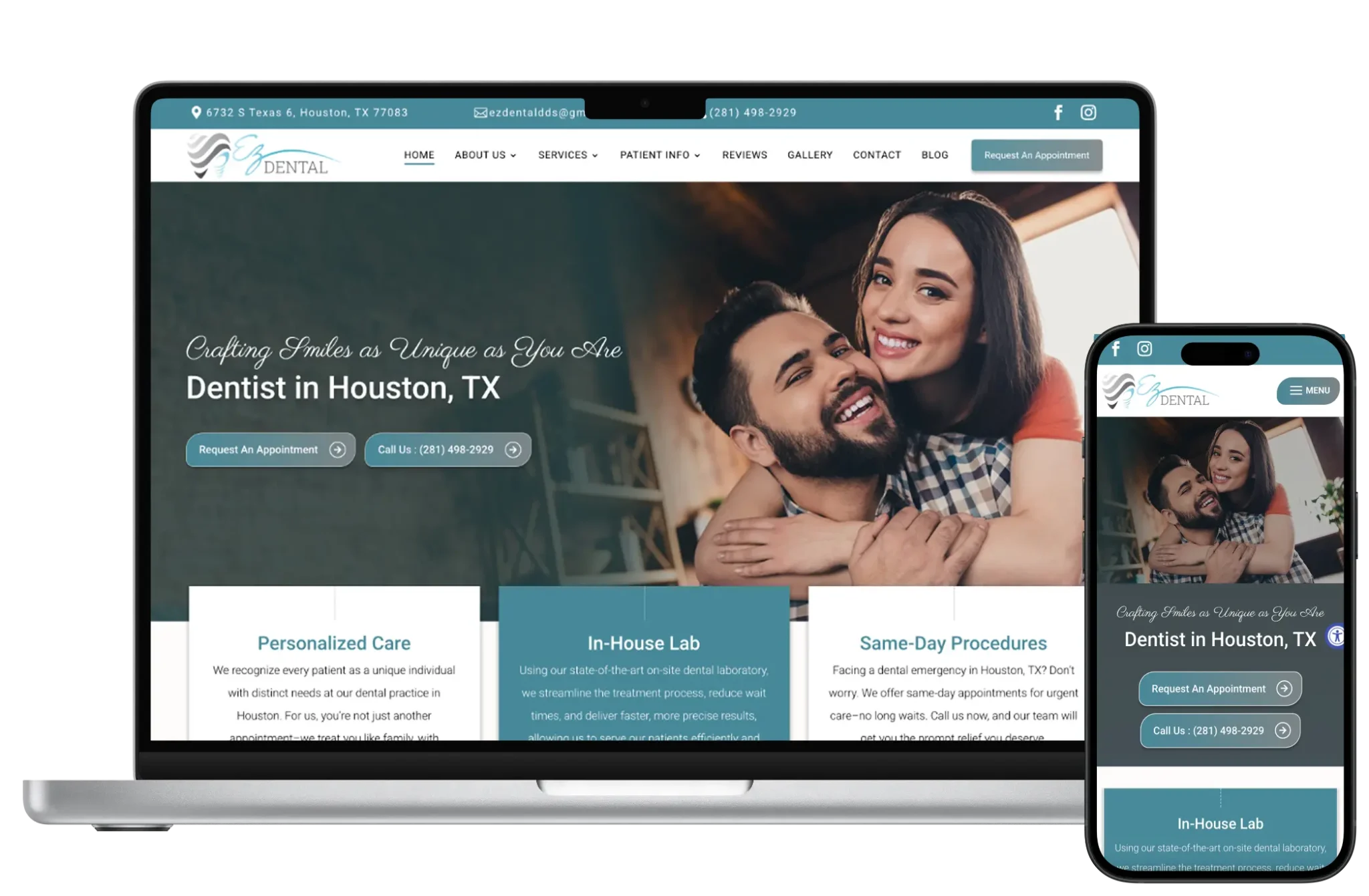
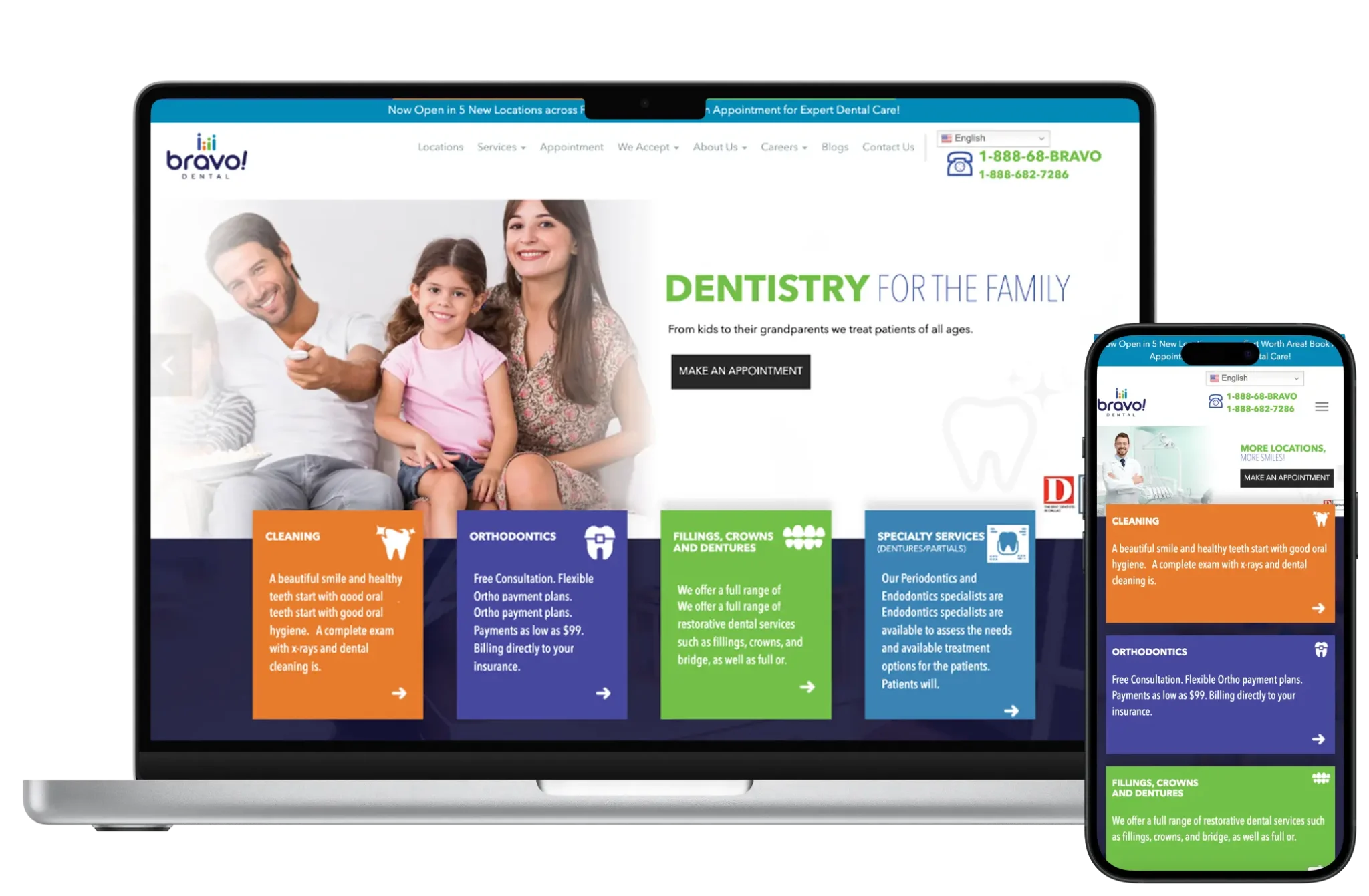
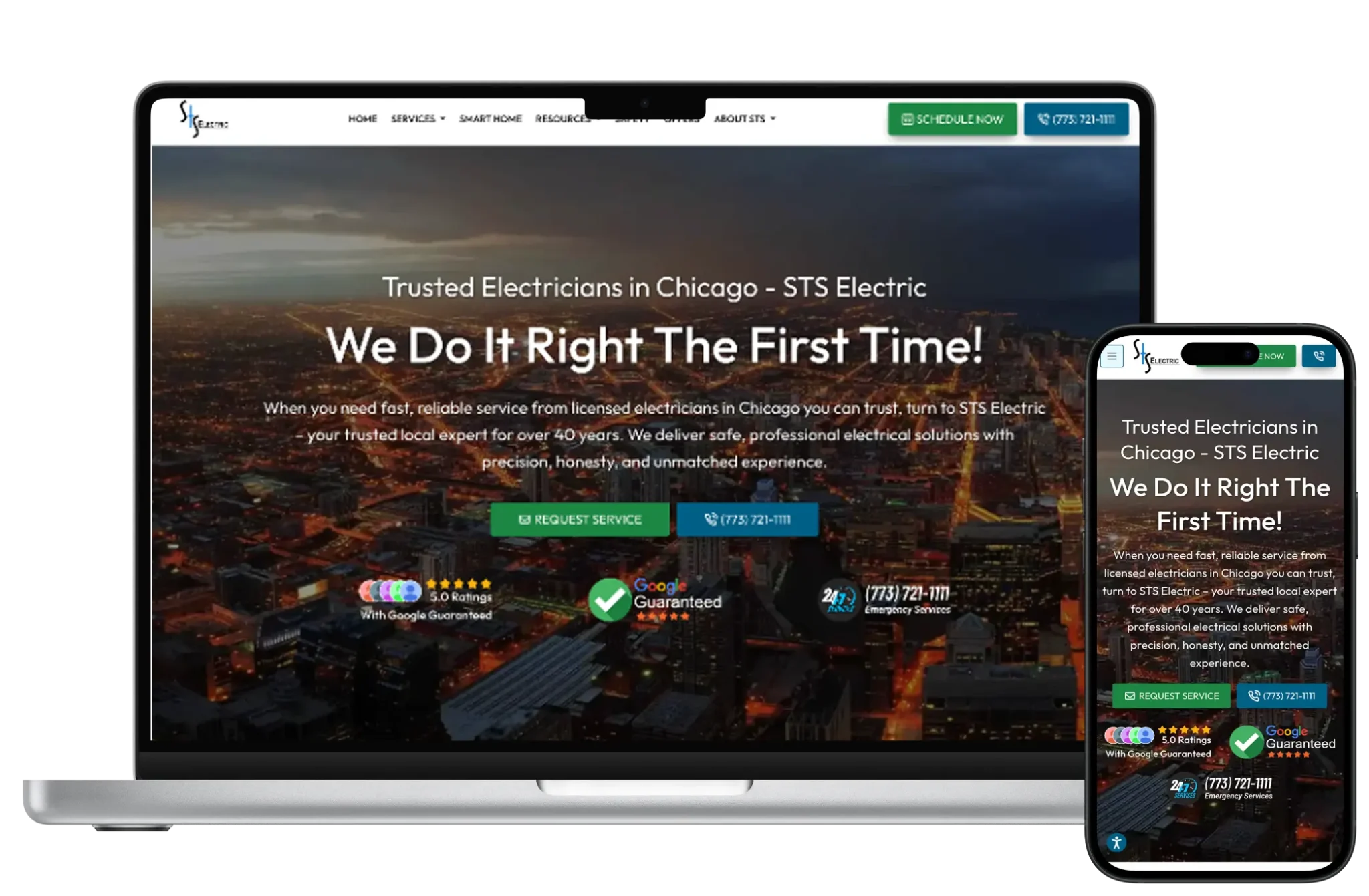
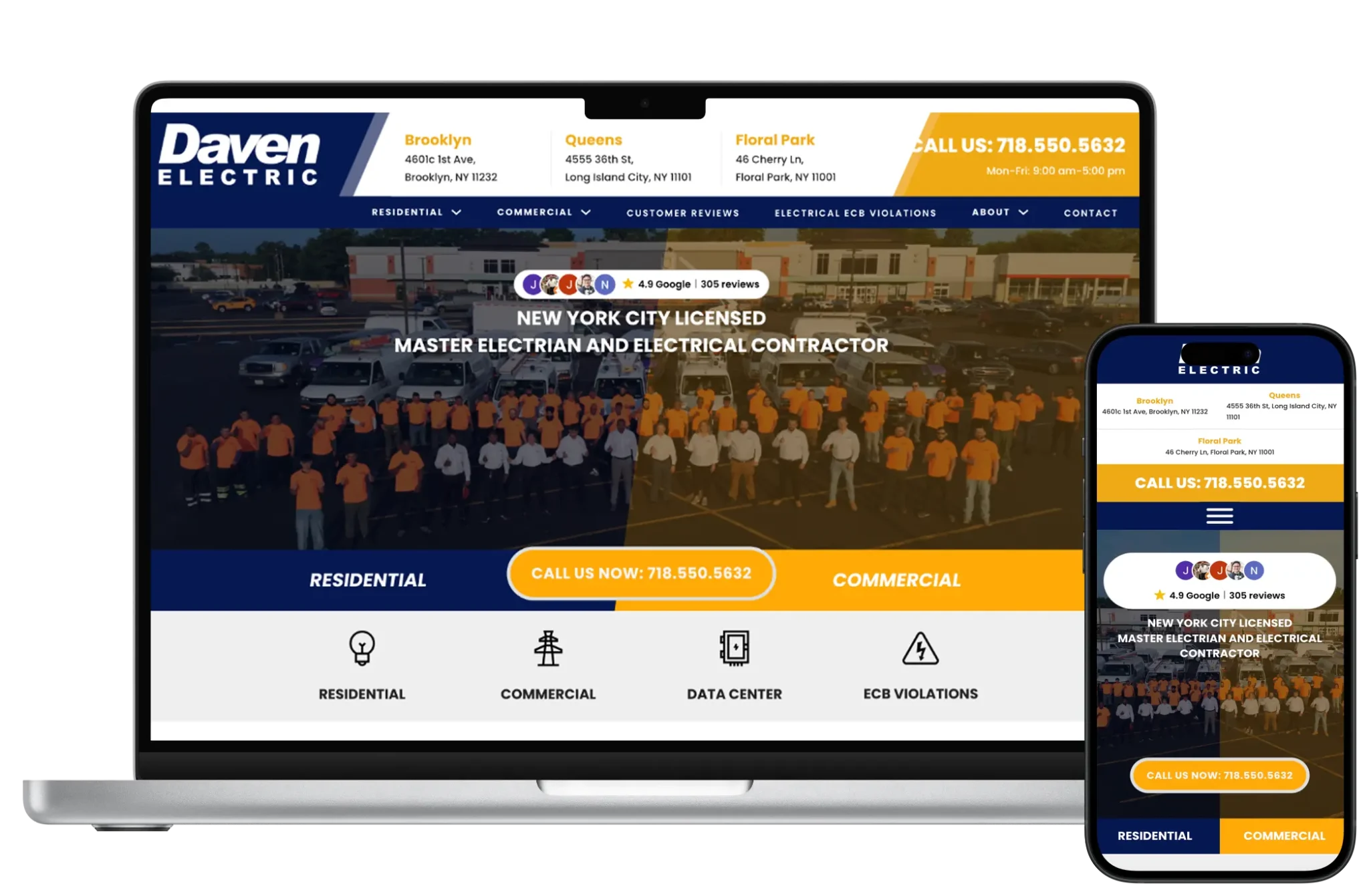
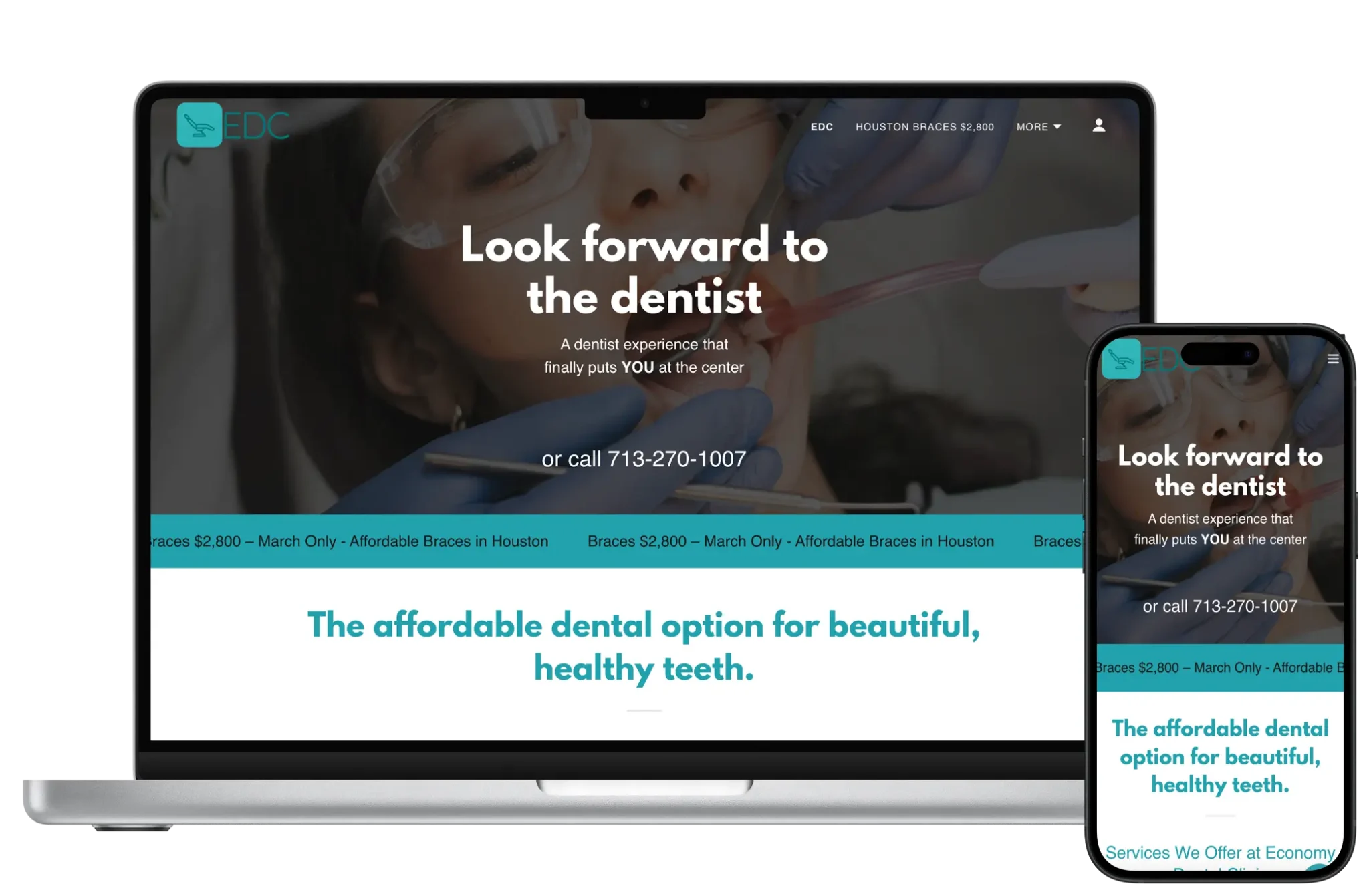
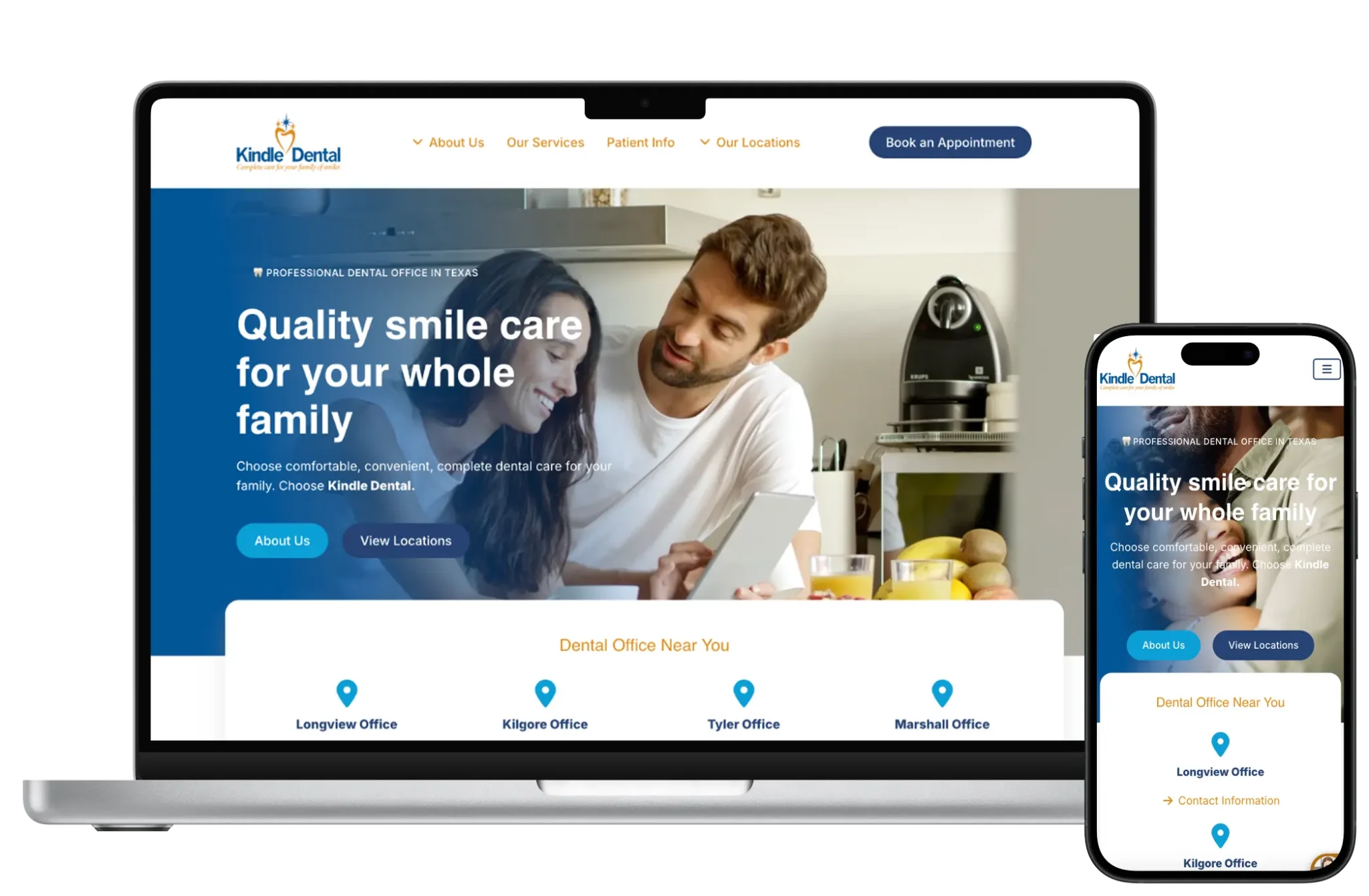
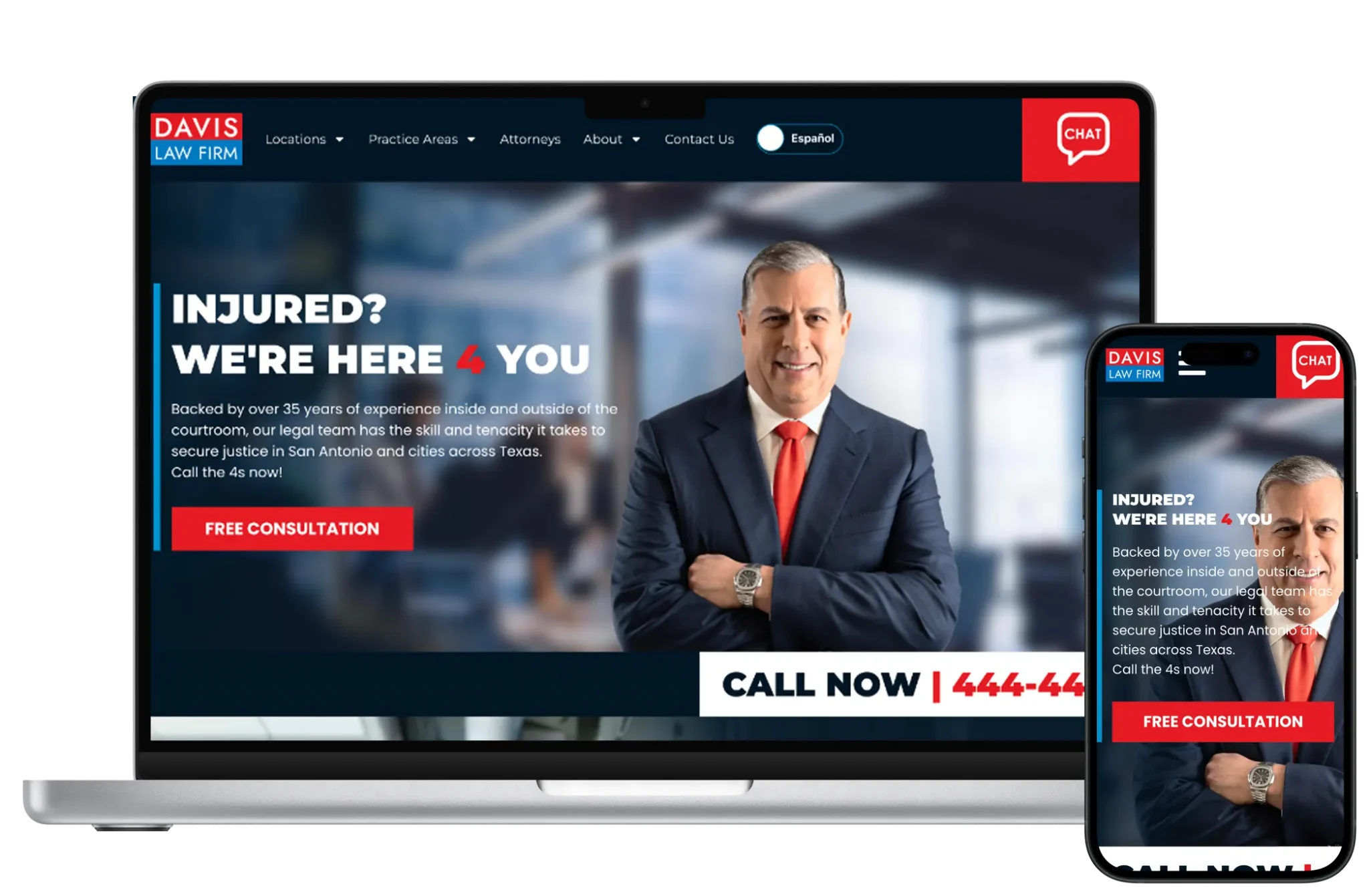
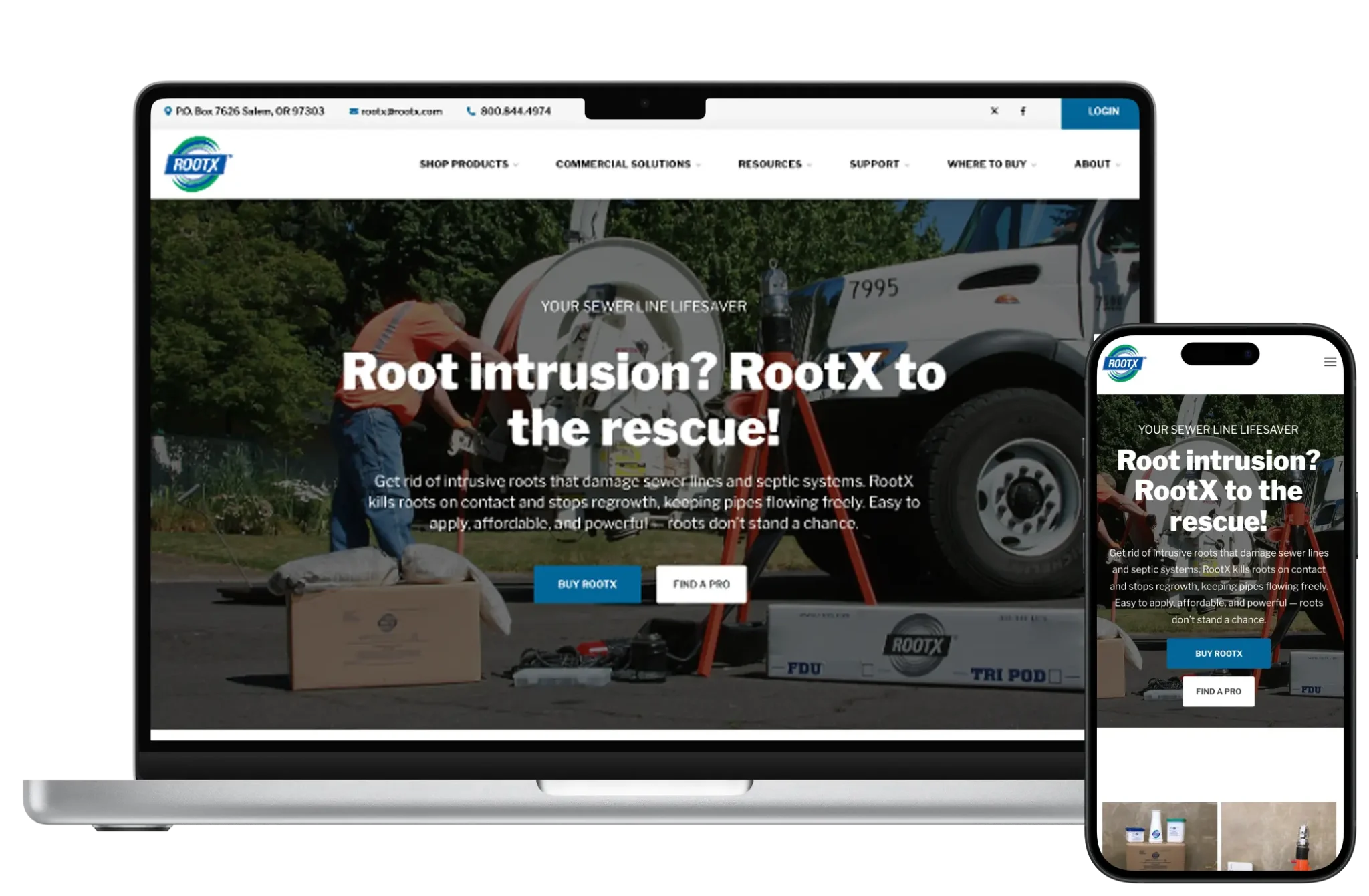
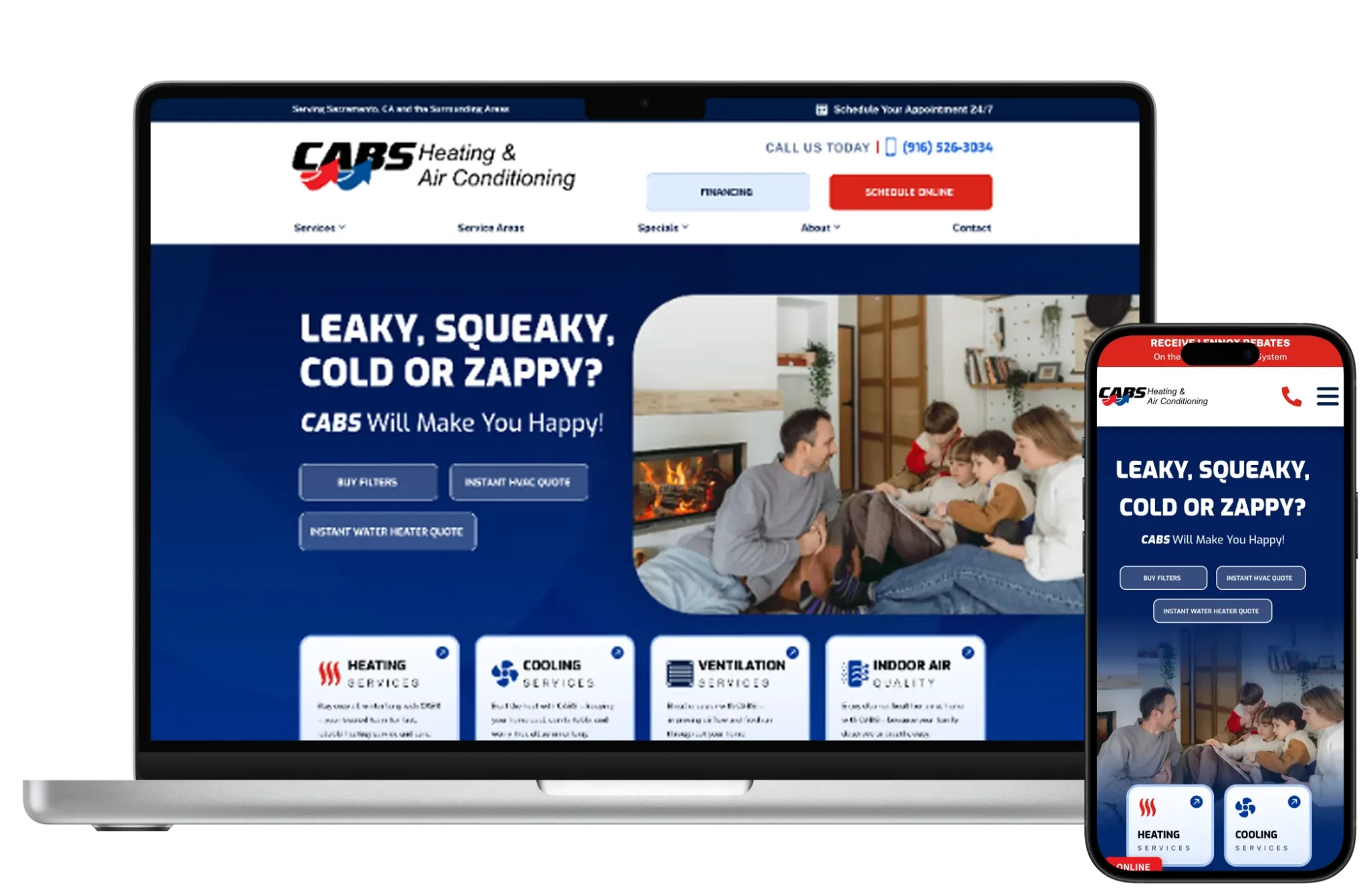
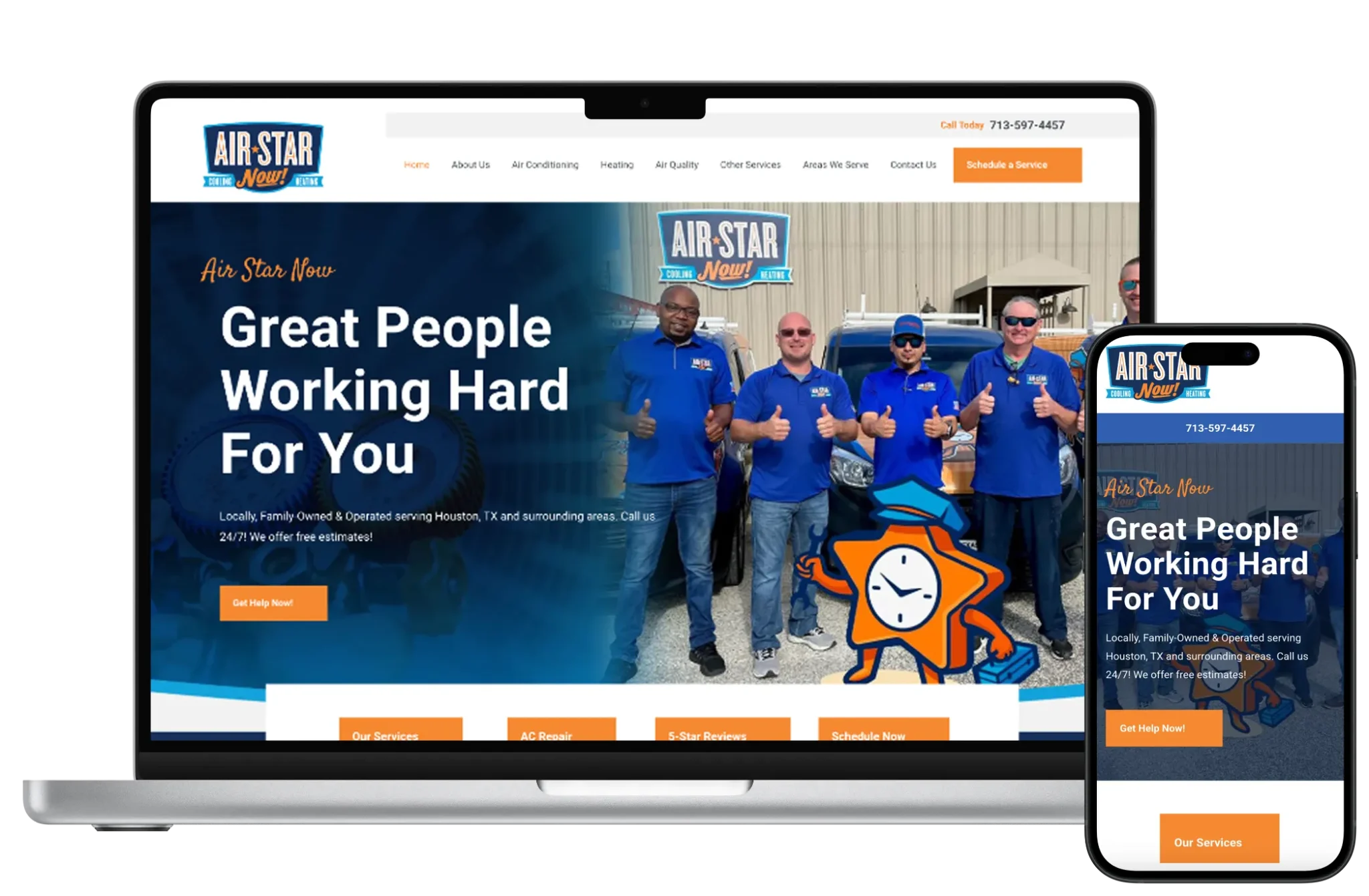
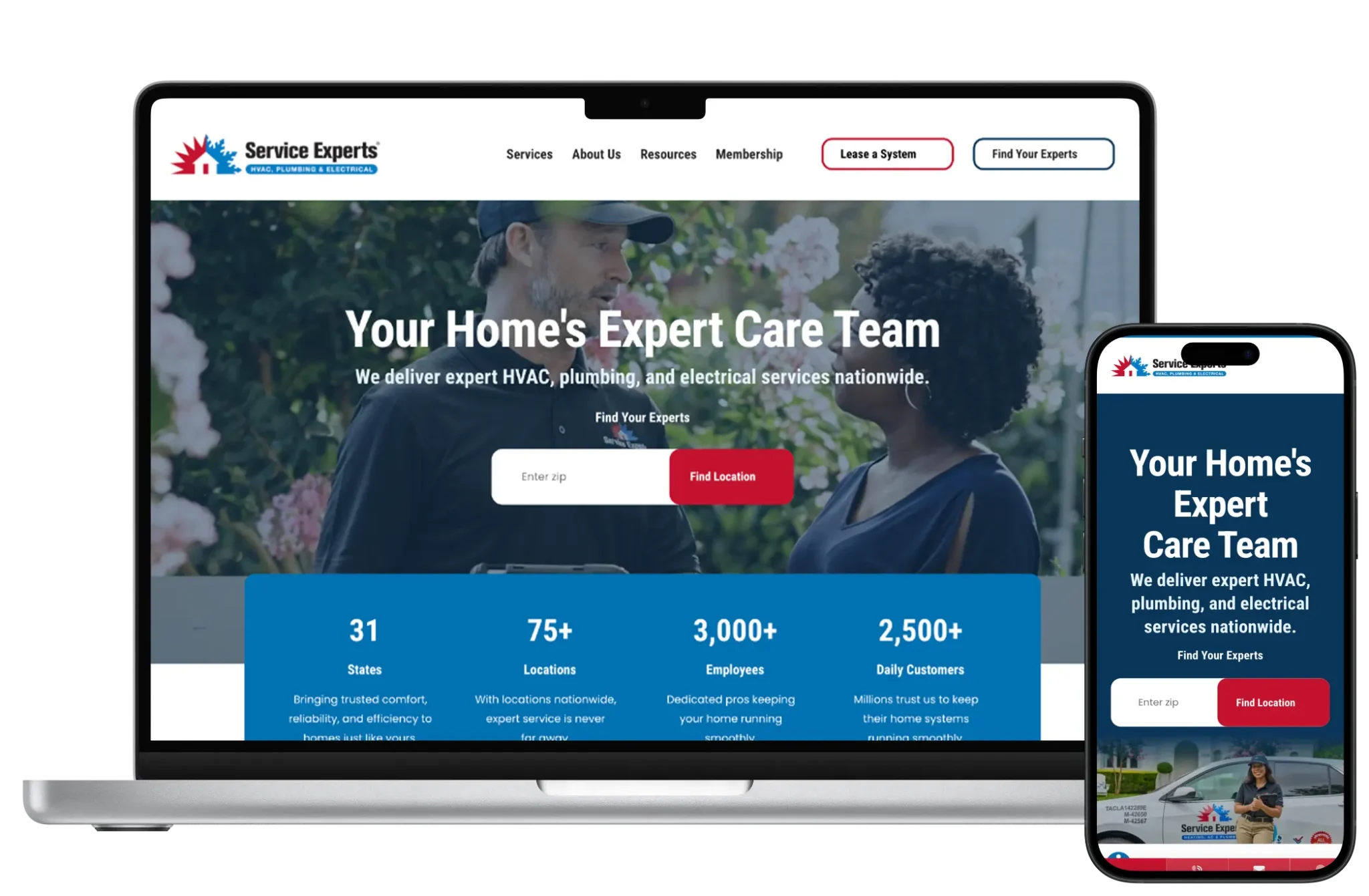
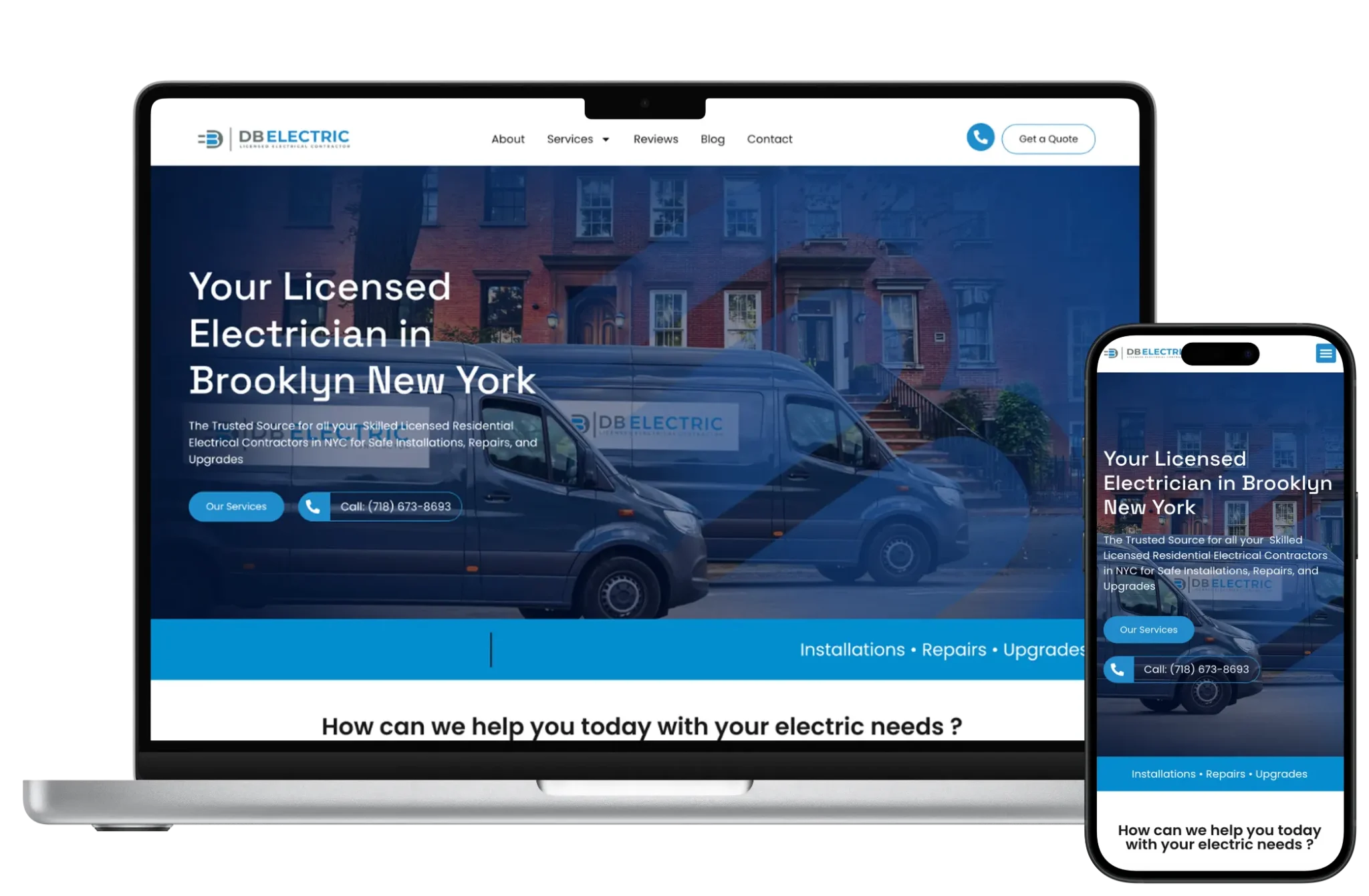
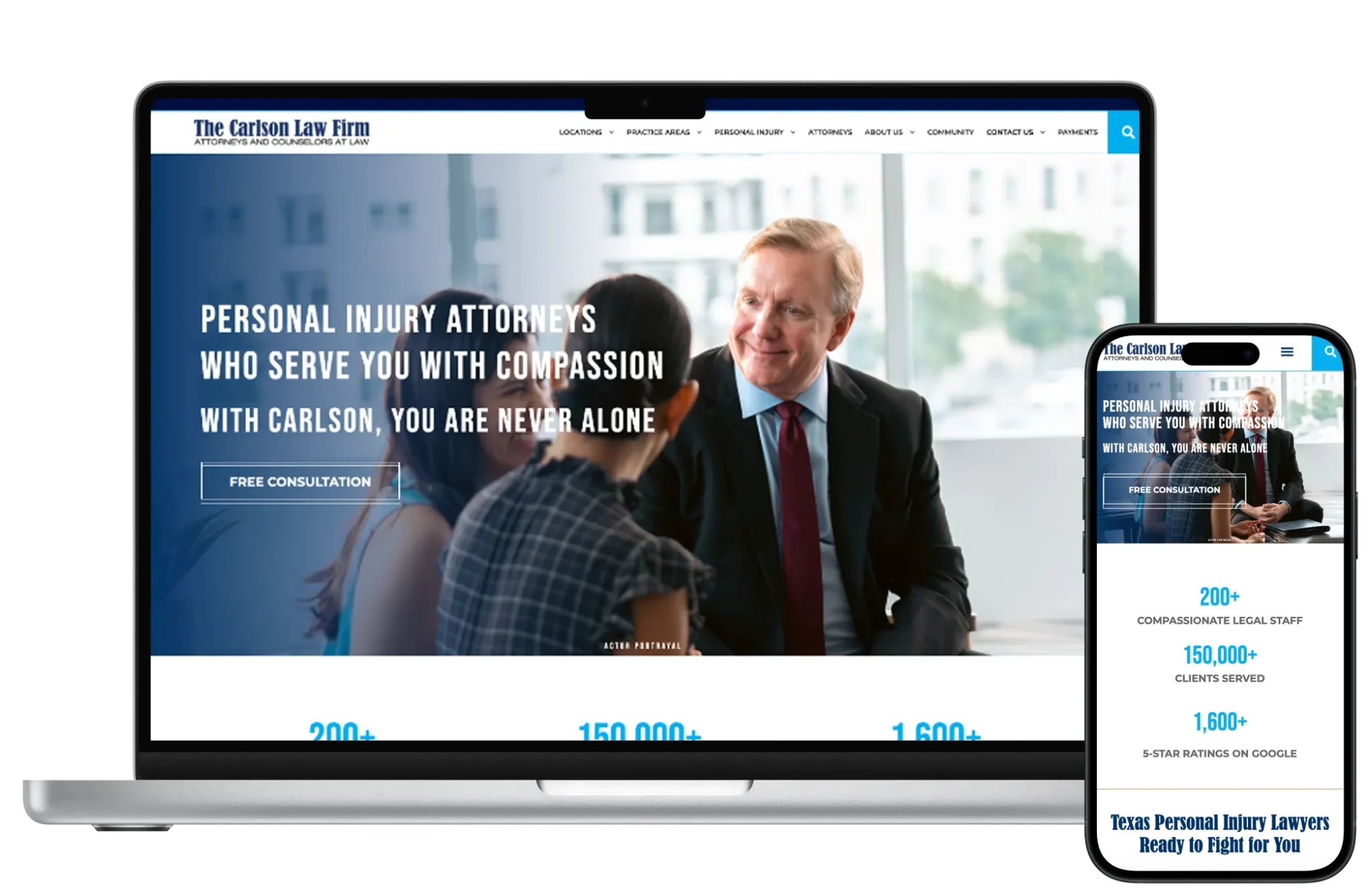
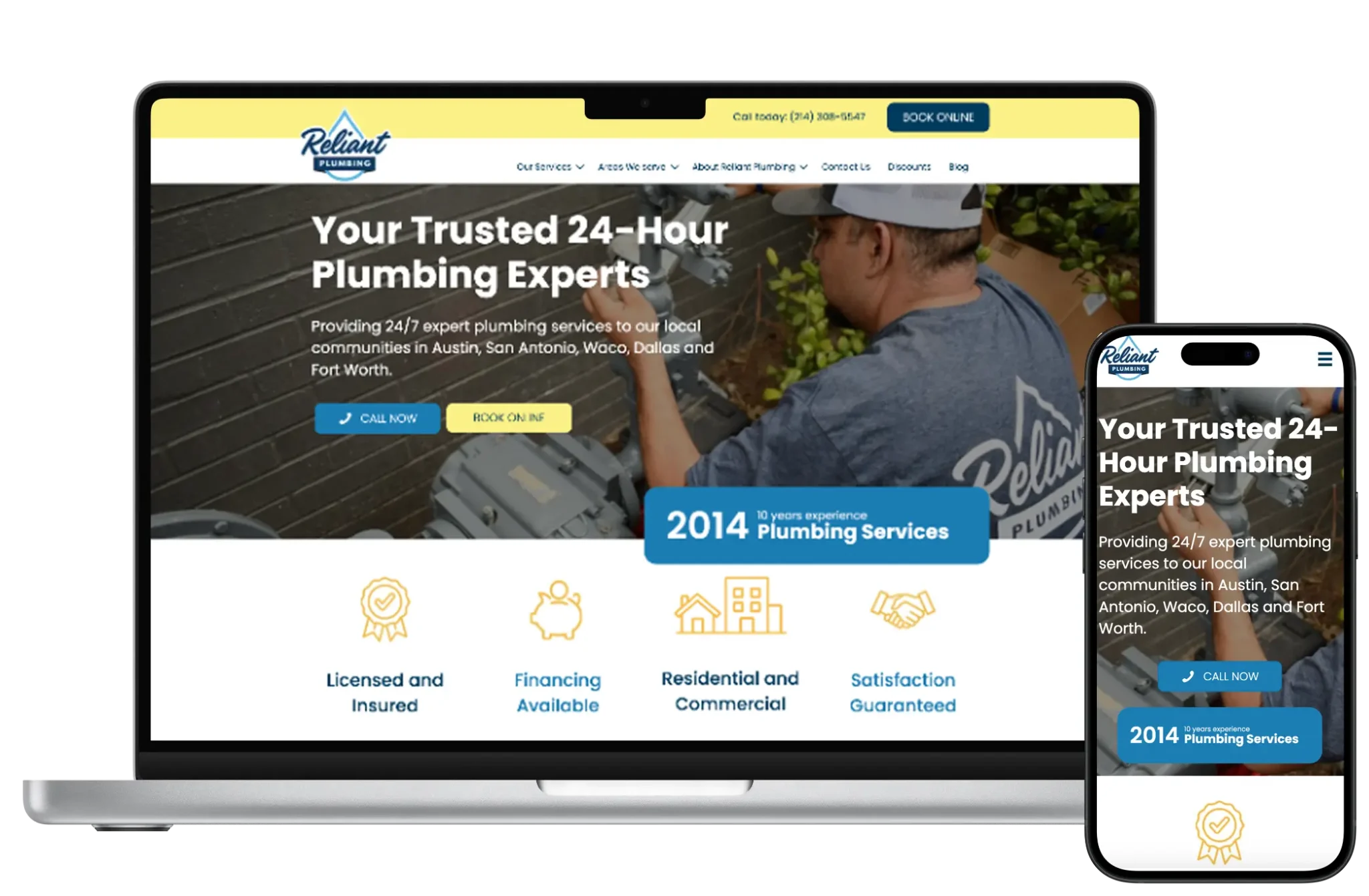
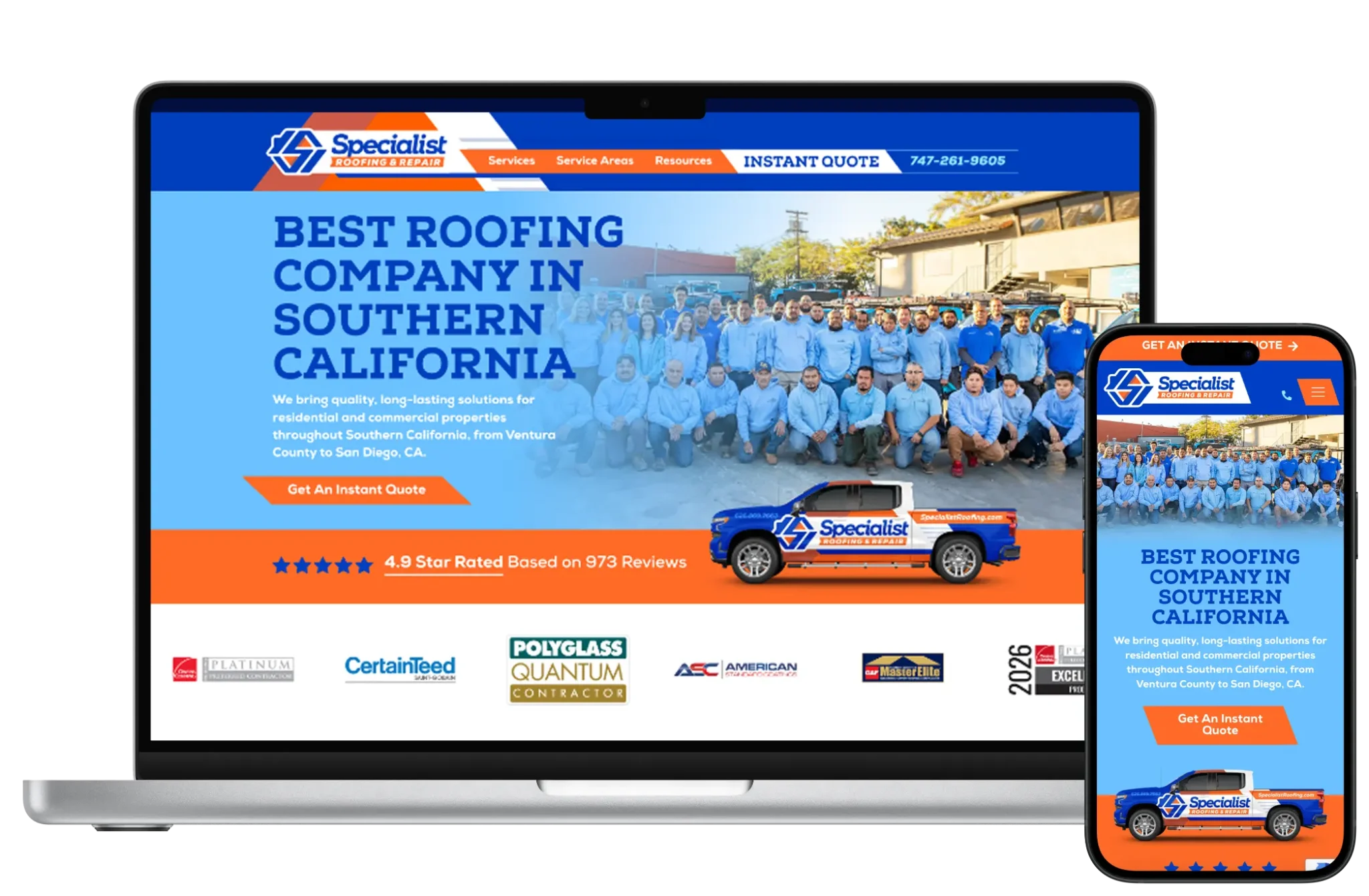
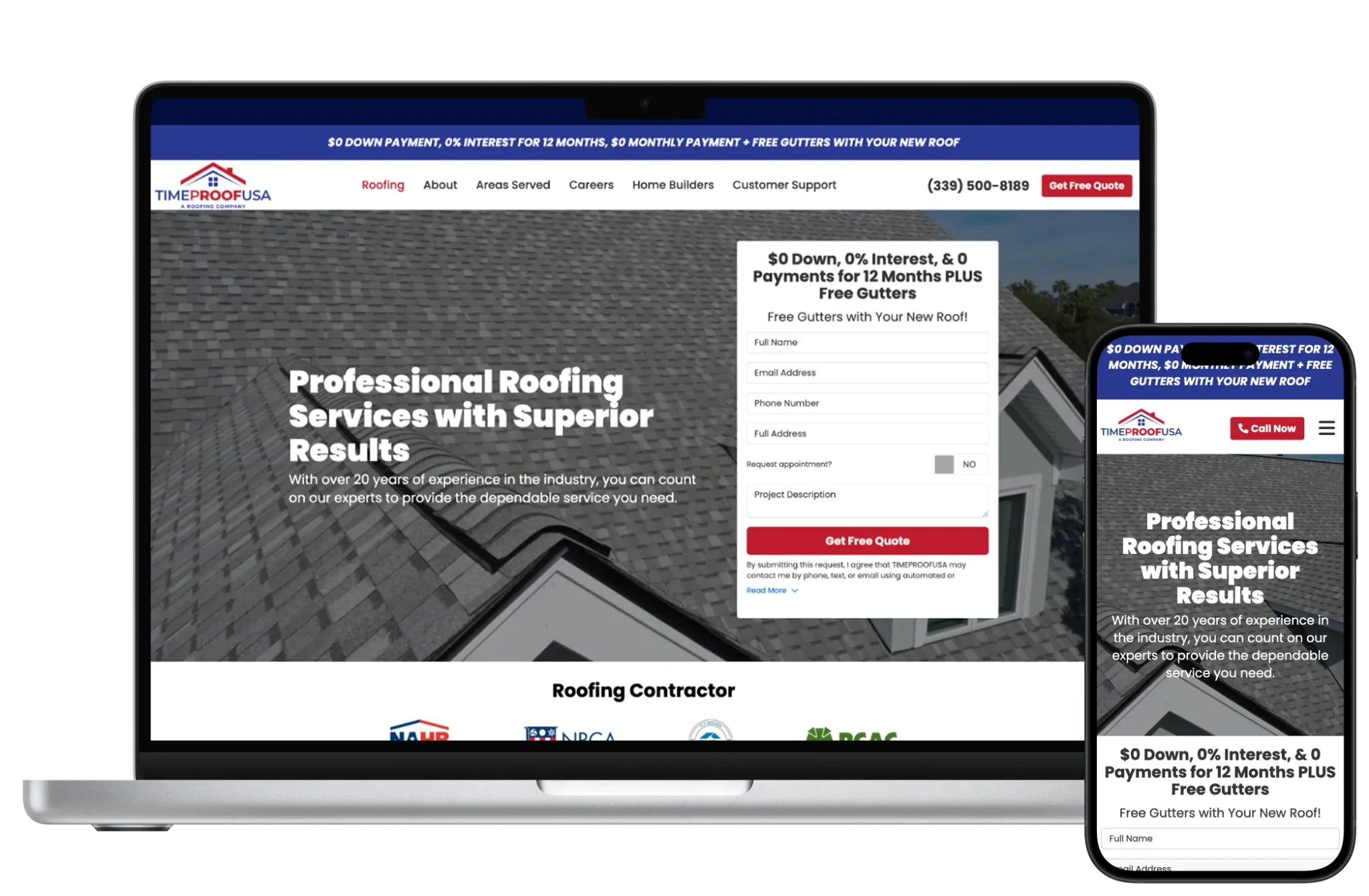
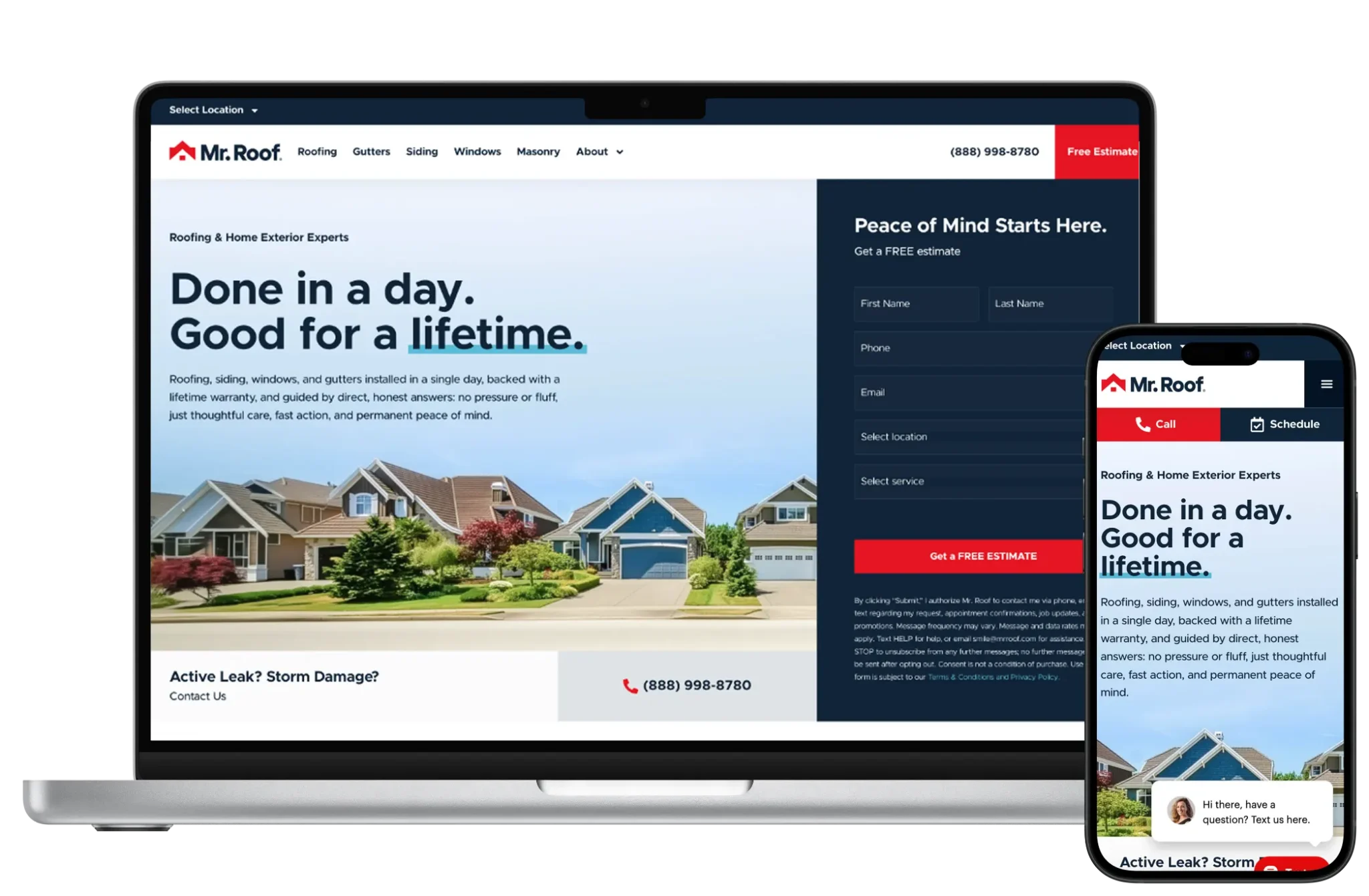
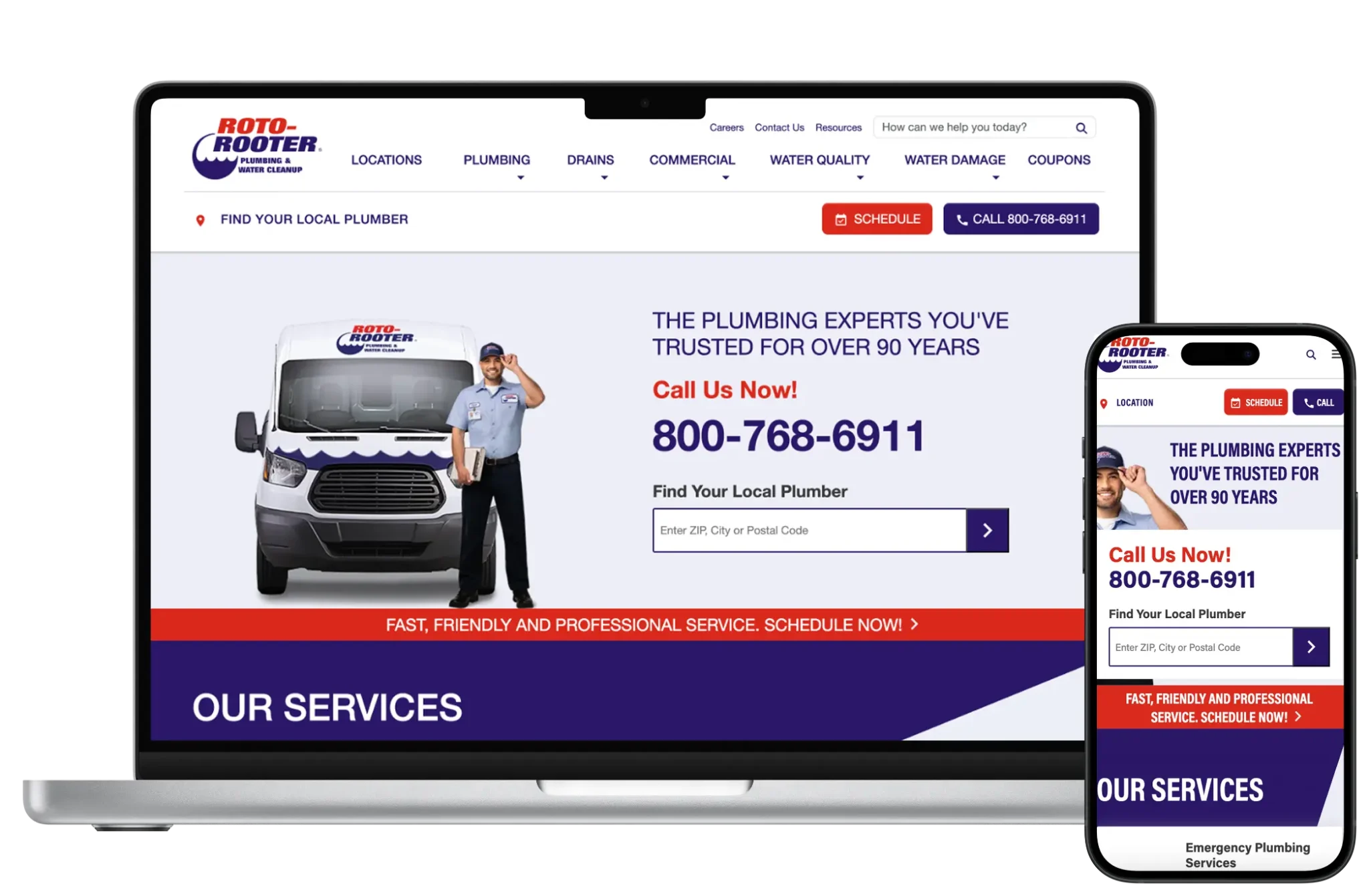
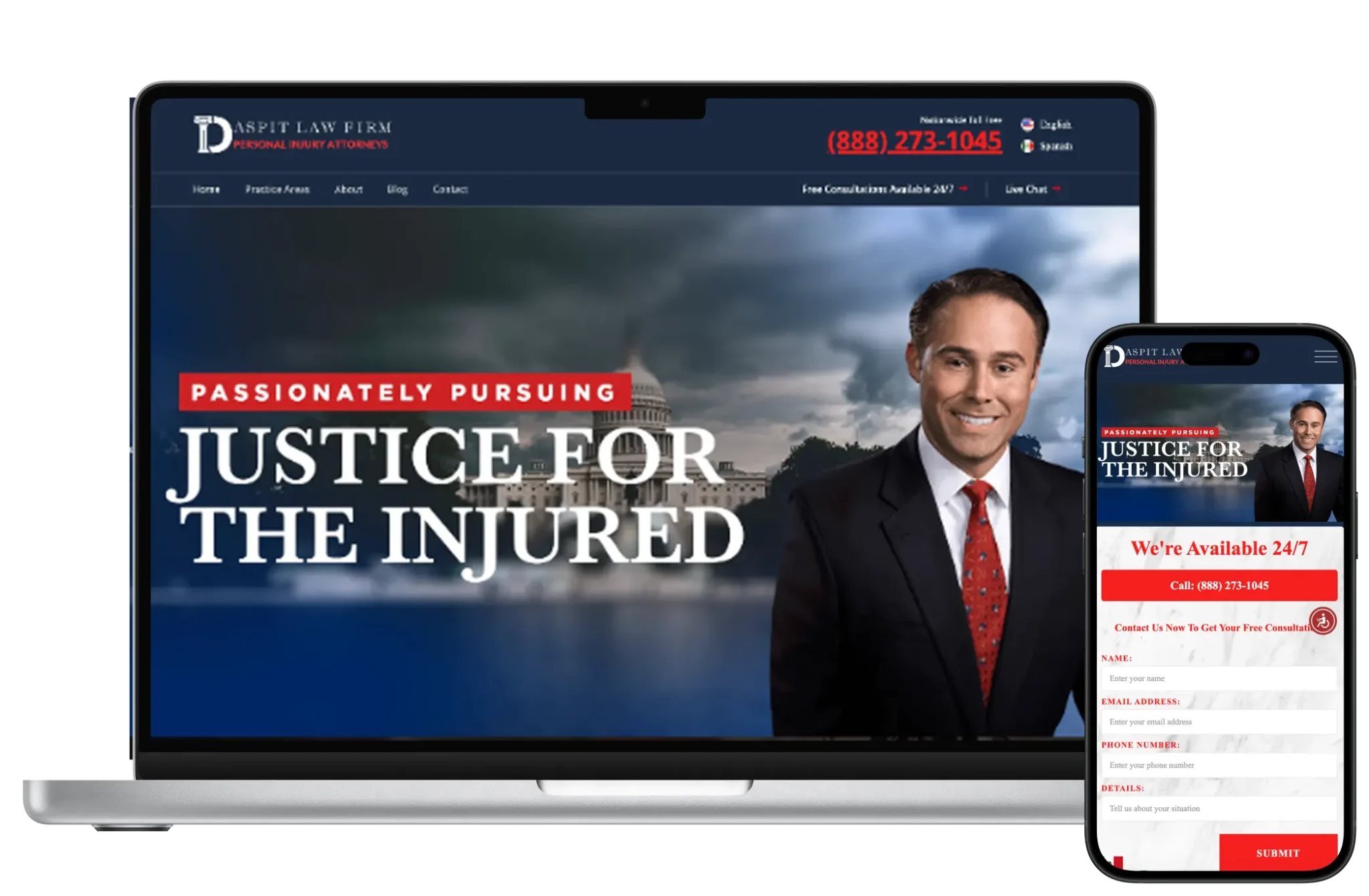
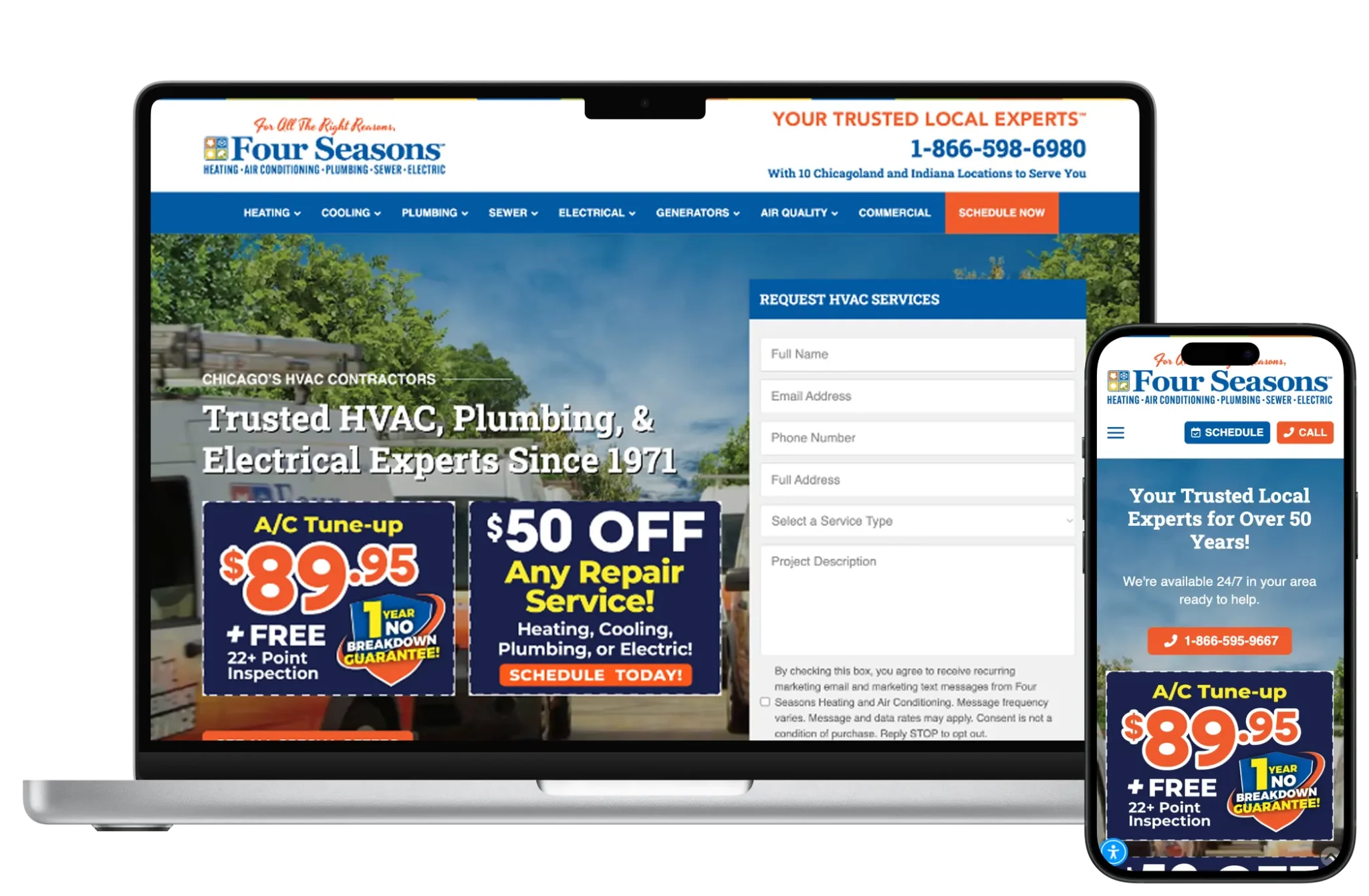
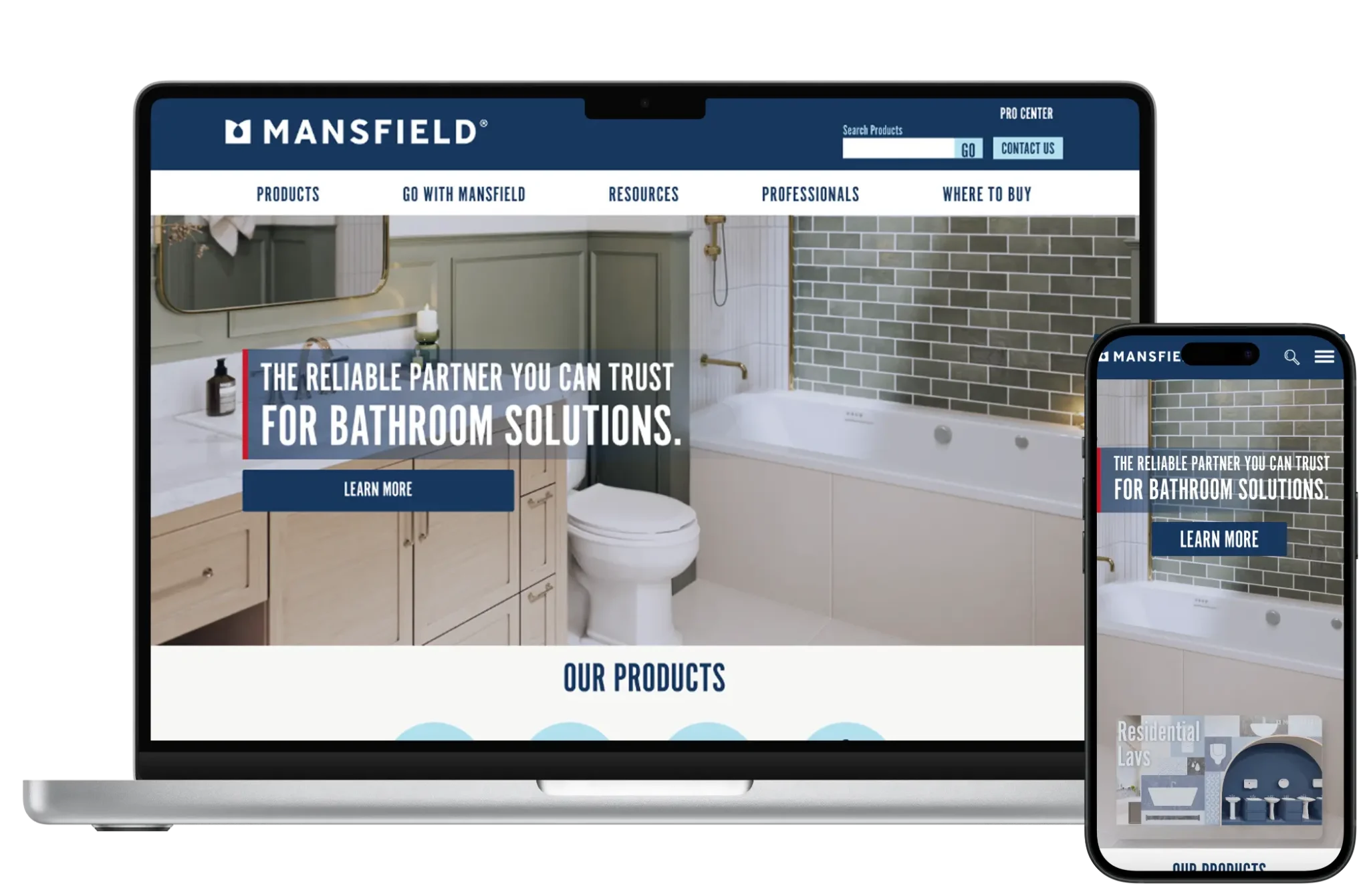
Read more →A look at website designs and layouts we build for service businesses — mockups and project types, not fabricated client claims.
Filters by interest, format, schedule, or credential type.
Clear steps and deadline callouts you can update.
Keep sessions current under monthly care.
Semantic structure and usable forms for diverse learners.
Parents, adult learners, and partners get relevant entry points.
Unique program pages that match how people search.
Primary conversions are applications, info requests, or event registrations depending on the funnel stage.
Ask only what admissions needs early; long forms reduce starts.
Confirmation pages should restate deadlines and document checklists.
Program and format queries need unique pages—not one thin courses dump.
Technical SEO includes crawlable catalogs and careful handling of search widgets.
Outcomes content must be accurate and disclosed. We will not invent placement rates.
We connect SEO work to technical SEO, on-page SEO, and — when local demand matters — local SEO. We do not promise specific rankings.

Campus and location pages help regional institutions and training centers.
Keep NAP and maps accurate for each site you operate.
We only recommend location pages when you genuinely serve the area and can add unique value — not doorway-page city spam. See Google Business Profile optimization.
Yearly plans that include design, development, maintenance and SEO foundations — without a large upfront project fee.
For small businesses that need a professional site without a large upfront build.
Best for local and service businesses ready to generate more leads every month.
For growing brands that need ongoing development, SEO and conversion work.
Large sites, complex integrations, multi-location brands and custom applications.
Most lead-focused Education Organizations engagements fit Growth ($299/year) when local/organic acquisition matters. Simpler brochure sites may fit Starter ($199/year). Multi-location, custom integrations, or heavier development fit Pro ($399/year) or Enterprise.
Setup fees may apply for redesigns, migrations, or large content builds — always disclosed before kickoff. See transparent subscription pricing and how website subscriptions work.
Full notes for challenges, strategy and supporting pages — so the sections above stay scannable.
Organize by audience and by program family. Visitors should reach a relevant program page quickly from search or homepage.
Make admissions next steps explicit: apply, request info, attend a session, or talk to admissions—matched to real processes.
Use subscription maintenance for catalog updates, deadlines, and events so trust does not erode mid-cycle.
Typical tools and workflows we plan around for Education Organizations:
Platform choice often lands on WordPress for service businesses, or Shopify / WooCommerce when commerce is central.
SIS serves operations; marketing sites serve discovery and persuasion. They should connect, not replace each other poorly.
Then we emphasize process, faculty, and program fit—never fabricated stats.
No. We improve discovery and inquiry conversion without enrollment guarantees.
Straight answers about scope, pricing, ownership and what a subscription includes for this page.
Yes—via deep links and guided apply pages that set expectations before handoff.
Through finders, taxonomy, and templates that stay maintainable as offerings change.
Yes. Scheduling flexibility, career context, and admissions tone often differ from youth education sites.
We design with accessibility best practices and semantic structure. Formal audits can be scoped when needed.
Event pages help when kept current; expired events should be archived cleanly.
Transparency often improves lead quality. You decide what to publish; we present it clearly.
Deadlines, programs, and sessions change by term. Subscription updates prevent stale trust killers.
Yes—for program pushes and info-session drives.
No. Only recognitions you can substantiate.
Education websites with clear catalogs, admissions paths, and honest SEO—maintained each term.