

Challenges SaaS Companies face online
Homepage hero copy describes features the market does not search for, while problem-led intent goes unanswered.Pricing pages dodge packaging reality…
Read more →SaaS marketing sites & product websites
SaaS websites have a harder job than brochure sites: they must explain a product, qualify the right buyers, activate trials or demos, and support SEO in categories often dominated by incumbents and…

SaaS websites have a harder job than brochure sites: they must explain a product, qualify the right buyers, activate trials or demos, and support SEO in categories often dominated by incumbents and review sites. 66sites builds subscription marketing websites for SaaS companies that treat positioning, information architecture, and conversion as one system—then keep shipping improvements after launch instead of freezing the homepage for two years.
Whether you sell PLG self-serve software, sales-assisted mid-market tools, or enterprise platforms, the site has to mirror how people actually evaluate you: problem pages, use cases, integrations, security trust, pricing philosophy, and proof. We design and develop those layers with performance and analytics in mind, and we maintain them monthly as messaging, packaging, and SEO priorities change.
We do not promise category keywords you cannot win yet, fake MRR screenshots, or "guaranteed demo pipeline." Honest SaaS SEO means building topical depth, technical quality, and conversion clarity that compound—measured with real dashboards, not vanity rankings claims.
Practical website, conversion and SEO work tailored to how your buyers actually decide.
Homepage hero copy describes features the market does not search for, while problem-led intent goes unanswered.Pricing pages dodge packaging reality…
Read more →
Start from jobs-to-be-done and ICP segments, then map URLs to problems, personas, and product modules. Navigation should help a first-time visitor…
Read more →
Product overview. Anchors positioning and routes visitors into modules or use cases.Use cases / solutions. Matches problem-led search and buying…
Read more →A look at website designs and layouts we build for service businesses — mockups and project types, not fabricated client claims.
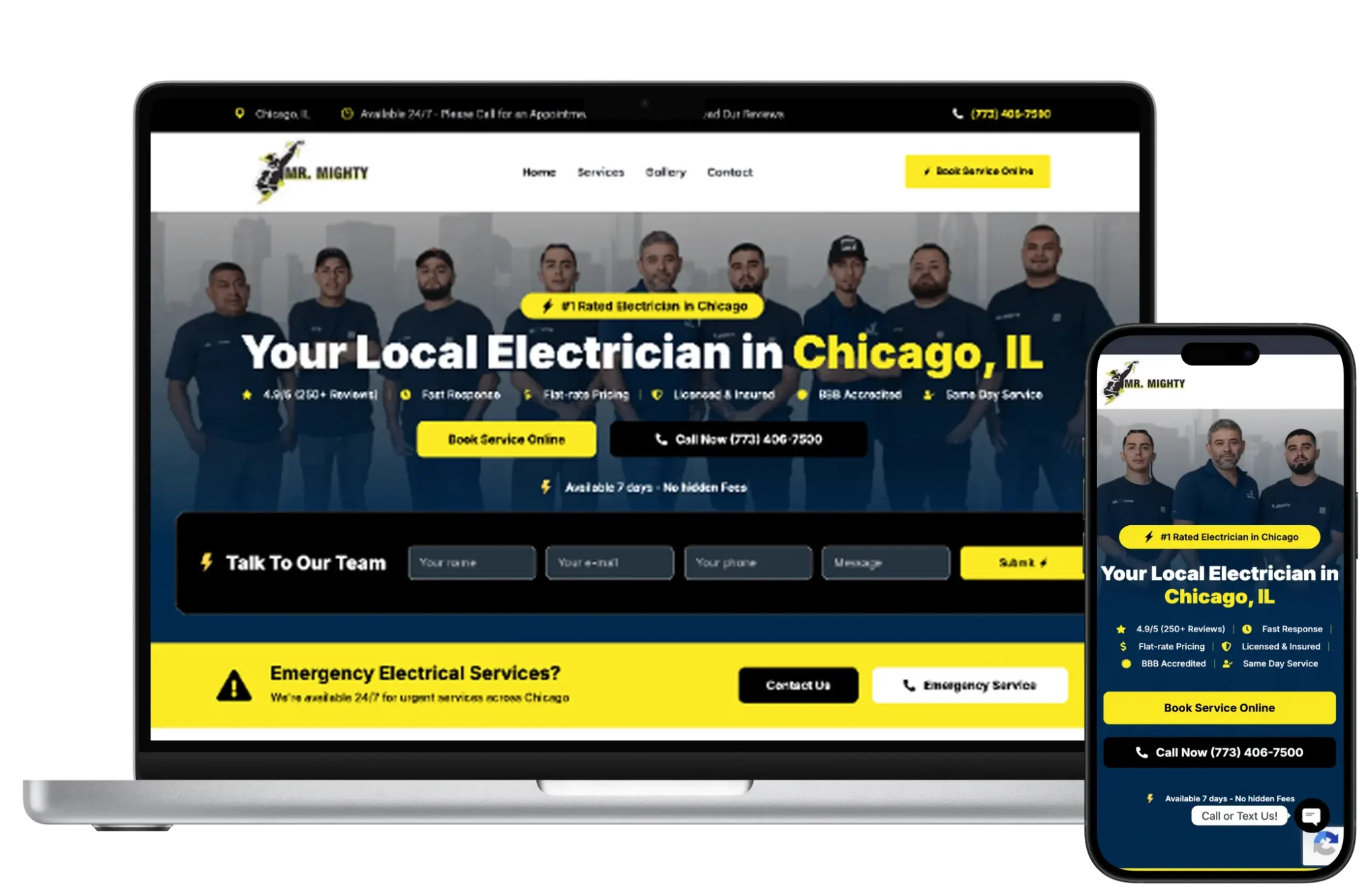
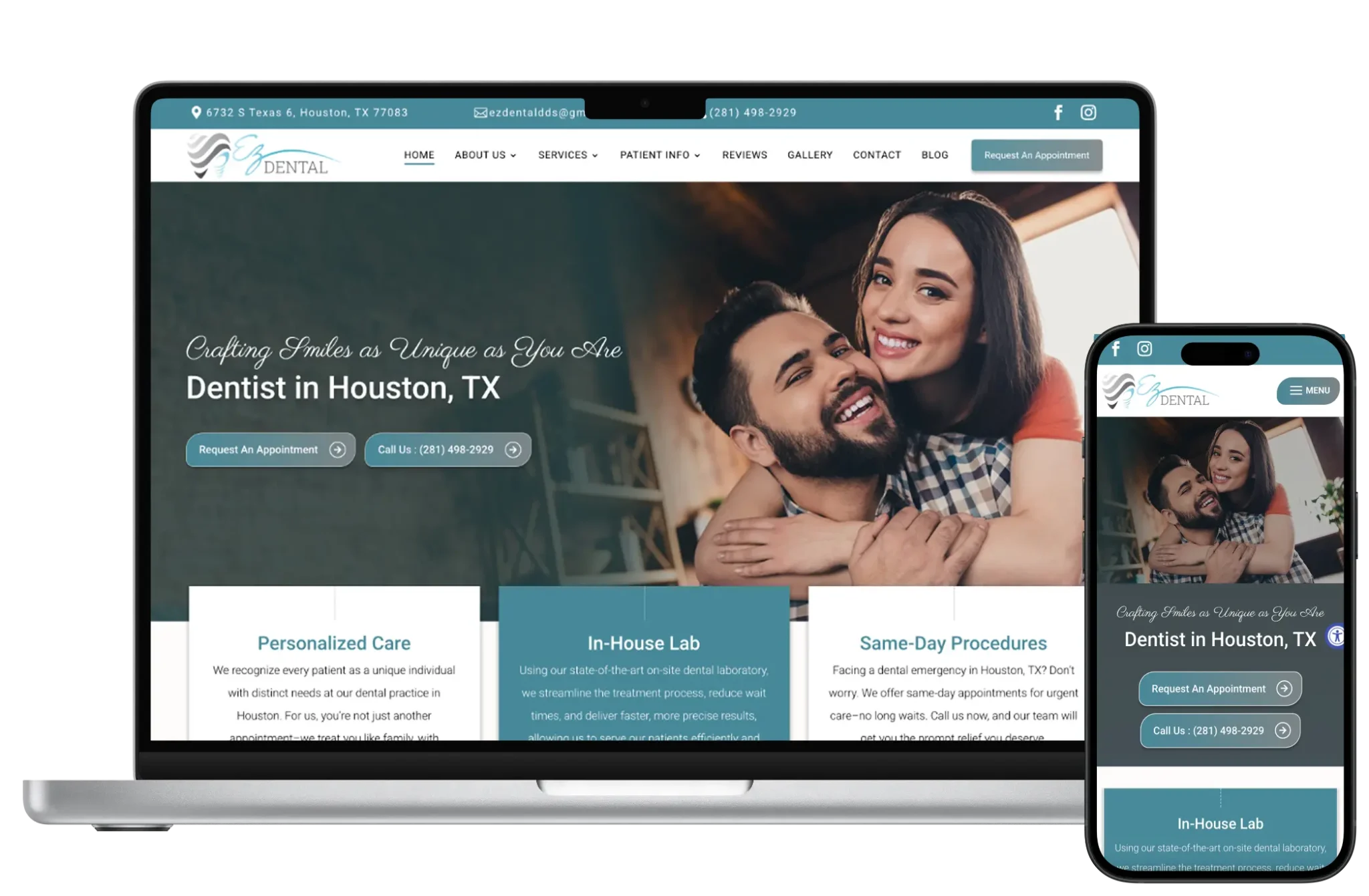
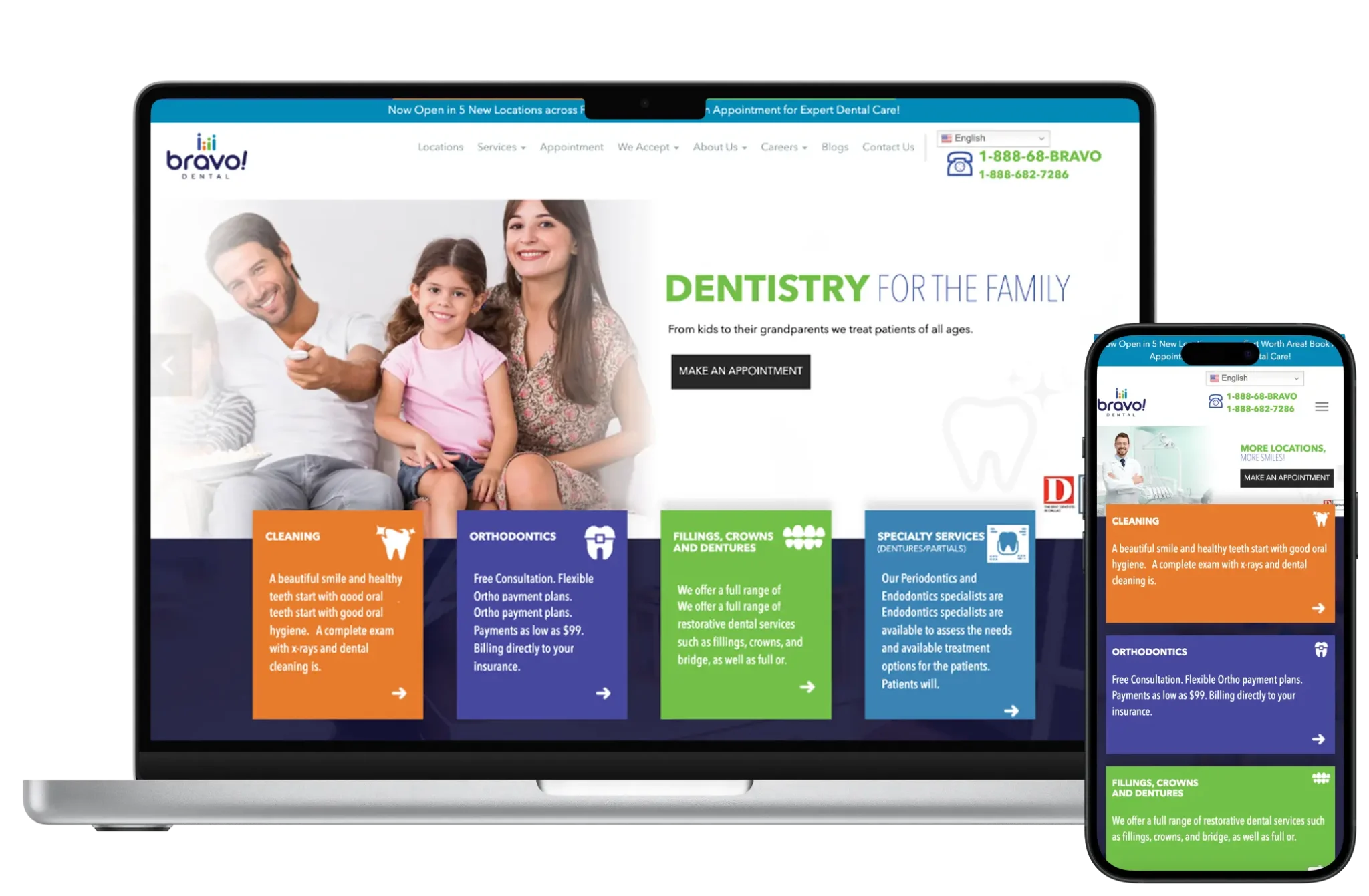
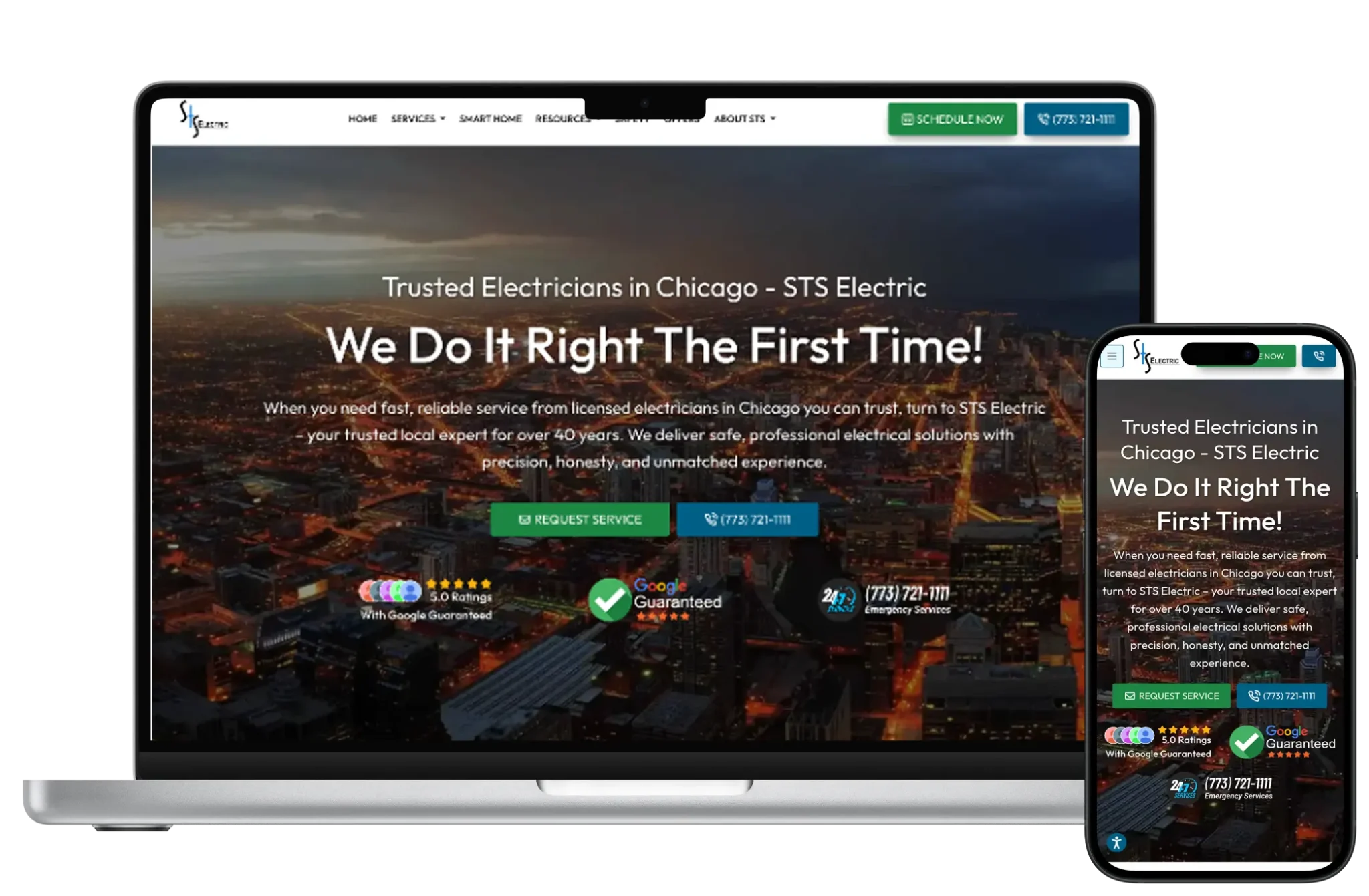
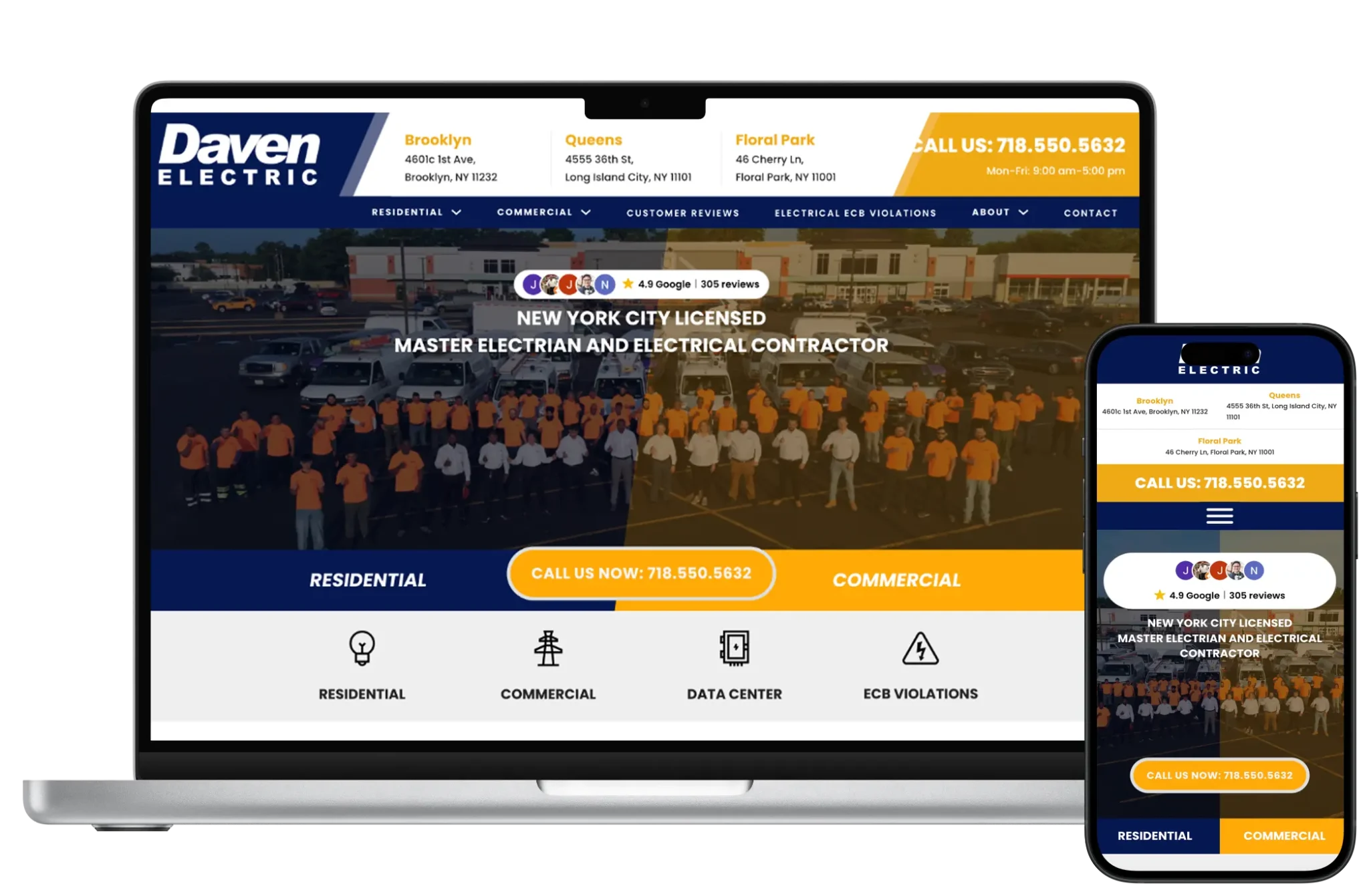
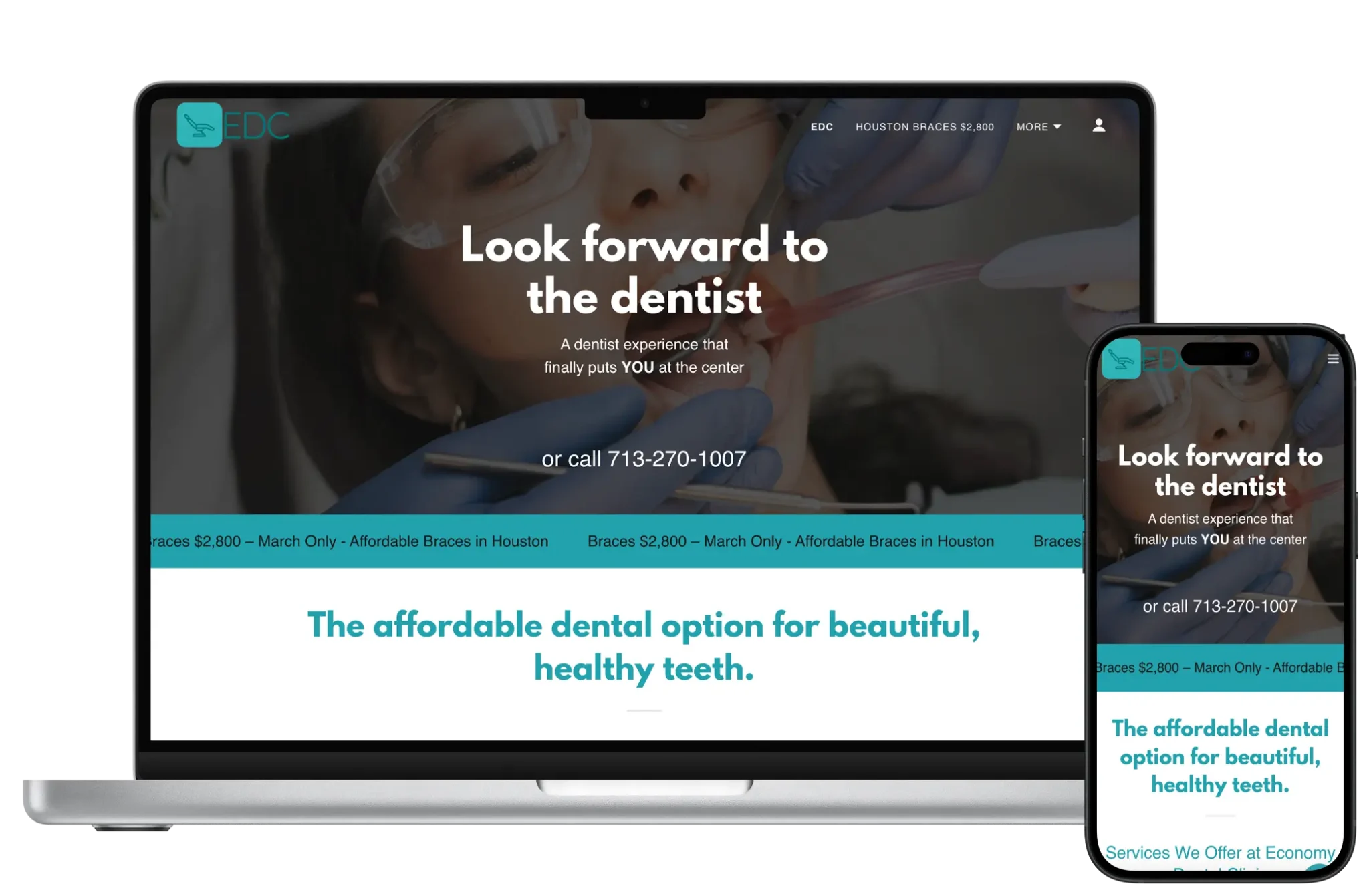
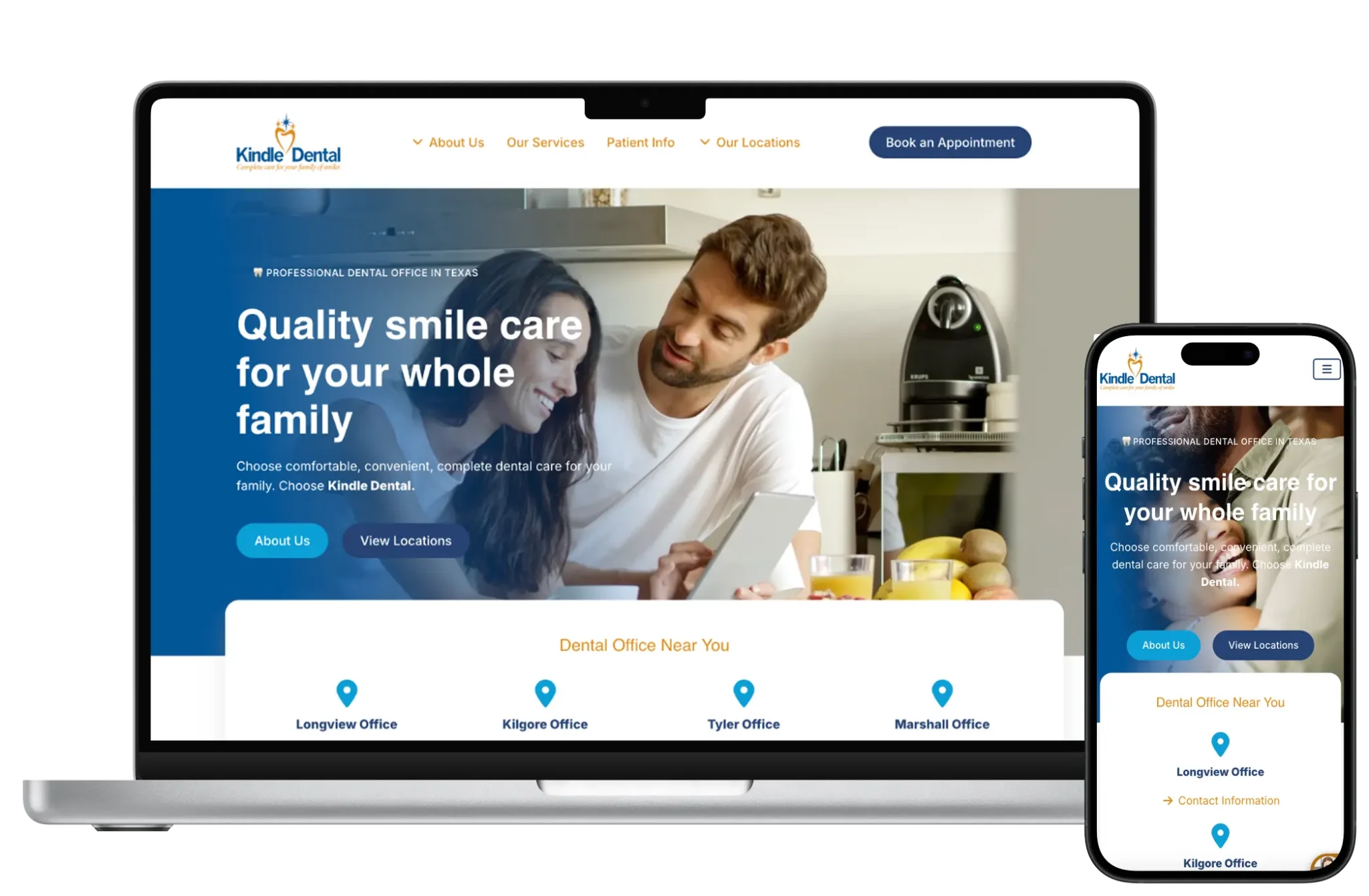
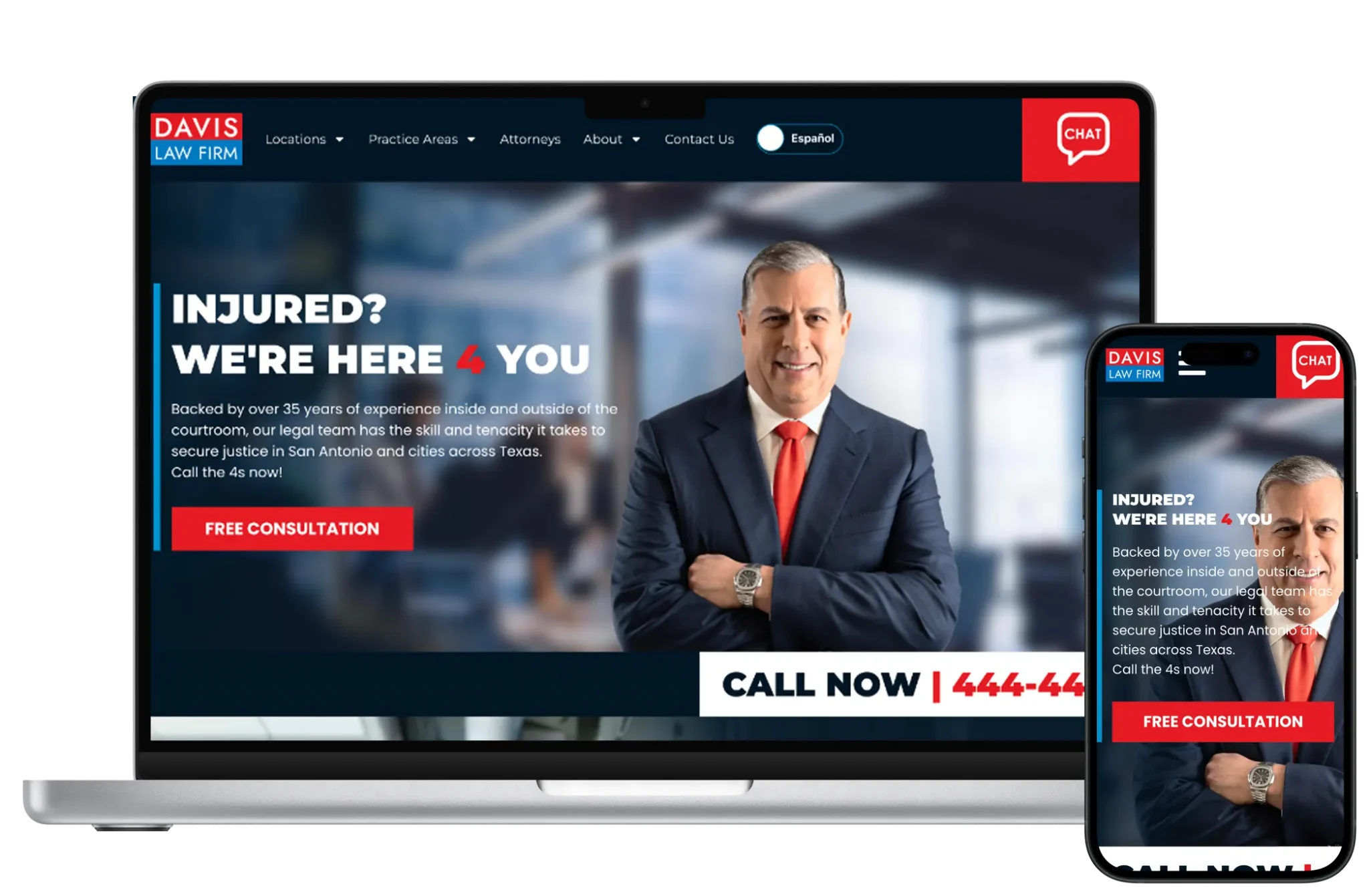
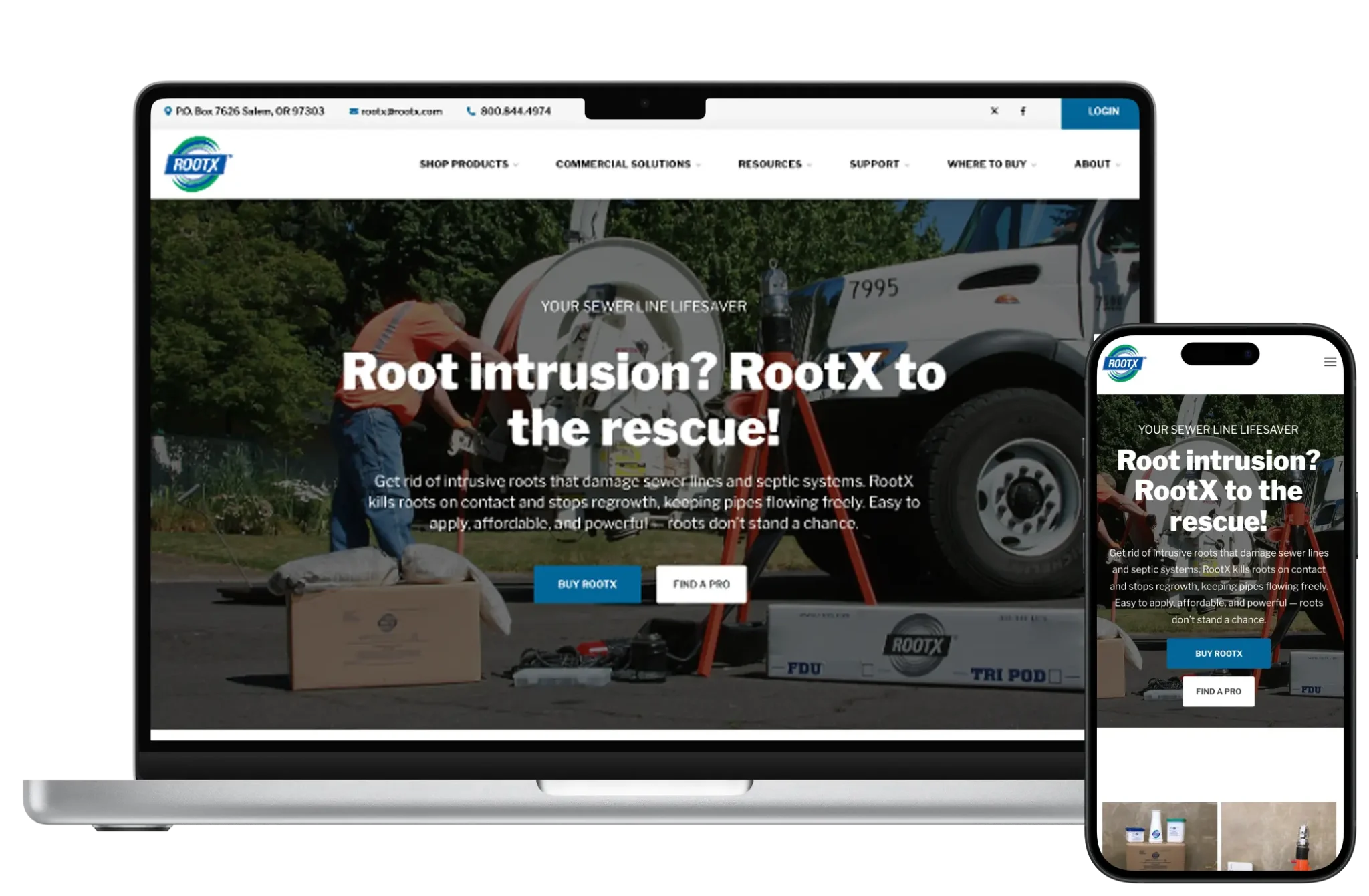
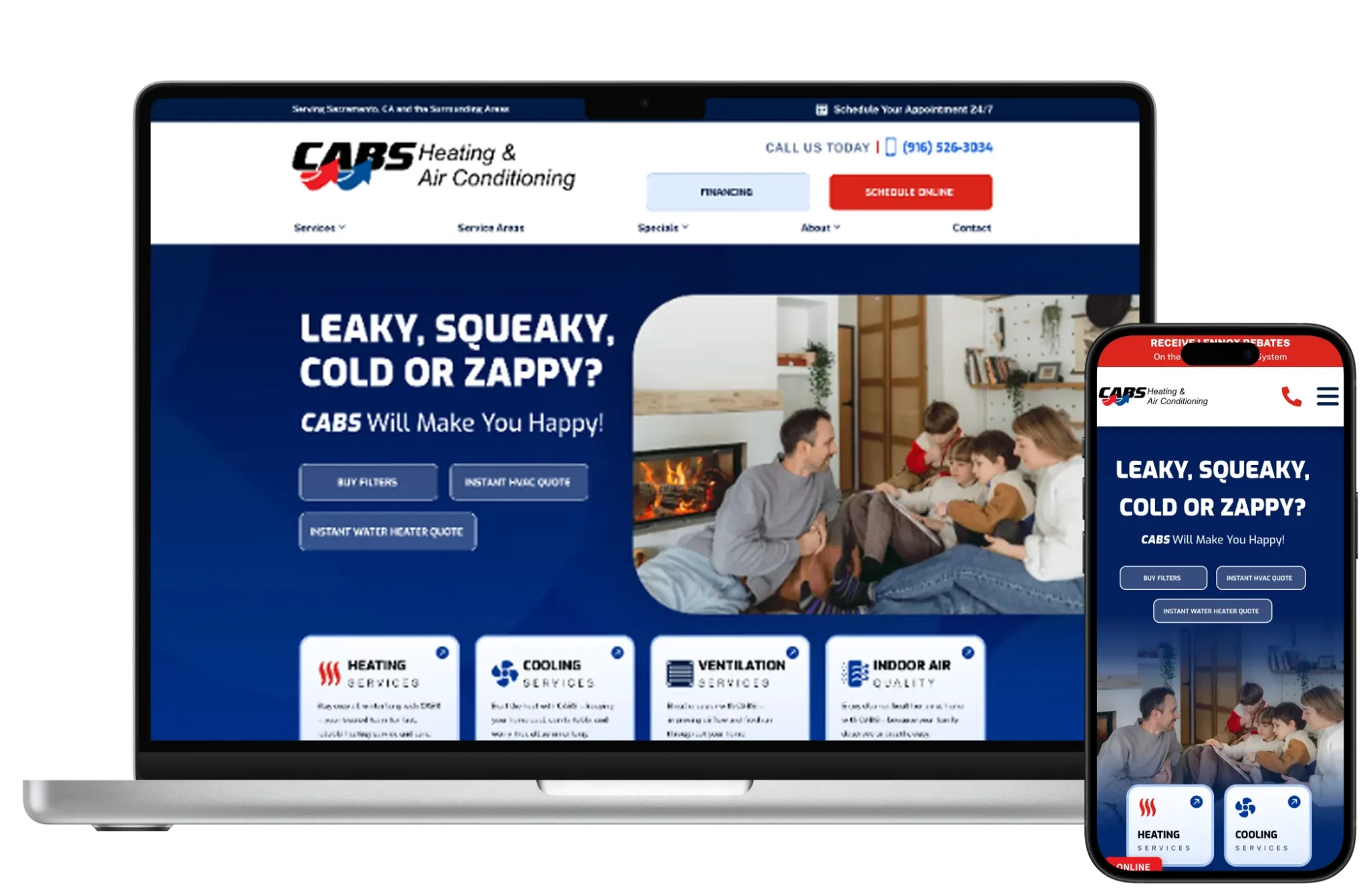
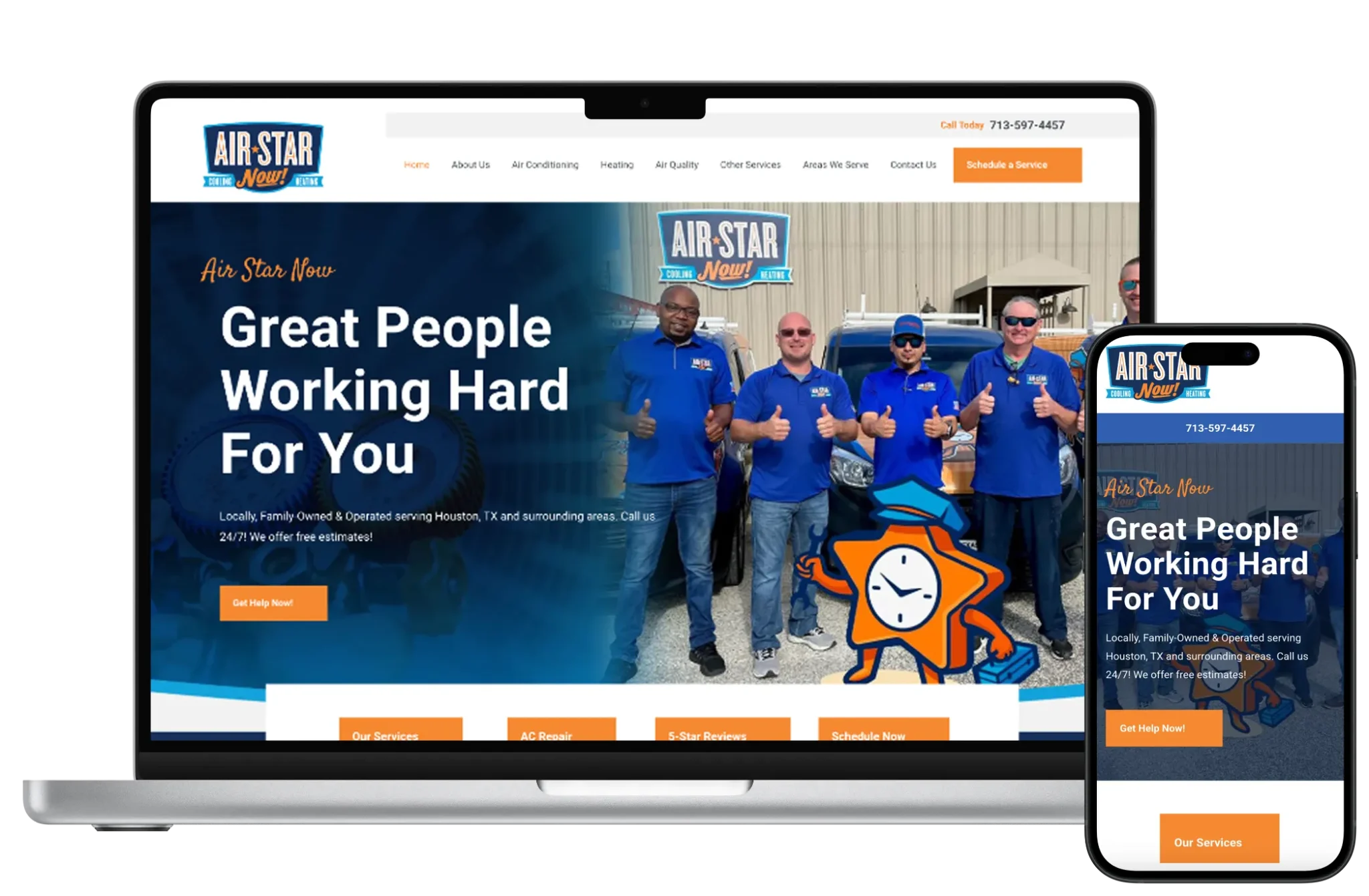
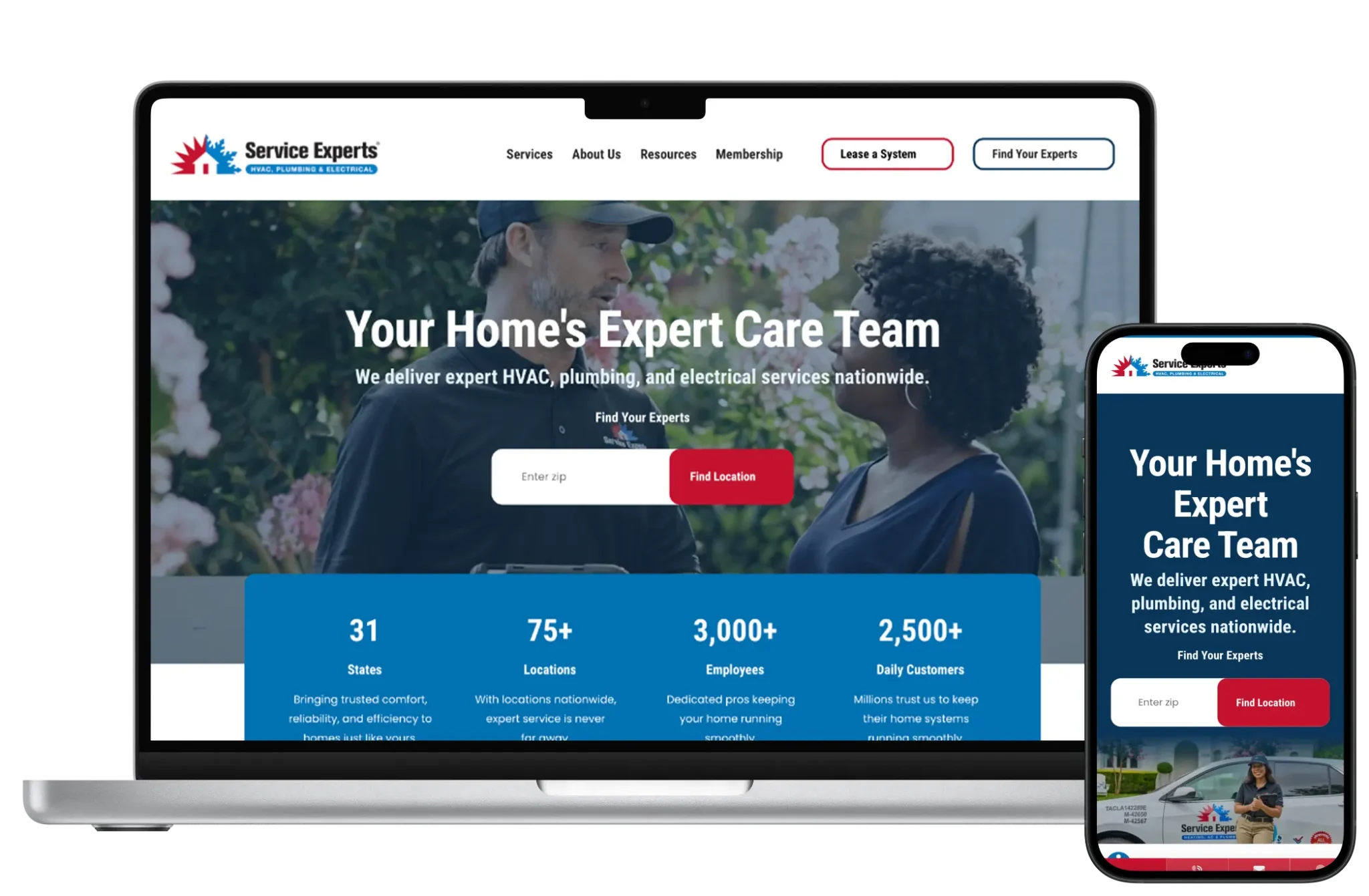
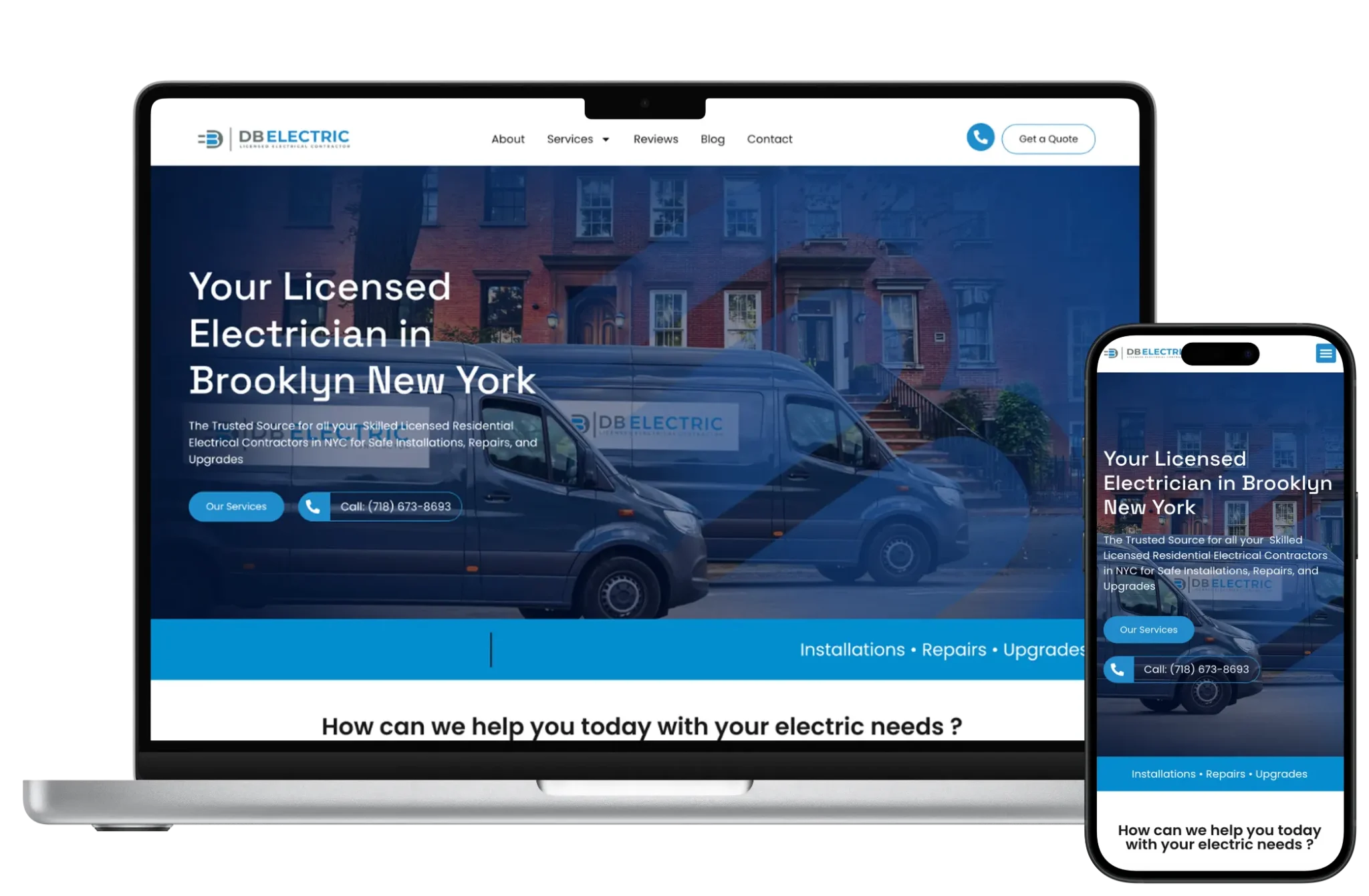
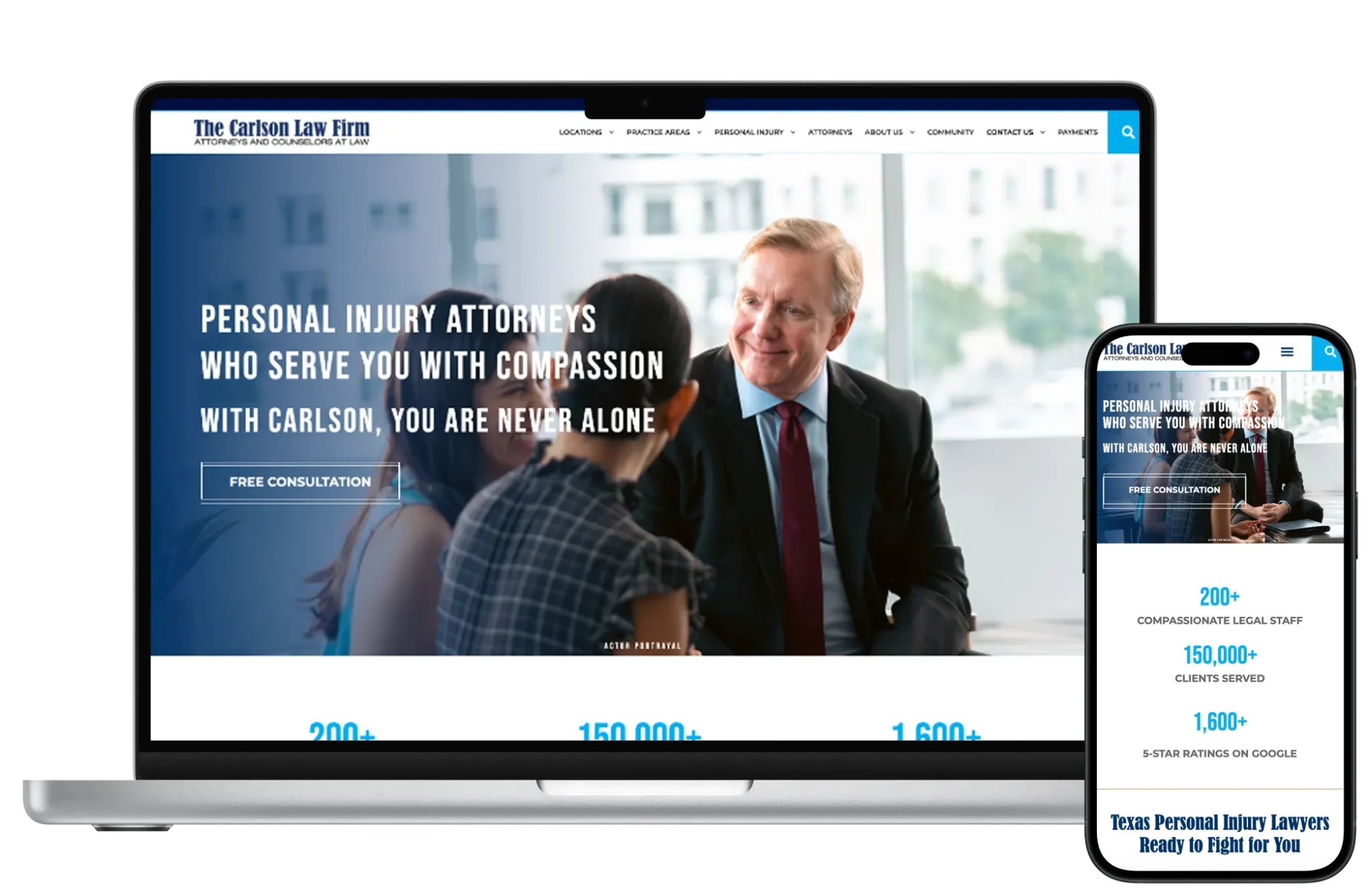
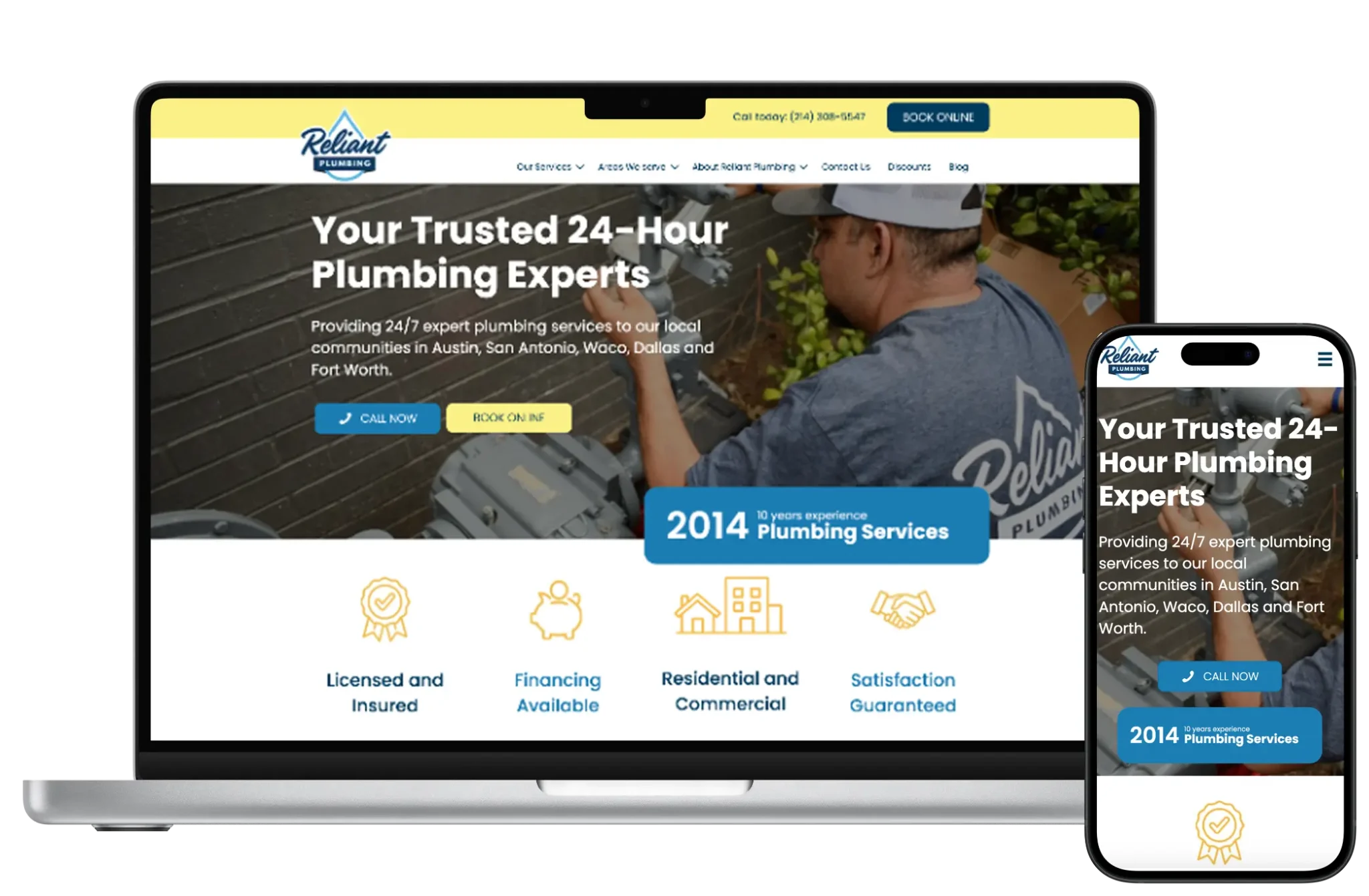
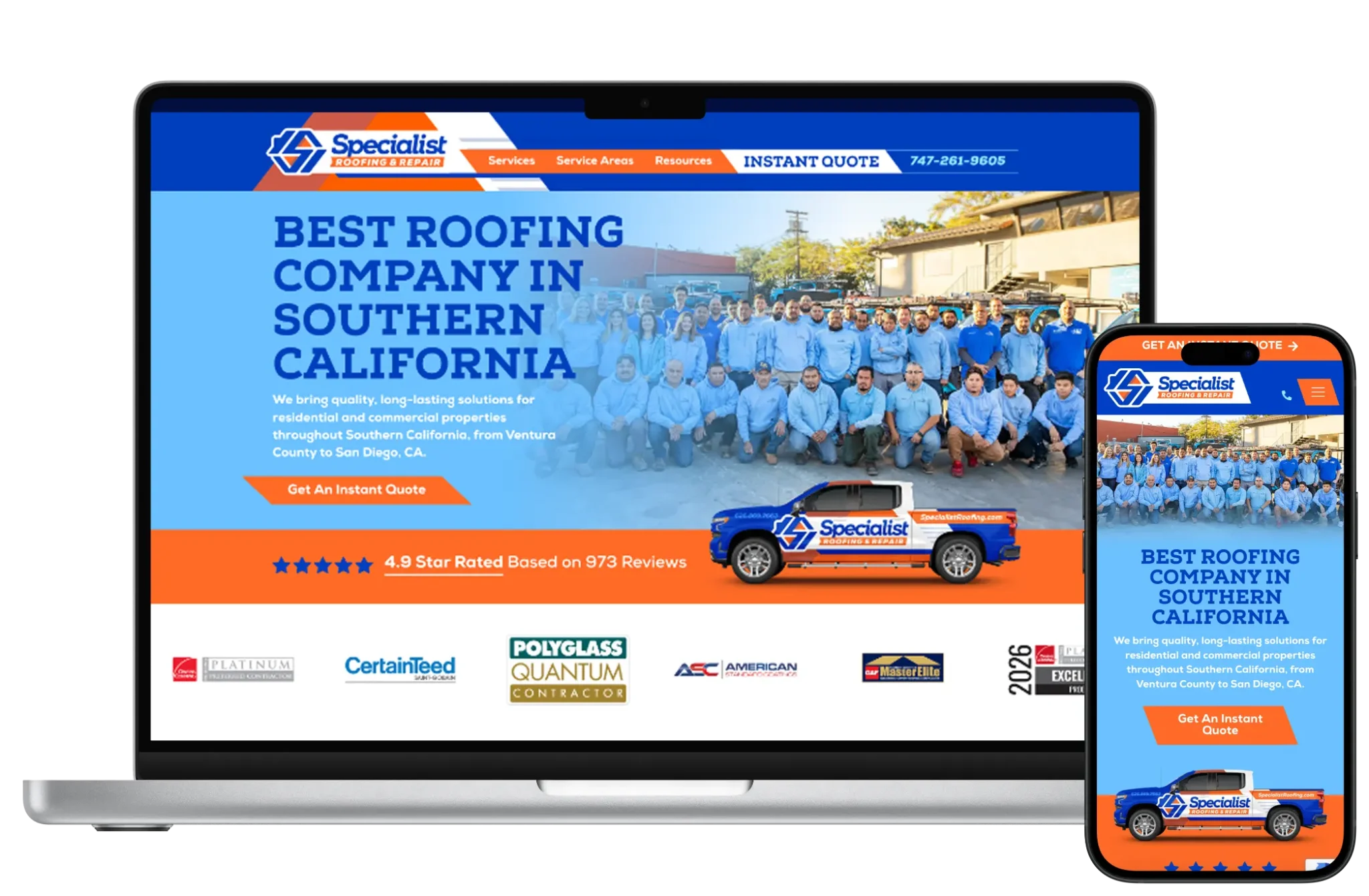
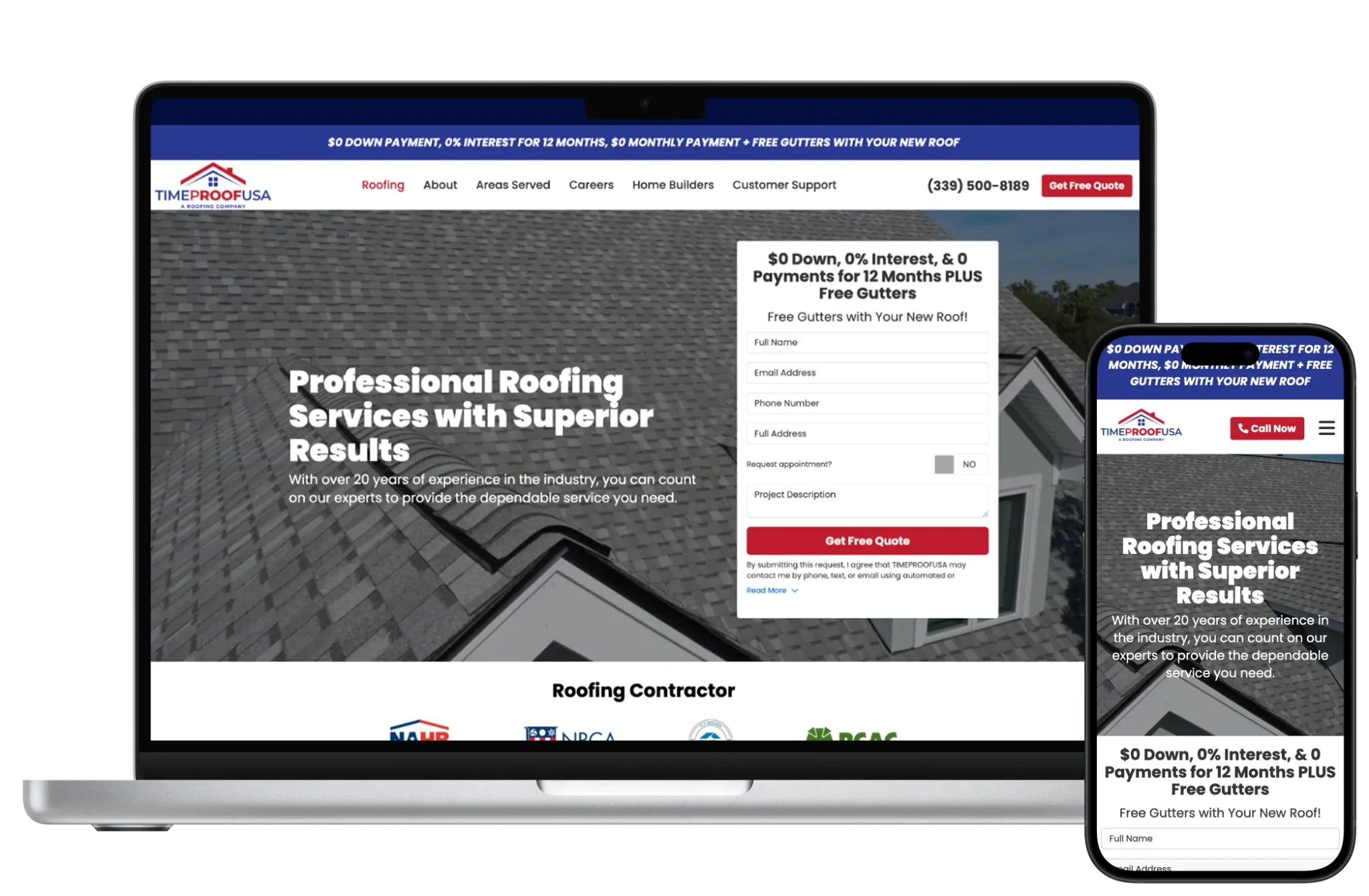
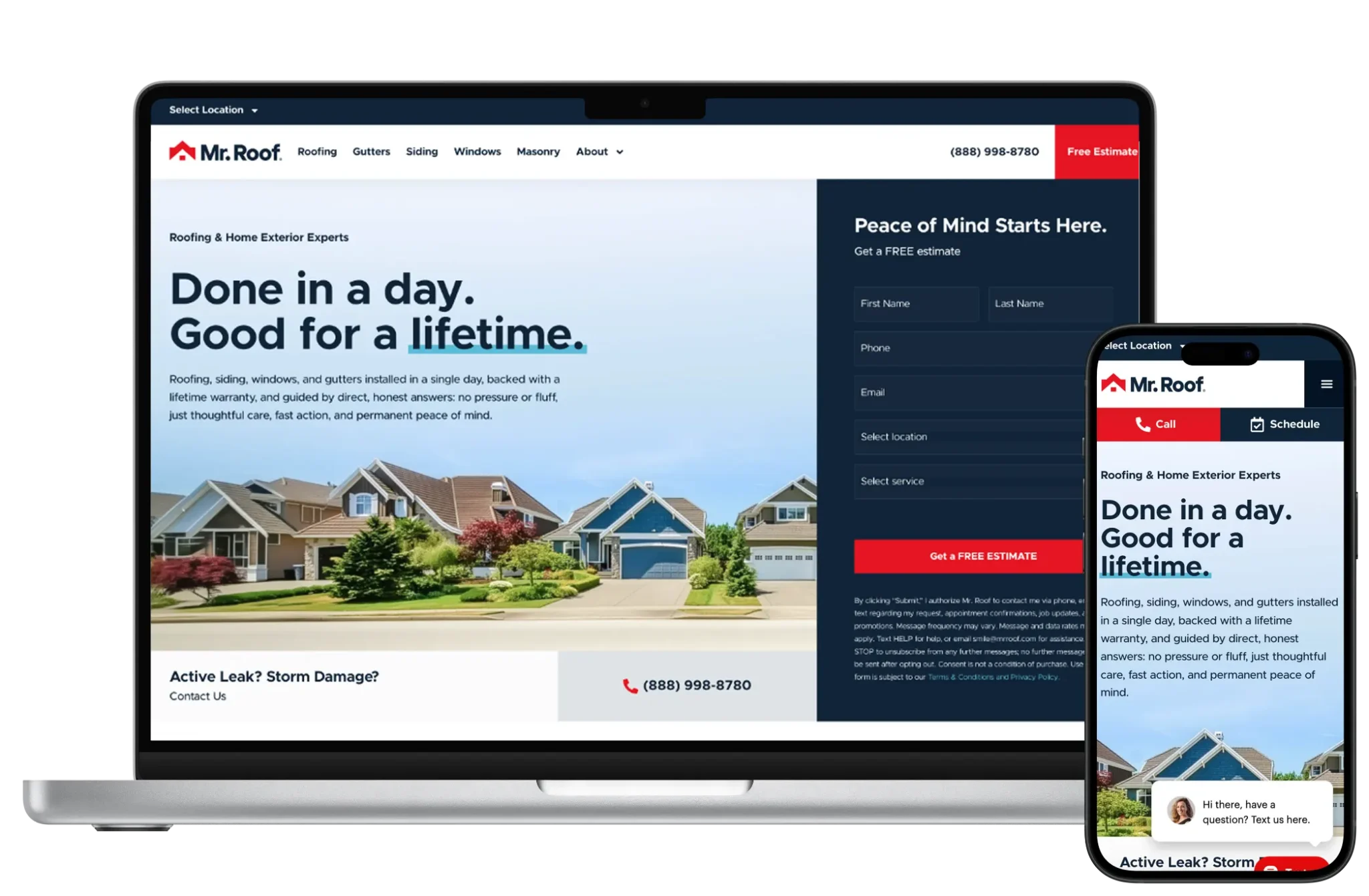



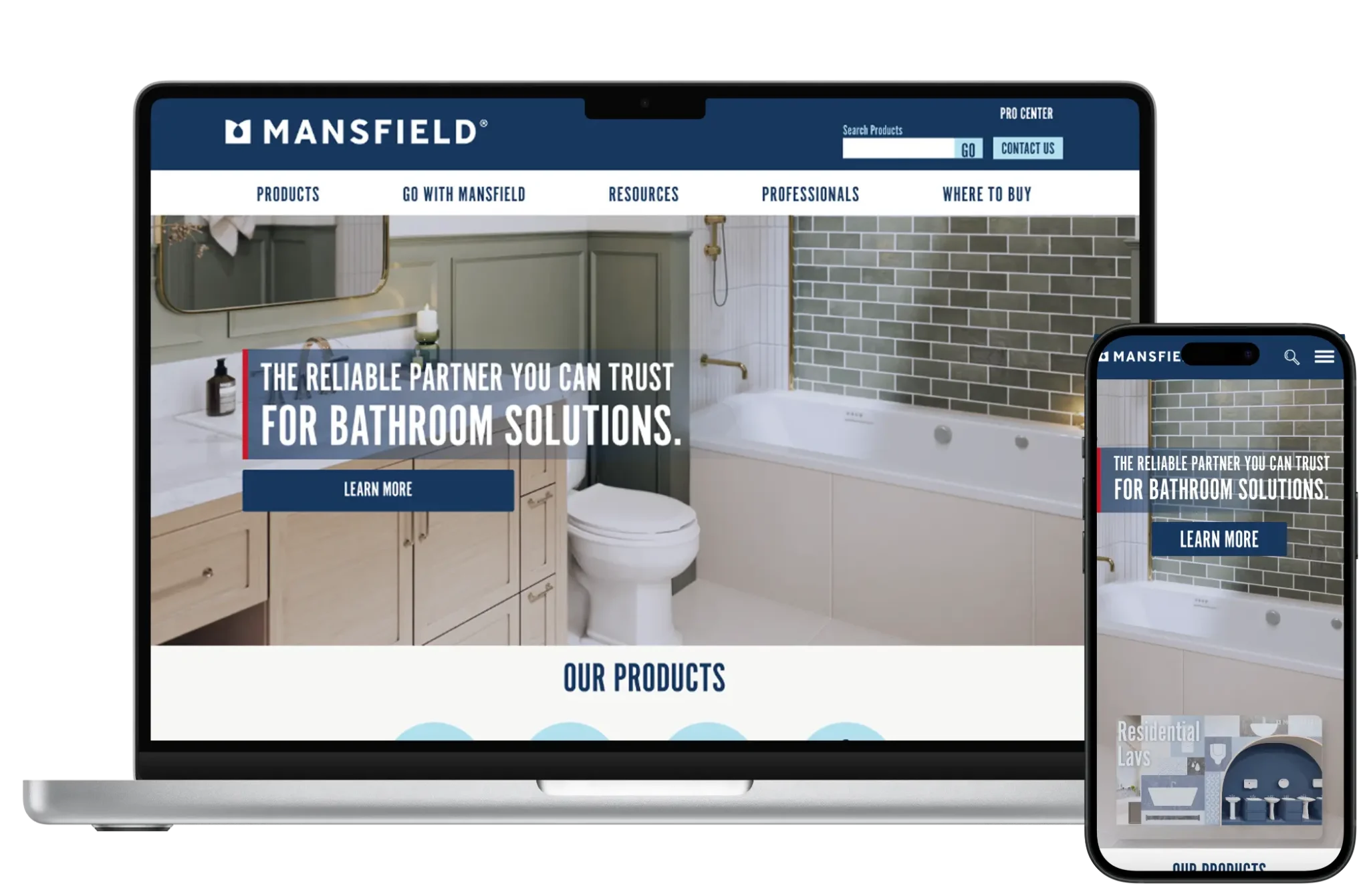
Modular sections for workflows, outcomes, and UI narrative without hollow stock metaphors.
Campaign and SEO landers that share design tokens with the core site.
Scalable pages that explain workflows, not just logos.
Present plans, limits, and FAQs you approve—updateable as packaging changes.
Structured pages for policies, subprocessors, and diligence assets.
Monthly content and technical improvements aligned to your category roadmap.
Define the primary activation metric—trial starts, demo requests, or waitlist joins—and design every major template to support it without popup spam.
Use progressive forms for demos (role, company size, use case) so SDRs get context. For PLG, minimize fields and emphasize time-to-value messaging that matches the real product.
Add post-click expectation setting: what happens after signup, how onboarding works, and who to contact. Ambiguity kills activation even when traffic is strong.

Build topic clusters around problems, use cases, integrations, and comparisons—not random startup blog culture posts. Category terms may take time; supporting intent often converts earlier.
Technical SEO for SaaS includes JS rendering care, documentation subdomain strategy, crawl path clarity, and performance on media-heavy product pages.
Content should reflect product truth. We optimize for relevance and helpfulness; we do not sell guaranteed positions against entrenched incumbents.
We connect SEO work to technical SEO, on-page SEO, and — when local demand matters — local SEO. We do not promise specific rankings.

Typical tools and workflows we plan around for SaaS Companies:
Platform choice often lands on WordPress for service businesses, or Shopify / WooCommerce when commerce is central.

Yearly plans that include design, development, maintenance and SEO foundations — without a large upfront project fee.
For small businesses that need a professional site without a large upfront build.
Best for local and service businesses ready to generate more leads every month.
For growing brands that need ongoing development, SEO and conversion work.
Large sites, complex integrations, multi-location brands and custom applications.
Most lead-focused SaaS Companies engagements fit Growth ($299/year) when local/organic acquisition matters. Simpler brochure sites may fit Starter ($199/year). Multi-location, custom integrations, or heavier development fit Pro ($399/year) or Enterprise.
Setup fees may apply for redesigns, migrations, or large content builds — always disclosed before kickoff. See transparent subscription pricing and how website subscriptions work.
Full notes for challenges, strategy and supporting pages — so the sections above stay scannable.
Start from jobs-to-be-done and ICP segments, then map URLs to problems, personas, and product modules. Navigation should help a first-time visitor understand who the product is for within seconds—not after a three-minute scroll of animations.
Align conversion to motion: self-serve CTAs for PLG, demo requests for sales-assisted, and hybrid paths when both exist. Pricing, comparison, and integration content should reduce sales-cycle ambiguity rather than inventing urgency.
Treat SEO as a product surface: pillar pages for core categories, supporting use-case and integration content, and technical excellence so Core Web Vitals do not sabotage activation. Monthly subscription work keeps clusters expanding as the roadmap evolves.
That is why we use a subscription. Messaging modules, feature pages, and screenshots get updated monthly instead of waiting for a redesign.
We can partner on strategy, SEO architecture, and maintenance, or own the full stack—whichever fills the gap without duplicating roles.
No. Category SERPs are competitive. We build durable topical authority and technical foundations without ranking guarantees.
Never. Proof must be approved and real.
Straight answers about scope, pricing, ownership and what a subscription includes for this page.
We focus on marketing websites, landing systems, and SEO content architecture. In-app product UI is typically your product team’s domain unless scoped separately.
Yes. We support modern stacks as well as Webflow and WordPress when they fit editorial needs.
We clarify plans, limits, and FAQs based on your packaging. We do not invent discounts or usage economics.
When you can be fair and accurate, yes—they capture high-intent evaluation traffic. We avoid deceptive competitor claims.
We plan IA and linking so docs support product understanding without cannibalizing marketing pillars unintentionally.
Technical fixes, on-page improvements, and content cluster expansion agreed in the plan—reported with honest metrics.
Yes. Experiment-ready landers for features, webinars, and campaigns are part of how we support SaaS GTM.
Yes—demo routing and calendar handoffs are common requirements we implement.
We establish reusable components so new pages ship faster and stay on-brand as the product narrative evolves.
Usually not for global products. Exceptions exist for local-service SaaS; otherwise we focus on national/international organic strategy.
Design, development, maintenance, and SEO in one subscription—clear activation paths, no ranking theater.