

Who Laravel is for
Laravel fits companies needing portals, multi-role apps, custom booking/quoting engines, API backends for mobile/Next.js clients, and integrations…
Read more →Laravel platform
Laravel is a PHP framework for building custom web applications: client portals, internal tools, APIs, membership logic, and workflows that no page builder should attempt. 66sites uses Laravel when…

Laravel is a PHP framework for building custom web applications: client portals, internal tools, APIs, membership logic, and workflows that no page builder should attempt. 66sites uses Laravel when your website needs real application behavior — authentication, permissions, business rules, and data models — not just published pages.
Unlike WordPress, Laravel is not a turnkey CMS. Unlike Shopify, it is not a commerce OS. Unlike Webflow or Next.js marketing sites, Laravel shines behind the scenes or as a full-stack app with Blade/Livewire or as an API for a React/Next front end. Choosing Laravel means you are building software, with software maintenance obligations.
We recommend Laravel when custom logic is the product differentiator. We recommend against it when a CMS plus light integrations would deliver the same business result with less engineering overhead.
Practical website, conversion and SEO work tailored to how your buyers actually decide.
Laravel fits companies needing portals, multi-role apps, custom booking/quoting engines, API backends for mobile/Next.js clients, and integrations…
Read more →
Expressive framework for auth, queues, validation, and business logic.Excellent API partner for React/Next.js front ends.Mature ecosystem (Eloquent…
Read more →
Not a visual CMS — content marketing pages need a CMS or a separate front end strategy.Requires proper hosting, deployments, monitoring, and…
Read more →A look at website designs and layouts we build for service businesses — mockups and project types, not fabricated client claims.
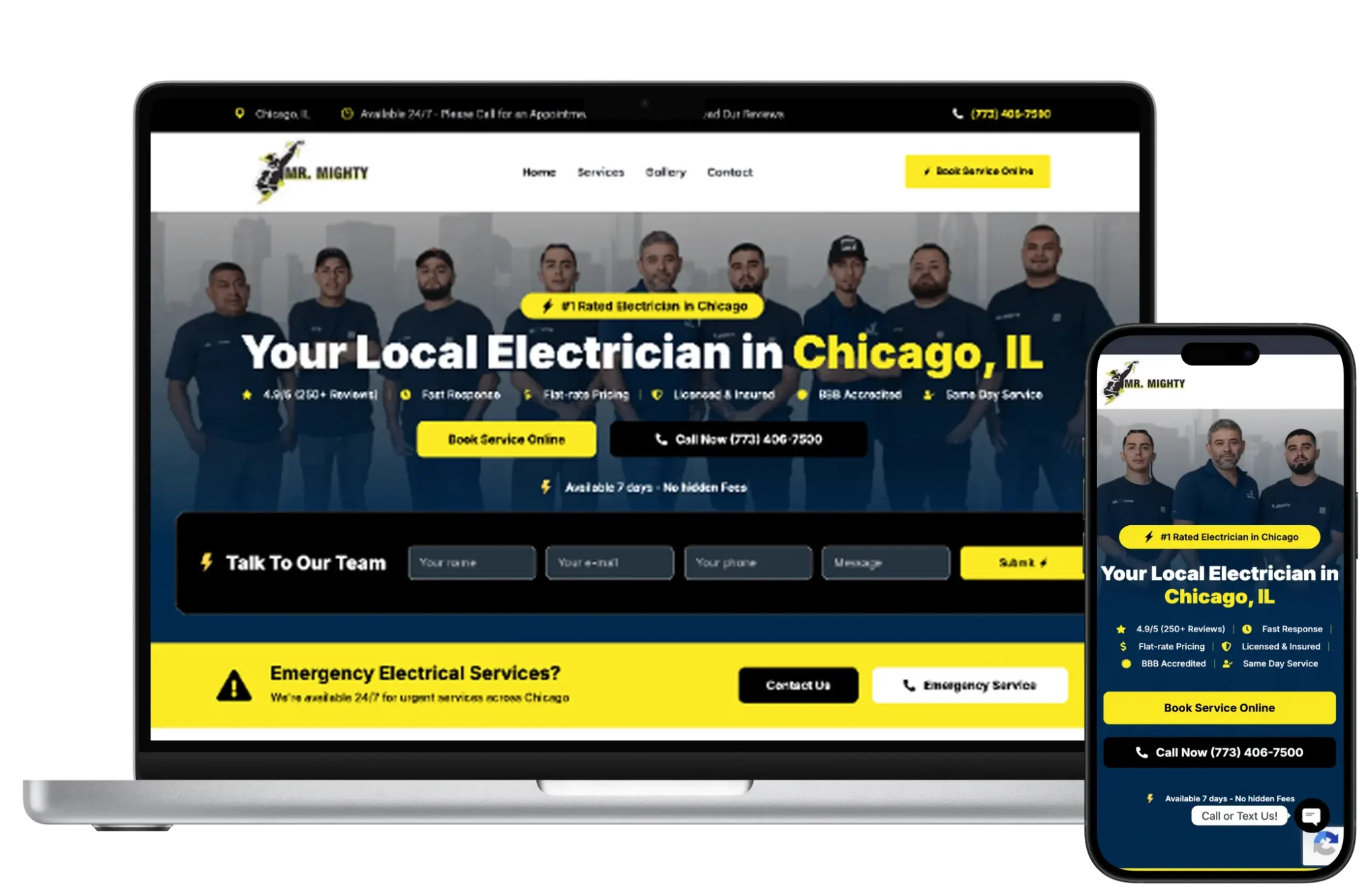
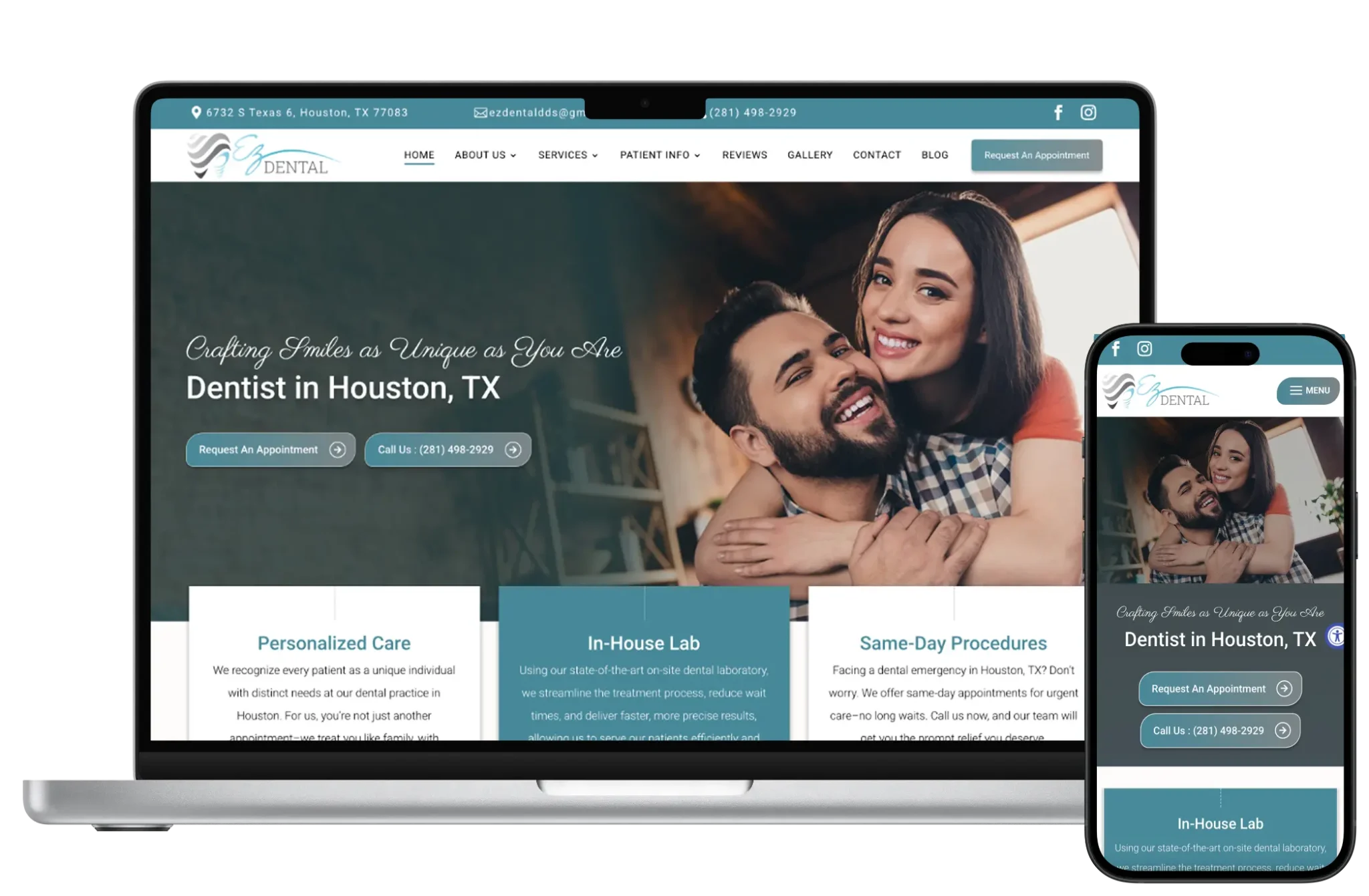
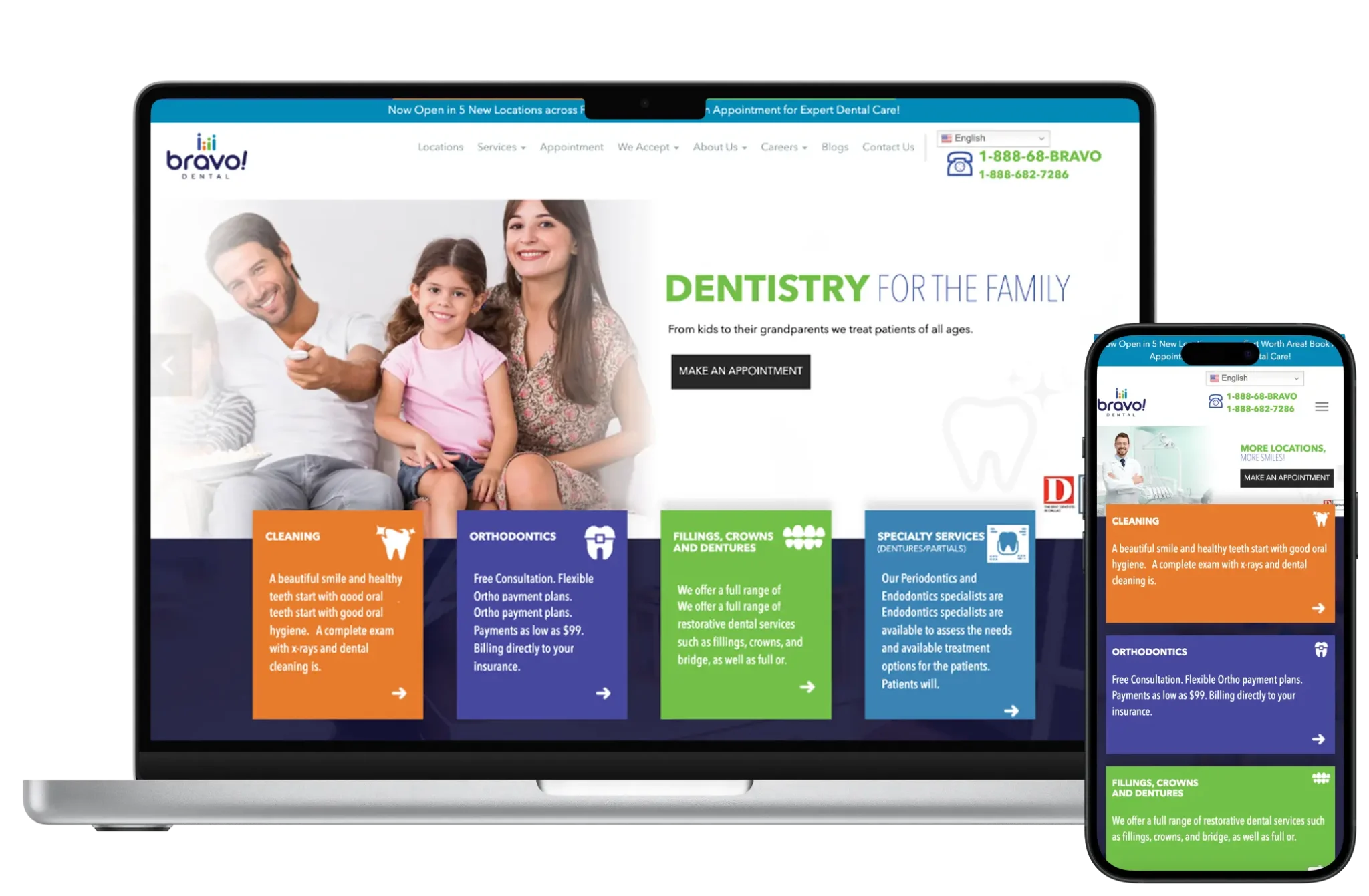
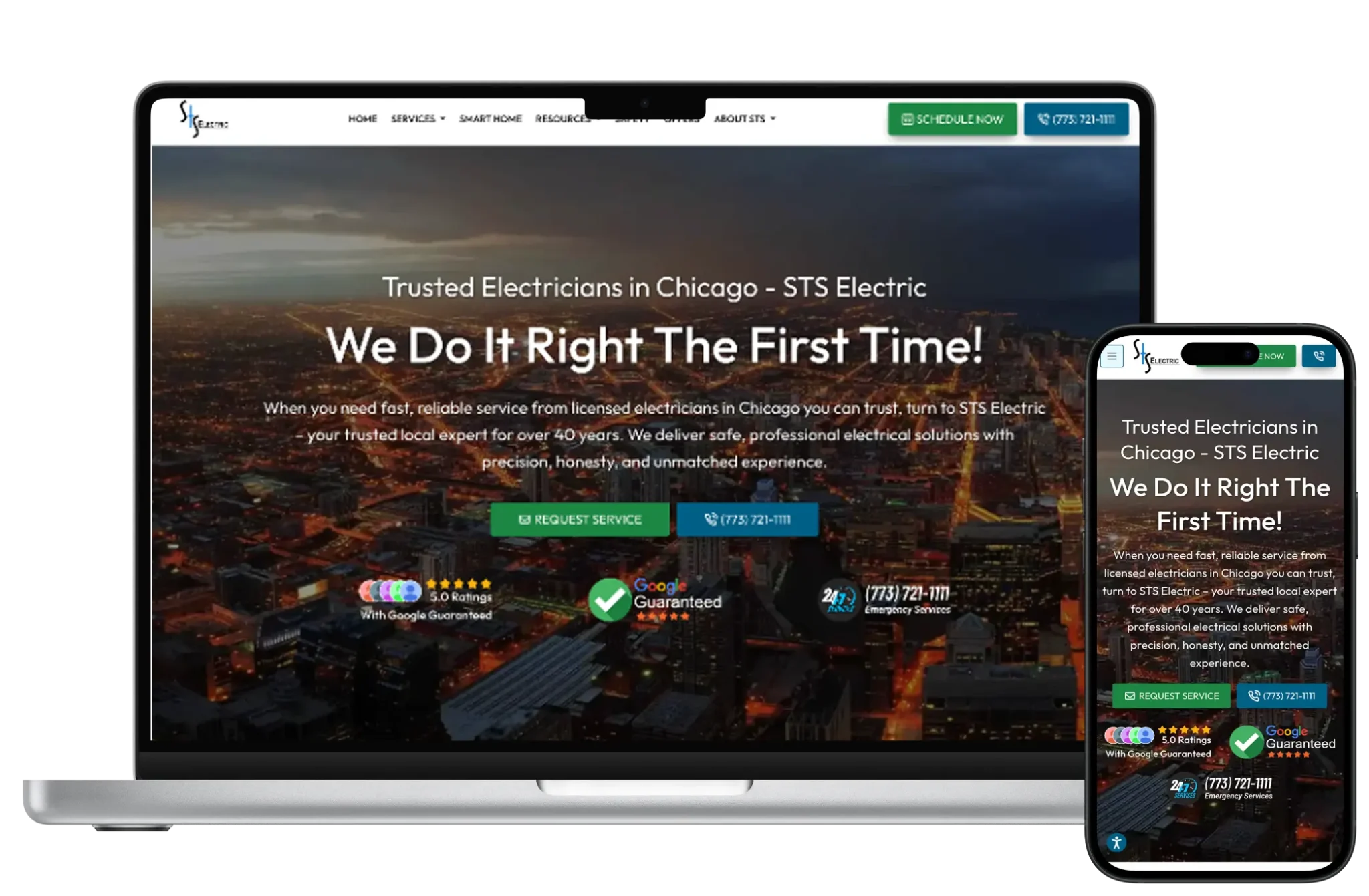
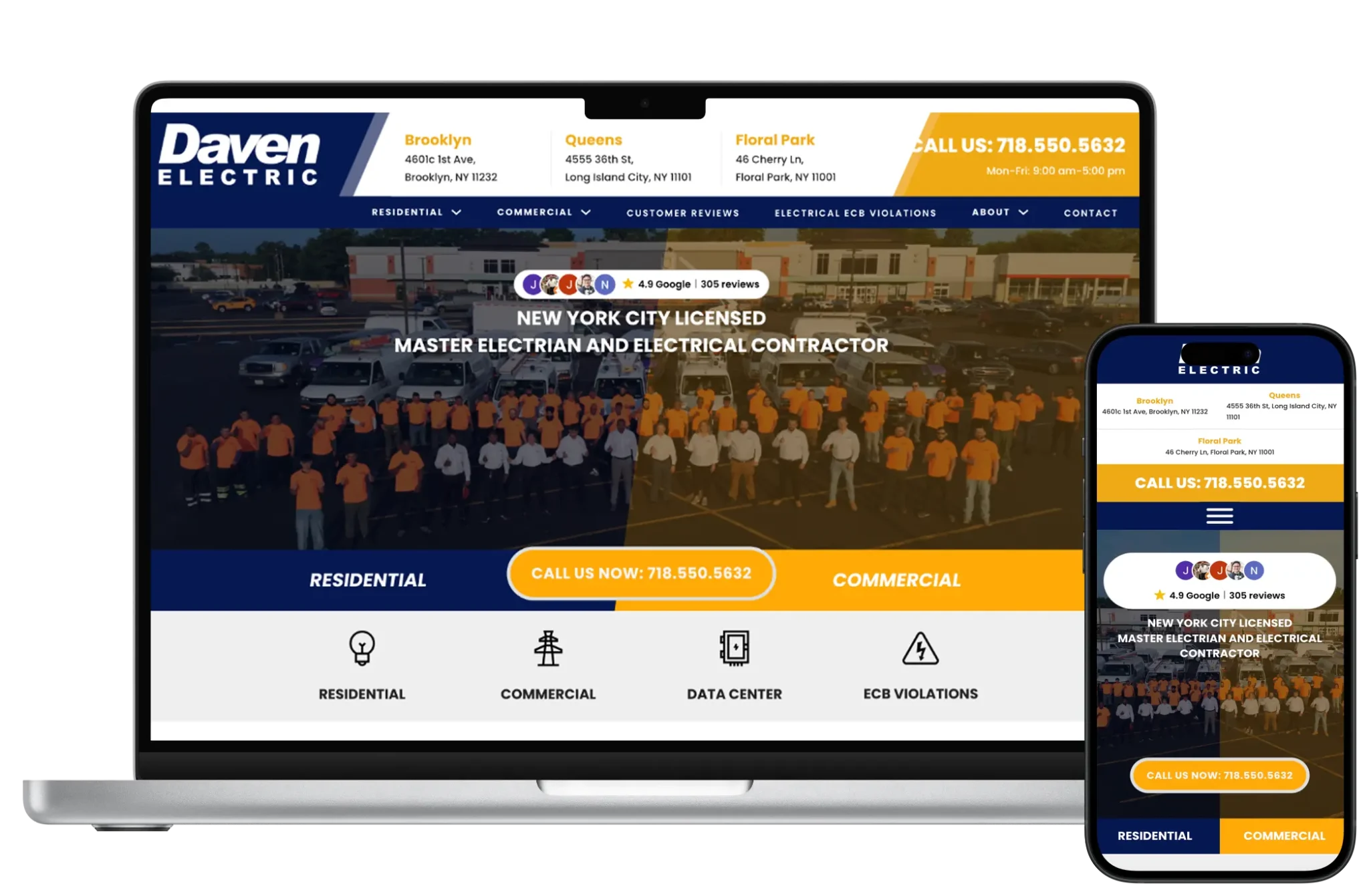
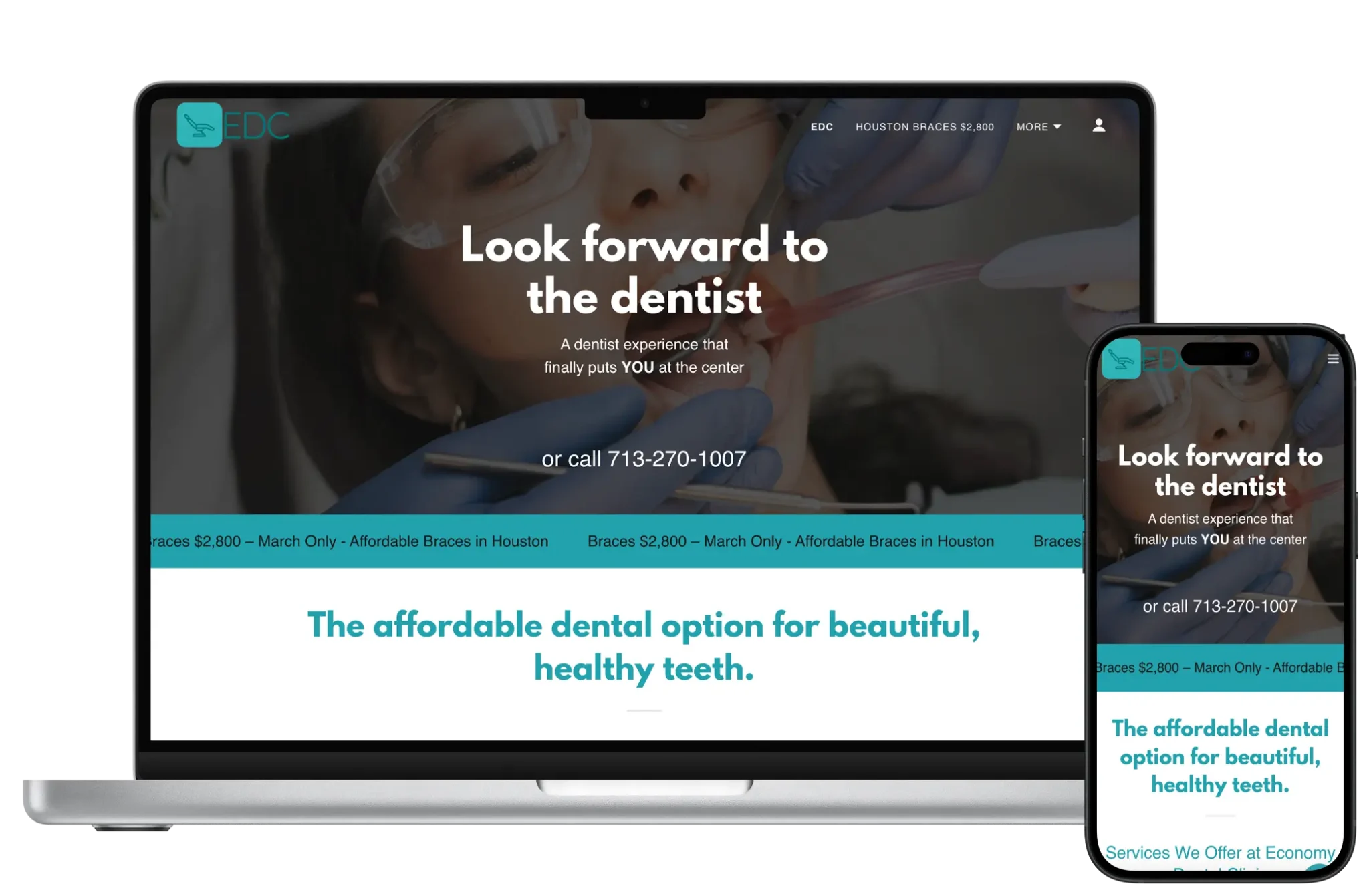
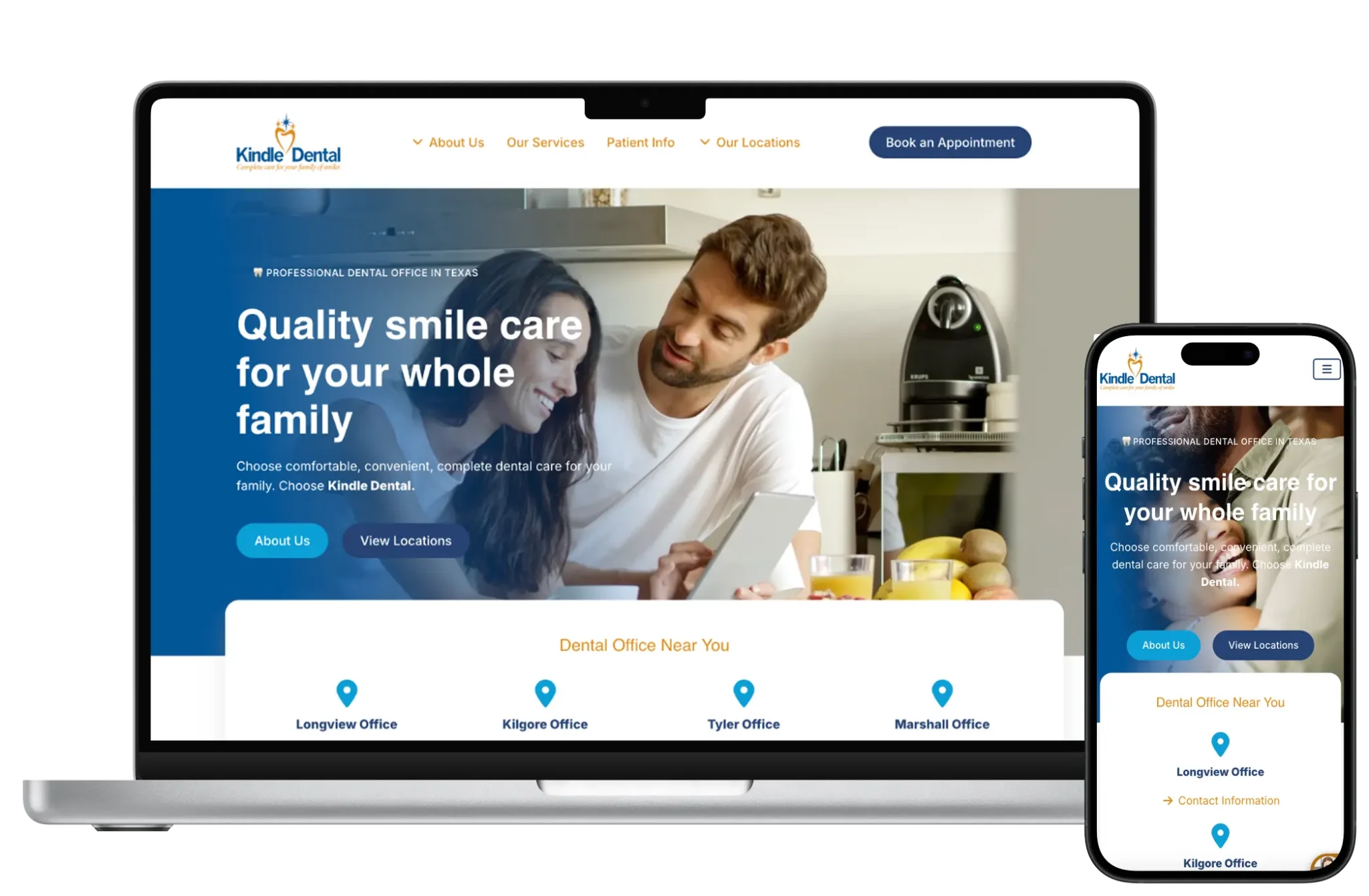
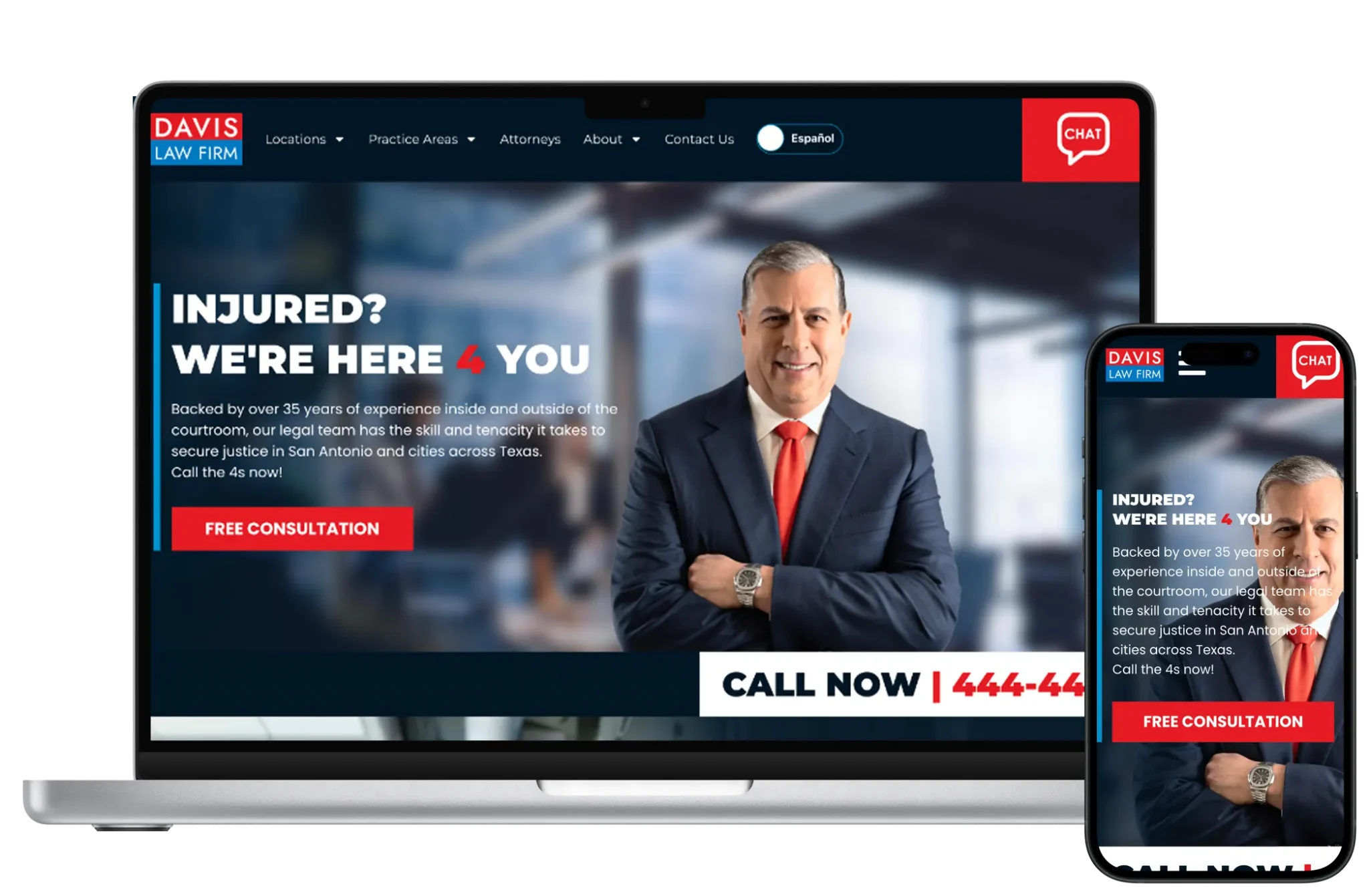
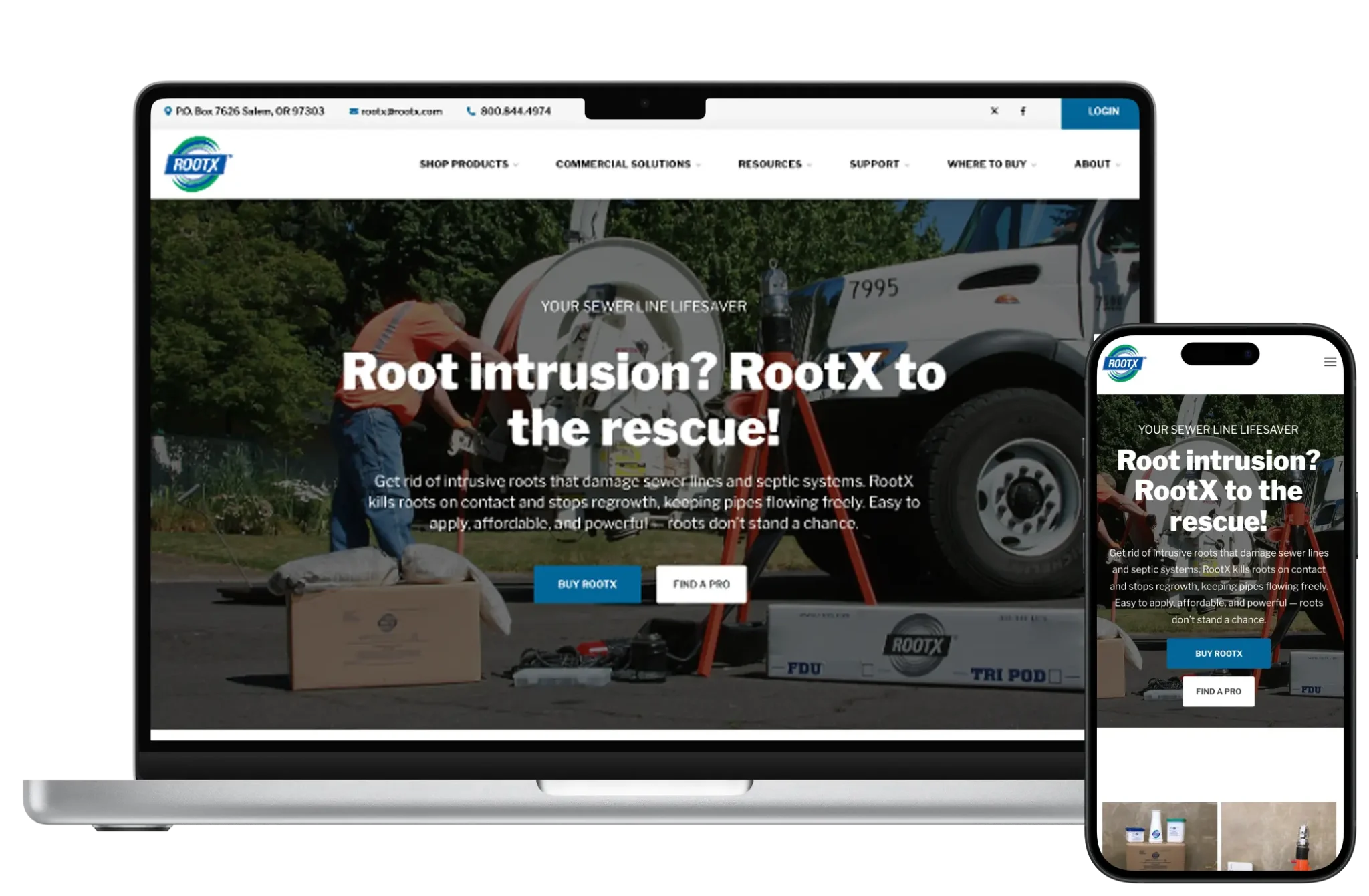
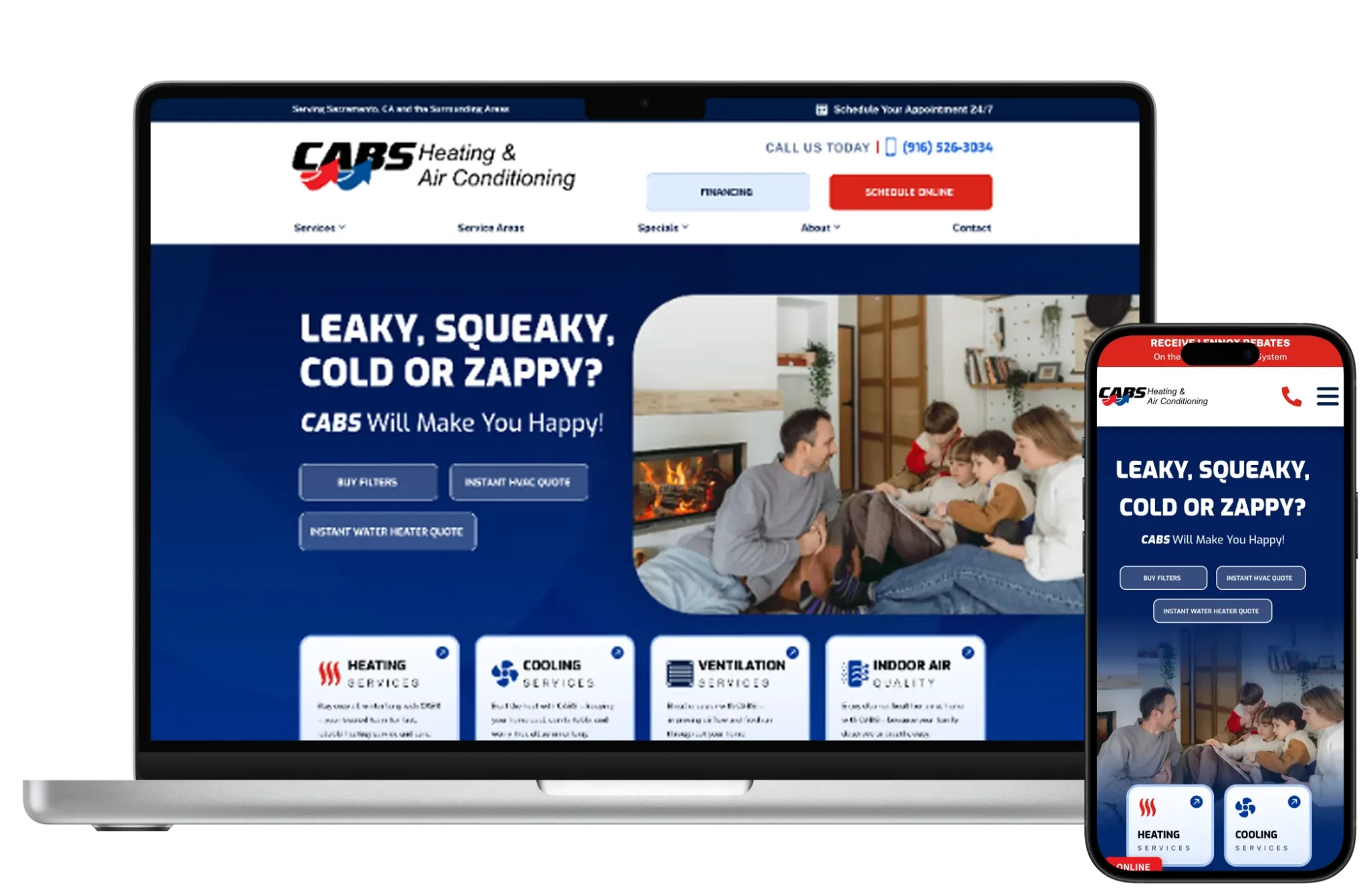
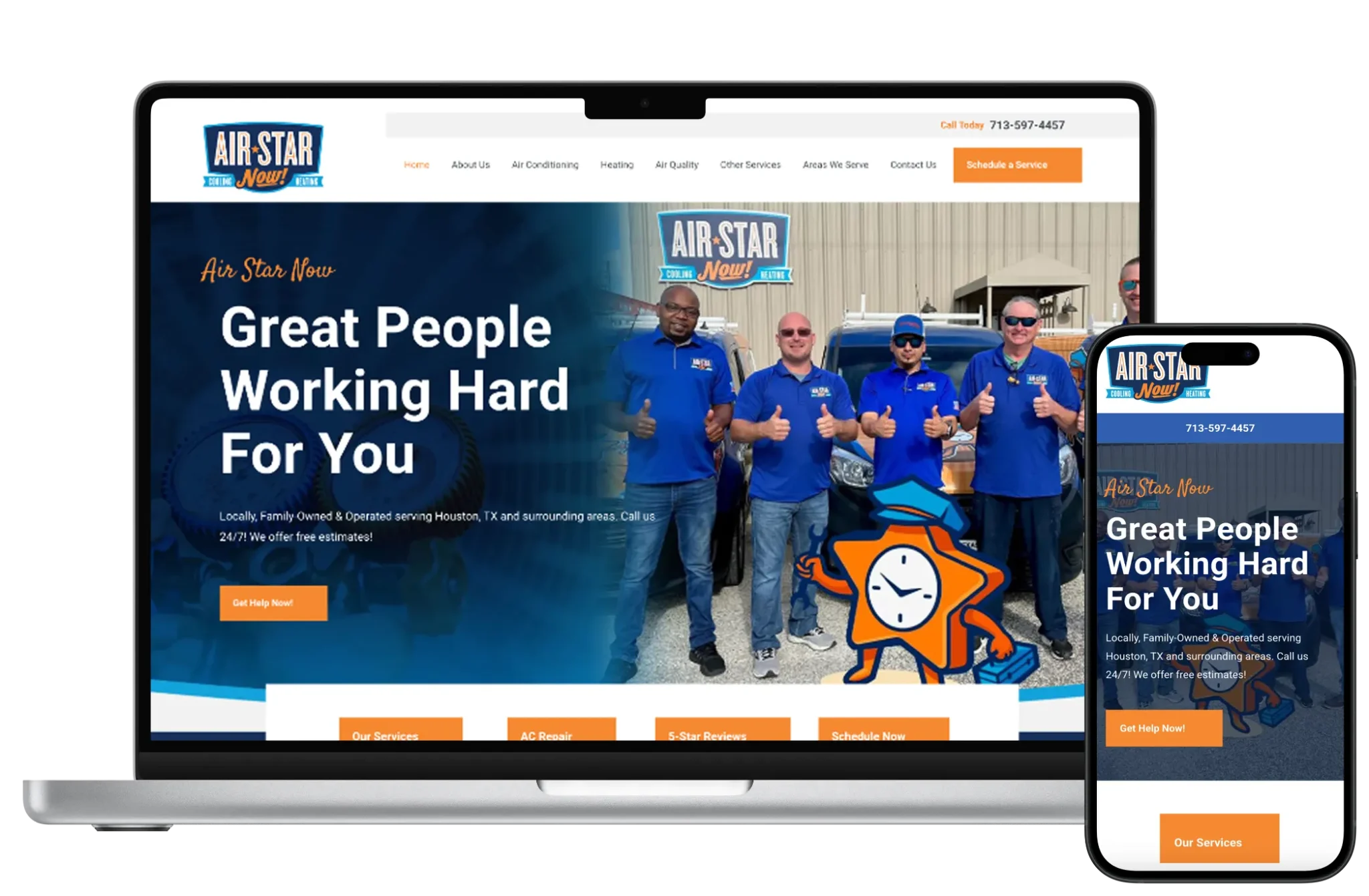
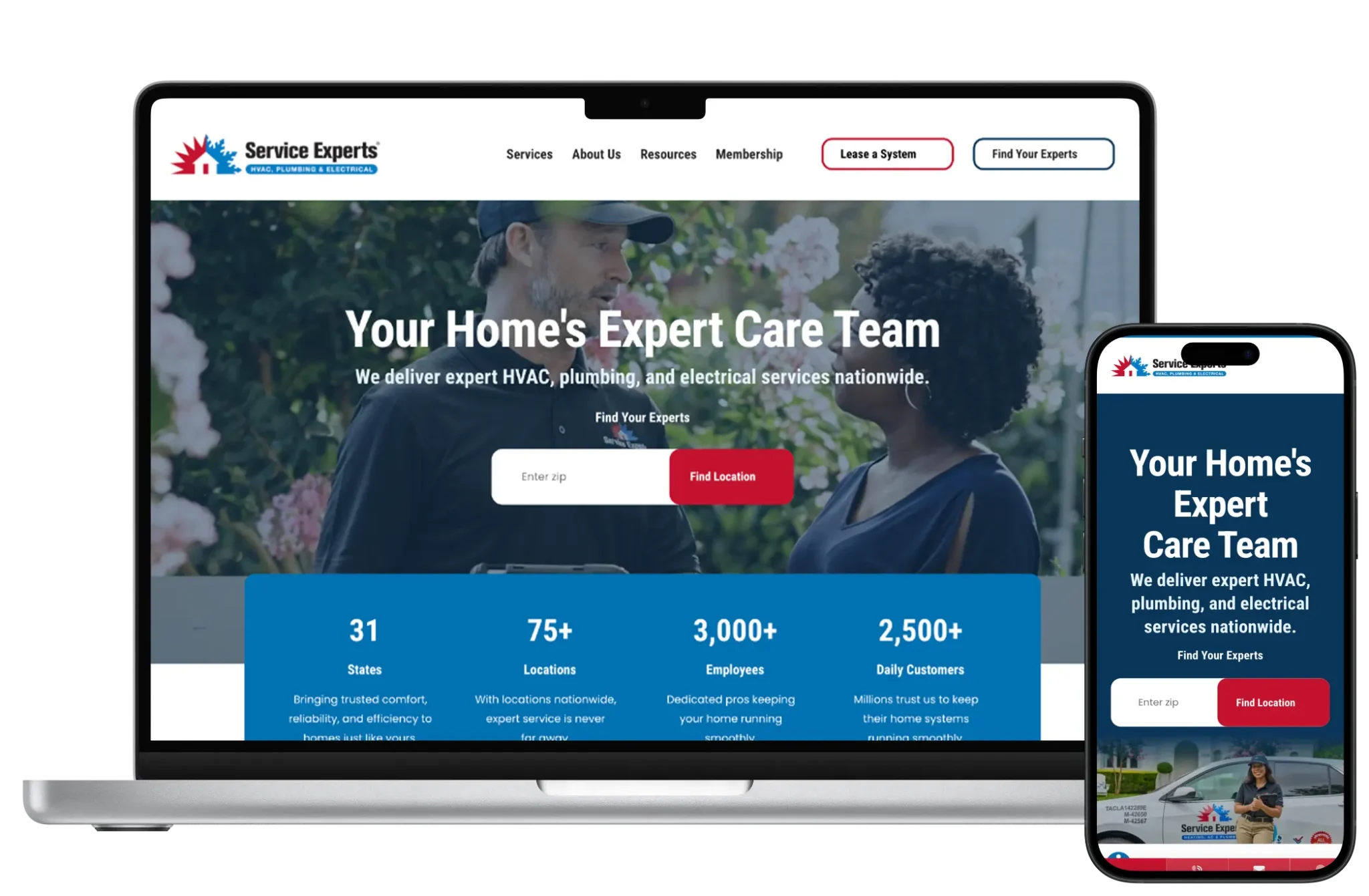
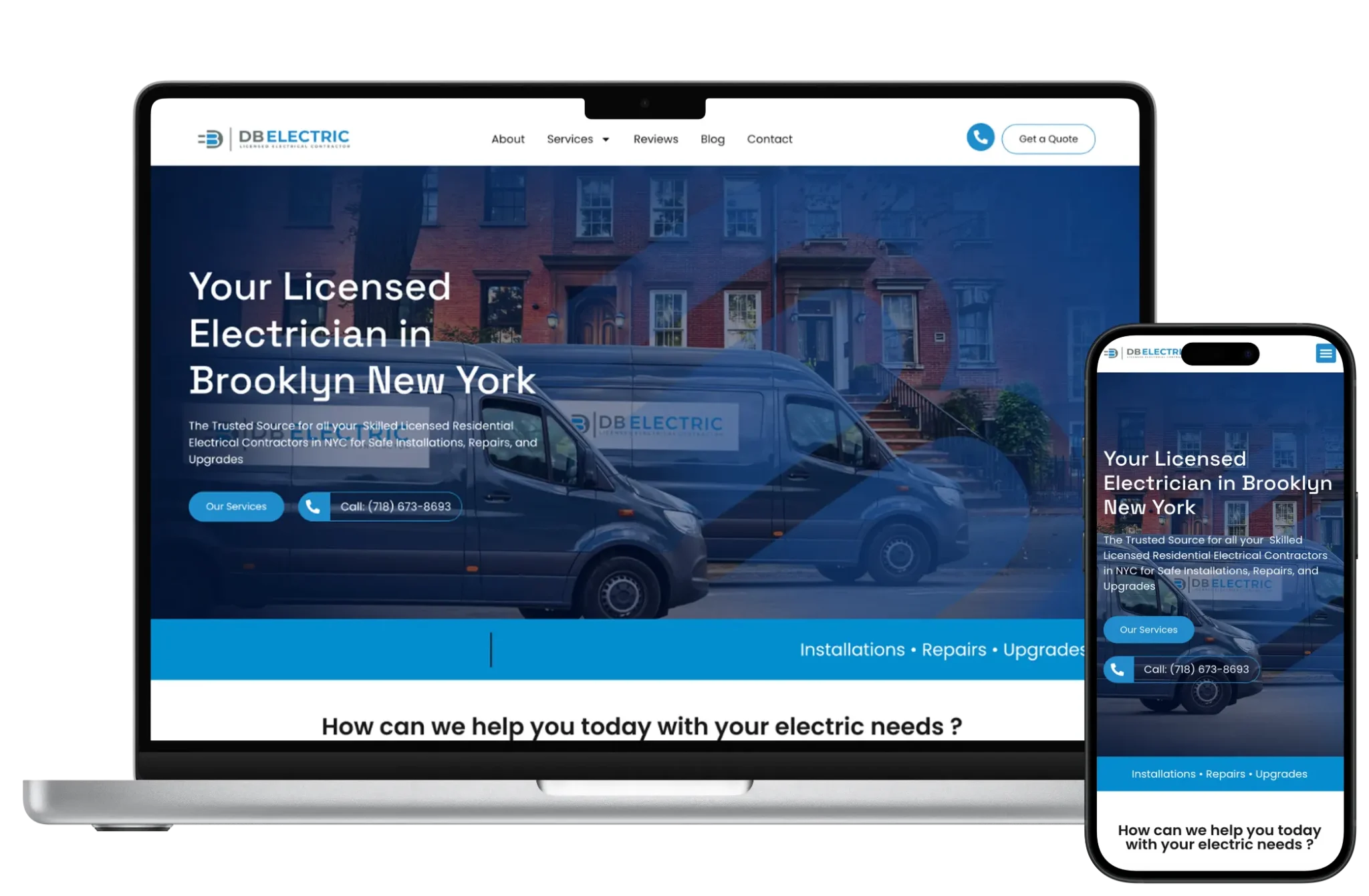
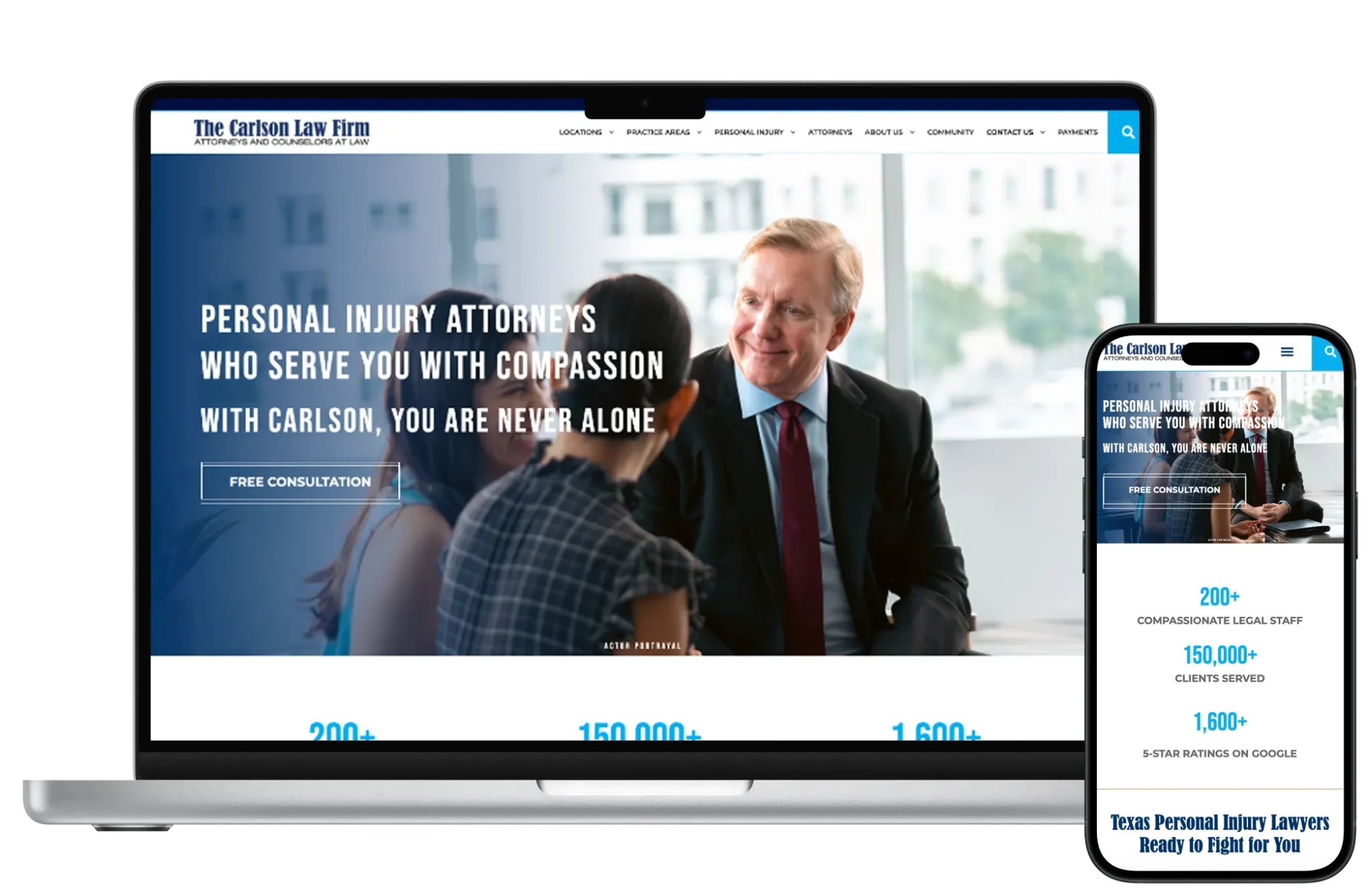
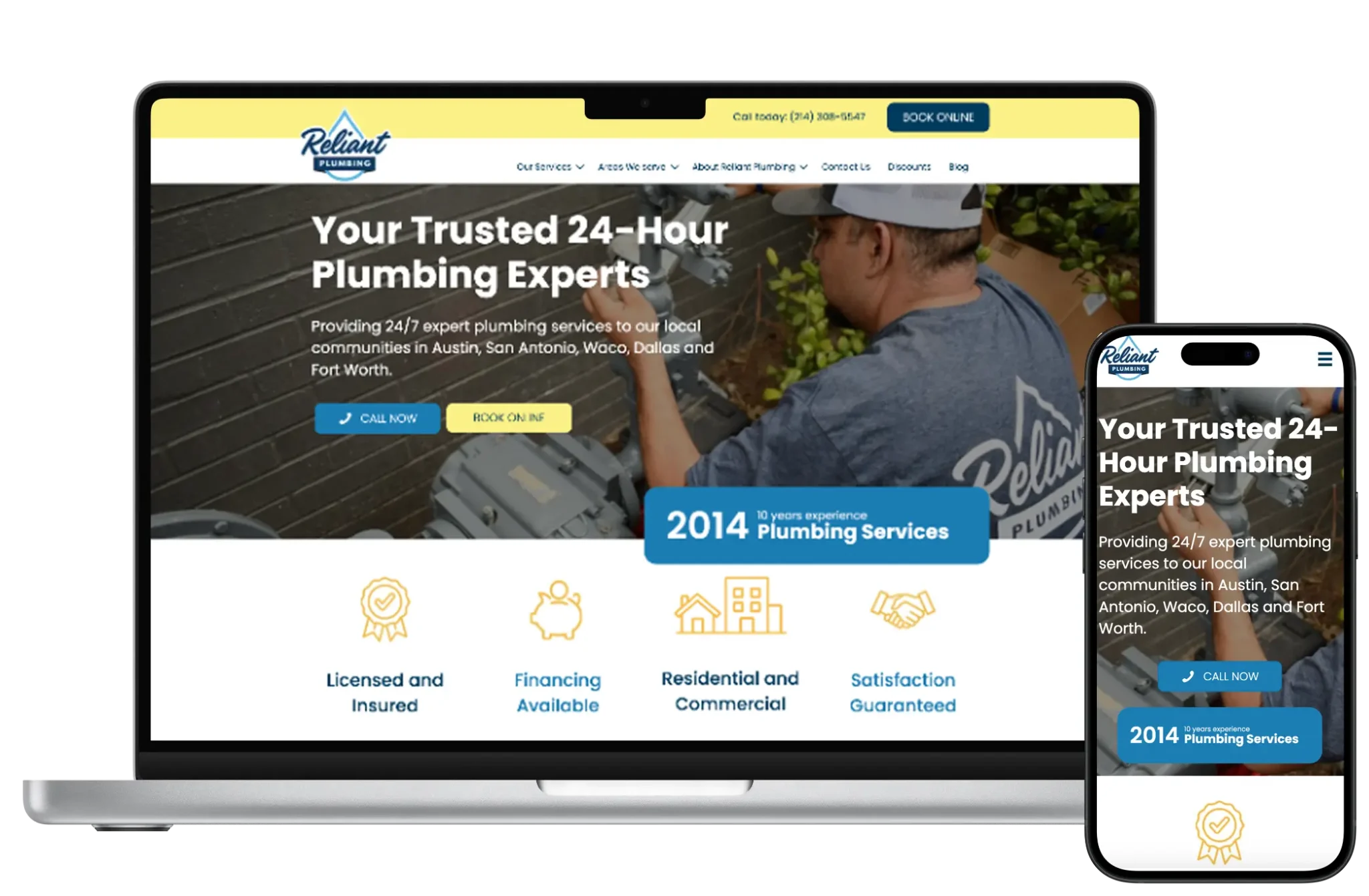
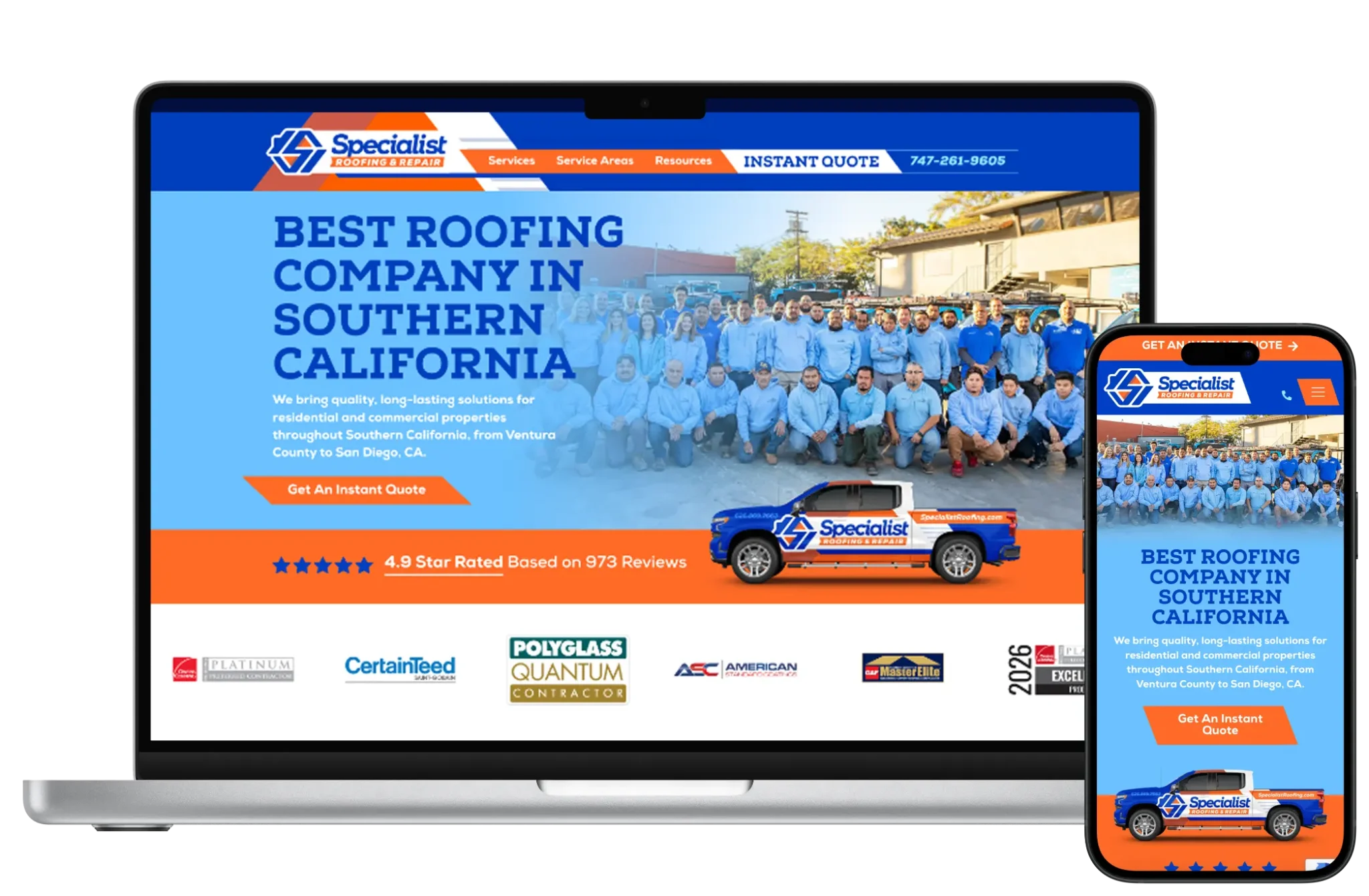
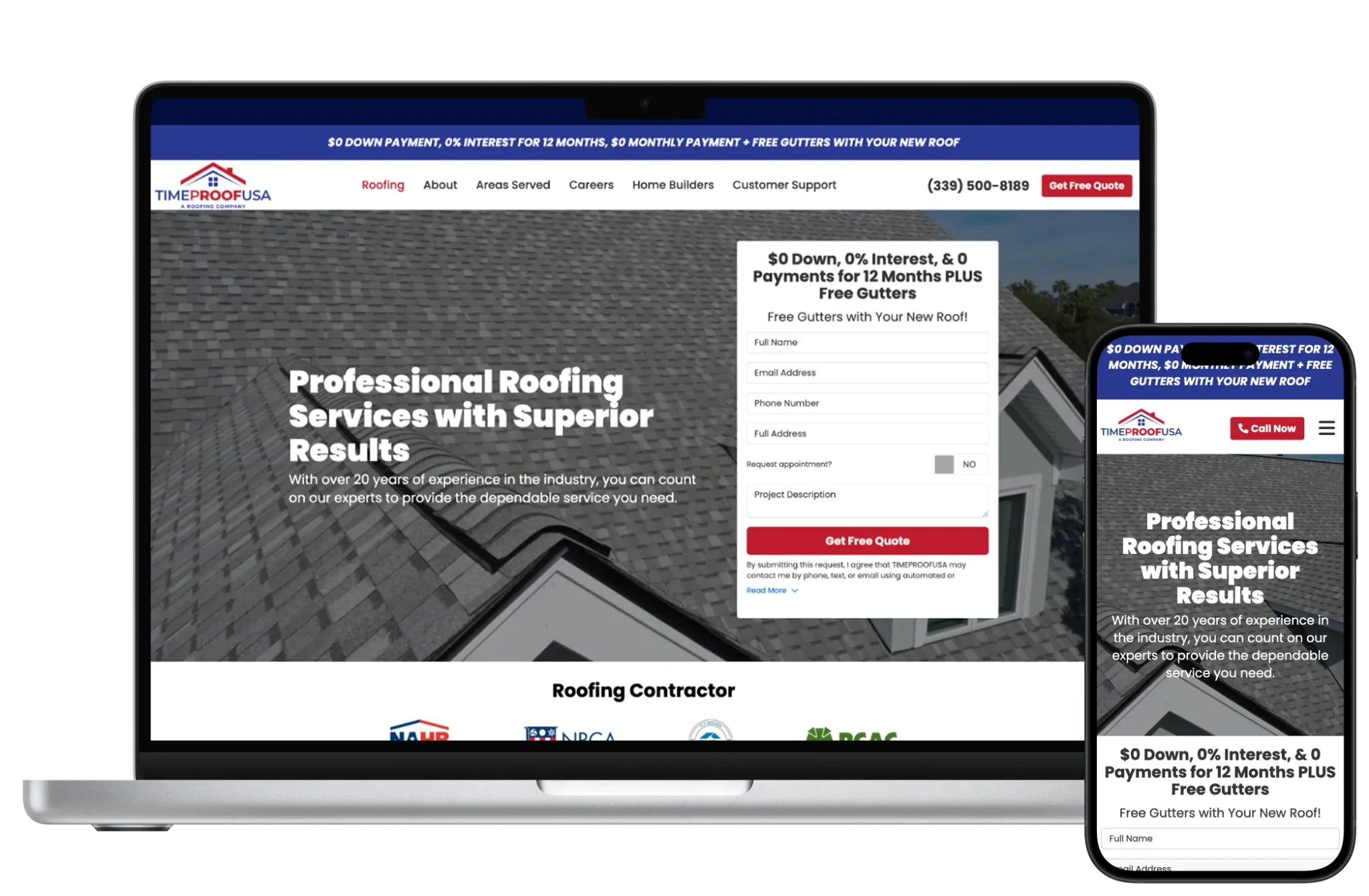
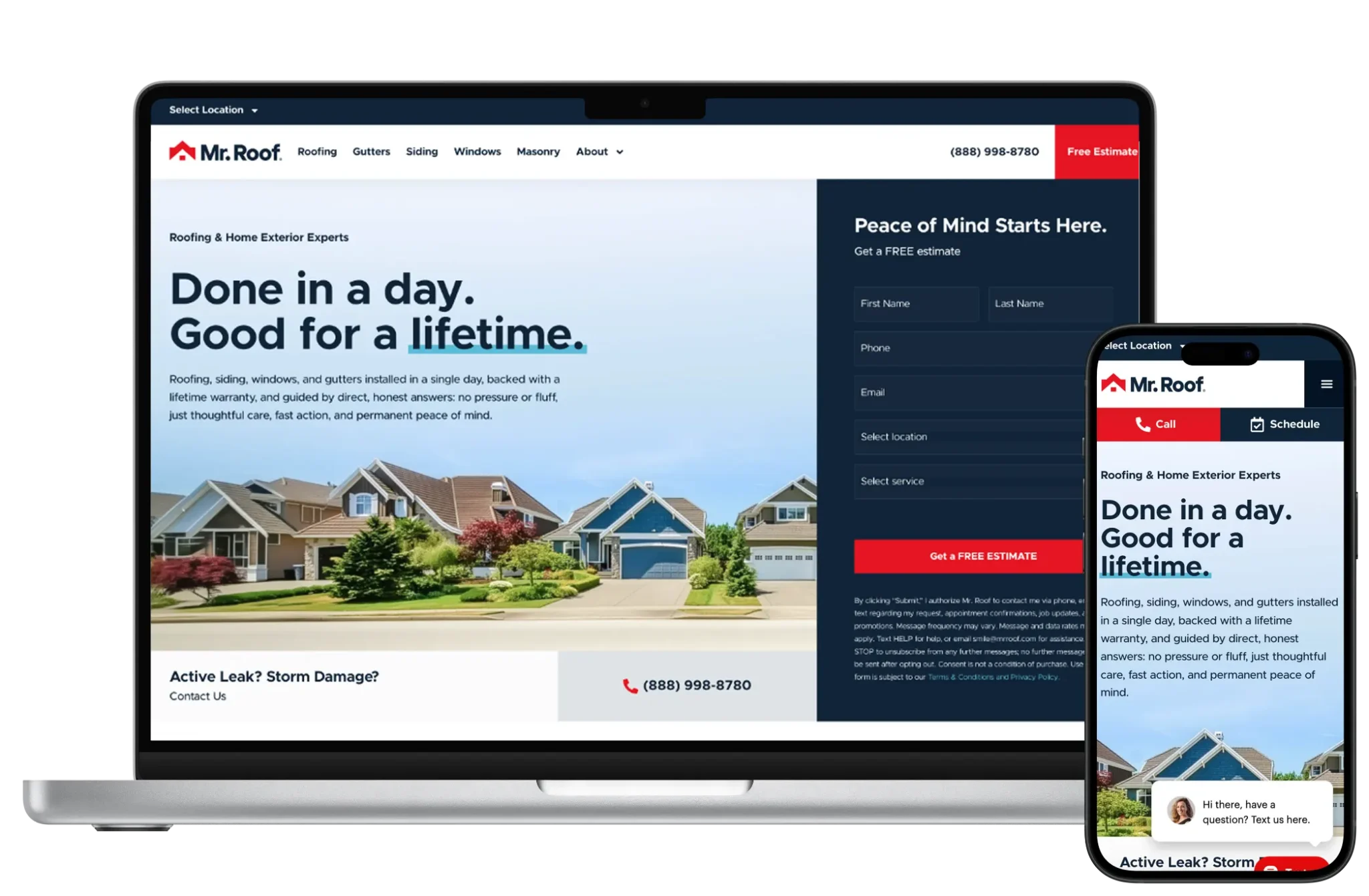



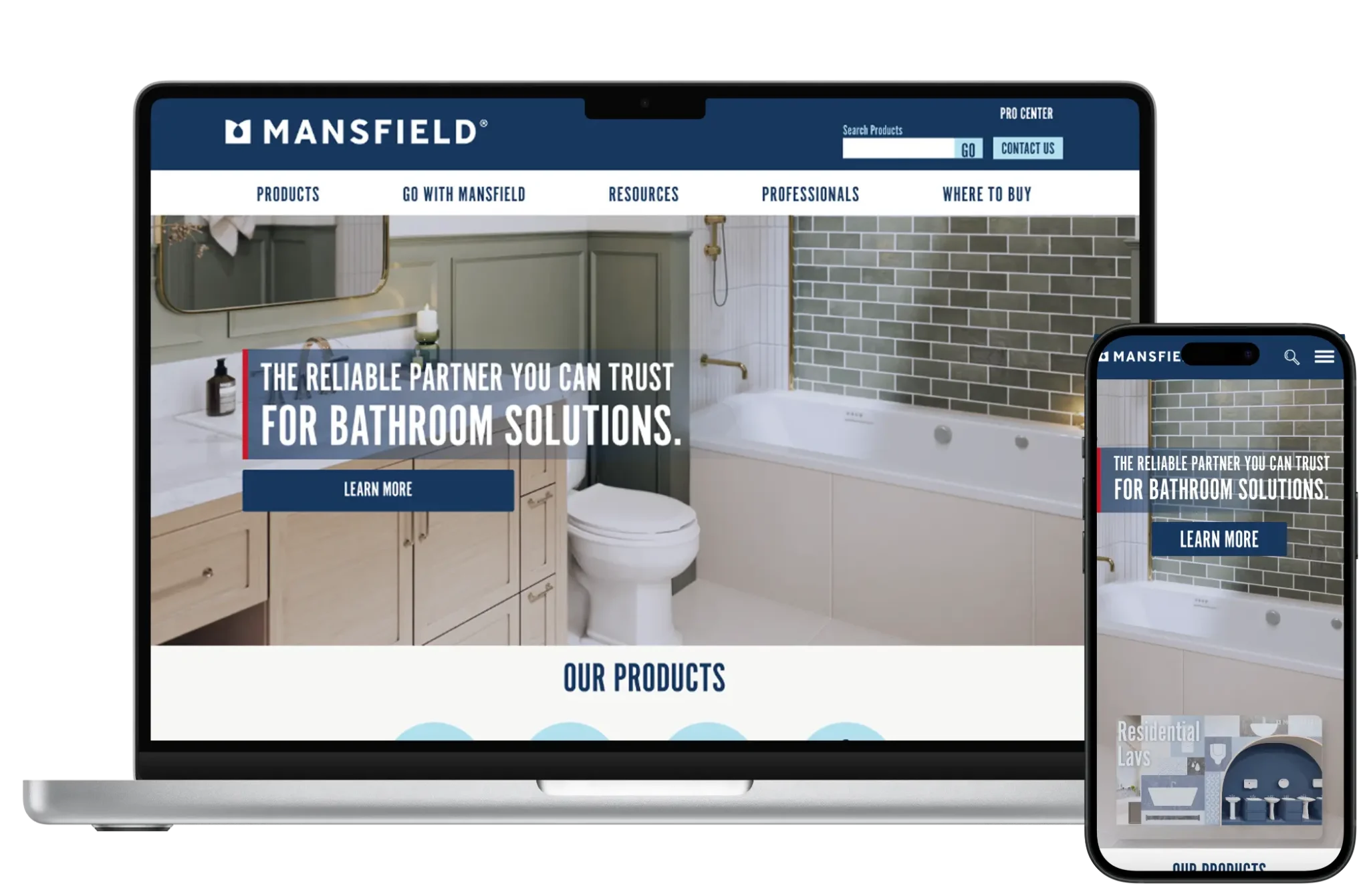
UI design for Laravel apps focuses on task clarity: forms, tables, empty states, and role-appropriate navigation. Marketing sites attached to Laravel apps still get brand-first public pages — often via Blade, Livewire, Inertia, or a separate Next.js front end.
We avoid painting application screens like promotional landers; each surface gets one job.
Development includes domain modeling, auth/permissions, API design, queue jobs, and admin tooling. We prefer boring, readable Laravel over clever abstractions nobody can maintain.
Front ends may be Blade/Livewire for simpler apps or React/Next for richer UI. Testing covers critical money and access paths before launch.

Public marketing routes need crawlable rendering and metadata strategy — Laravel can serve them, but many teams pair Laravel APIs with Next.js or a CMS for SEO content.
Application dashboards behind auth are usually noindex by design. We separate marketing SEO from app UX deliberately. No ranking guarantees.
Maintenance is dependency updates, security patches, feature slices, and monitoring — classic application care. Subscription plans keep engineering hours predictable.
We maintain runbooks for deploys and incidents so the app does not depend on one person’s laptop.

Yearly plans that include design, development, maintenance and SEO foundations — without a large upfront project fee.
For small businesses that need a professional site without a large upfront build.
Best for local and service businesses ready to generate more leads every month.
For growing brands that need ongoing development, SEO and conversion work.
Large sites, complex integrations, multi-location brands and custom applications.
Server hosting, databases, Redis, email providers, and monitoring tools are separate vendor costs. Laravel is open source.
66sites subscriptions for Laravel work typically start at Growth ($299/year) and more often Pro ($399/year) or Enterprise, plus setup fees for v1 builds. Brochure CMS work is cheaper on WordPress/Webflow for a reason.
Custom apps fail when launch is treated as the end. Subscription engineering keeps security patches and product improvements continuous.
66sites pairs Laravel backends with the right public site platform so marketing and application concerns do not fight each other.
Full notes for challenges, strategy and supporting pages — so the sections above stay scannable.
Laravel fits companies needing portals, multi-role apps, custom booking/quoting engines, API backends for mobile/Next.js clients, and integrations too awkward for plugin stacks.
Avoid Laravel as the default marketing site platform — WordPress, Webflow, or Next.js with a lighter CMS usually serve brochure needs better. Use Laravel where rules and data integrity matter.
Security practices include auth hardening, CSRF protection, validation, rate limiting, secrets management, and least-privilege database access. Framework features help; threat modeling still matters.
We schedule dependency updates and review authentication flows when roles change.
Performance work targets queries, caches, queues, and payload sizes. N+1 queries and unbounded exports are common culprits.
We profile slow endpoints rather than prematurely micro-optimizing.
Moving onto Laravel usually means replacing brittle plugin workflows with proper domain models and migrating data carefully. Moving off Laravel to a SaaS tool is possible when custom logic is no longer differentiating.
Front-end migrations (e.g., Blade to Next.js) can happen without abandoning the Laravel API.
Straight answers about scope, pricing, ownership and what a subscription includes for this page.
Only if application needs dominate. Many teams use WordPress/Webflow/Next for marketing and Laravel for the app/API.
Laravel usually wins for serious permissions and workflows. WordPress membership plugins can work for lighter cases — we assess complexity honestly.
Yes. Laravel as API and Next.js as front end is a common pattern we implement and maintain.
When they fit. We choose based on UI complexity and team skills — not trends alone.
Scheduled dependency updates on staging, review of auth-related packages, and monitored deploys under the care plan.
After an audit. We need access to code, infrastructure, and a sense of test coverage before committing to monthly care.
No. SEO depends on public content architecture and rendering strategy. Laravel is an application framework first.
Plan-scoped feature work, fixes, dependency care, monitoring follow-up, and coordination with any front-end or CMS partners.
Laravel portals and APIs with security-minded engineering and monthly care.