

Challenges Chiropractors face online
Condition pages are shallow and interchangeable across neck pain, sciatica, and headaches.First-visit expectations are unclear, increasing no-shows…
Read more →Chiropractic practice websites
Chiropractic patients often arrive with pain, skepticism, or confusion about what an adjustment visit involves. Your website should reduce uncertainty: which conditions you commonly help with, what…

Chiropractic patients often arrive with pain, skepticism, or confusion about what an adjustment visit involves. Your website should reduce uncertainty: which conditions you commonly help with, what the first visit includes, how care plans are discussed, and how to book. 66sites builds subscription websites structured around that education-to-booking journey—design, development, maintenance, and SEO included monthly. Real community and sports partnerships can differentiate you when shown as specifics, not vague “we love our community” lines.
Many chiropractic sites lean on stock spine imagery and vague wellness slogans. That approach underperforms against practices that explain techniques, visit length, insurance realities, and what happens after the exam. We write and design around those practical entities so visitors can self-qualify before they call. Returning-patient reactivation deserves a light pathway beside new-patient acquisition messaging.
Because care is often ongoing, the site also supports retention messaging—home advice resources, reactivation offers you actually run, and clear ways for existing patients to schedule. We avoid fabricated outcome statistics and ranking promises; the goal is clarity and convertibility. If exams precede care-plan talks, say so to prevent adjustment-only drop-in expectations.
Practical website, conversion and SEO work tailored to how your buyers actually decide.
Condition pages are shallow and interchangeable across neck pain, sciatica, and headaches.First-visit expectations are unclear, increasing no-shows…
Read more →
We map journeys from symptom search to condition education, then to first-visit explanation, then booking. Care-plan philosophy belongs on-site so…
Read more →
Conditions we help with. Matches symptom search intent and routes people into relevant education. This page earns its place because searchers and…
Read more →A look at website designs and layouts we build for service businesses — mockups and project types, not fabricated client claims.

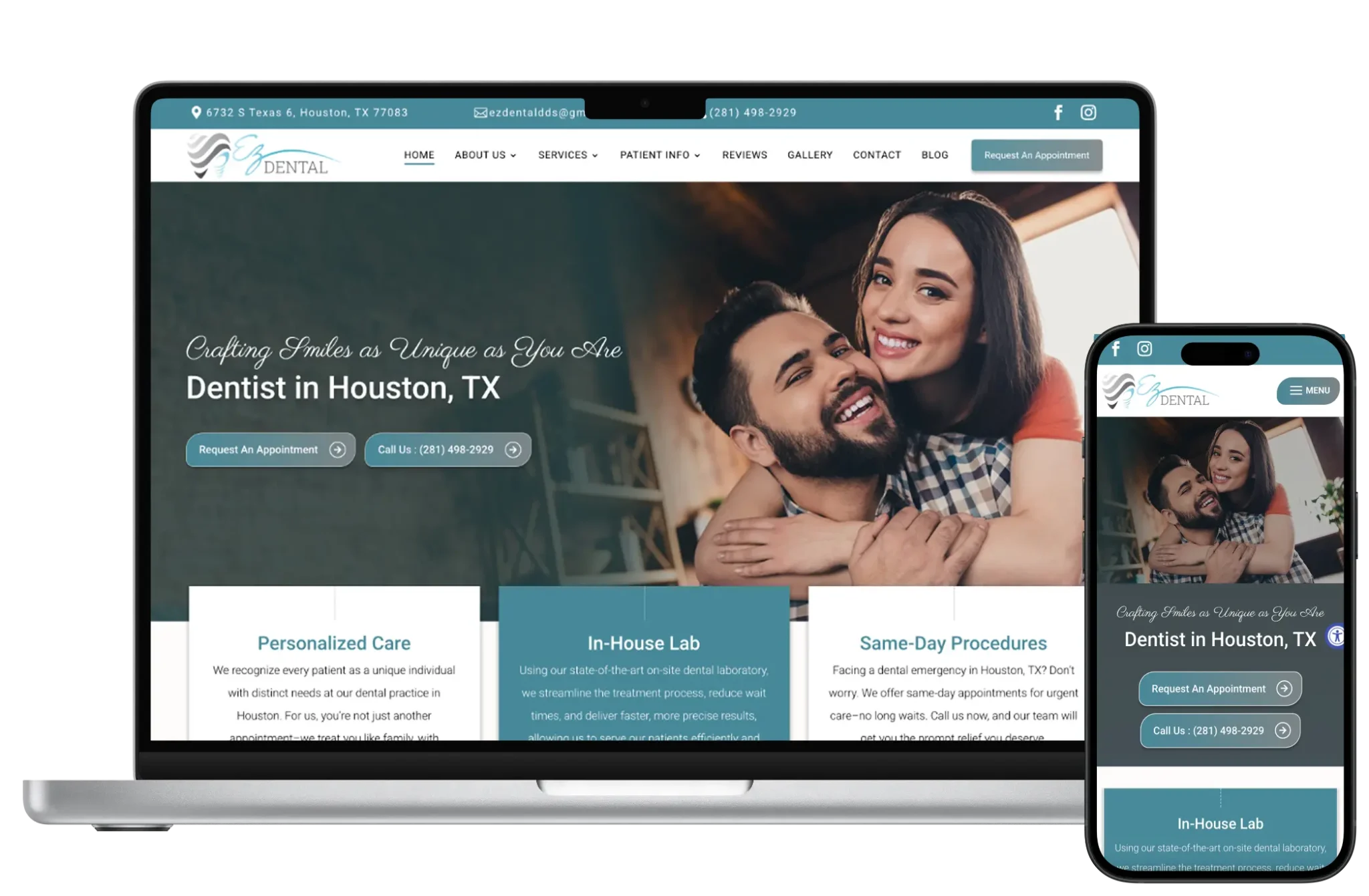
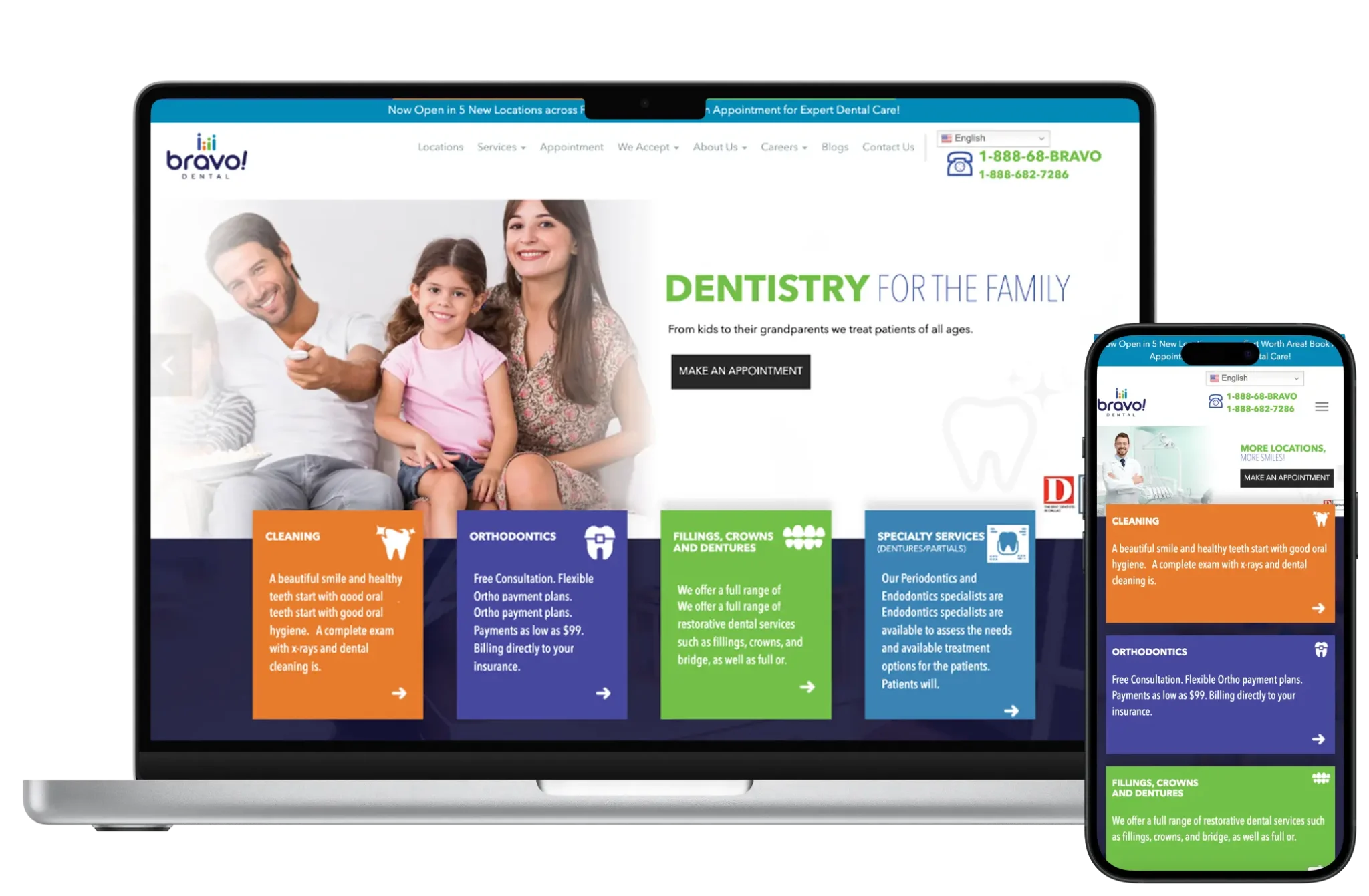


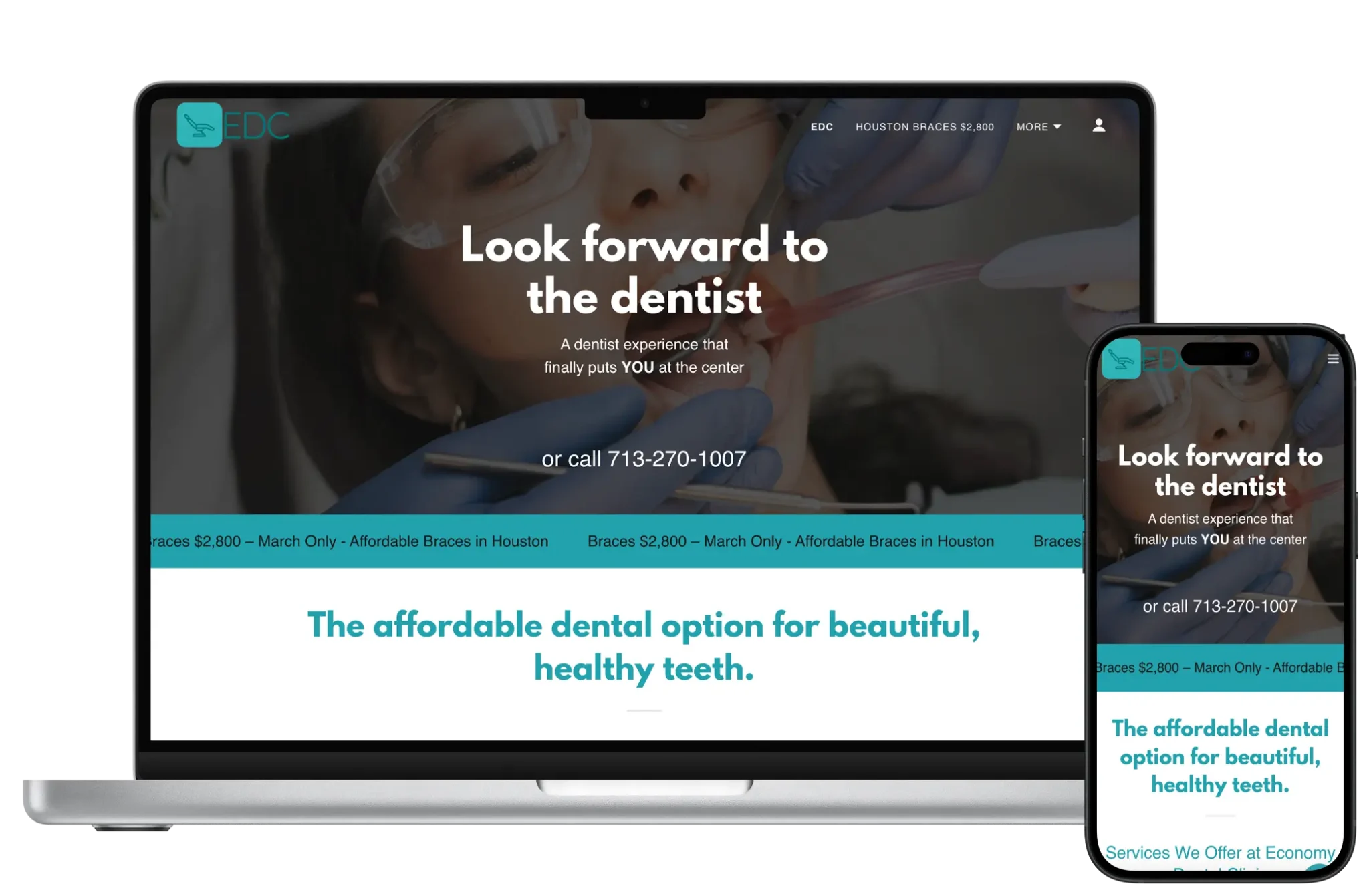
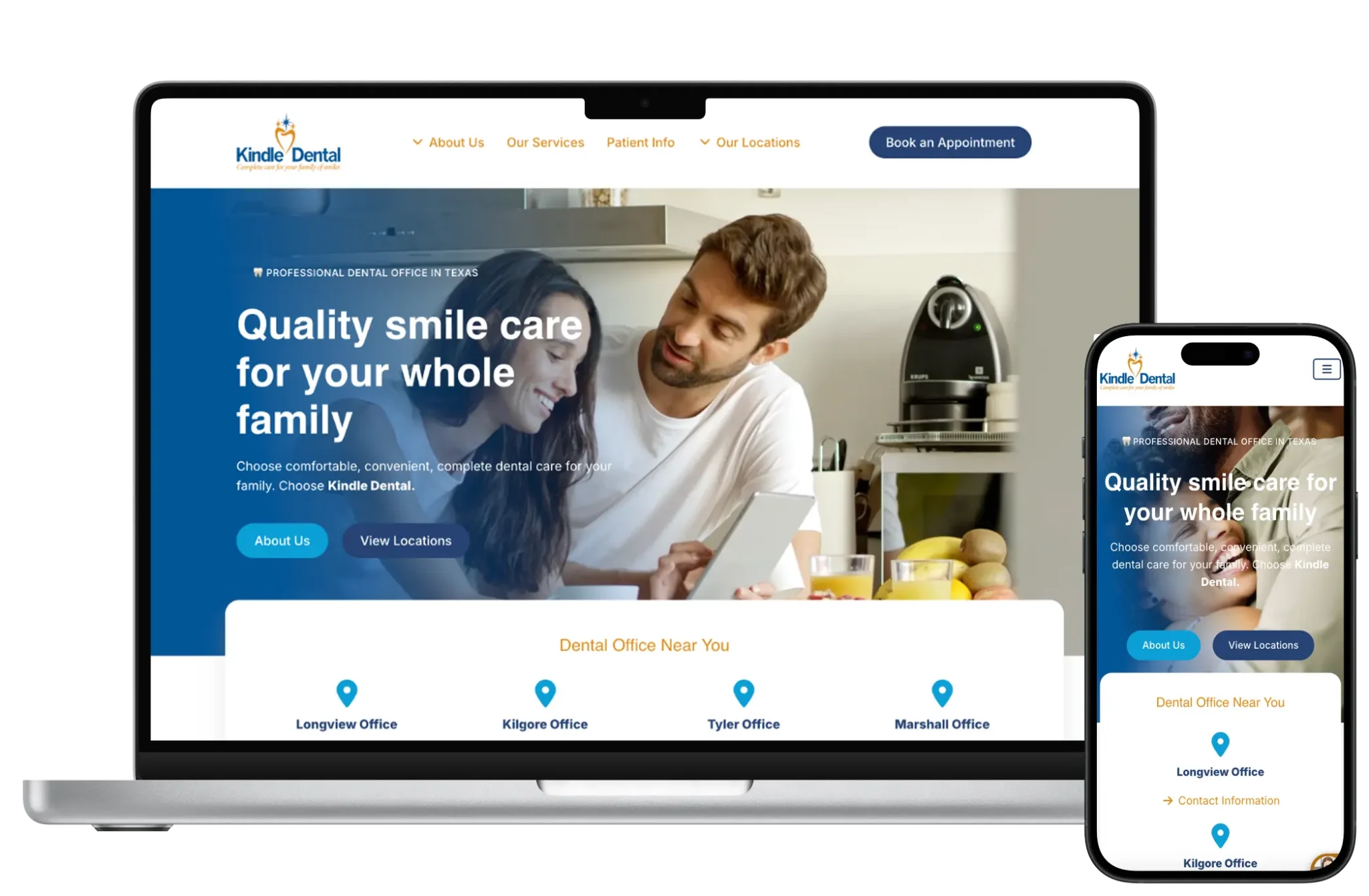

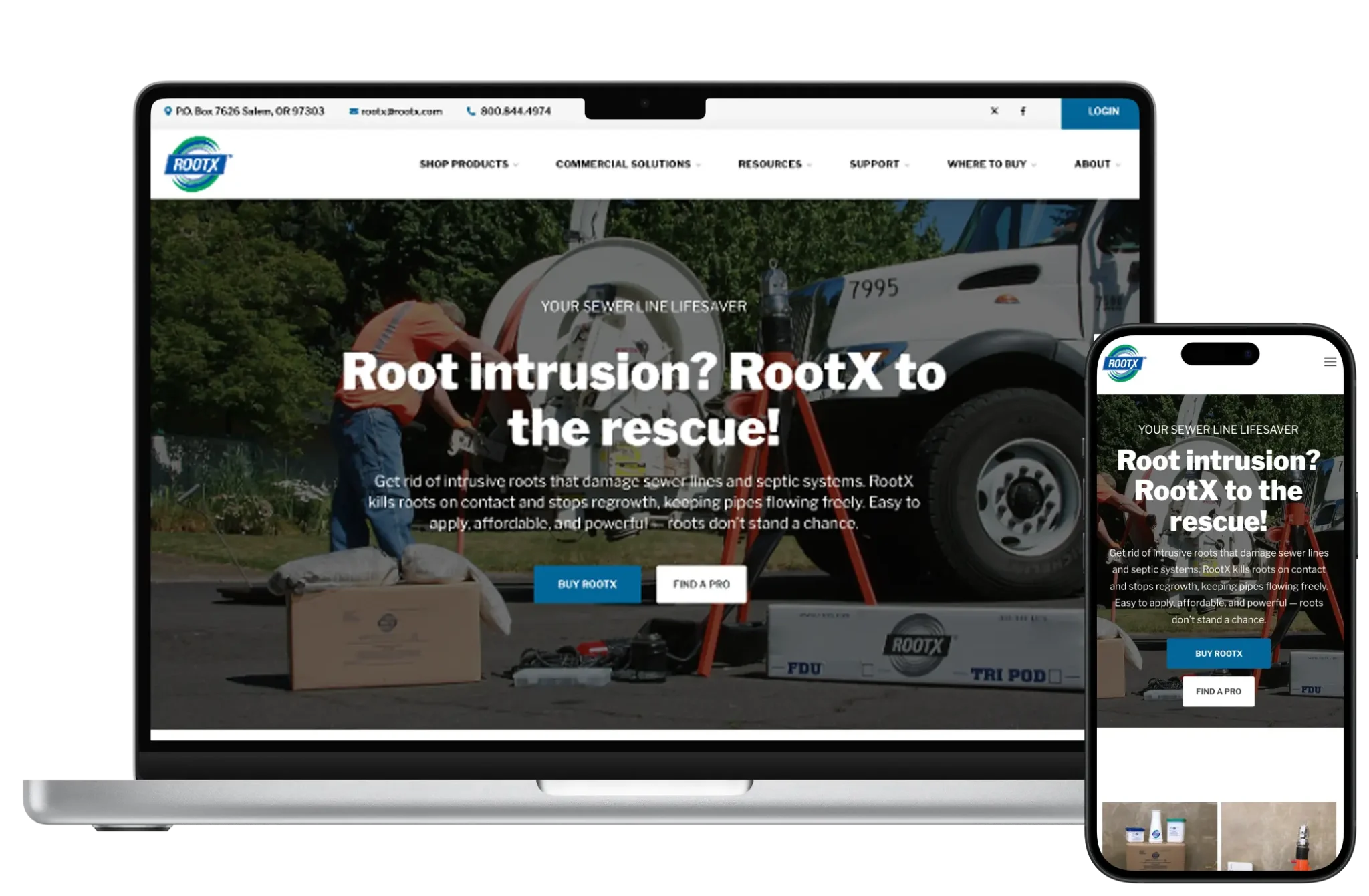
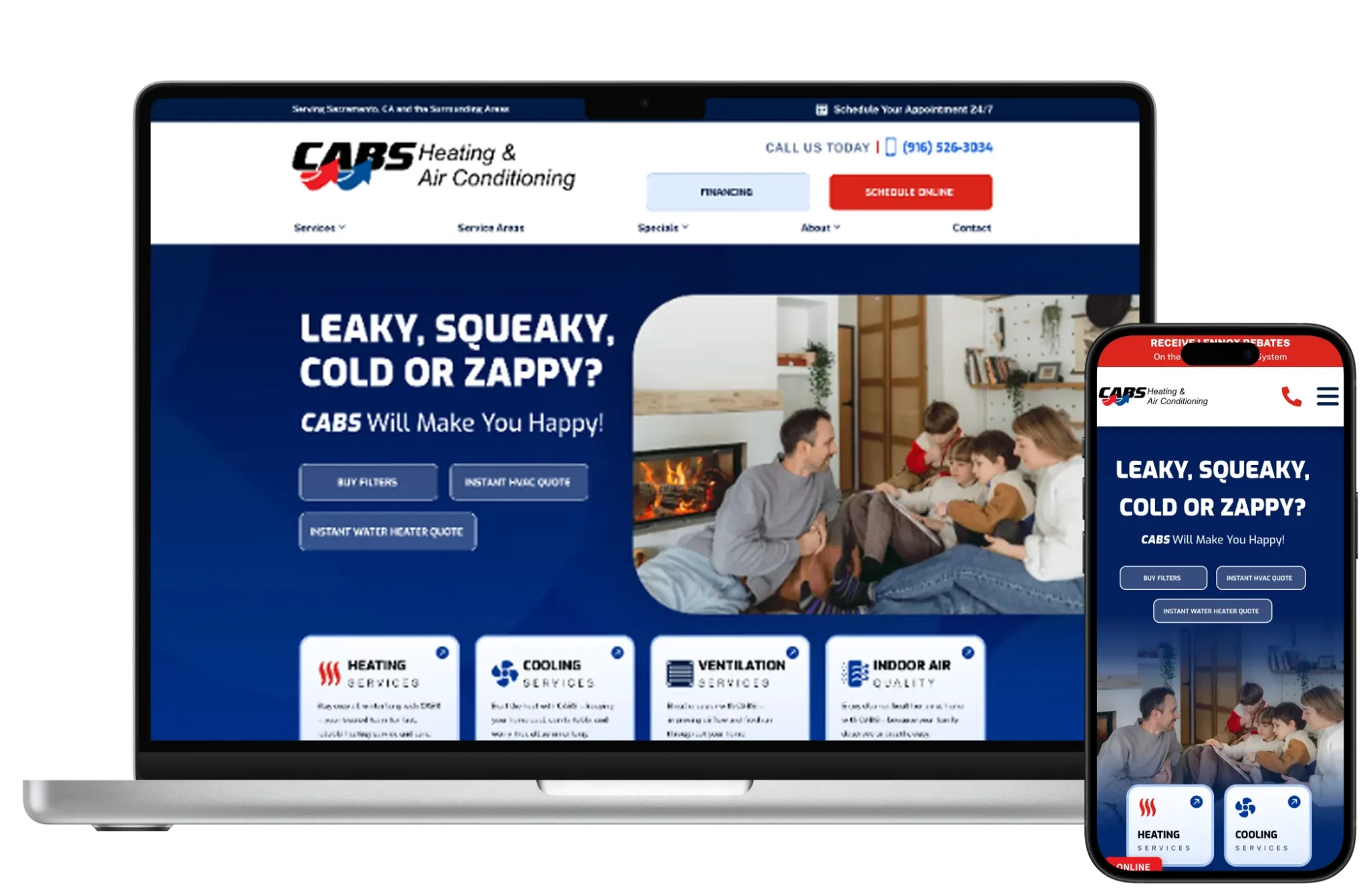

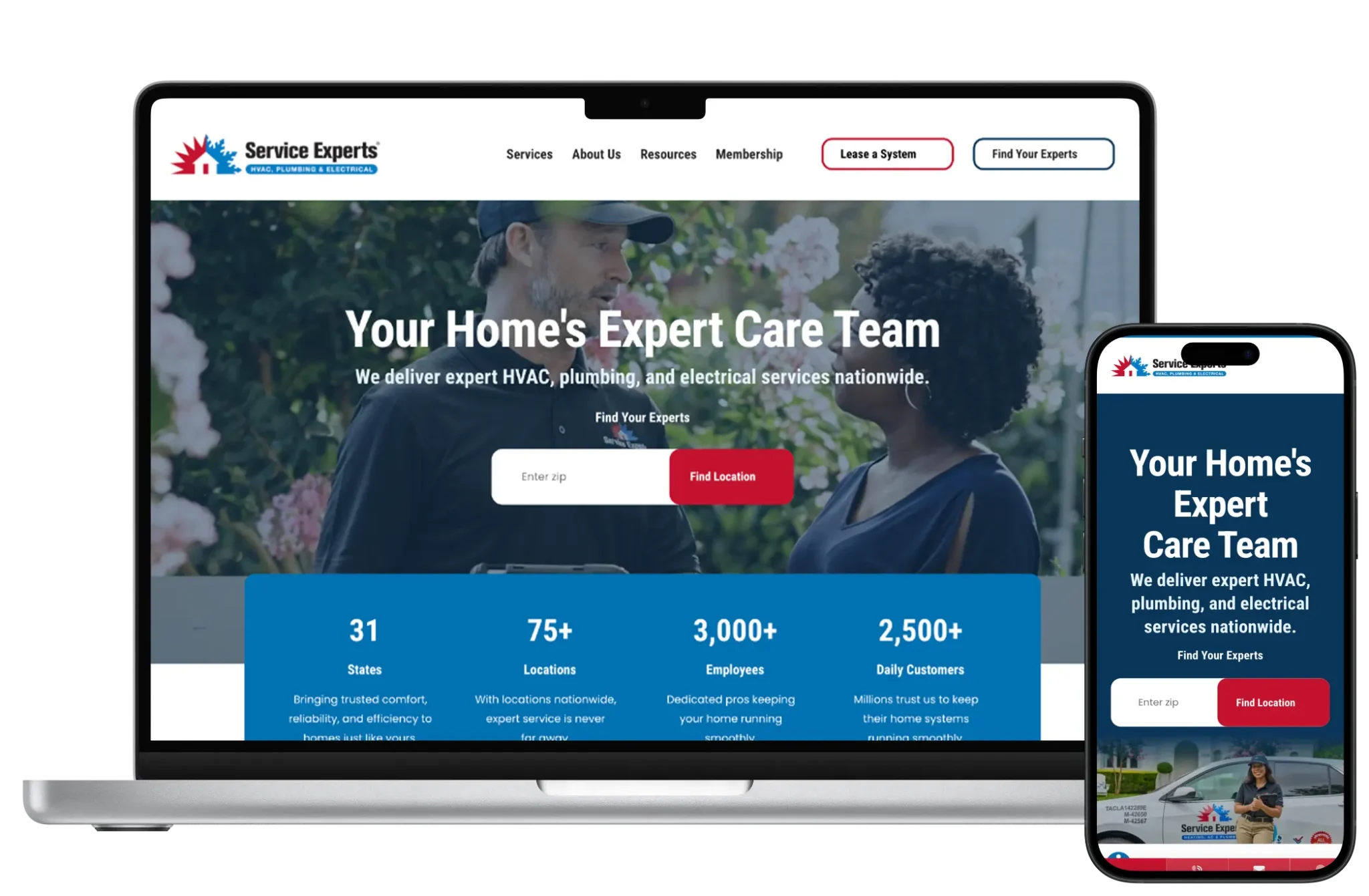
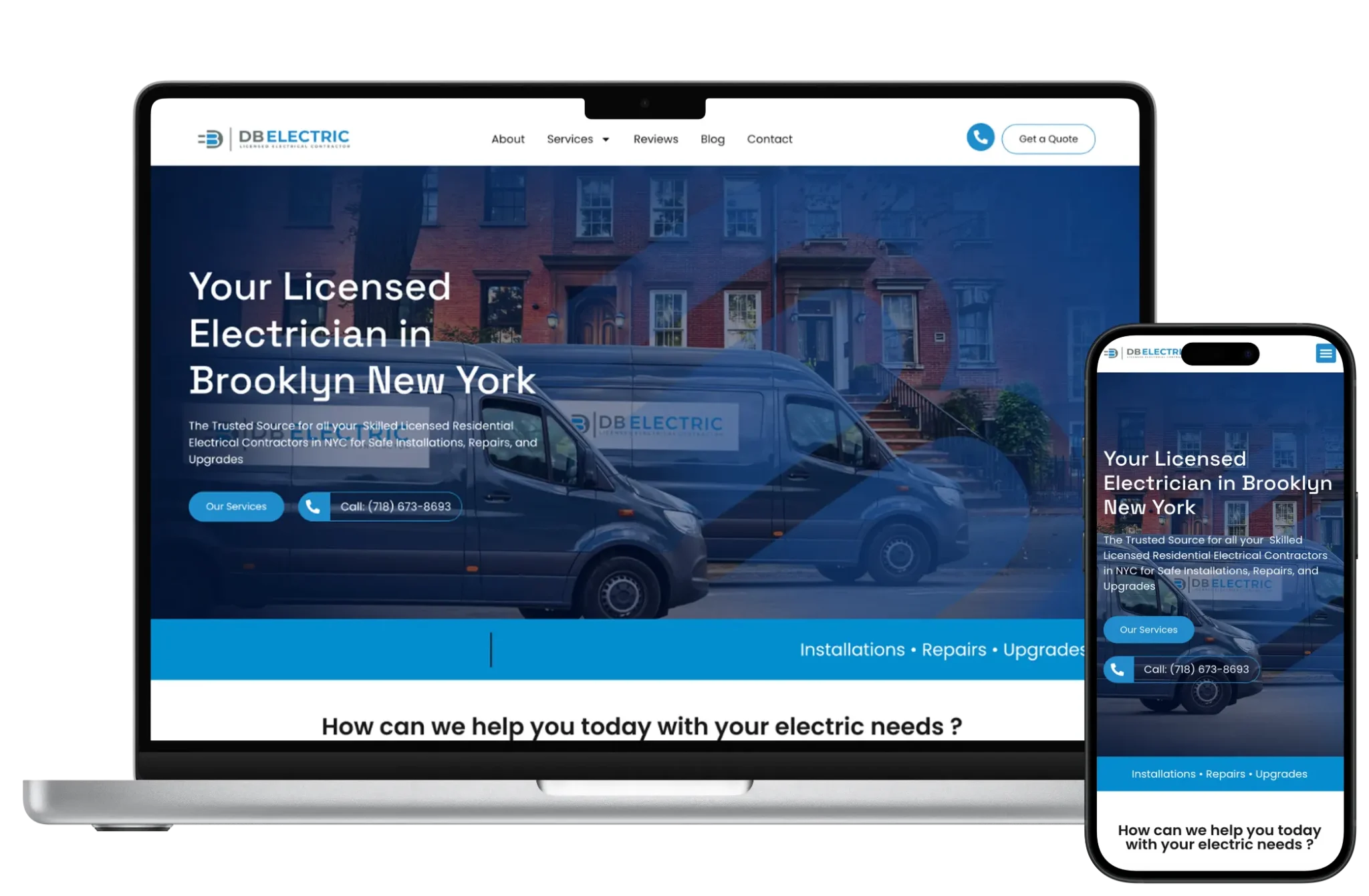
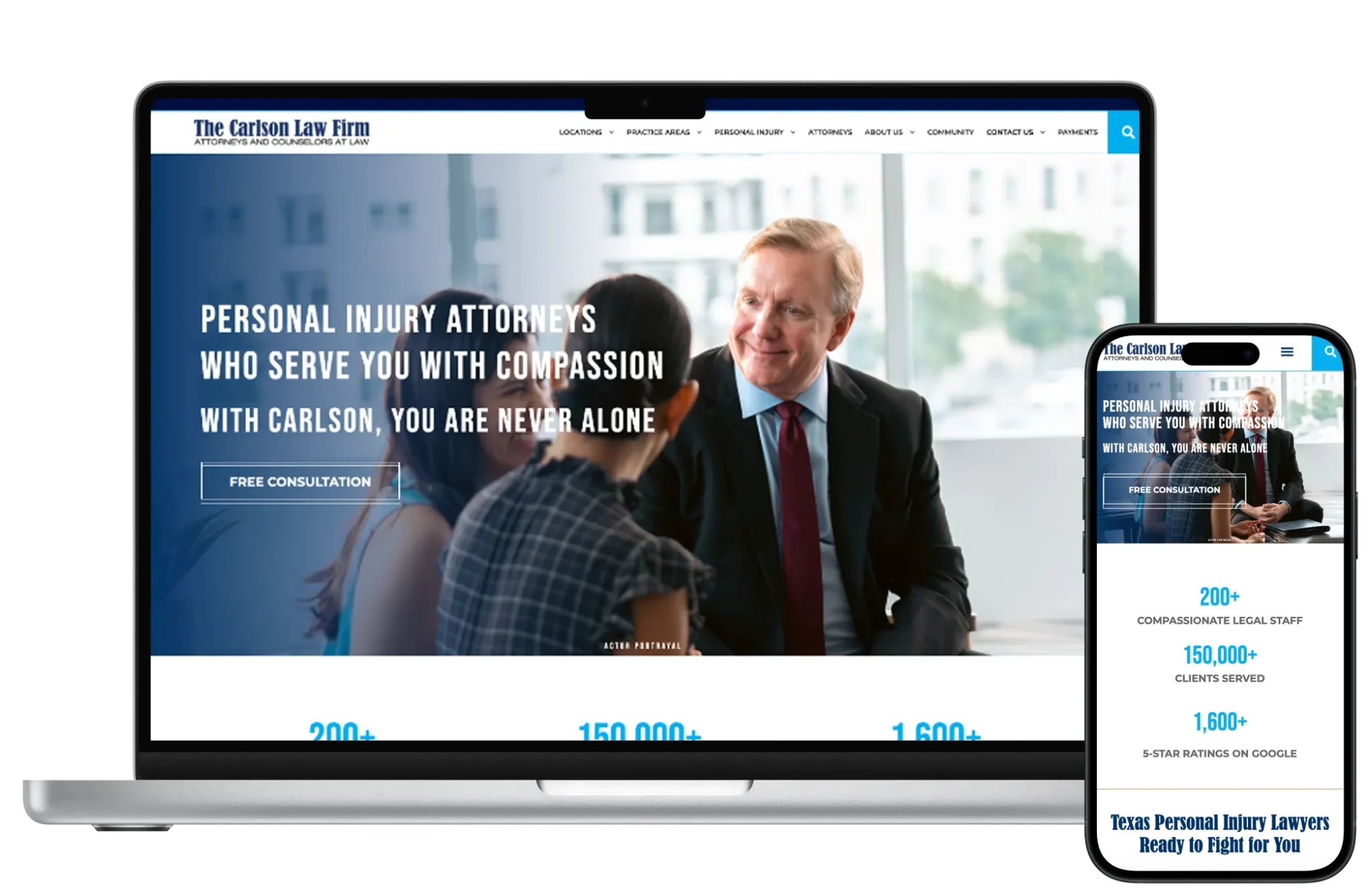



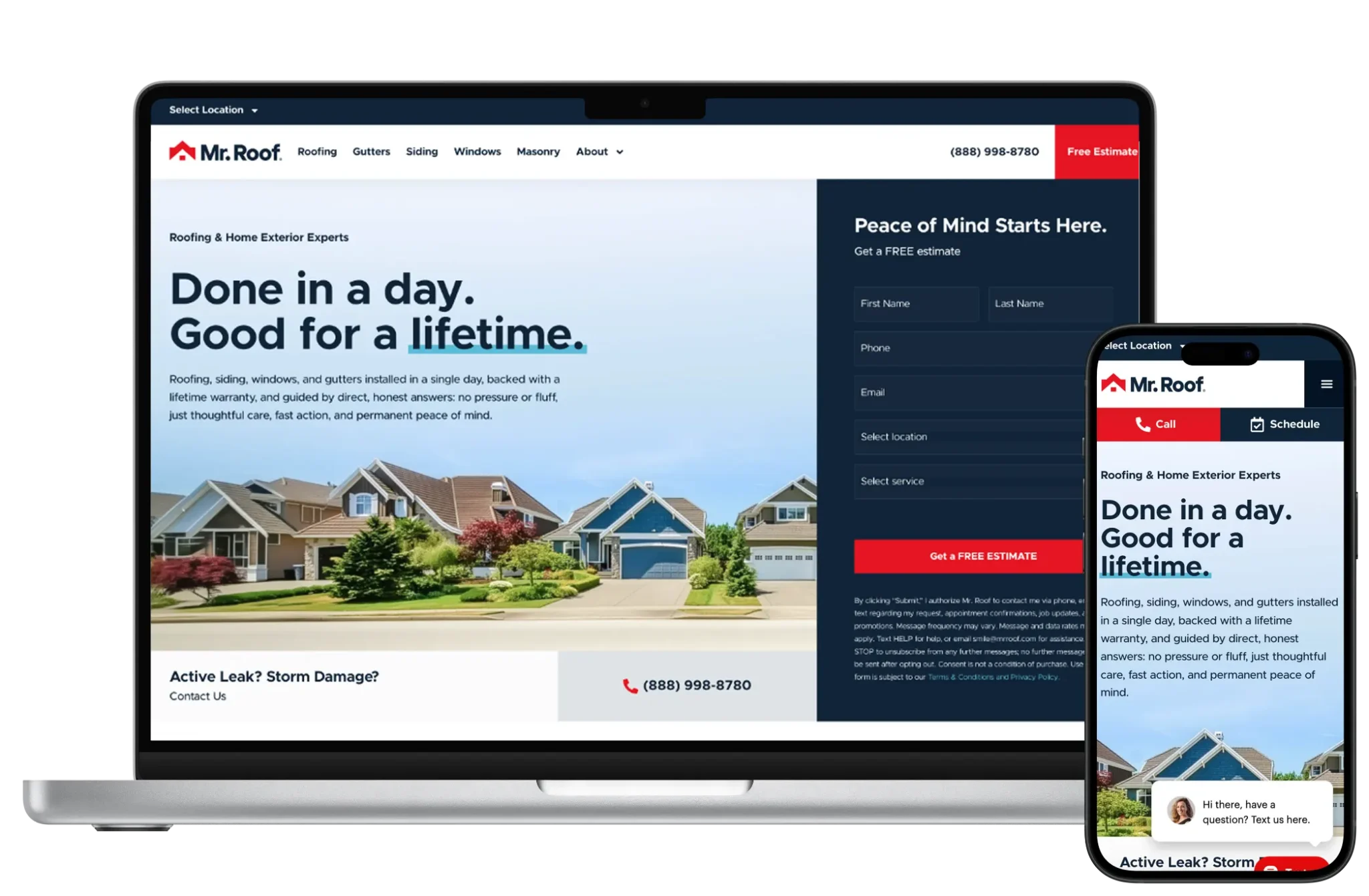

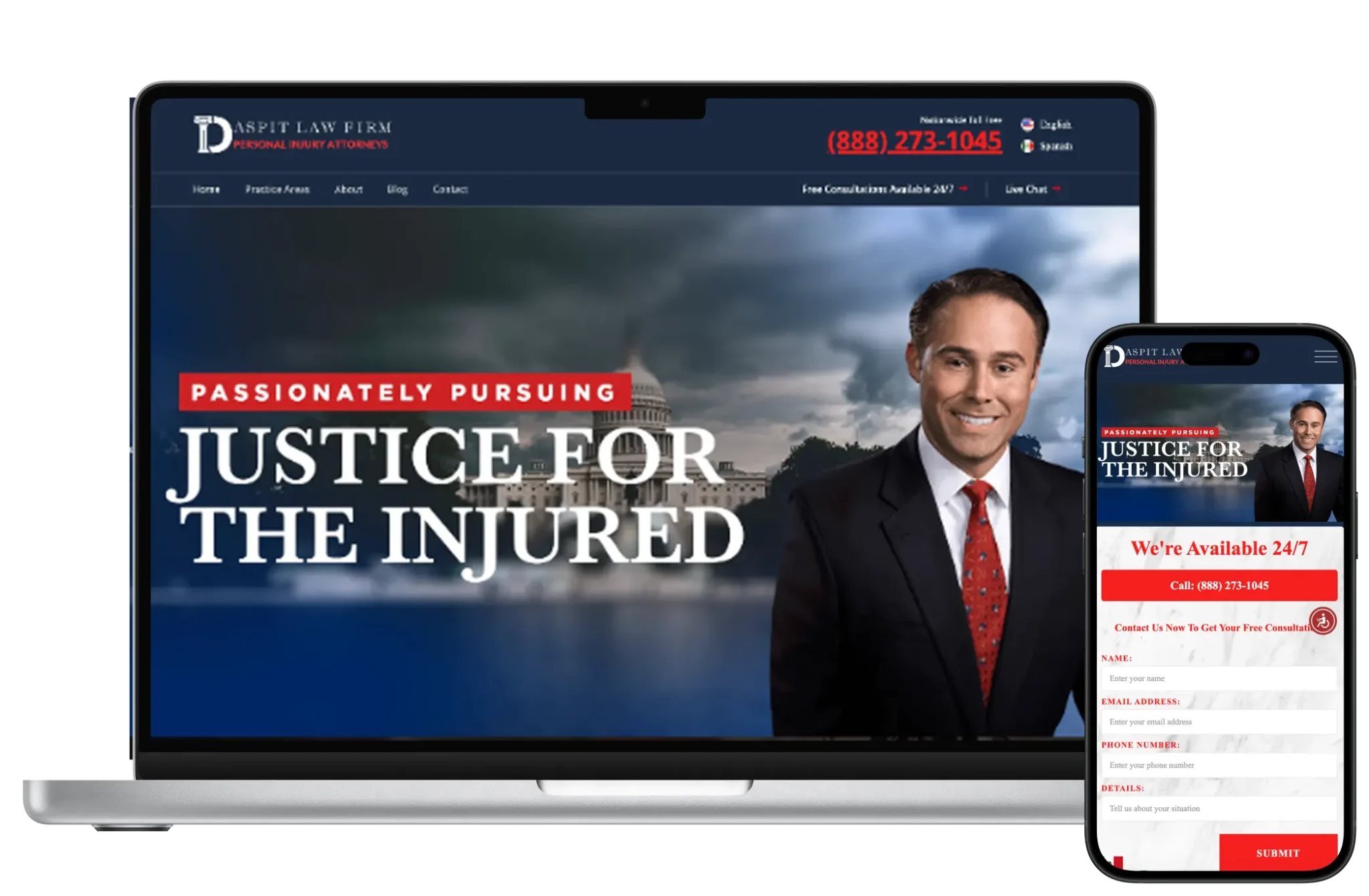


Unique layouts for symptoms, assessment overview, FAQs, and CTAs—not find/replace clones. Built to stay editable under monthly subscription care as offers and staffing change.
Step sequences that demystify intake, exam, and report of findings. Built to stay editable under monthly subscription care as offers and staffing change.
Prominent schedule and call actions for people in discomfort. Built to stay editable under monthly subscription care as offers and staffing change.
Copy patterns that describe common approaches while avoiding guaranteed outcomes. Built to stay editable under monthly subscription care as offers and staffing change.
Space for real patient feedback and physician referral instructions when relevant. Built to stay editable under monthly subscription care as offers and staffing change.
Ongoing updates as services, hours, and content needs change. Built to stay editable under monthly subscription care as offers and staffing change.

Conversion is typically a new-patient booking or a phone triage for acute pain. We emphasize same-week scheduling messaging only when operationally true, and we collect injury context, insurance status, and accident-related notes when applicable. Same-week availability claims appear only when schedules truly support them.
Secondary conversions include downloading a first-visit checklist or joining a reactivation list. Honest language beats aggressive limited-time medical claims. Imaging recommendations should be framed as exam-dependent, not universal.
Clinics that publish clear what-to-wear, visit-length, and payment-verification notes reduce first-visit anxiety and front-desk repetition. Those operational details belong on the website because they are part of care experience design. Subscription updates keep them synchronized with real clinic policies.

On-page SEO targets condition and service entities—sciatica chiropractor, workplace injury evaluation, prenatal chiropractic—when clinically appropriate and uniquely written. Technique + condition combinations work when you actually use those techniques and write unique FAQs.
Technical SEO keeps booking scripts light, images compressed, and condition URLs logical. Wellness fluff that could apply to any clinic rarely earns durable visibility.
Content SEO favors practical guides tied to your real techniques and FAQs. Avoid mass-produced wellness fluff that could apply to any clinic in any city. Local photo freshness and service list accuracy strongly influence pack competitiveness.
We connect SEO work to technical SEO, on-page SEO, and — when local demand matters — local SEO. We do not promise specific rankings.

Local pack competition is strong for chiropractors. Complete Google Business Profile services, categories, and photo freshness should match the website. Categories and services on your profile should mirror the conditions and techniques emphasized on-site.
We support city or neighborhood pages only with genuine unique content and real service coverage—not doorway spam.
We keep local signals aligned with operational reality so maps visibility work does not conflict with how dispatch or scheduling actually runs.
We only recommend location pages when you genuinely serve the area and can add unique value — not doorway-page city spam. See Google Business Profile optimization.
Yearly plans that include design, development, maintenance and SEO foundations — without a large upfront project fee.
For small businesses that need a professional site without a large upfront build.
Best for local and service businesses ready to generate more leads every month.
For growing brands that need ongoing development, SEO and conversion work.
Large sites, complex integrations, multi-location brands and custom applications.
Most lead-focused Chiropractors engagements fit Growth ($299/year) when local/organic acquisition matters. Simpler brochure sites may fit Starter ($199/year). Multi-location, custom integrations, or heavier development fit Pro ($399/year) or Enterprise.
Setup fees may apply for redesigns, migrations, or large content builds — always disclosed before kickoff. See transparent subscription pricing and how website subscriptions work.
Full notes for challenges, strategy and supporting pages — so the sections above stay scannable.
We map journeys from symptom search to condition education, then to first-visit explanation, then booking. Care-plan philosophy belongs on-site so patients understand that recommendations follow examination—not a one-size pitch. Separate pathways can exist for auto accident, sports, prenatal, or pediatric focus when those are real clinic strengths. Condition pages must always route to first-visit and booking CTAs, not dead-end education.
SEO strategy builds condition clusters with unique FAQs and internal links to booking. Monthly work refreshes seasonal content—back-to-sports, winter slip-and-fall awareness—without inventing medical claims. Auto-accident pathways need documentation notes without sliding into legal advice.
Chiropractic marketing has historically swung between clinical under-explanation and overclaiming. The durable middle path is specific condition education, transparent first-visit mechanics, and calm conversion to booking. When those elements are maintained monthly, the clinic stays discoverable without relying on gimmicks that create compliance headaches later.
Typical tools and workflows we plan around for Chiropractors:
Platform choice often lands on WordPress for service businesses, or Shopify / WooCommerce when commerce is central.
That is why uniqueness, accuracy, and strong local signals matter. We focus on differentiators you control—clarity, reviews alignment, and condition depth—rather than empty authority claims. We document decisions during discovery so the site reflects how your team actually works day to day.
Explain philosophy and typical visit structures; full plan pricing often follows exam. Transparency about evaluation steps builds more trust than hiding the process. We document decisions during discovery so the site reflects how your team actually works day to day.
Use real, consented stories carefully and avoid implying guaranteed results. We design layouts that keep claims grounded. We document decisions during discovery so the site reflects how your team actually works day to day.
Straight answers about scope, pricing, ownership and what a subscription includes for this page.
Who you help, common conditions, and how to book or call—plus a cue that the first visit includes an exam and findings discussion. Save long philosophy essays for deeper pages. Practical details are finalized during onboarding so the live site matches how your team works.
Start with the conditions you treat most and can describe uniquely. Expand when you can add real FAQs and internal links rather than thin duplicates. Practical details are finalized during onboarding so the live site matches how your team works.
Yes if patients search them and you use them. Always pair with plain-language explanations so newcomers are not lost. Practical details are finalized during onboarding so the live site matches how your team works.
Provide a clear pathway for documentation expectations and booking, without giving legal advice. Separate IA often helps. Practical details are finalized during onboarding so the live site matches how your team works.
Not mandatory, but highly useful for mobile users. If you remain phone-first, make calling effortless and state response times. Practical details are finalized during onboarding so the live site matches how your team works.
Yes—with distinct service pages and booking rules so chiropractic and adjunct services do not collide on the schedule. Practical details are finalized during onboarding so the live site matches how your team works.
We use careful wording patterns, encourage clinician review, and exclude fabricated stats or guaranteed relief language. Practical details are finalized during onboarding so the live site matches how your team works.
Profile freshness, review responses coordination, on-site NAP accuracy, and improving condition pages that already attract impressions. Practical details are finalized during onboarding so the live site matches how your team works.
Only when justified by real service patterns and unique content. Thin geo pages are not part of our default approach. Practical details are finalized during onboarding so the live site matches how your team works.
Explain when imaging may be recommended and what to expect. Avoid implying identical diagnostics for every patient. Practical details are finalized during onboarding so the live site matches how your team works.
Chiropractic websites designed for conditions, first visits, and honest local SEO under a monthly subscription.