

Challenges Physiotherapists face online
Service menus list modalities without explaining who they help or what a typical plan involves.Referral forms are hard for clinic staff at orthopedic…
Read more →Physiotherapy clinic websites
Physiotherapy clinics convert when patients and referring providers understand care pathways. Someone recovering from ACL reconstruction needs different guidance than an office worker with chronic…

Physiotherapy clinics convert when patients and referring providers understand care pathways. Someone recovering from ACL reconstruction needs different guidance than an office worker with chronic shoulder pain. 66sites designs subscription websites structured around those pathways—clear services, condition education, therapist bios, and booking—plus ongoing maintenance and SEO. Explaining how progress is measured—without inventing outcome percentages—sets professional expectations for home-exercise participation.
Unlike purely consumer wellness brands, physiotherapy sites often must serve dual audiences: direct-access patients and physician or surgical referral sources. Navigation, PDFs, and referral instructions should make both groups successful without cluttering the patient booking path. We plan information architecture for that dual job. Pelvic health and vestibular programs often need quieter UX tones than sports rehab while sharing one clinic system.
Evidence-informed tone matters. We help you present assessments, modalities, and exercise-based care in accessible language without fabricating success rates or ranking claims. Monthly subscription work keeps programs, therapists, and insurance notes current. Waitlists for constrained specialties can capture interest honestly instead of promising false next-day availability.
Practical website, conversion and SEO work tailored to how your buyers actually decide.
Service menus list modalities without explaining who they help or what a typical plan involves.Referral forms are hard for clinic staff at orthopedic…
Read more →
We design patient journeys by pathway: sports rehab, post-surgical, vestibular, pelvic health, pediatric, or workplace injury—only for programs you…
Read more →
Services & programs. Organizes care lines so patients pick a relevant entry point. This page earns its place because searchers and sales…
Read more →A look at website designs and layouts we build for service businesses — mockups and project types, not fabricated client claims.
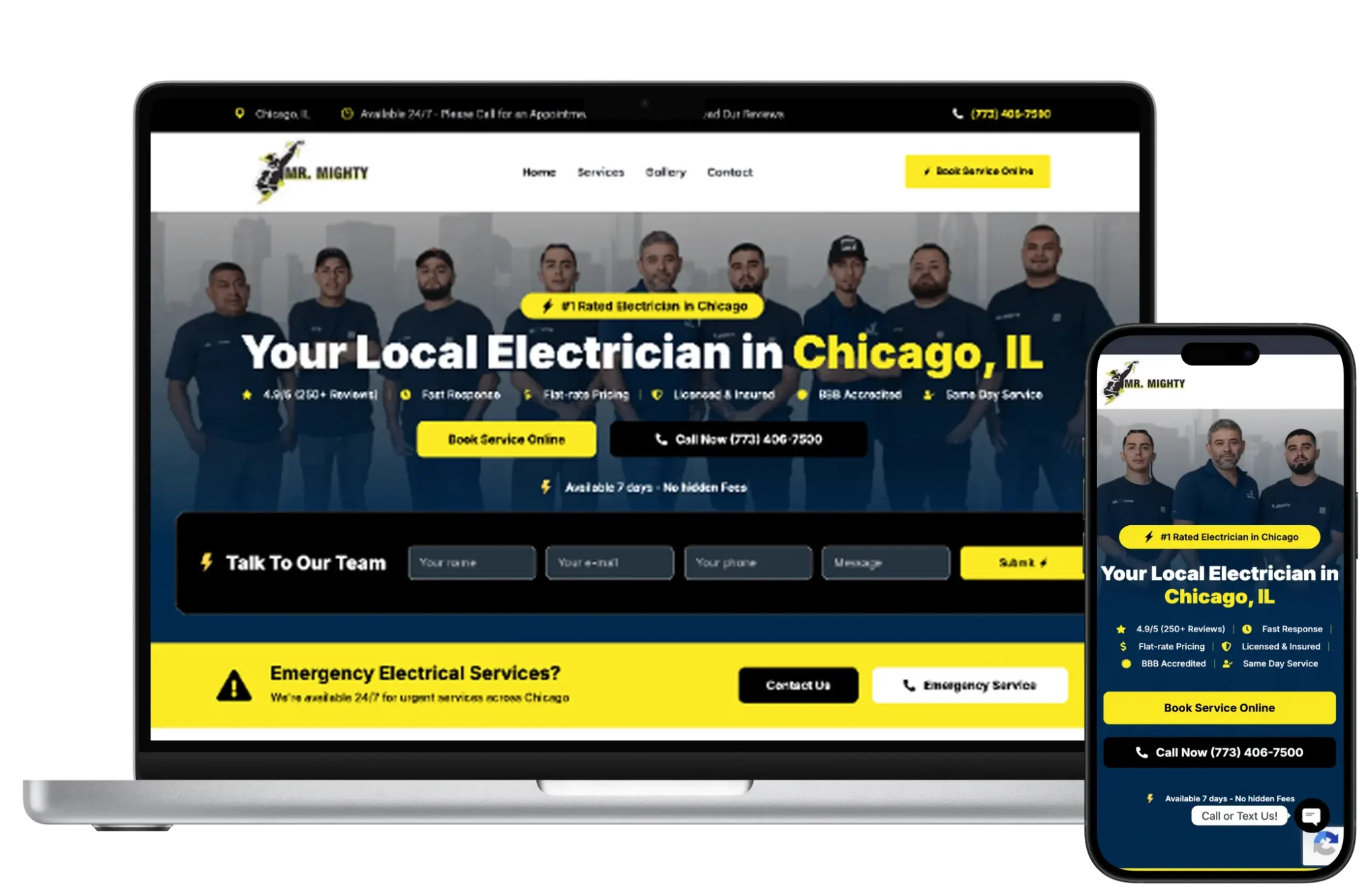
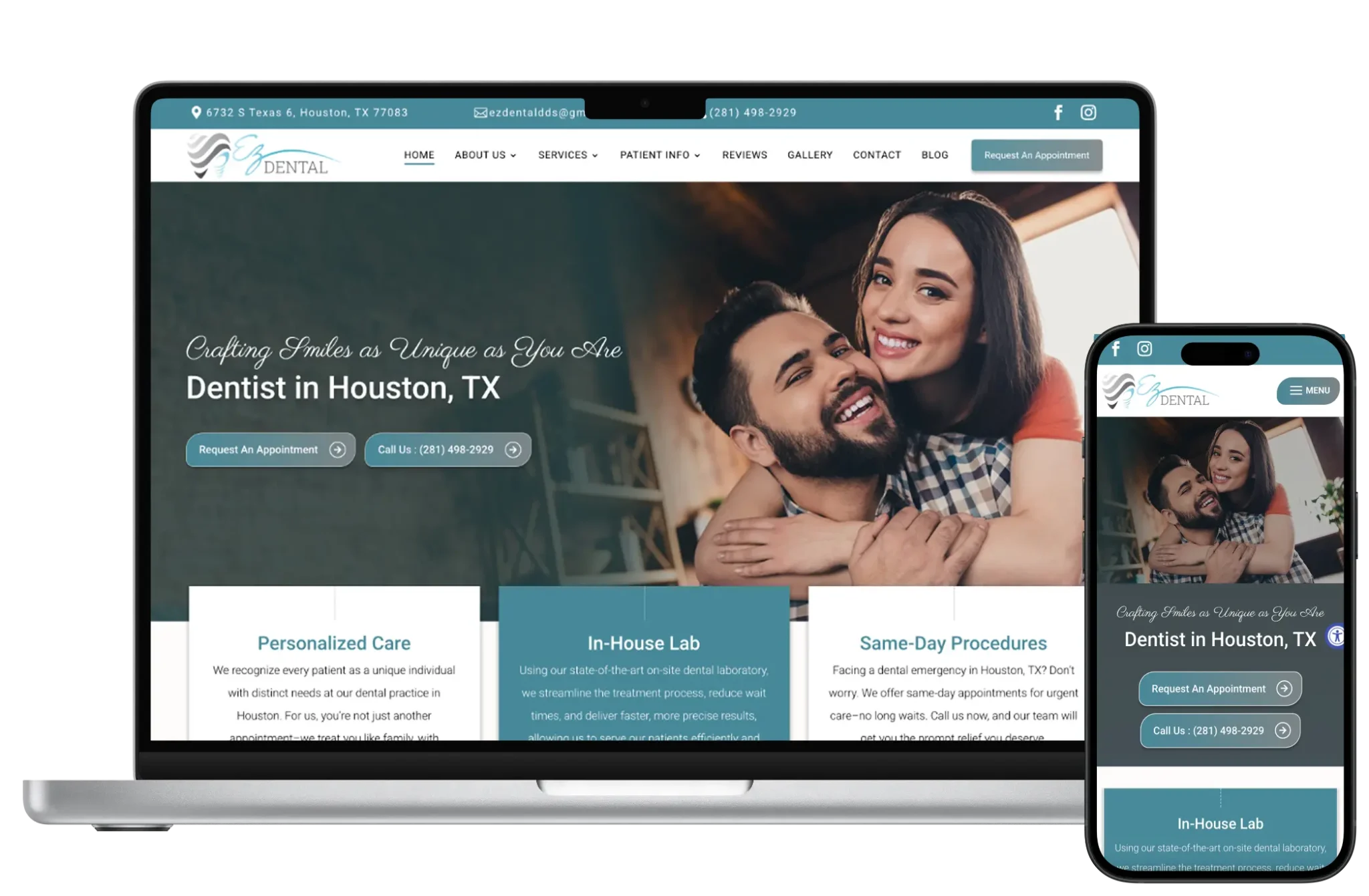
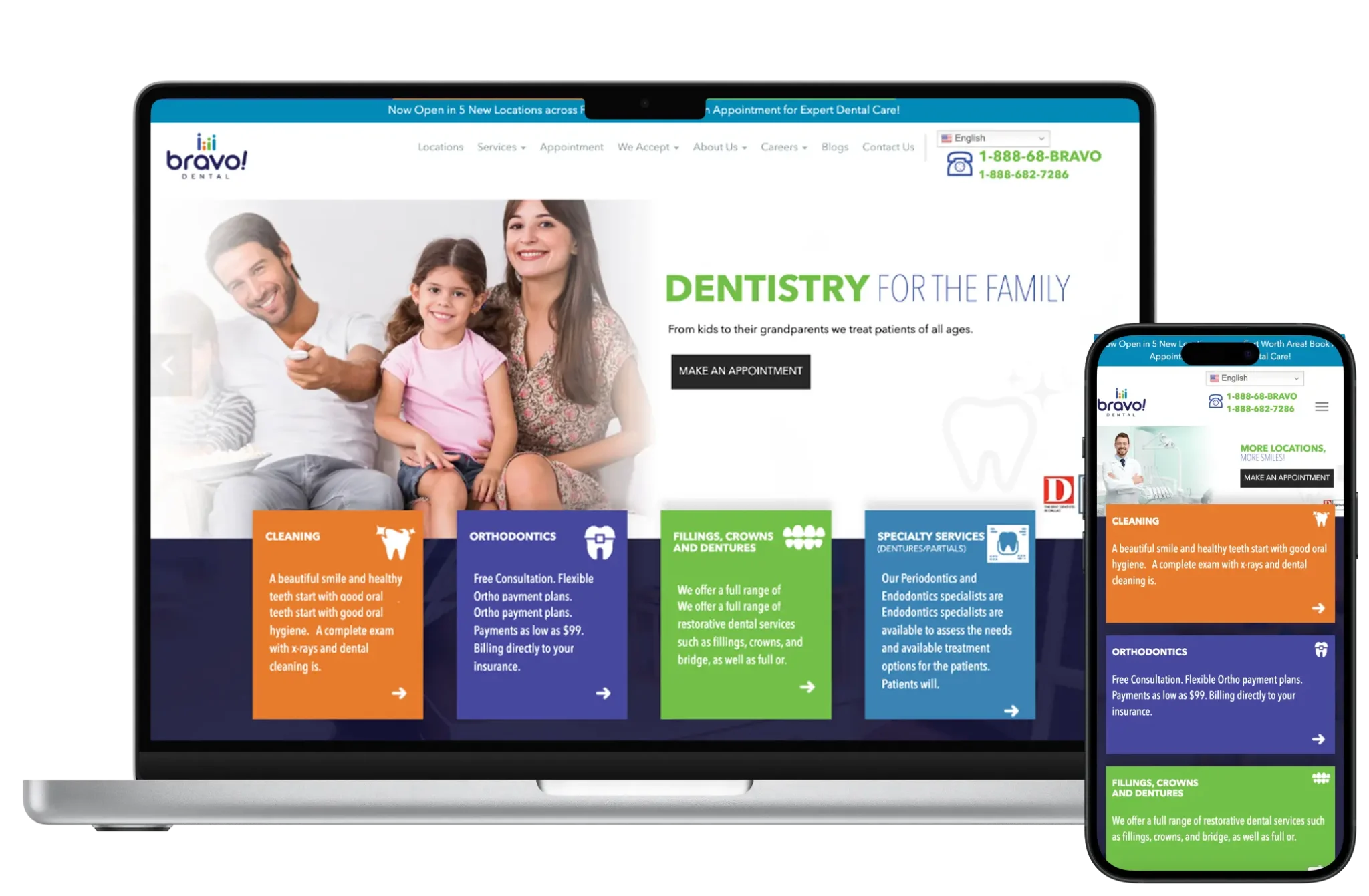
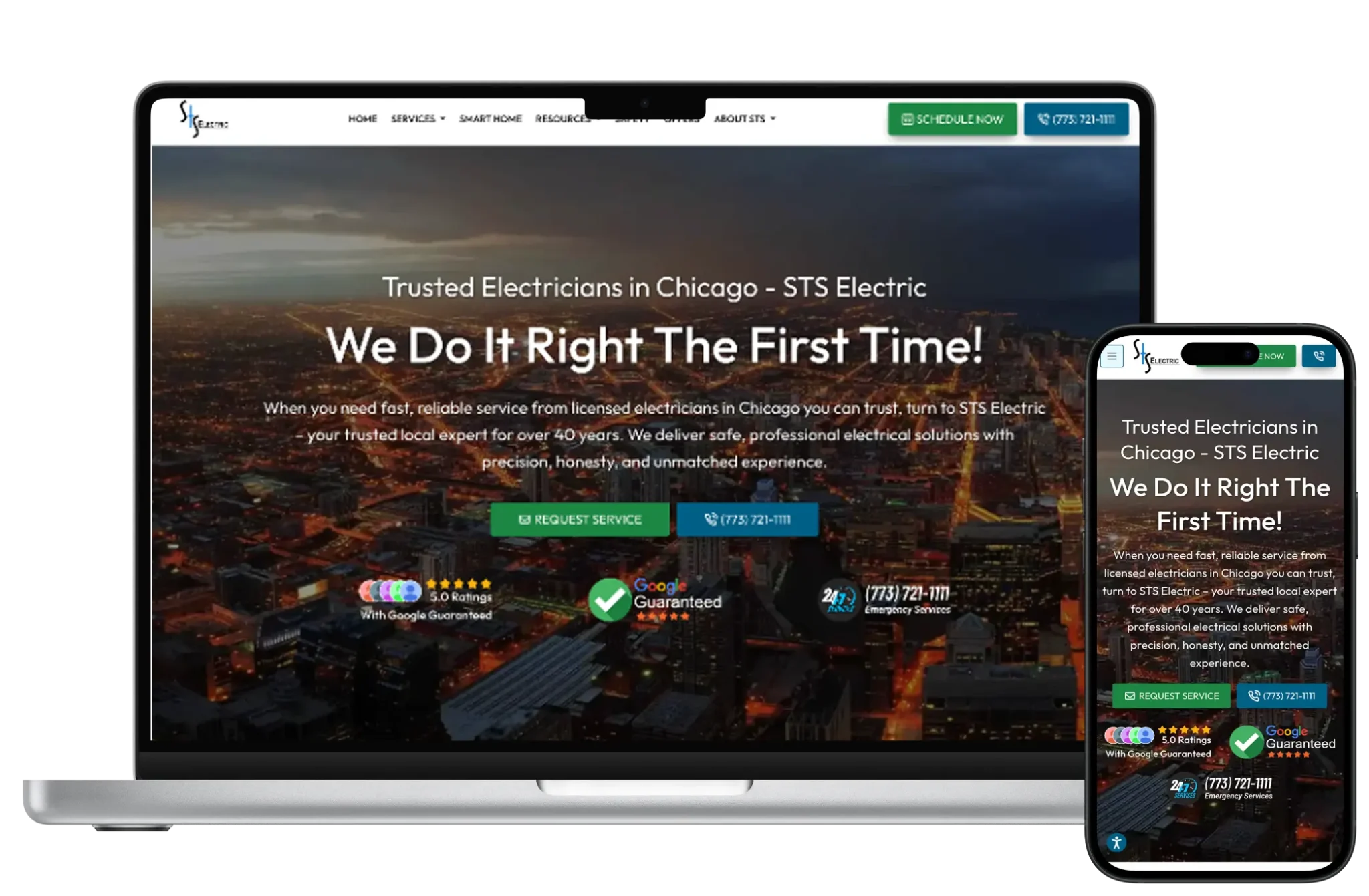

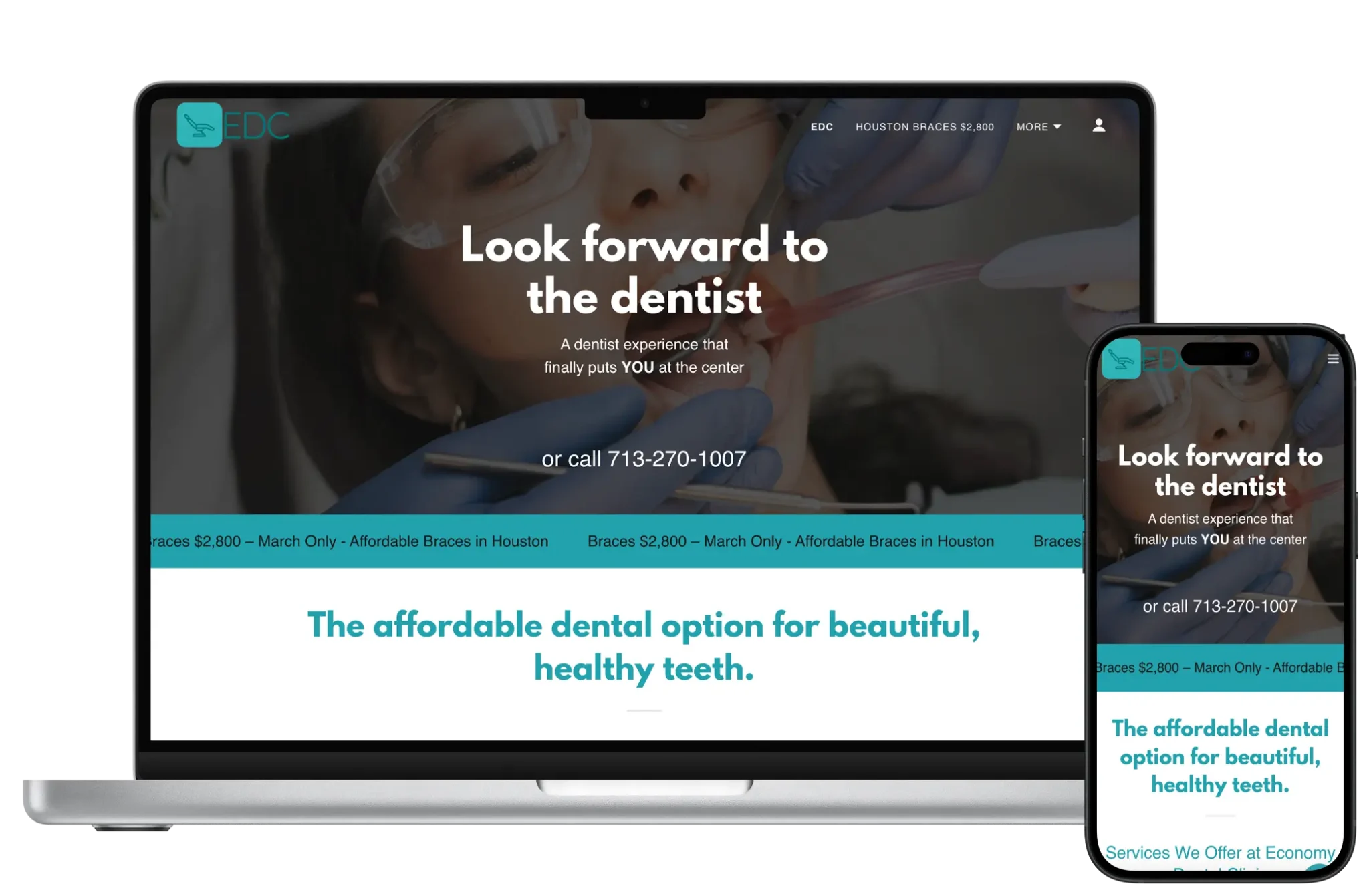
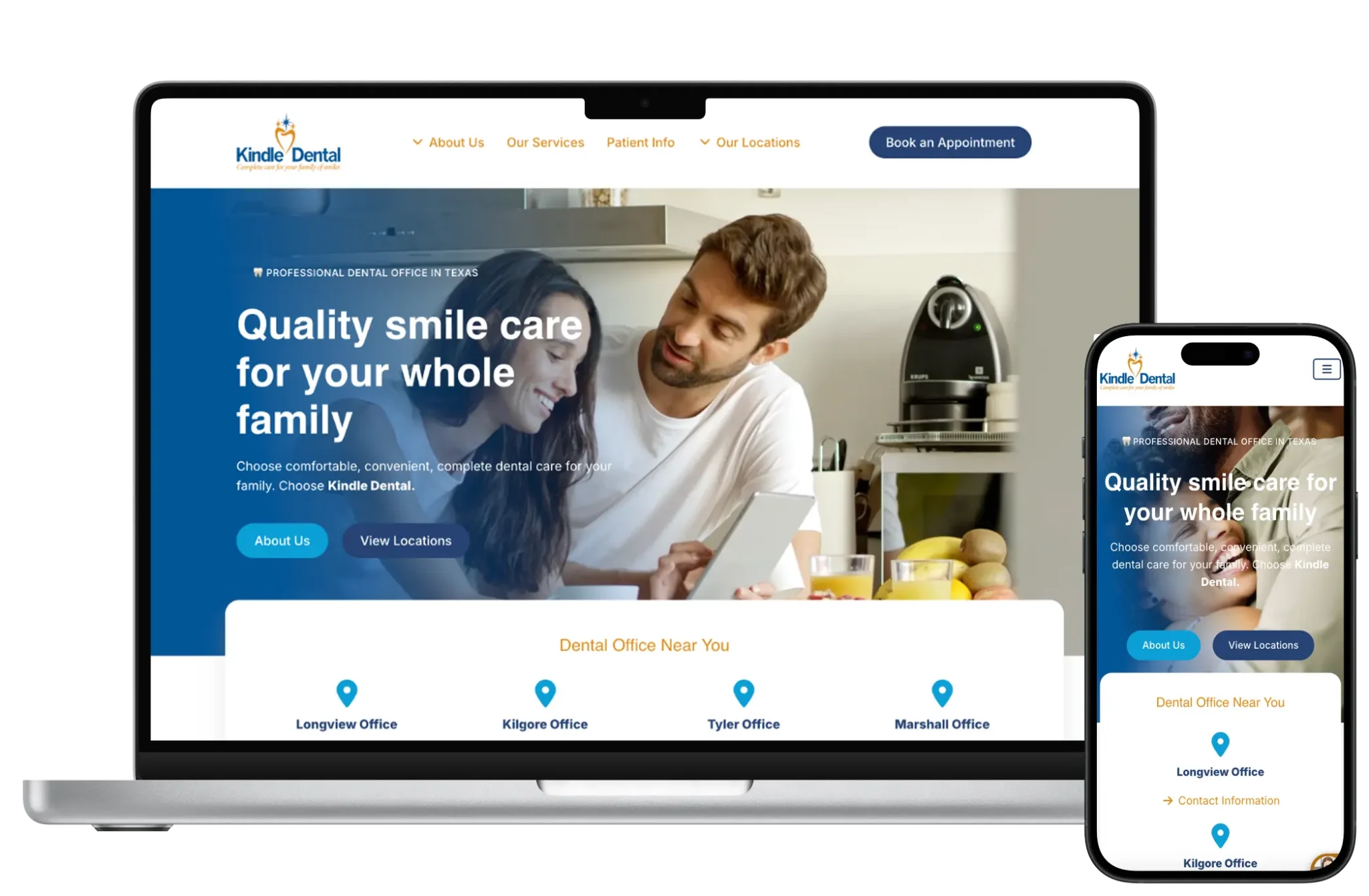
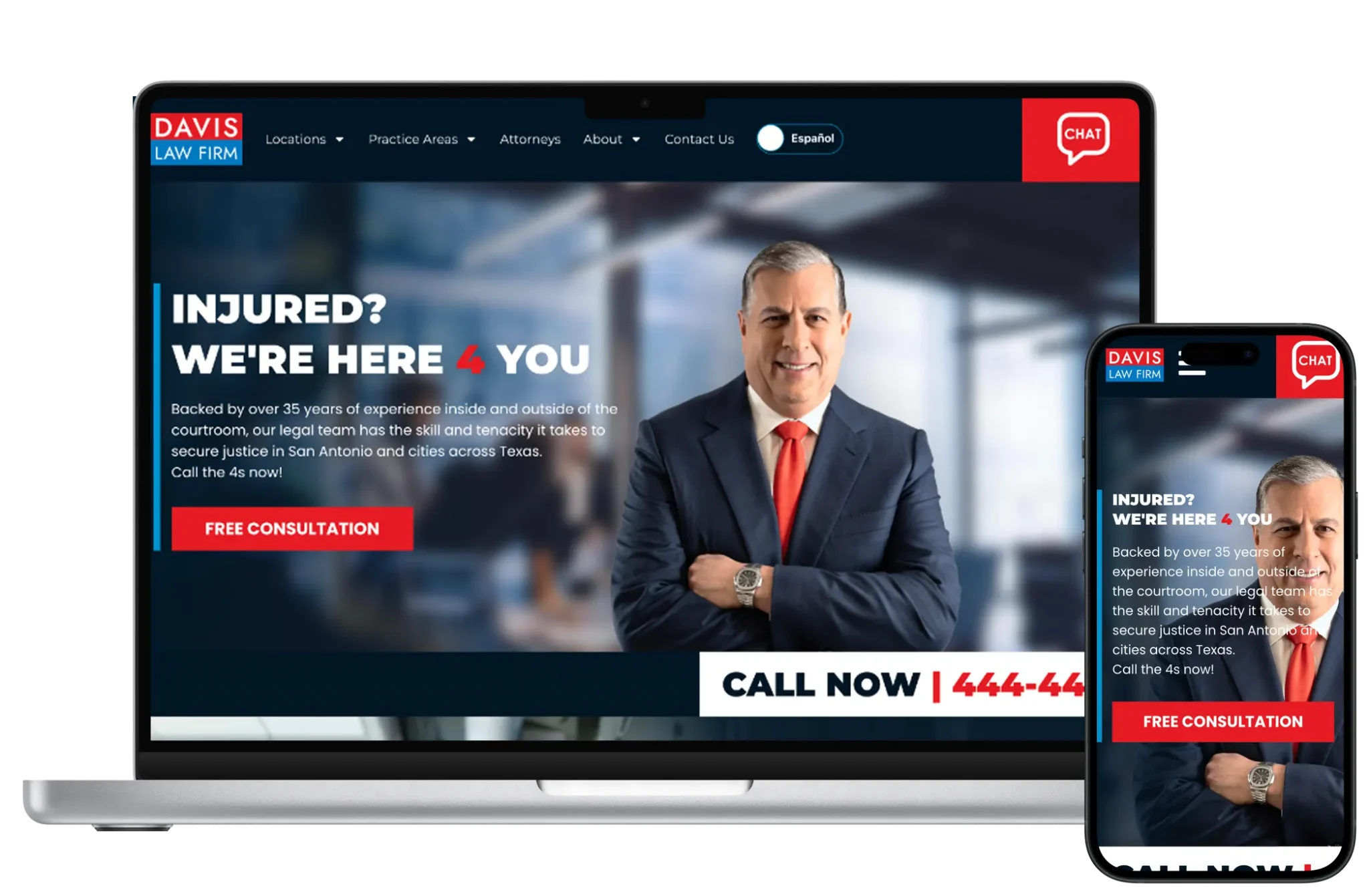
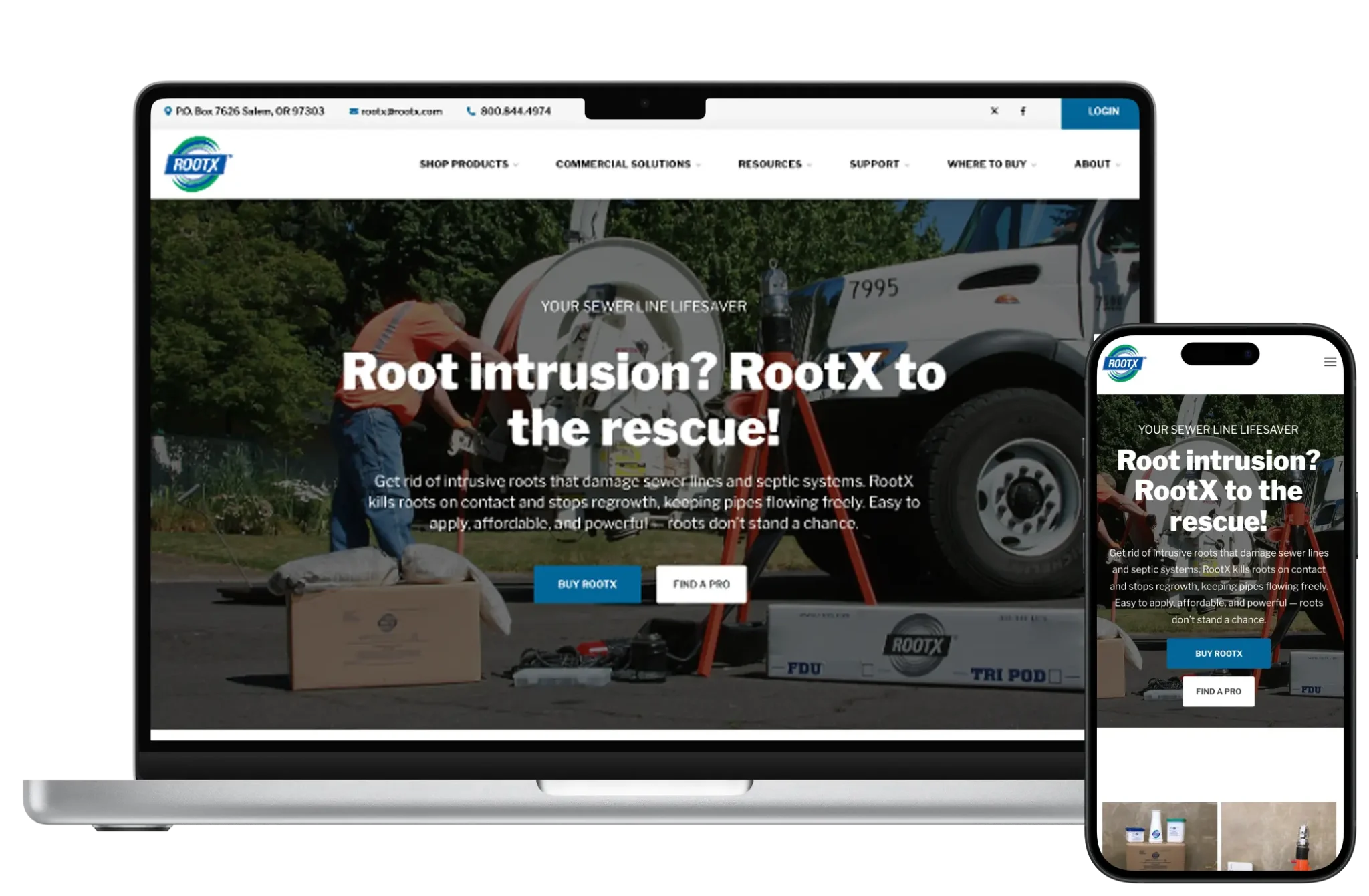
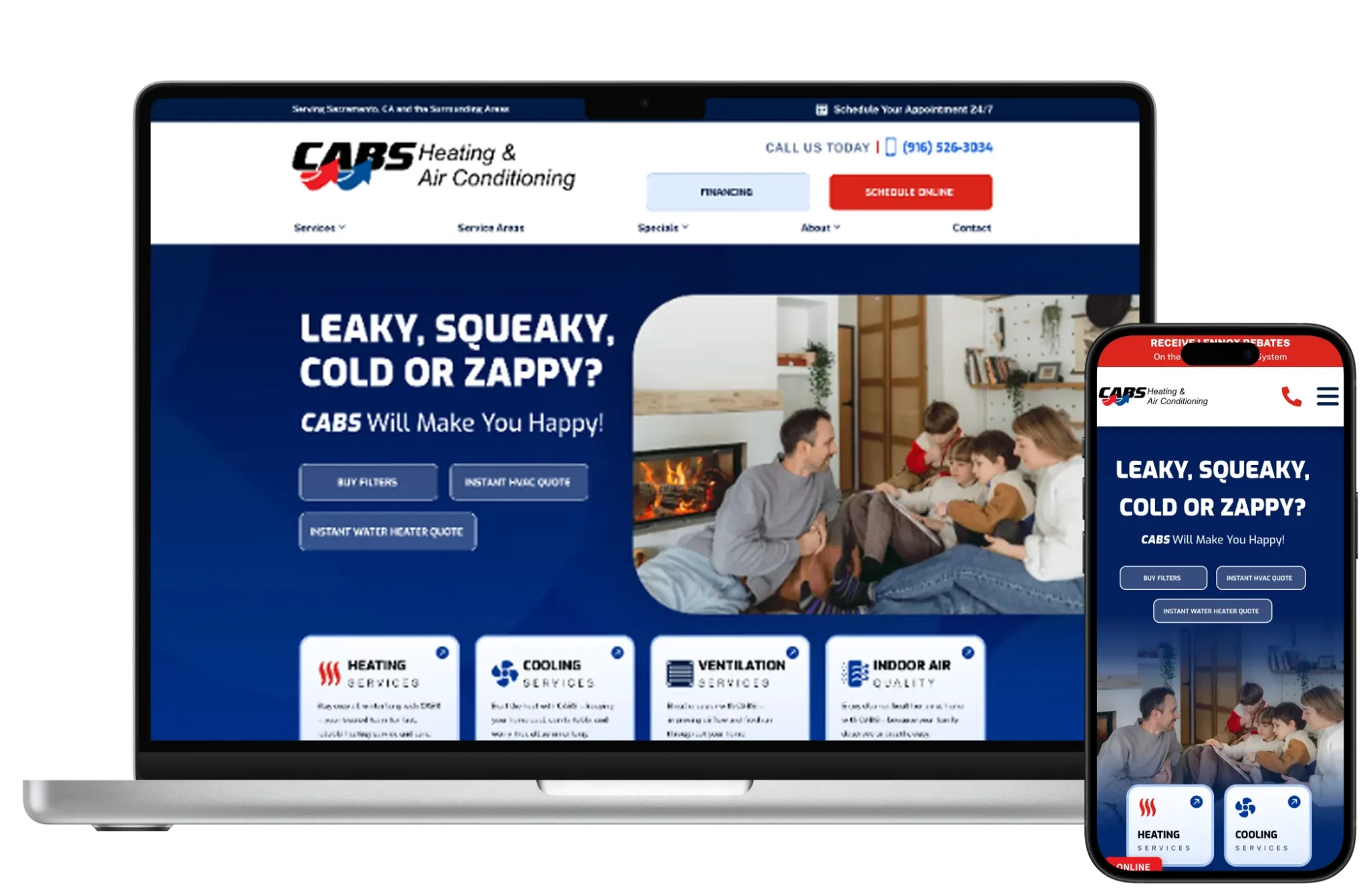
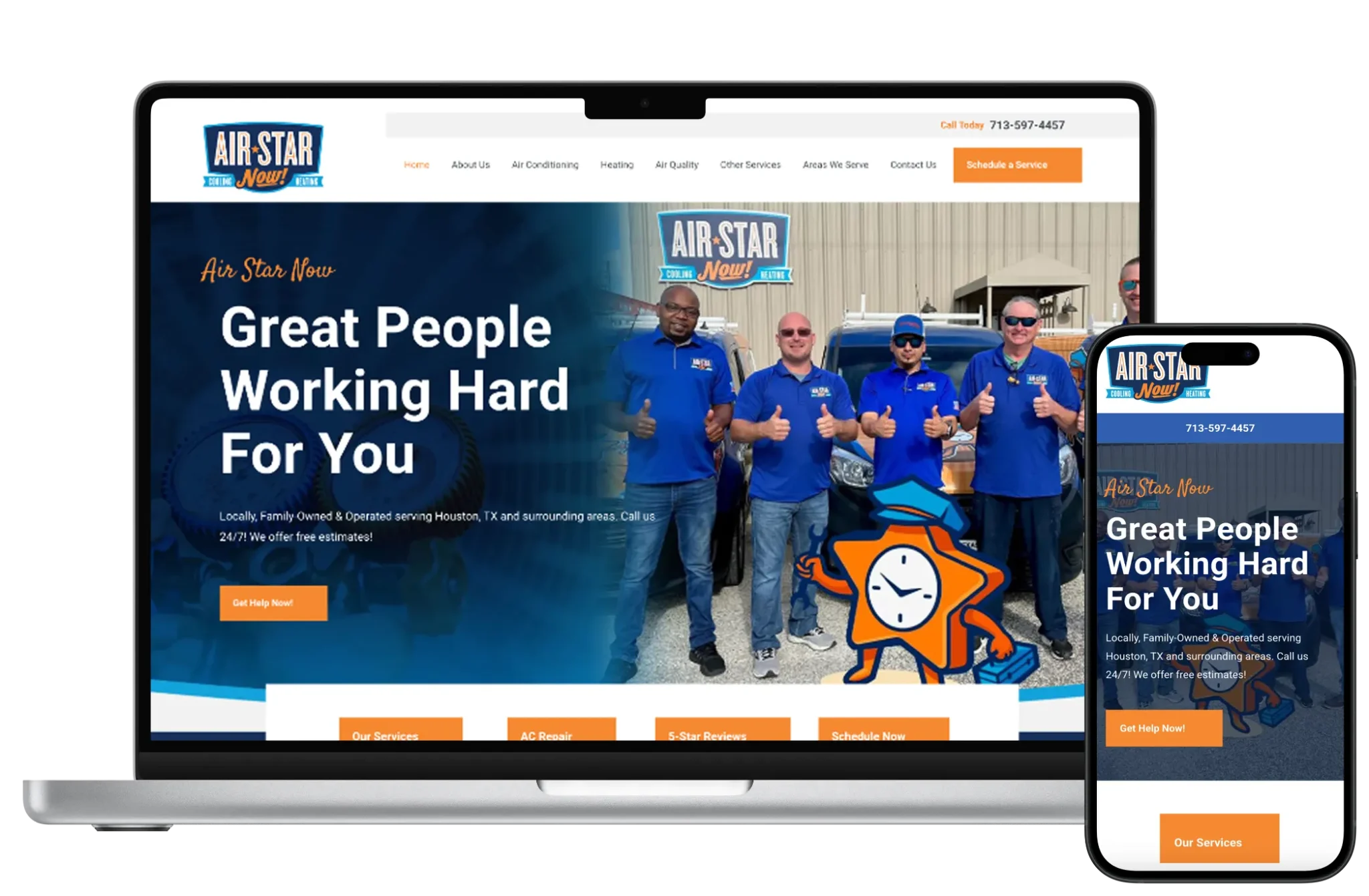
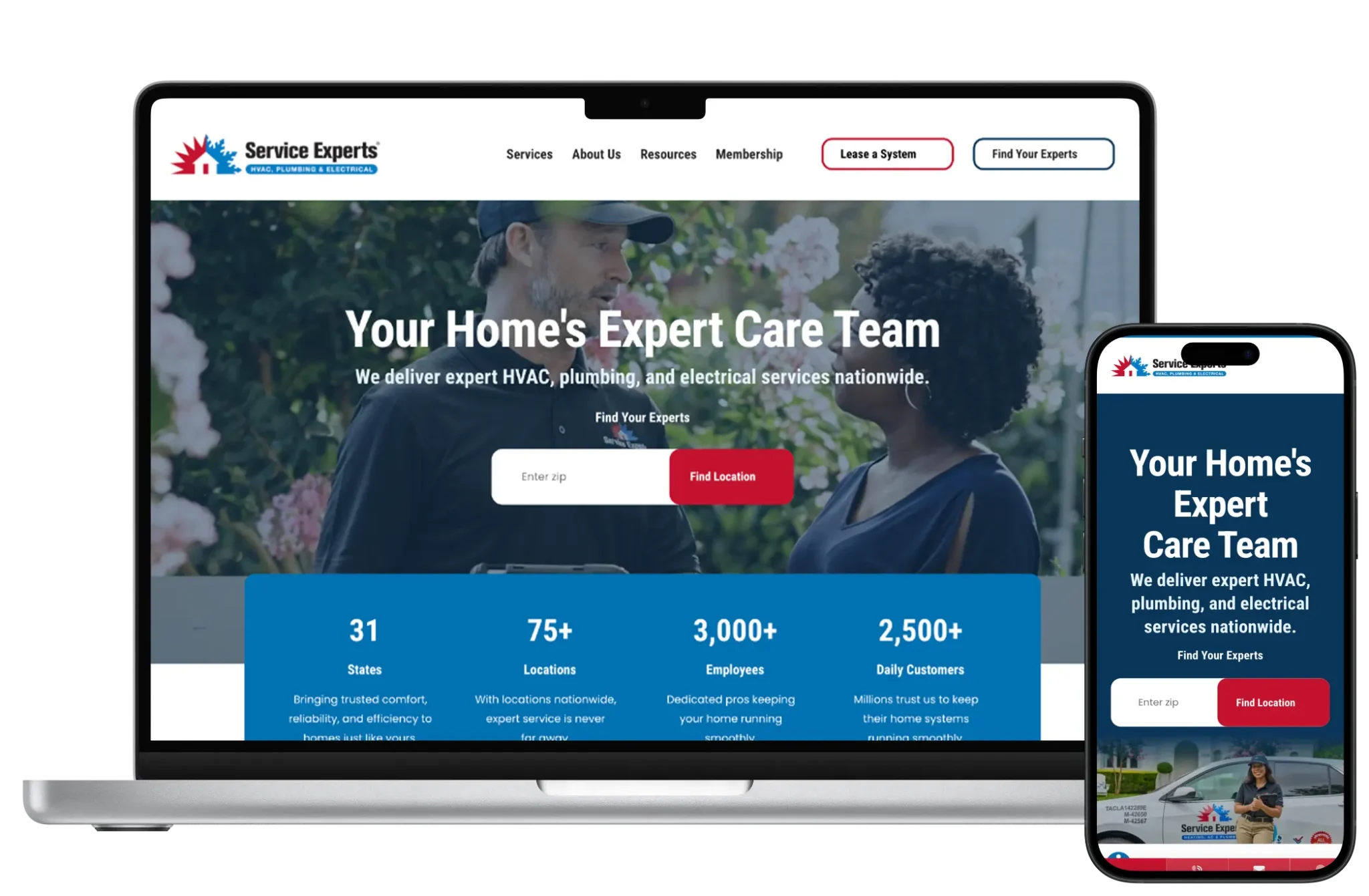
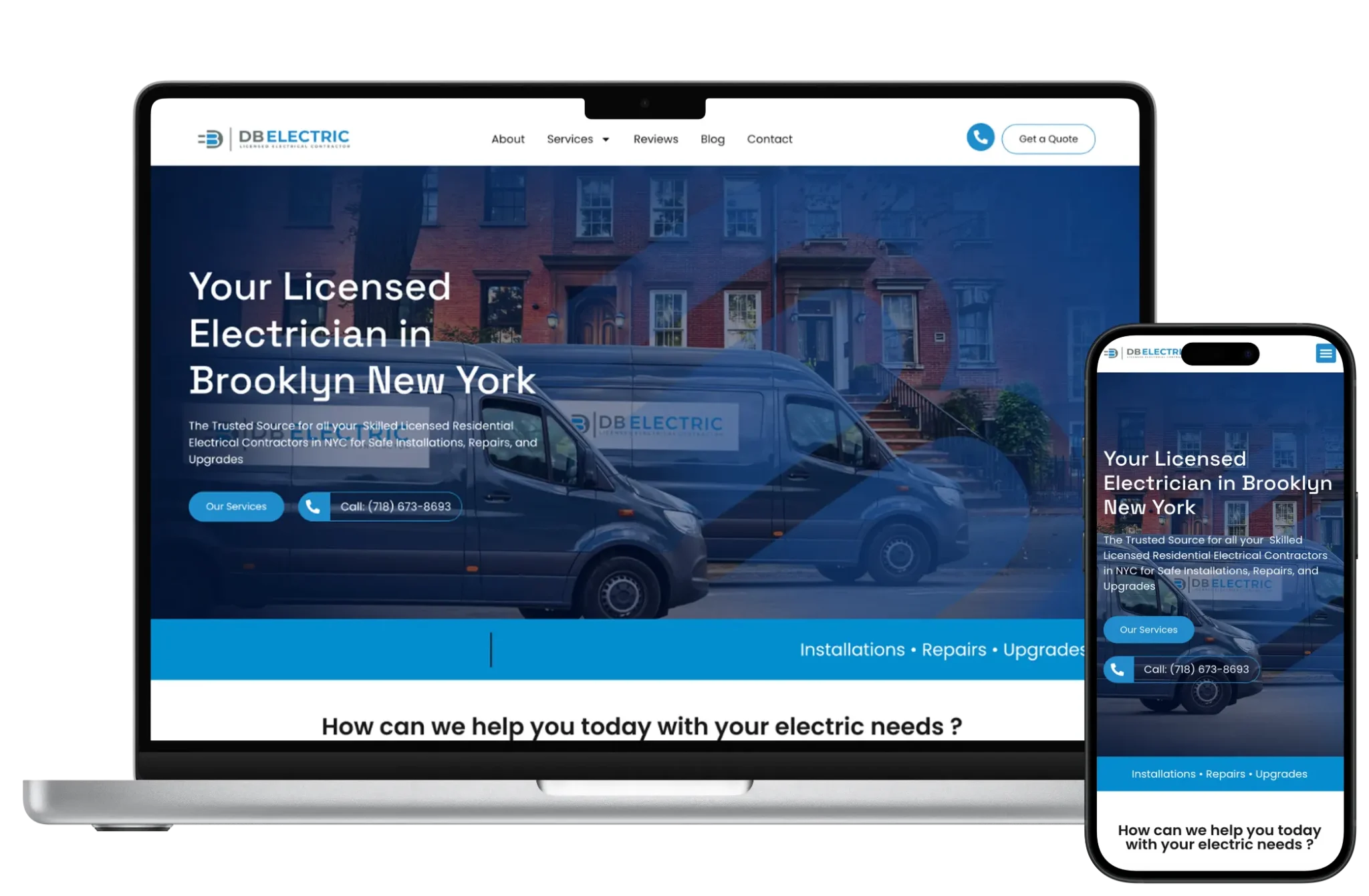
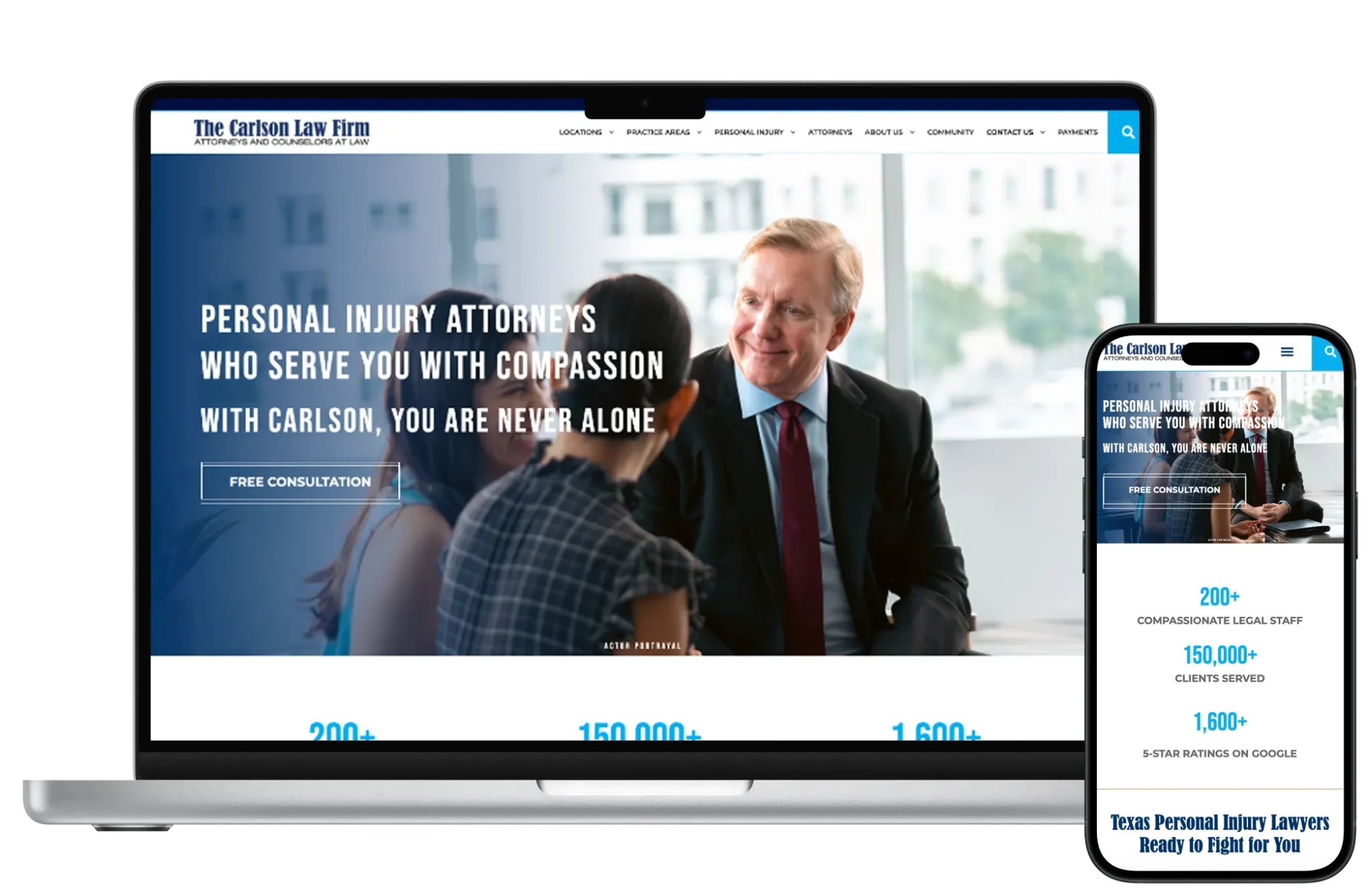



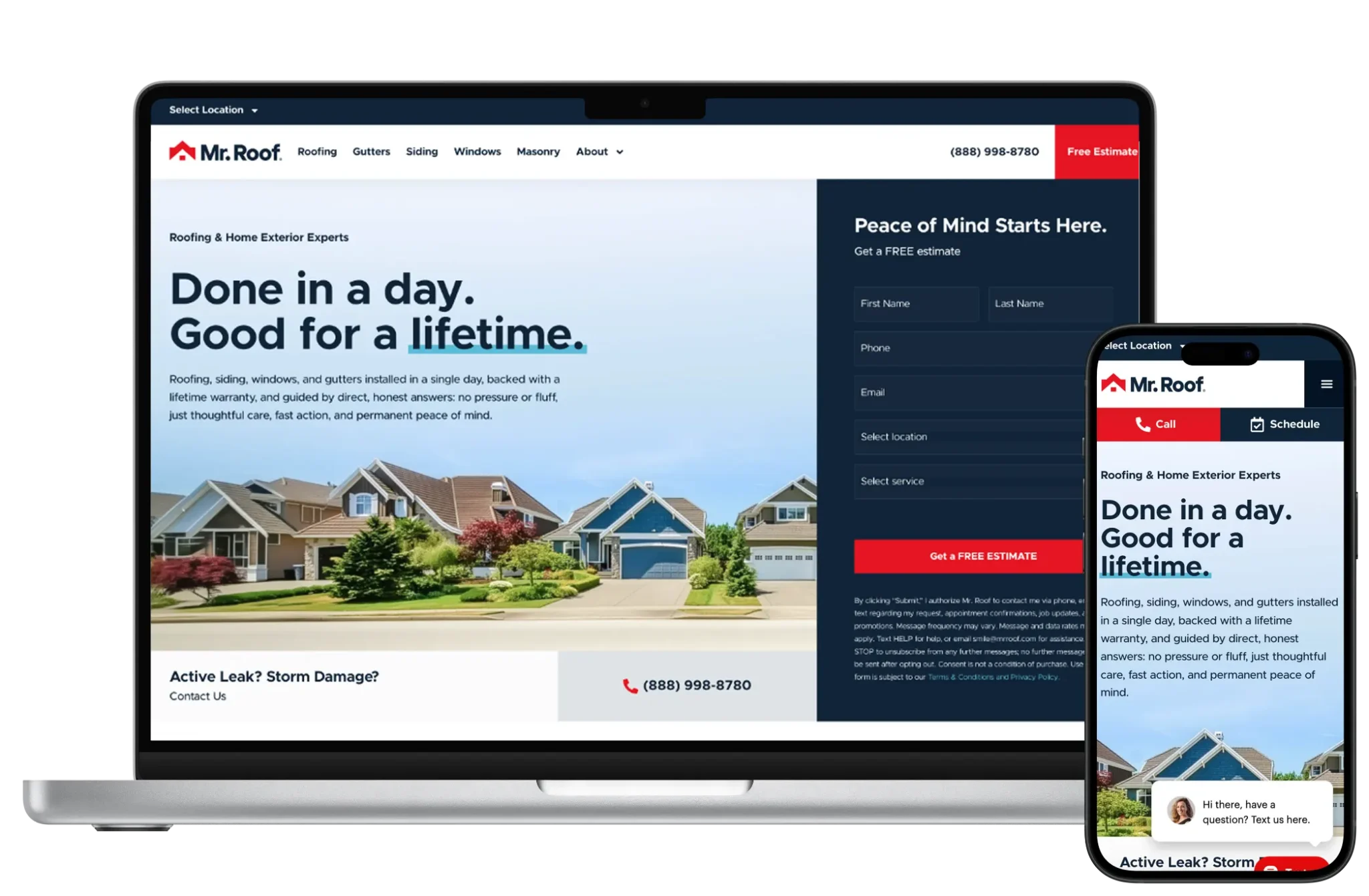
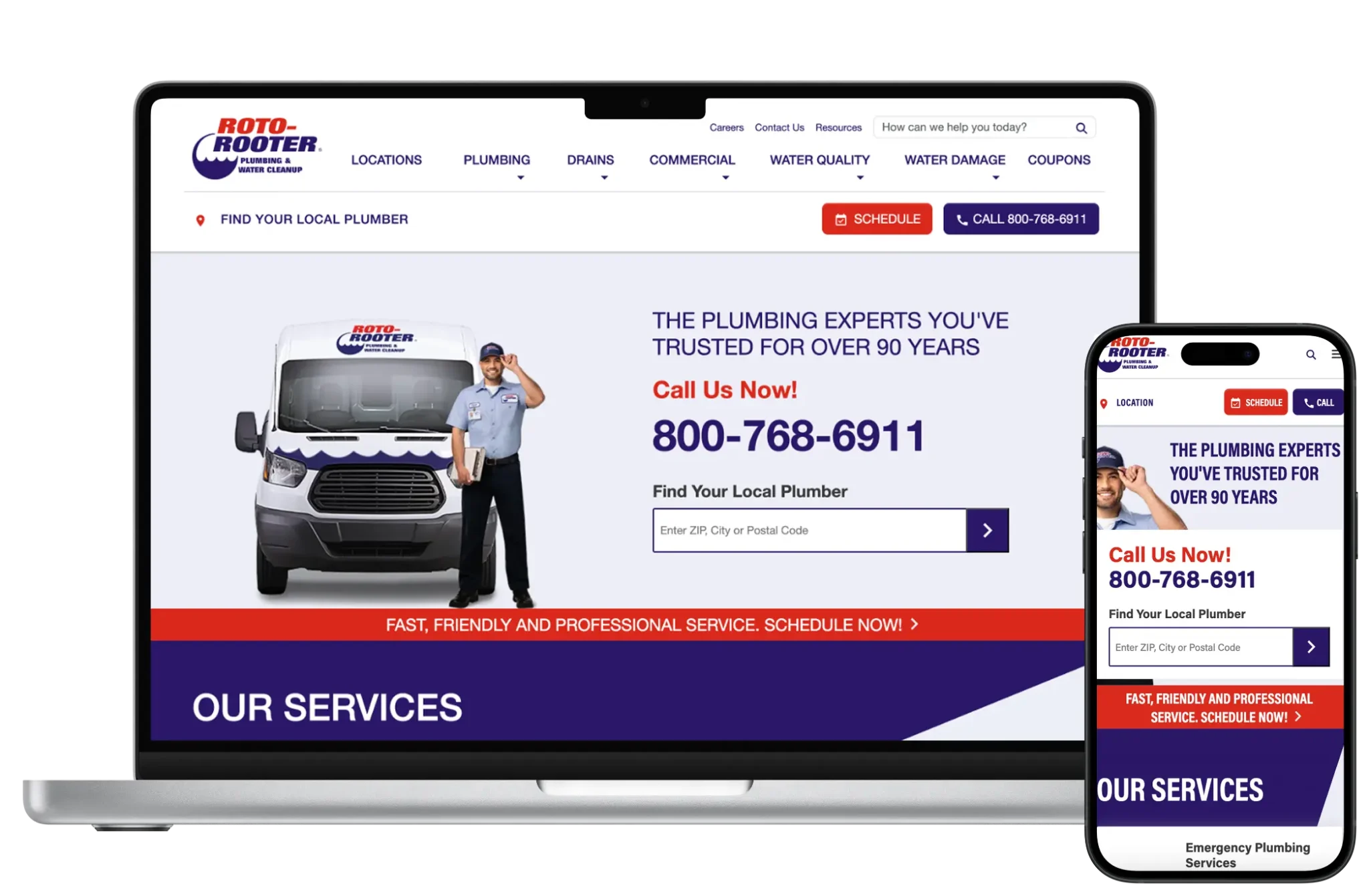
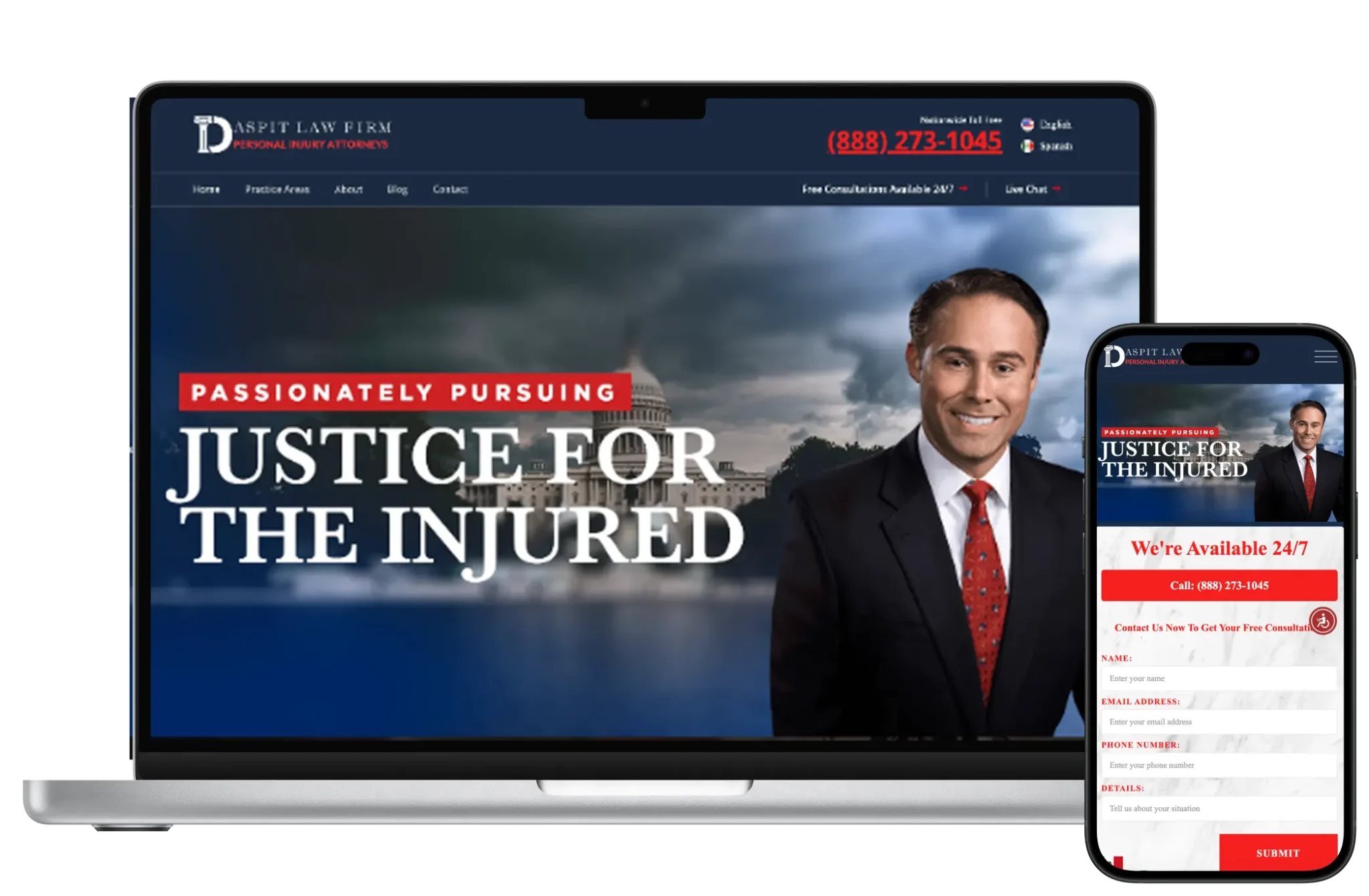


Structured pages for post-op, sports, and specialty programs with stage-based explanations. Built to stay editable under monthly subscription care as offers and staffing change.
Fast-loading provider section with clear contacts and document links. Built to stay editable under monthly subscription care as offers and staffing change.
Clinical interests, certifications, and populations without resume clutter. Built to stay editable under monthly subscription care as offers and staffing change.
Readable type, strong contrast, and practical location accessibility info. Built to stay editable under monthly subscription care as offers and staffing change.
Patterns that work with common rehab scheduling tools. Built to stay editable under monthly subscription care as offers and staffing change.
Keeps programs and content aligned with clinical reality over time. Built to stay editable under monthly subscription care as offers and staffing change.
Primary conversion is booking an assessment. Forms should capture injury timeline, surgical dates if any, and whether a referral exists. Secondary conversion is a referral submission from another clinic. Referral submission success states should confirm what happens next for the referring clinic. Clinics that synchronize pathway pages with who is actually accepting new patients reduce mismatched bookings and frustrated referral partners.
We avoid promising specific recovery timelines online. Language focuses on assessment-driven plans and how progress is reviewed. Assessment forms that capture surgical dates improve first-visit preparedness.
When therapists change specialty focus, pathway pages and bios should change with them. Stale specialty claims create clinical mismatches. A monthly care model treats those updates as normal clinic operations rather than a new website project every time staffing shifts.

On-page SEO targets pathway and condition entities you can support uniquely—post ACL physiotherapy, vestibular rehab, workplace RSI assessment—paired with internal links to therapists. Pathway pages with stage-based explanations outperform encyclopedic diagnosis dumps.
Technical SEO ensures PDFs for referrals are accessible but not a substitute for HTML content that can rank and convert. PDFs for referrals complement—never replace—HTML pages that can rank and convert.
Content SEO works well as protocol explainers and FAQ expansions reviewed by clinicians. Subscription time prefers deepening cornerstone pathways. Clinician review cadences keep protocol-like content trustworthy over time.
We connect SEO work to technical SEO, on-page SEO, and — when local demand matters — local SEO. We do not promise specific rankings.

Local SEO remains important for direct-access searches. Align Google Business Profile categories with physiotherapy/physical therapy realities in your country naming conventions. Naming conventions (physiotherapy vs physical therapy) should match how local patients search.
Multi-site clinics need accurate per-location pages and profiles; duplicated suburb pages without clinics do not help.
We keep local signals aligned with operational reality so maps visibility work does not conflict with how dispatch or scheduling actually runs.
We only recommend location pages when you genuinely serve the area and can add unique value — not doorway-page city spam. See Google Business Profile optimization.

Yearly plans that include design, development, maintenance and SEO foundations — without a large upfront project fee.
For small businesses that need a professional site without a large upfront build.
Best for local and service businesses ready to generate more leads every month.
For growing brands that need ongoing development, SEO and conversion work.
Large sites, complex integrations, multi-location brands and custom applications.
Most lead-focused Physiotherapists engagements fit Growth ($299/year) when local/organic acquisition matters. Simpler brochure sites may fit Starter ($199/year). Multi-location, custom integrations, or heavier development fit Pro ($399/year) or Enterprise.
Setup fees may apply for redesigns, migrations, or large content builds — always disclosed before kickoff. See transparent subscription pricing and how website subscriptions work.
Full notes for challenges, strategy and supporting pages — so the sections above stay scannable.
We design patient journeys by pathway: sports rehab, post-surgical, vestibular, pelvic health, pediatric, or workplace injury—only for programs you staff. Each pathway page explains assessment, typical stages, home exercise expectations, and booking. Referral audiences get a compact hub with fax/email instructions and specialty lists. Stable specialty URLs help referring provider offices bookmark the right pathway.
Conversion strategy balances education with action. Long clinical pages still end in booking CTAs. Monthly SEO expands the pathways that match clinic capacity rather than chasing every possible diagnosis keyword. Telehealth suitability notes prevent mismatched virtual bookings for hands-on needs.
Physiotherapy clinics that invest in pathway clarity often see better-prepared patients arrive already understanding assessment goals and home-exercise expectations. That preparation is a clinical quality issue as much as a marketing issue. Website strategy should therefore be co-owned with clinical leads, not treated as a pure lead-gen brochure layered on top of care.
Typical tools and workflows we plan around for Physiotherapists:
Platform choice often lands on WordPress for service businesses, or Shopify / WooCommerce when commerce is central.
Referrals still validate online, and direct-access patients are often invisible without a clear site. A referral hub also reduces friction for orthopedic partners. We document decisions during discovery so the site reflects how your team actually works day to day.
We use templates and staged reviews so clinicians approve accuracy without writing from scratch every time. We document decisions during discovery so the site reflects how your team actually works day to day.
High-level stage explanations and FAQs usually suffice. Detailed clinical protocols can remain internal. We document decisions during discovery so the site reflects how your team actually works day to day.
Straight answers about scope, pricing, ownership and what a subscription includes for this page.
Physiotherapy sites often emphasize care pathways, post-surgical stages, exercise-based progression, and referral workflows. Messaging and page types should reflect rehab plans rather than adjustment-centric journeys. Practical details are finalized during onboarding so the live site matches how your team works.
Match the term patients search in your country and keep branding consistent. We can support primary terminology with secondary clarifiers where helpful. Practical details are finalized during onboarding so the live site matches how your team works.
Specialties, conditions commonly accepted, insurance notes, turnaround expectations, and the fastest referral channel. Keep it scannable for busy clinic staff. Practical details are finalized during onboarding so the live site matches how your team works.
Prefer patient-recognizable condition groups with unique guidance. Exhaustive medical lists rarely convert and are hard to maintain. Practical details are finalized during onboarding so the live site matches how your team works.
Explain suitability, tech requirements, and booking separately from in-clinic care so expectations stay accurate. Practical details are finalized during onboarding so the live site matches how your team works.
They can help users and engagement when clinic-approved and well described. They are not a substitute for solid HTML service pages. Practical details are finalized during onboarding so the live site matches how your team works.
Describe typical steps and what patients should ask their insurer, without guaranteeing coverage approvals. Practical details are finalized during onboarding so the live site matches how your team works.
Therapist updates, program changes, booking QA, performance/security care, and agreed SEO tasks on priority pathways. Practical details are finalized during onboarding so the live site matches how your team works.
No. We do not fabricate stats. If you have audited internal outcomes you want to share, we can present them carefully with context. Practical details are finalized during onboarding so the live site matches how your team works.
Only with careful context. Overprecise averages create disappointment; assessment-dependent ranges are safer if you publish any. Practical details are finalized during onboarding so the live site matches how your team works.
Design, development, maintenance, and SEO structured for patients and referring providers alike.