
Challenges Retail Brands face online
Store locators are inaccurate versus Google hours.Ecommerce and store pages feel like separate brands.Seasonal campaigns require new microsites every…
Read more →Retail & omnichannel brands
Retail websites must bridge digital browsing and real-world stores: find a location, check hours, shop online, or learn about campaigns. 66sites builds subscription retail sites that connect…

Retail websites must bridge digital browsing and real-world stores: find a location, check hours, shop online, or learn about campaigns. 66sites builds subscription retail sites that connect storefront discovery with ecommerce or catalog journeys—and stay maintainable through seasonal peaks.
We design omnichannel paths, develop Shopify/WooCommerce or store-locator experiences as needed, and support SEO for both brand and category demand without inventing bestseller claims.
Honest measurement beats vanity badges. We improve foundations monthly rather than promising overnight rankings.
Practical website, conversion and SEO work tailored to how your buyers actually decide.
Store locators are inaccurate versus Google hours.Ecommerce and store pages feel like separate brands.Seasonal campaigns require new microsites every…
Read more →
Unify brand storytelling while giving ecommerce and store locator clear entry points.Use reusable campaign templates so seasonal launches do not…
Read more →
Shop / collections. Online revenue path when ecommerce exists.Store locator. Omnichannel discovery and local SEO.Store detail pages. Hours, services…
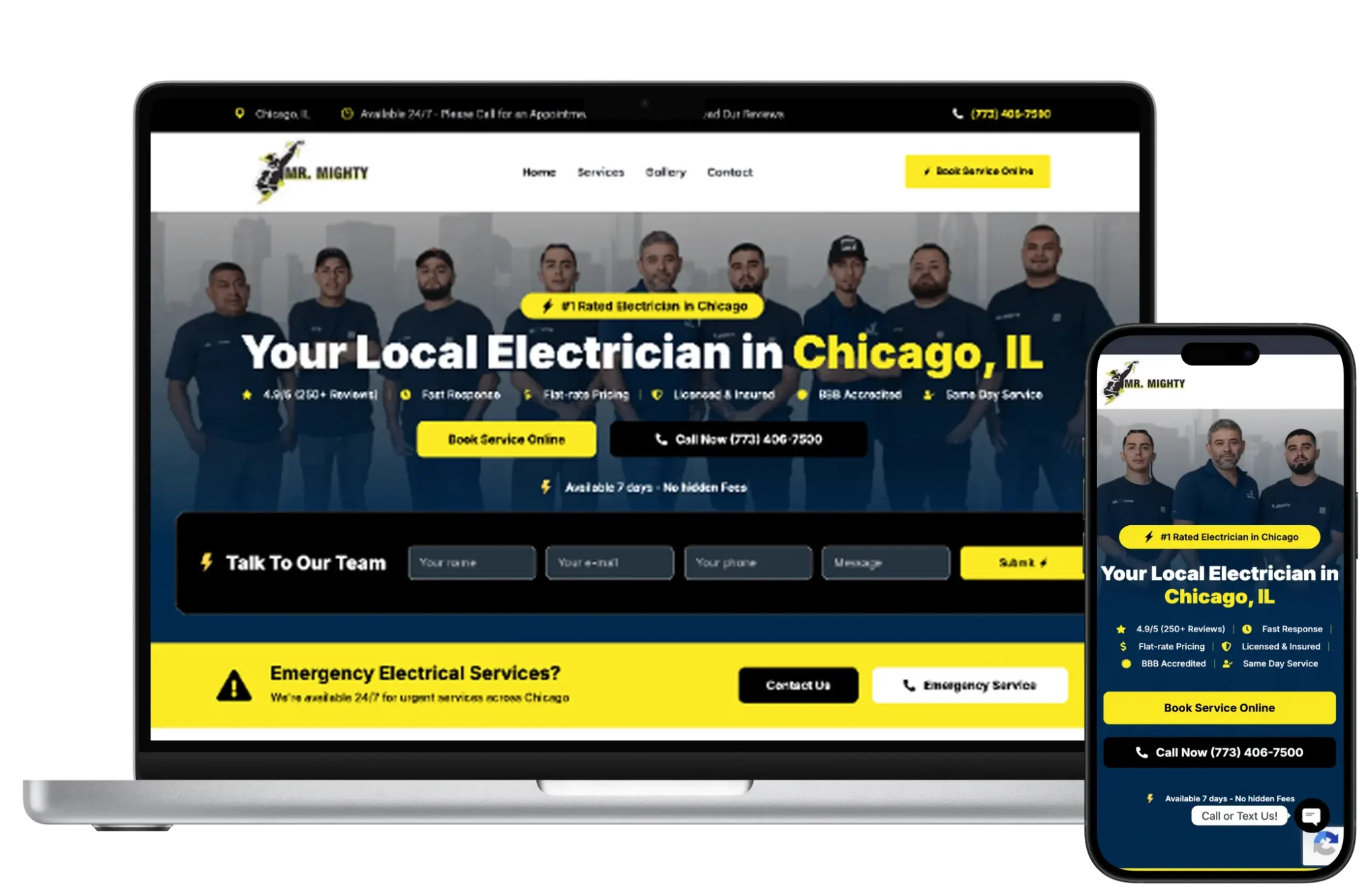
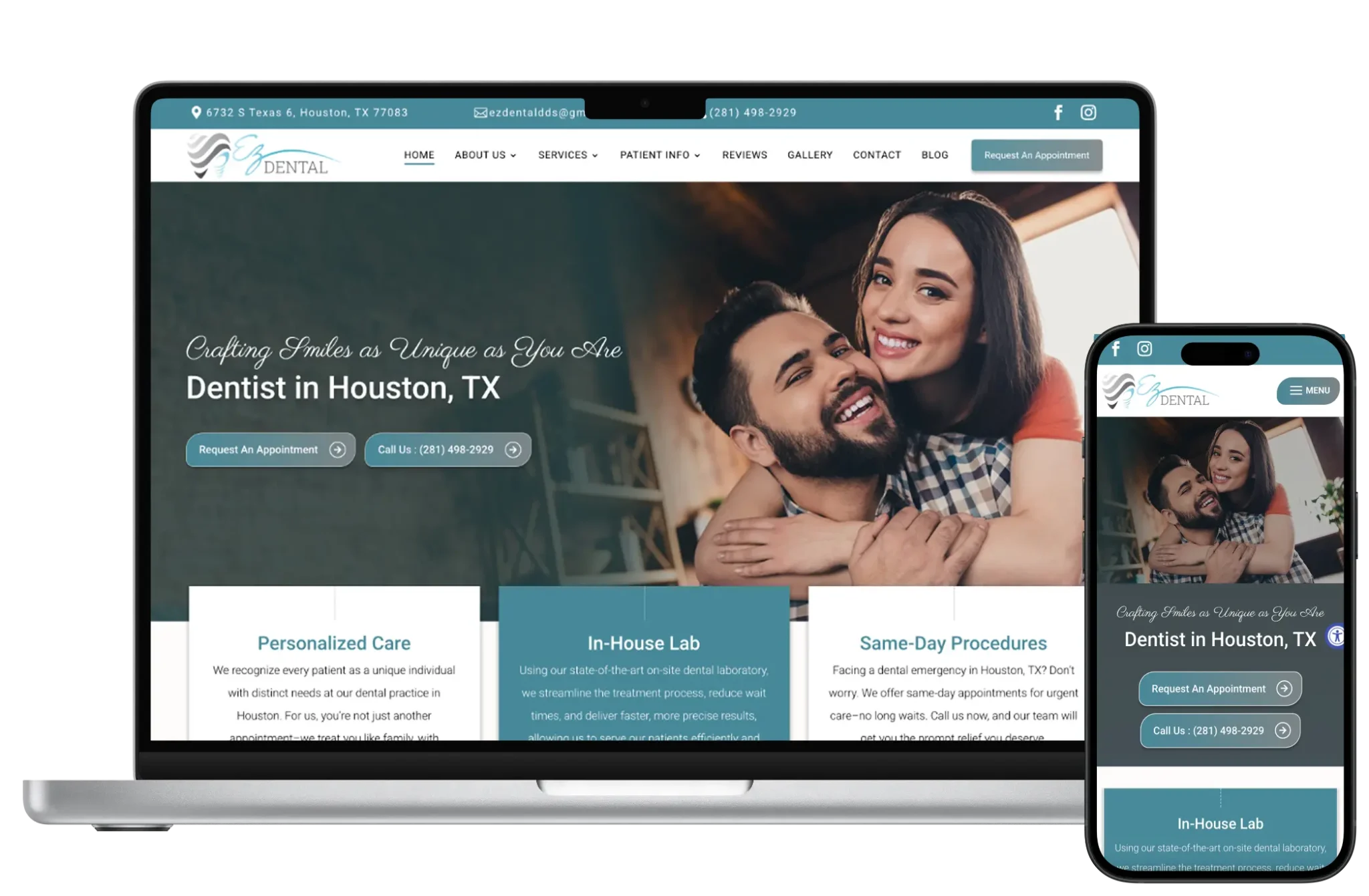
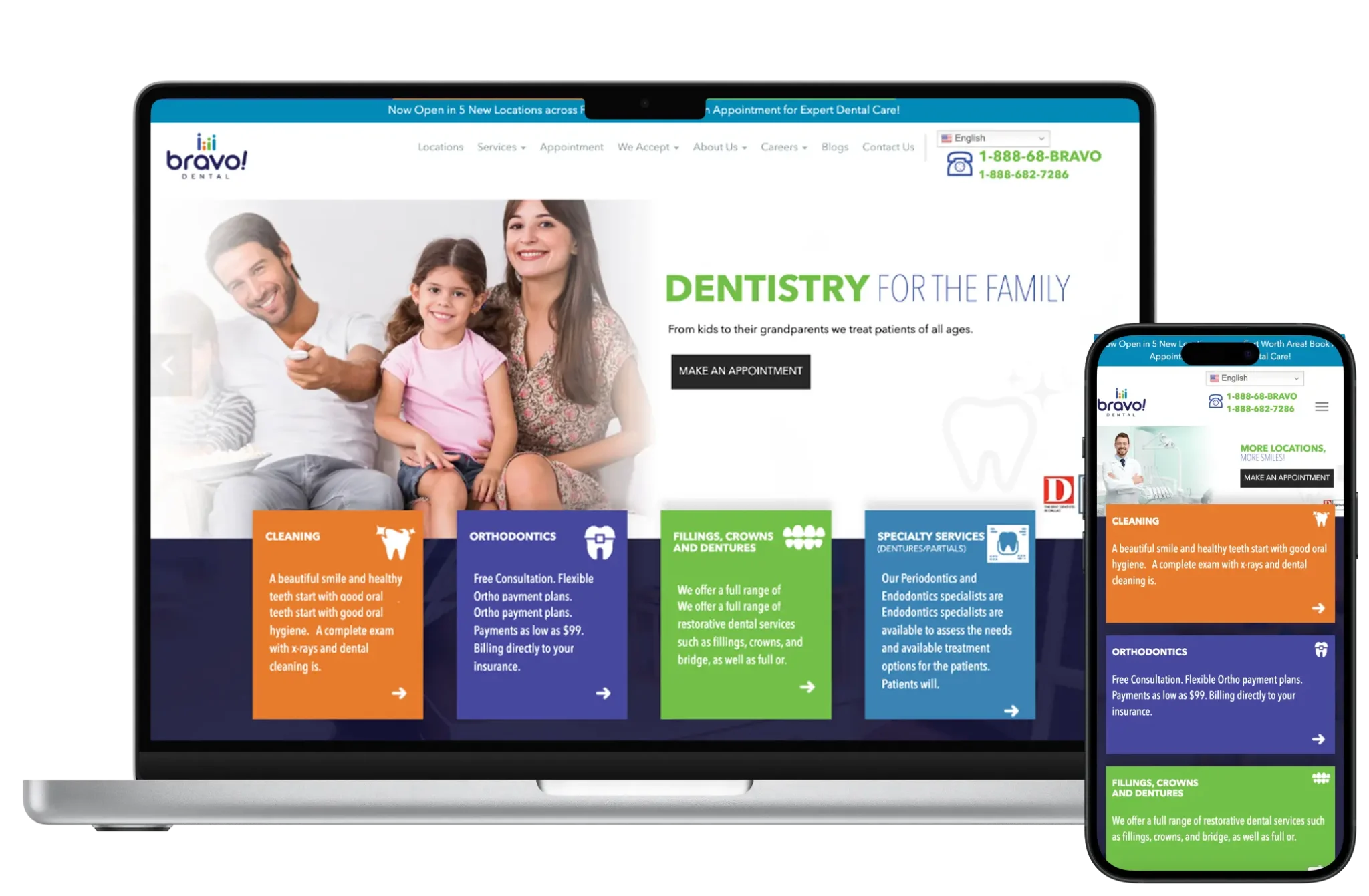
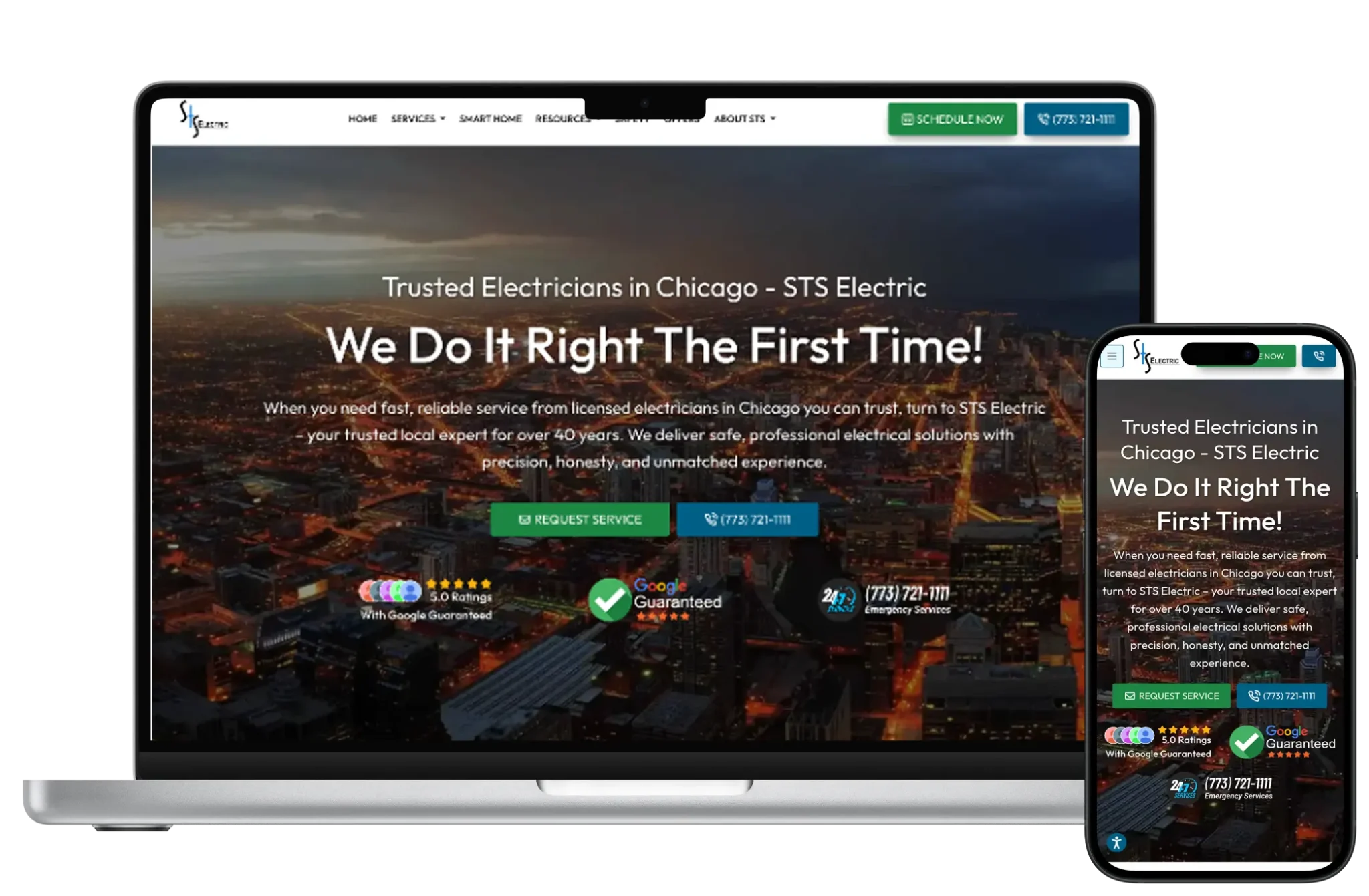
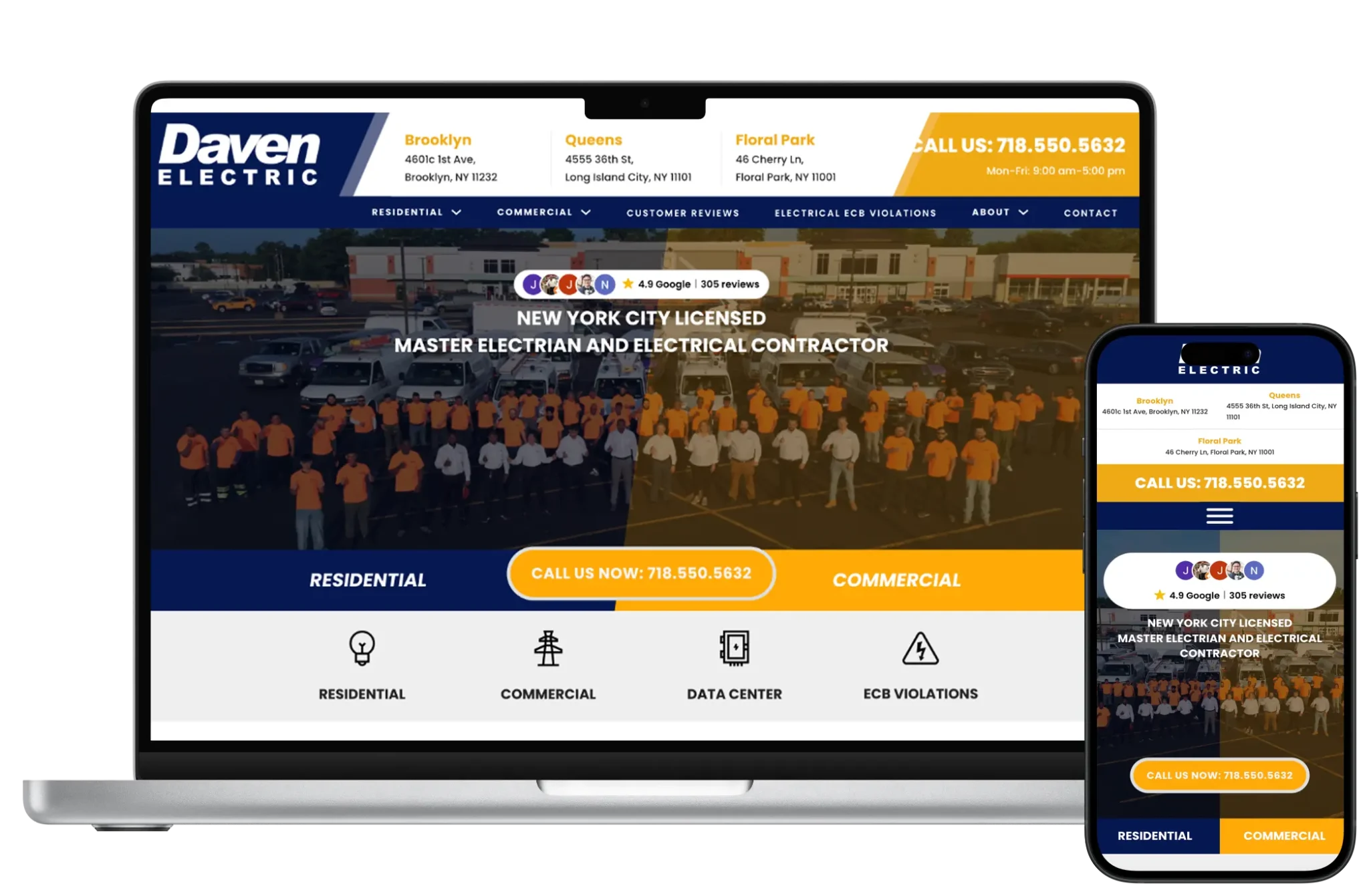
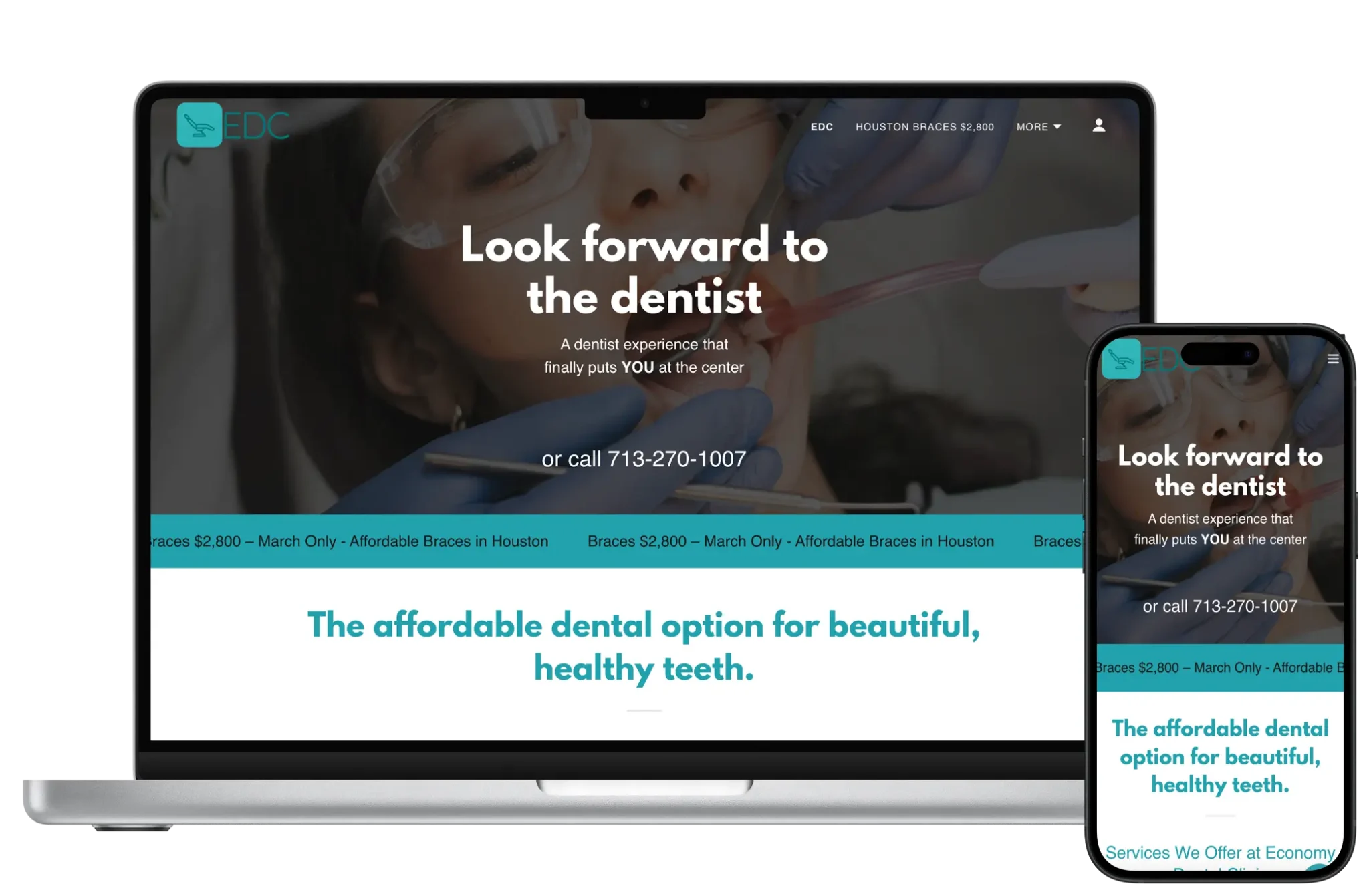
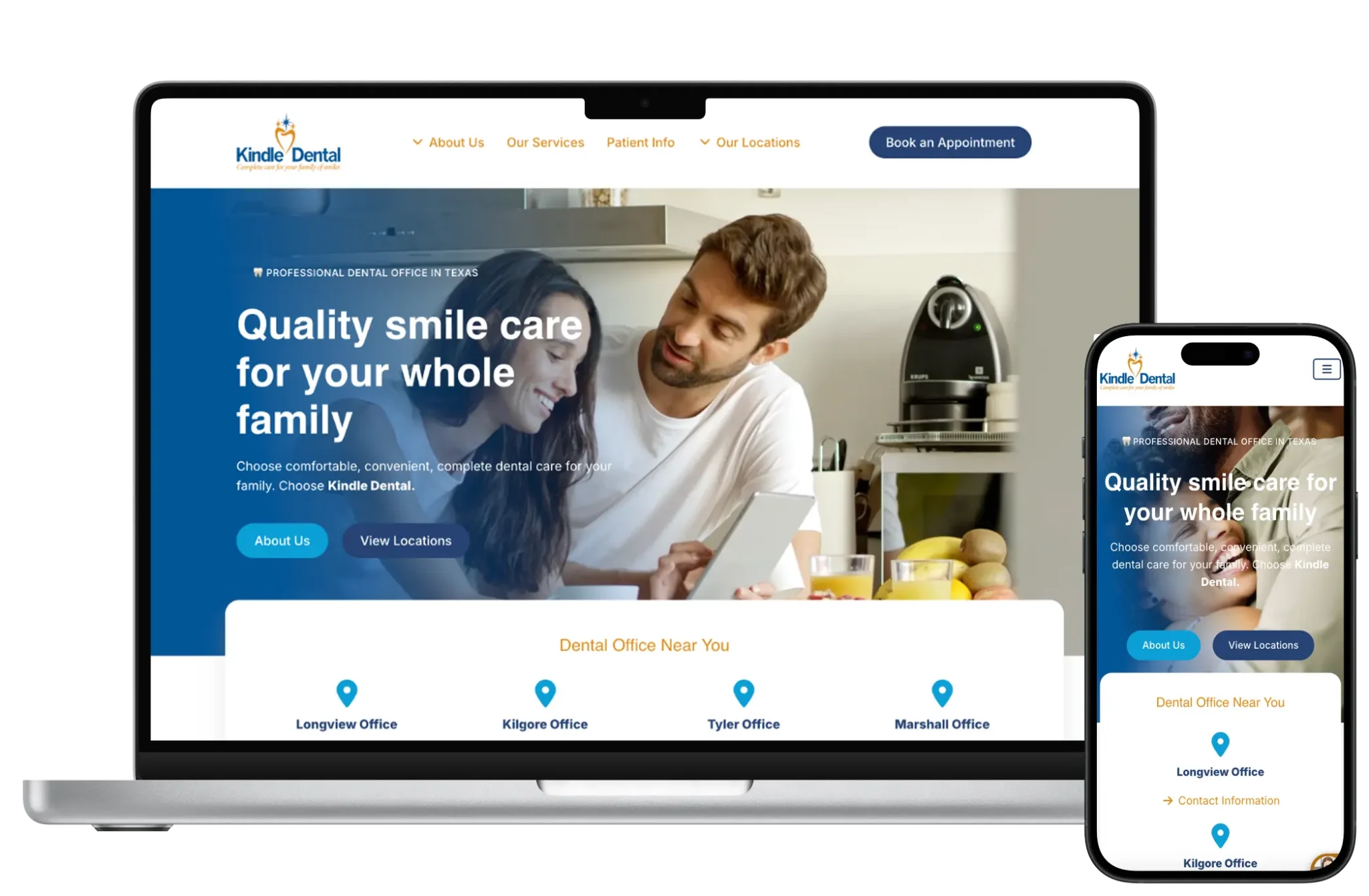
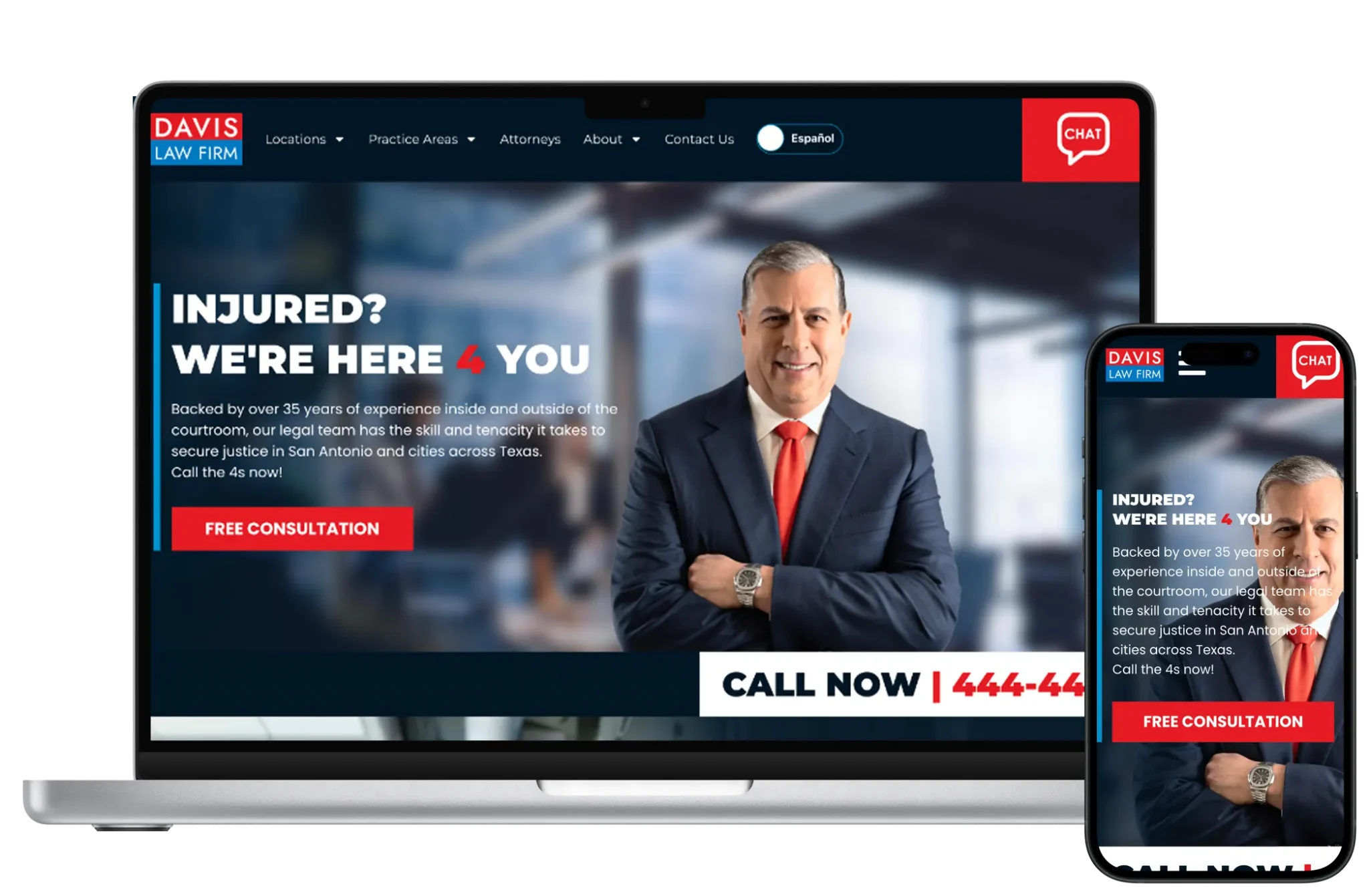
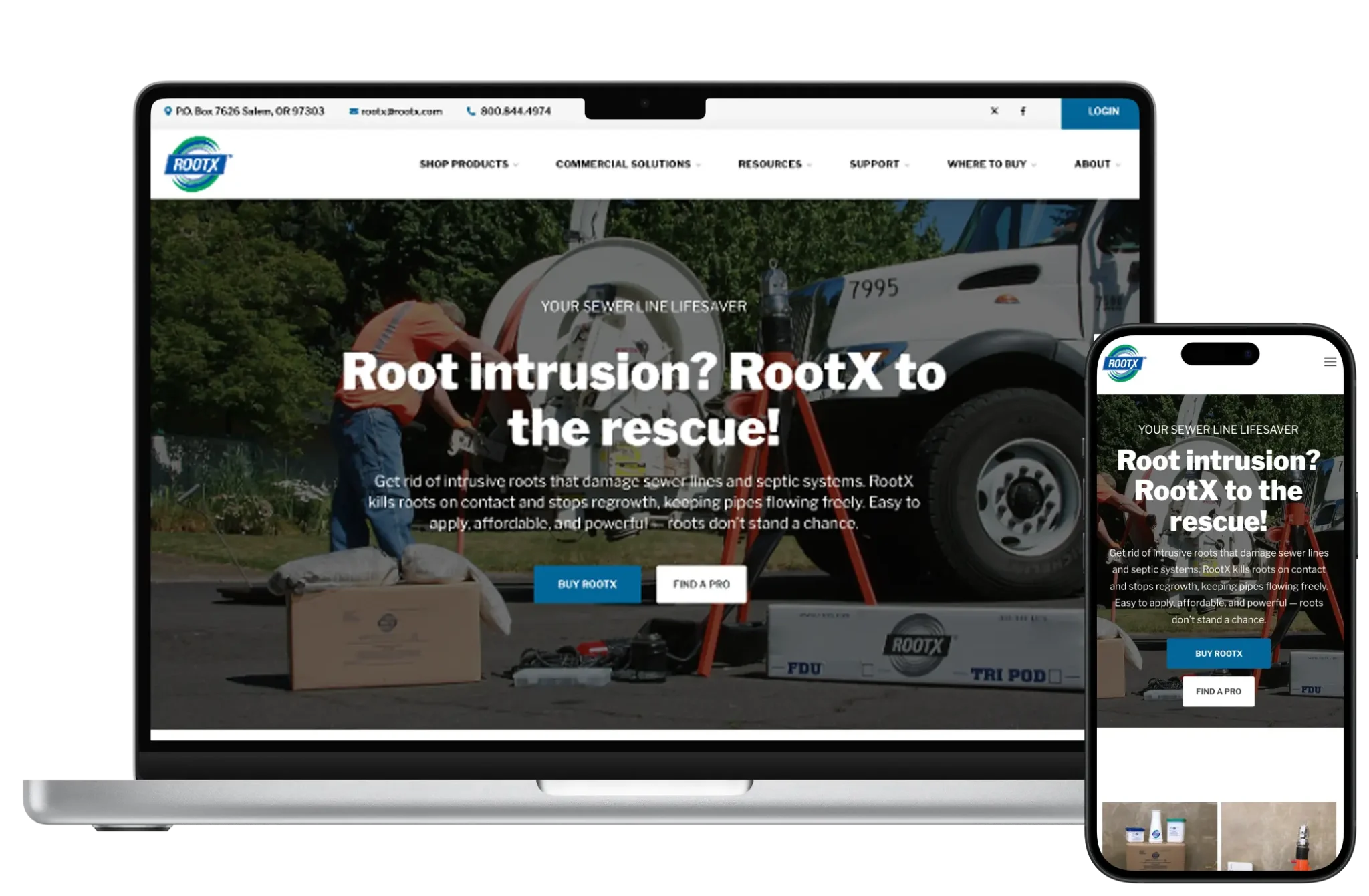
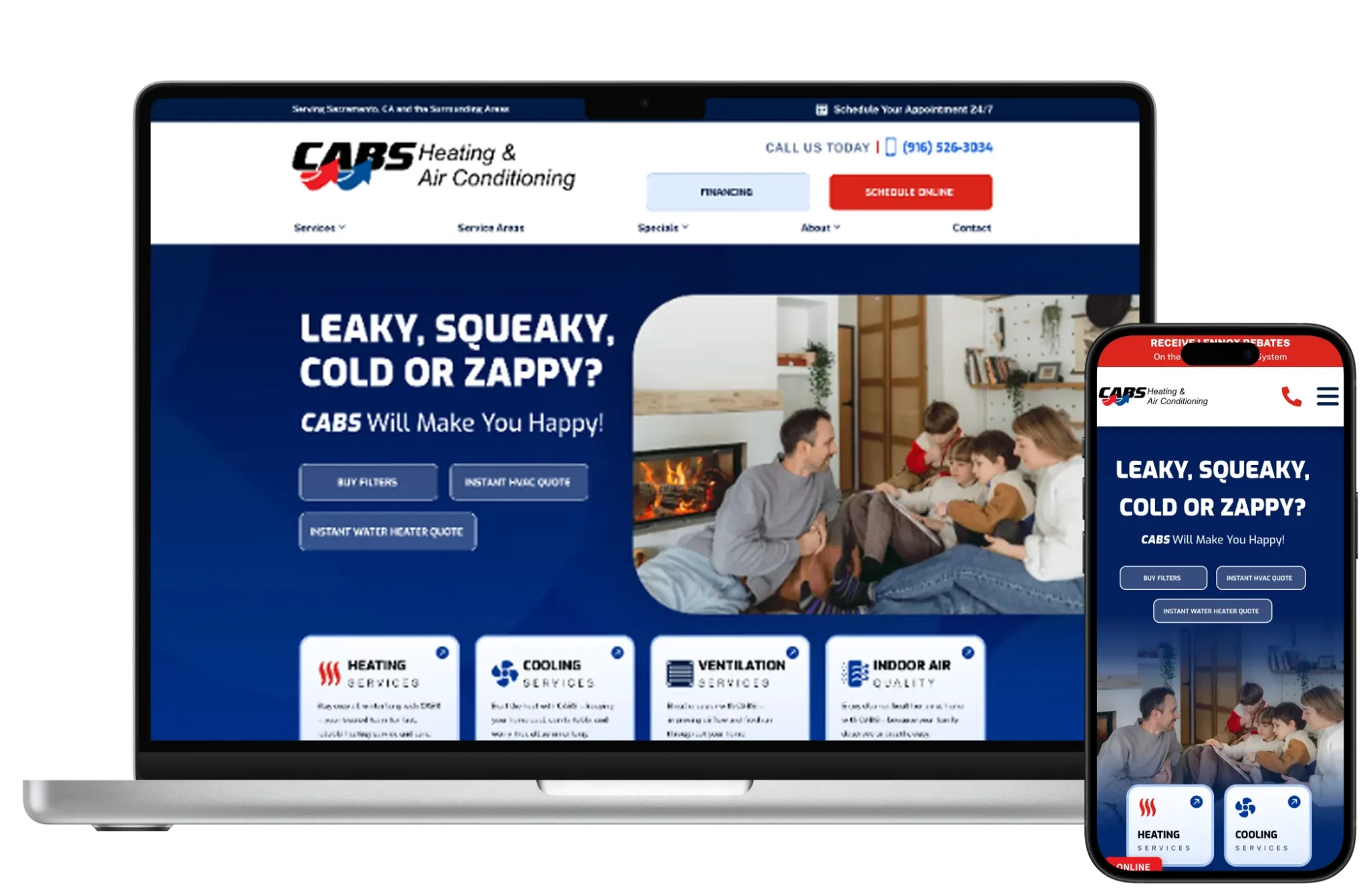
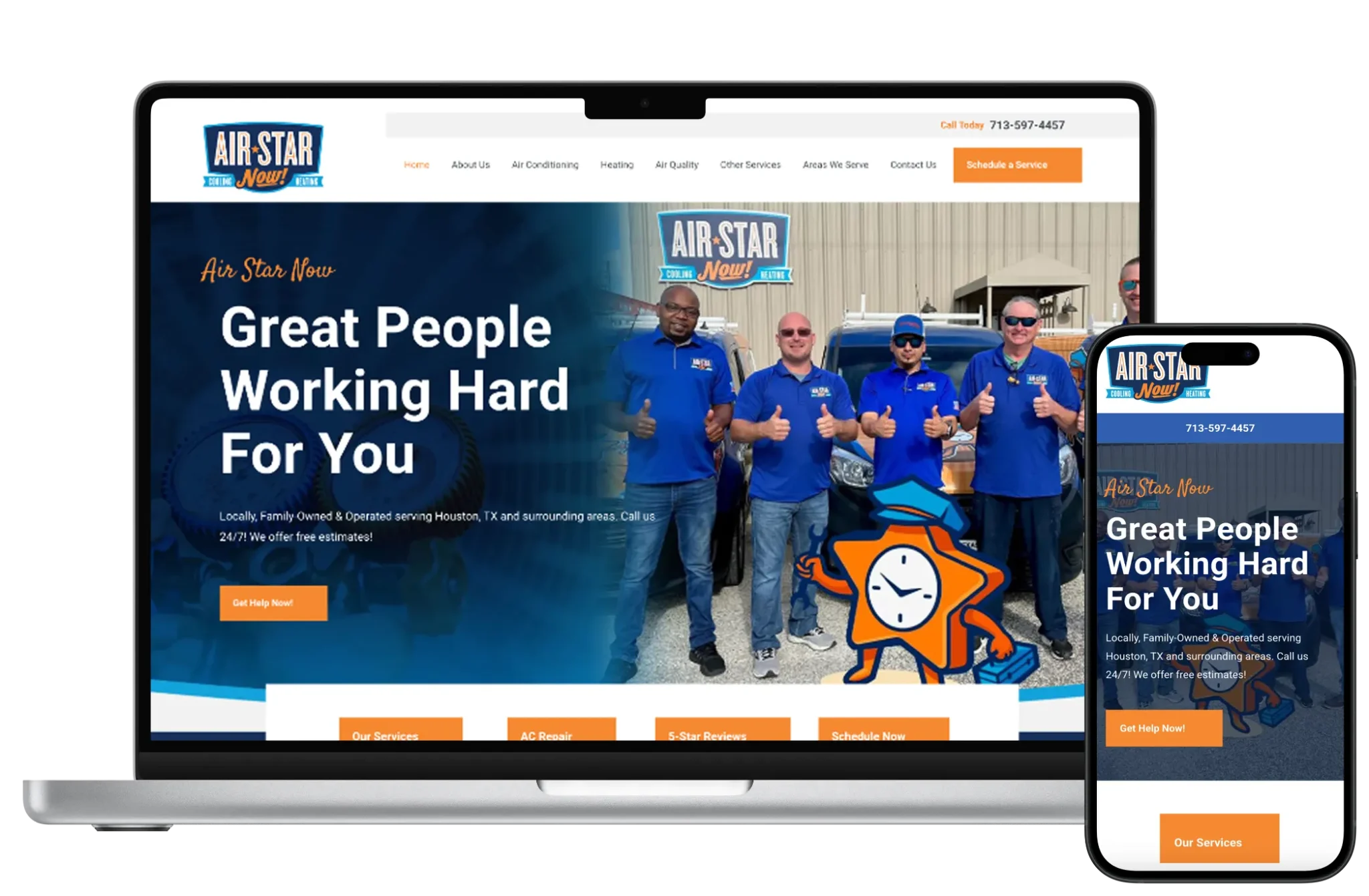
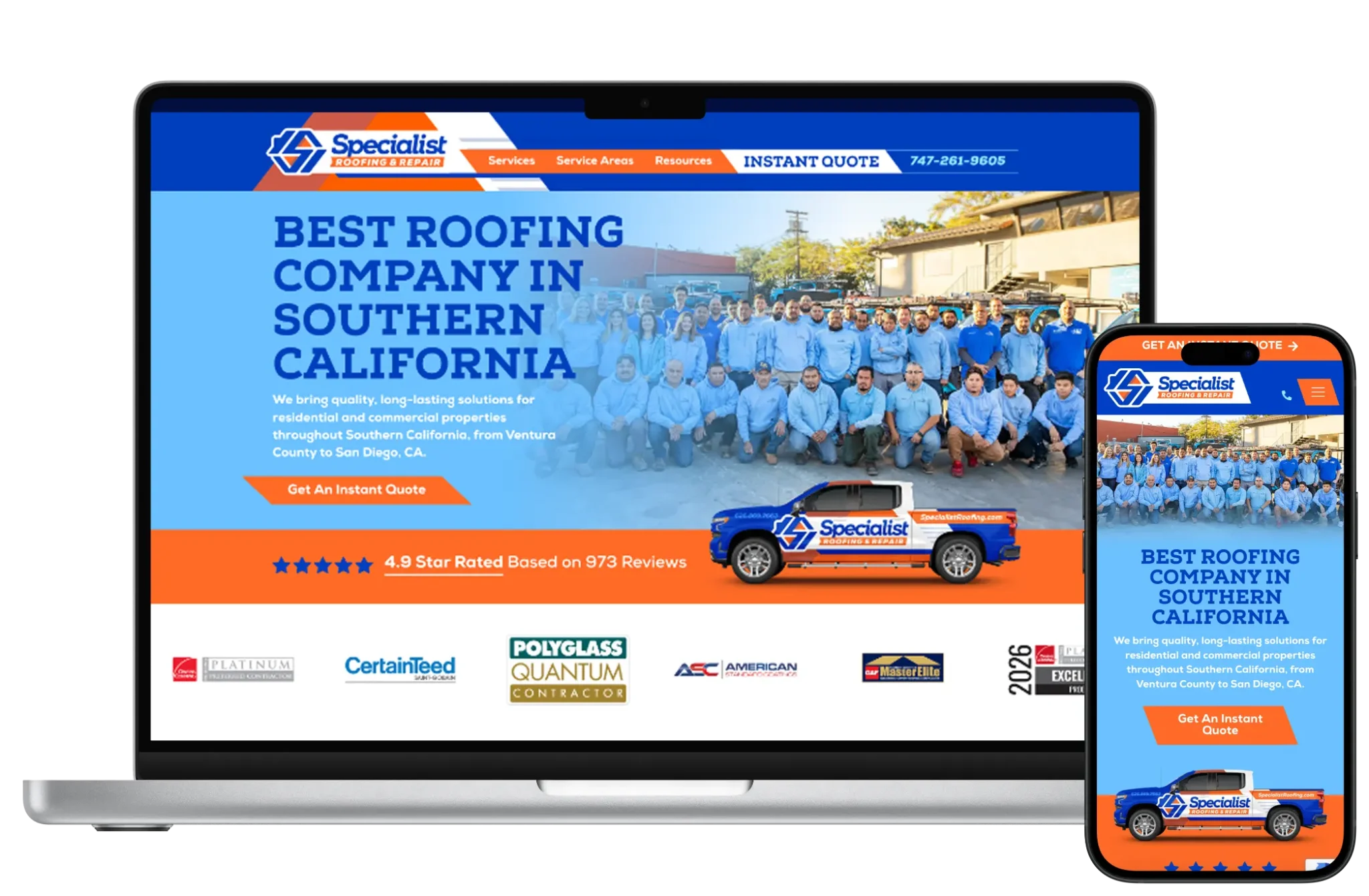
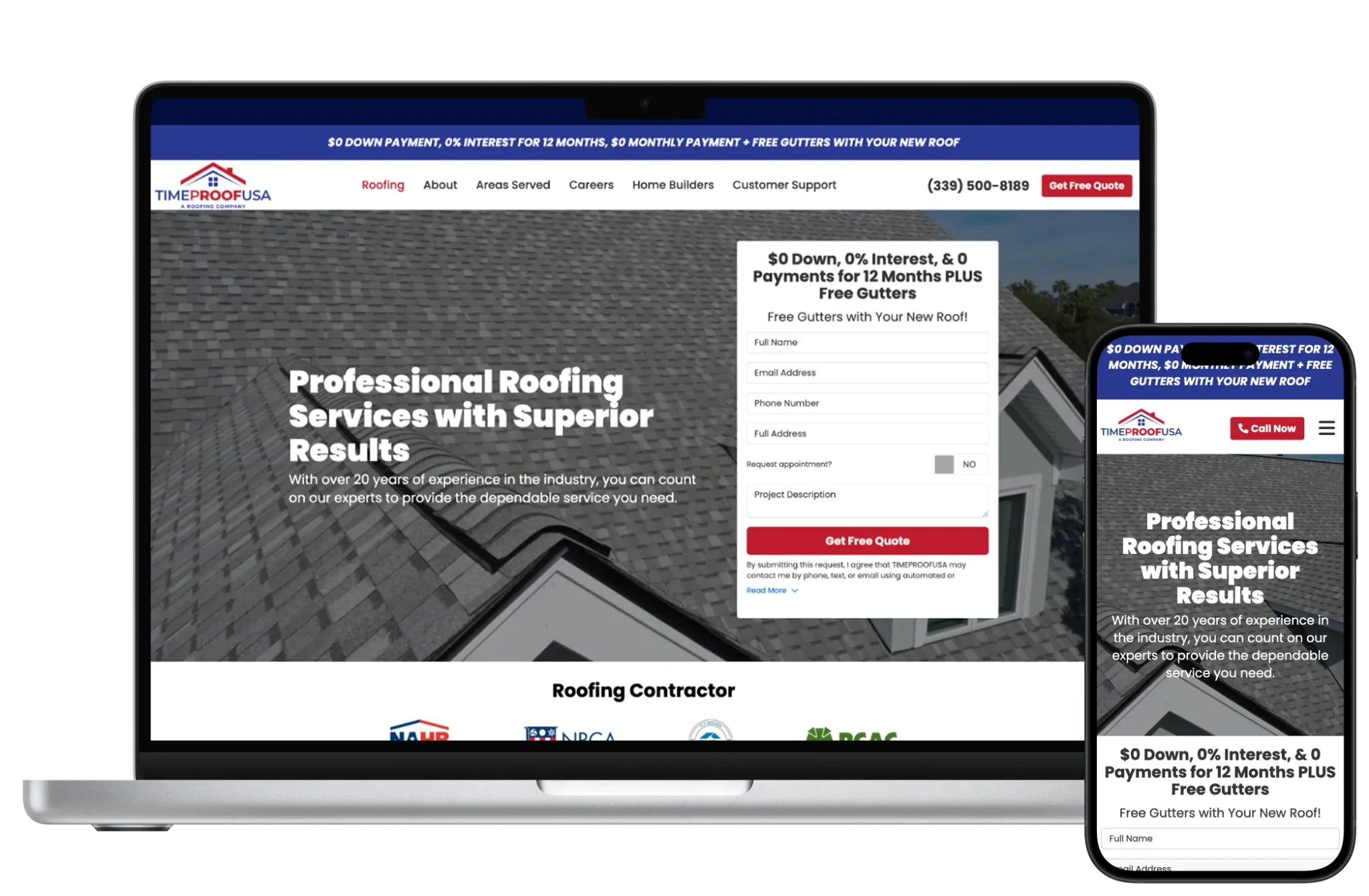
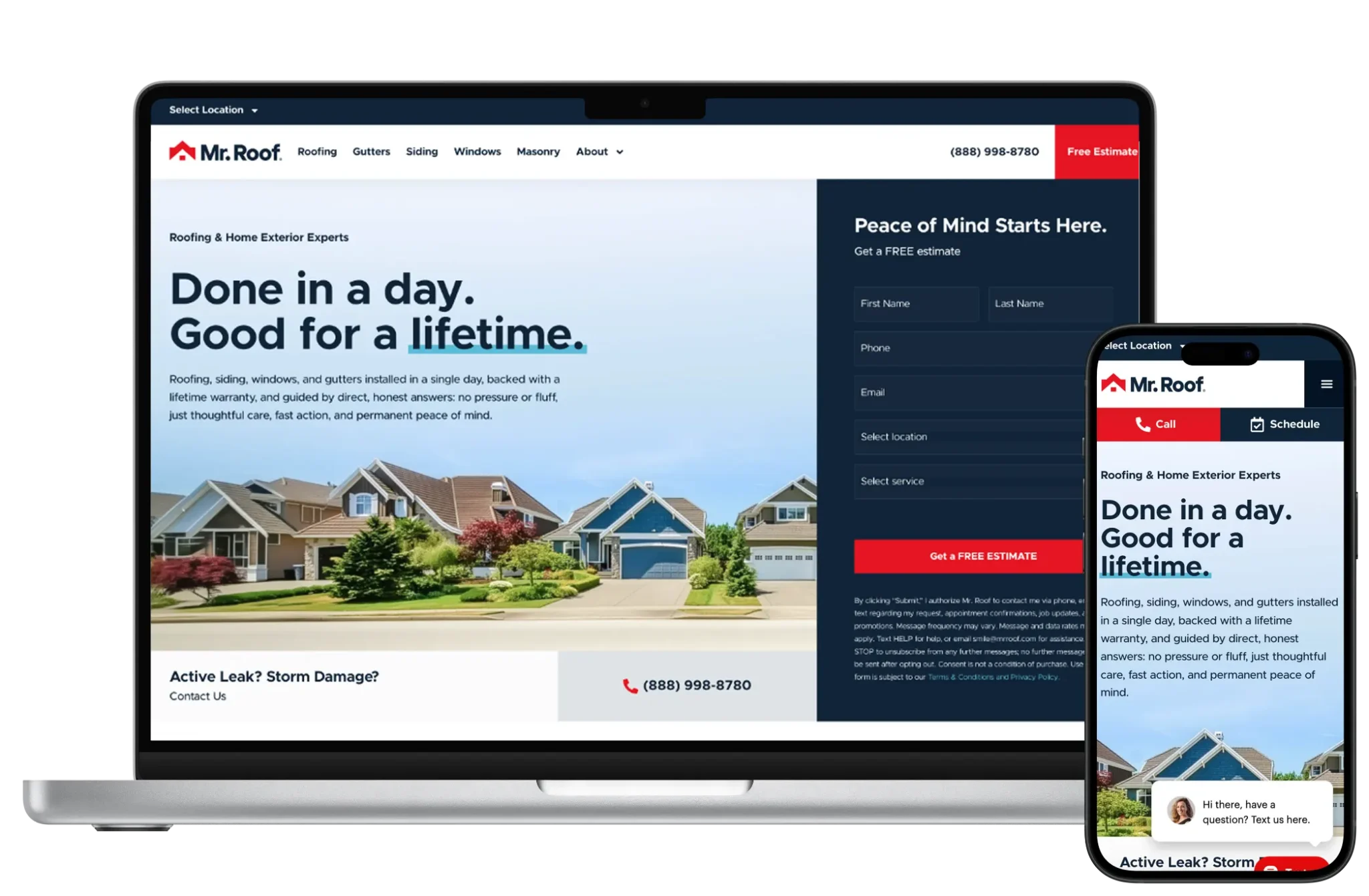
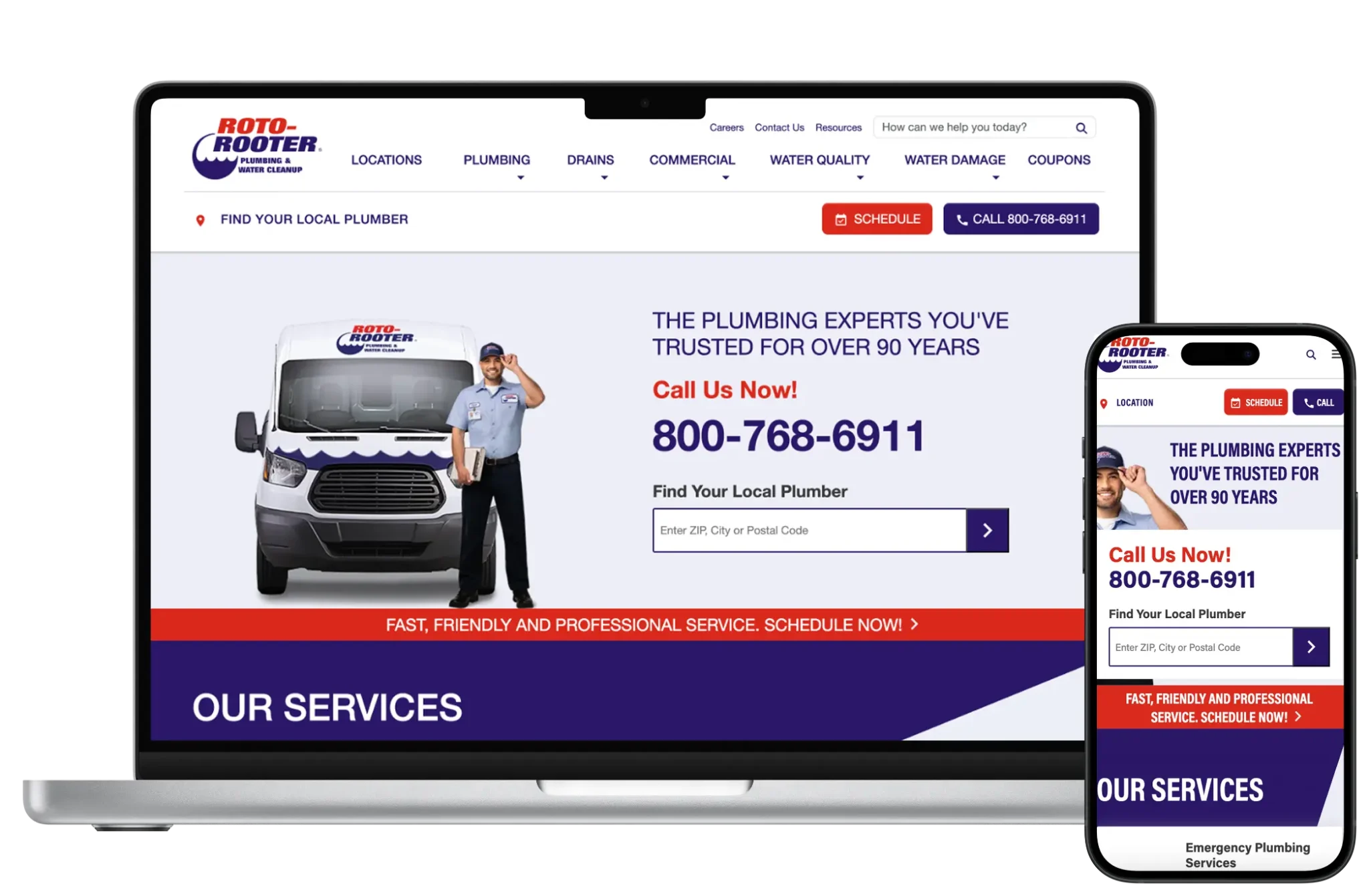
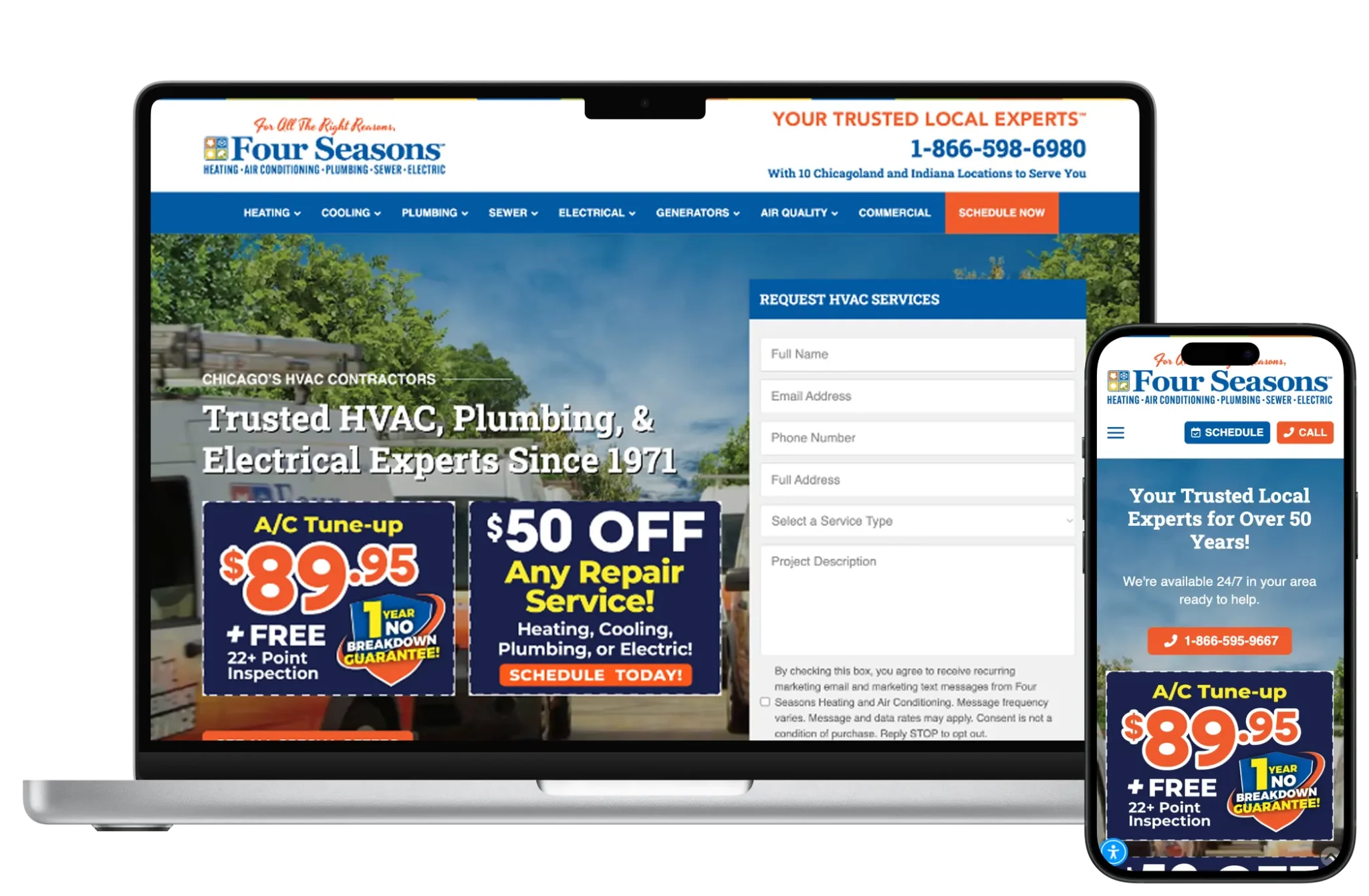
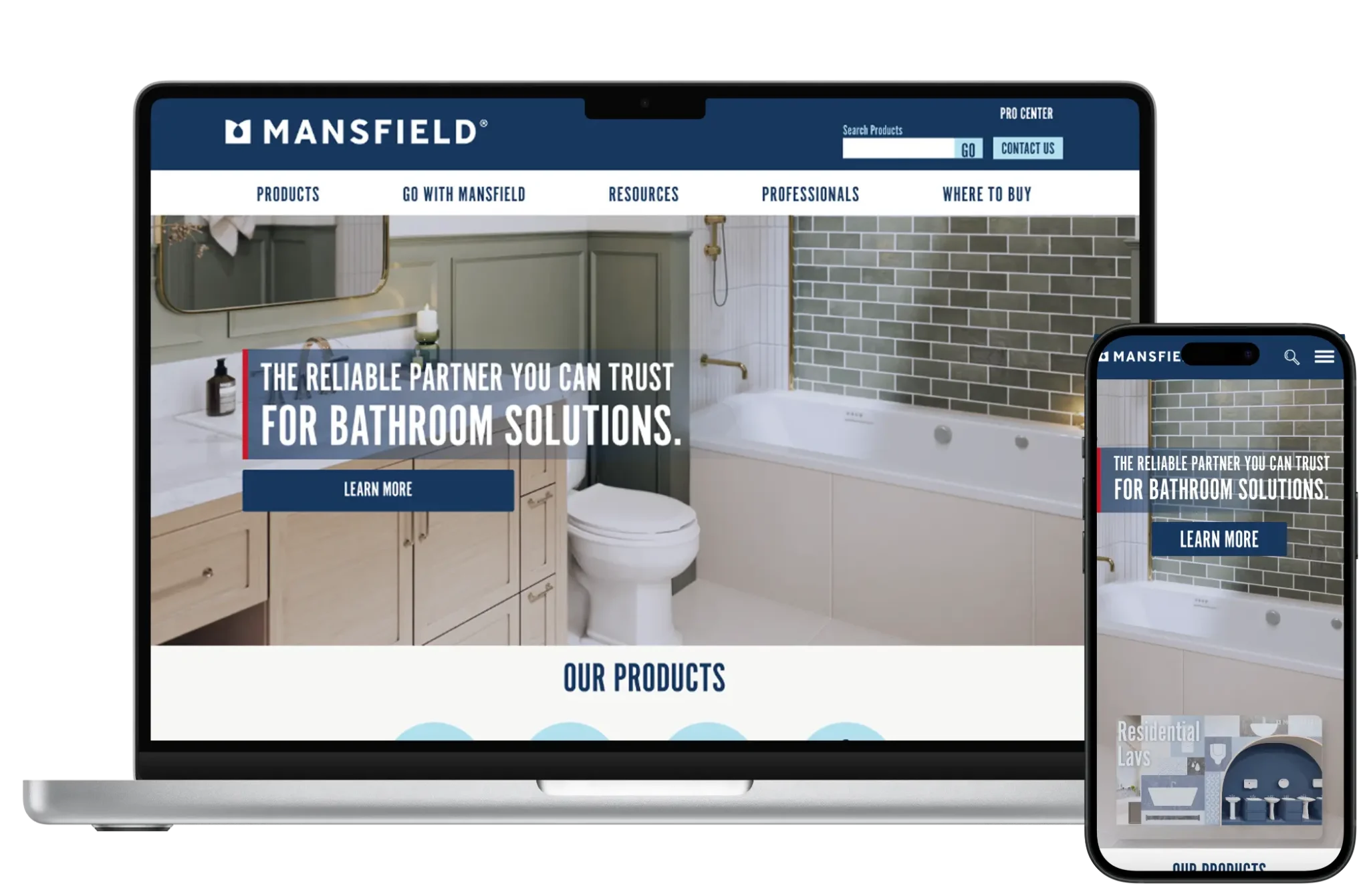
Read more →A look at website designs and layouts we build for service businesses — mockups and project types, not fabricated client claims.
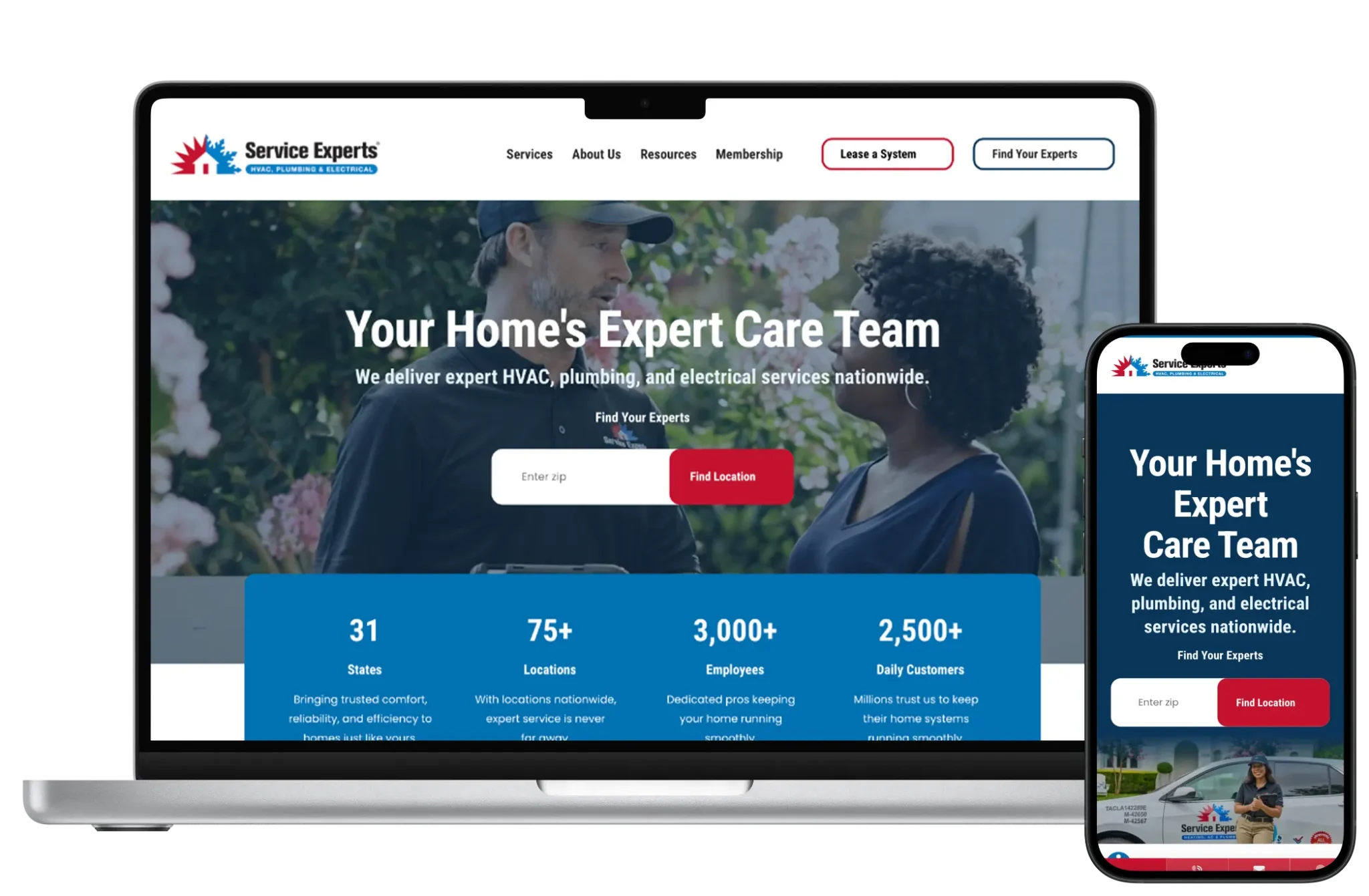
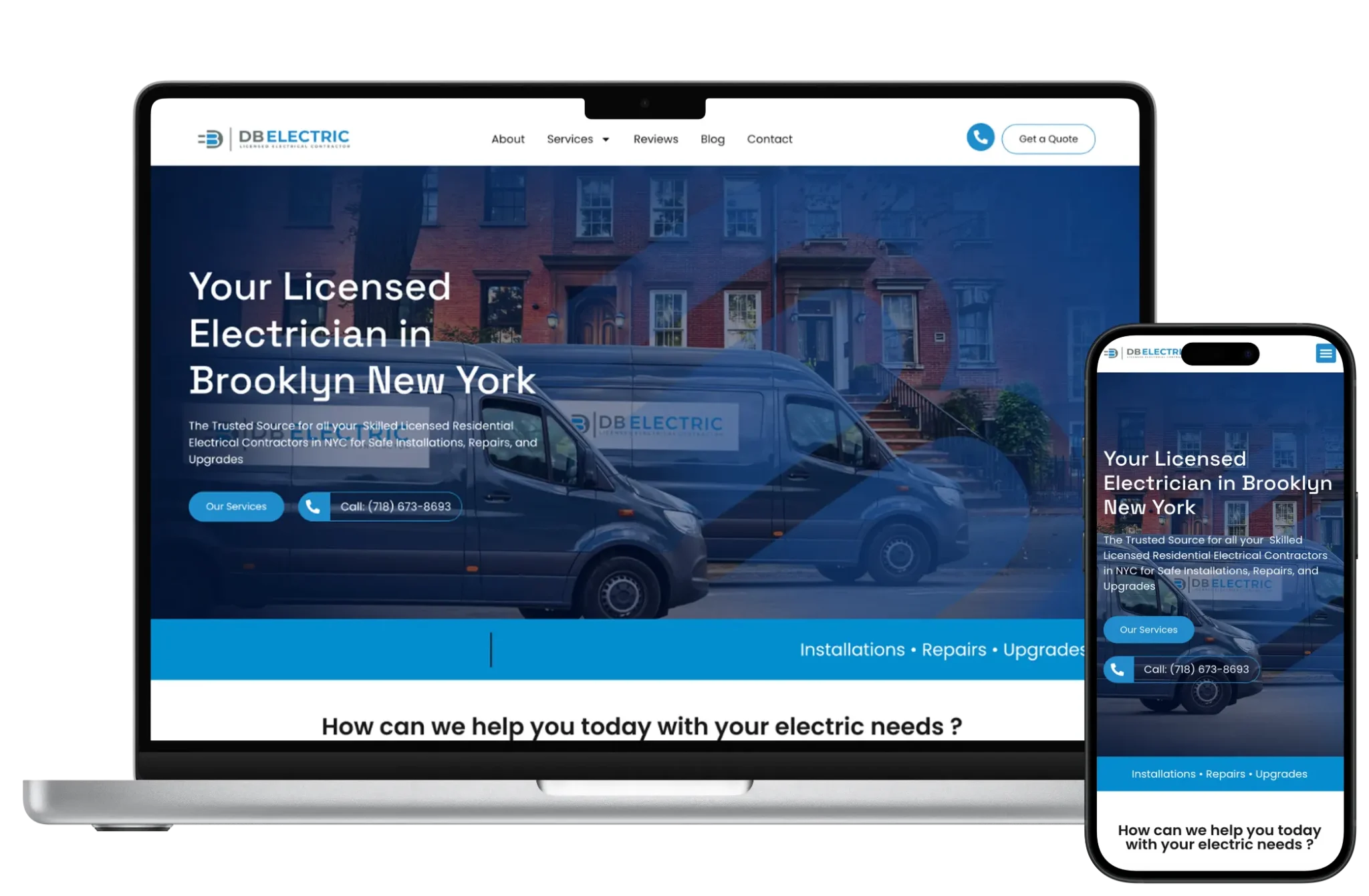
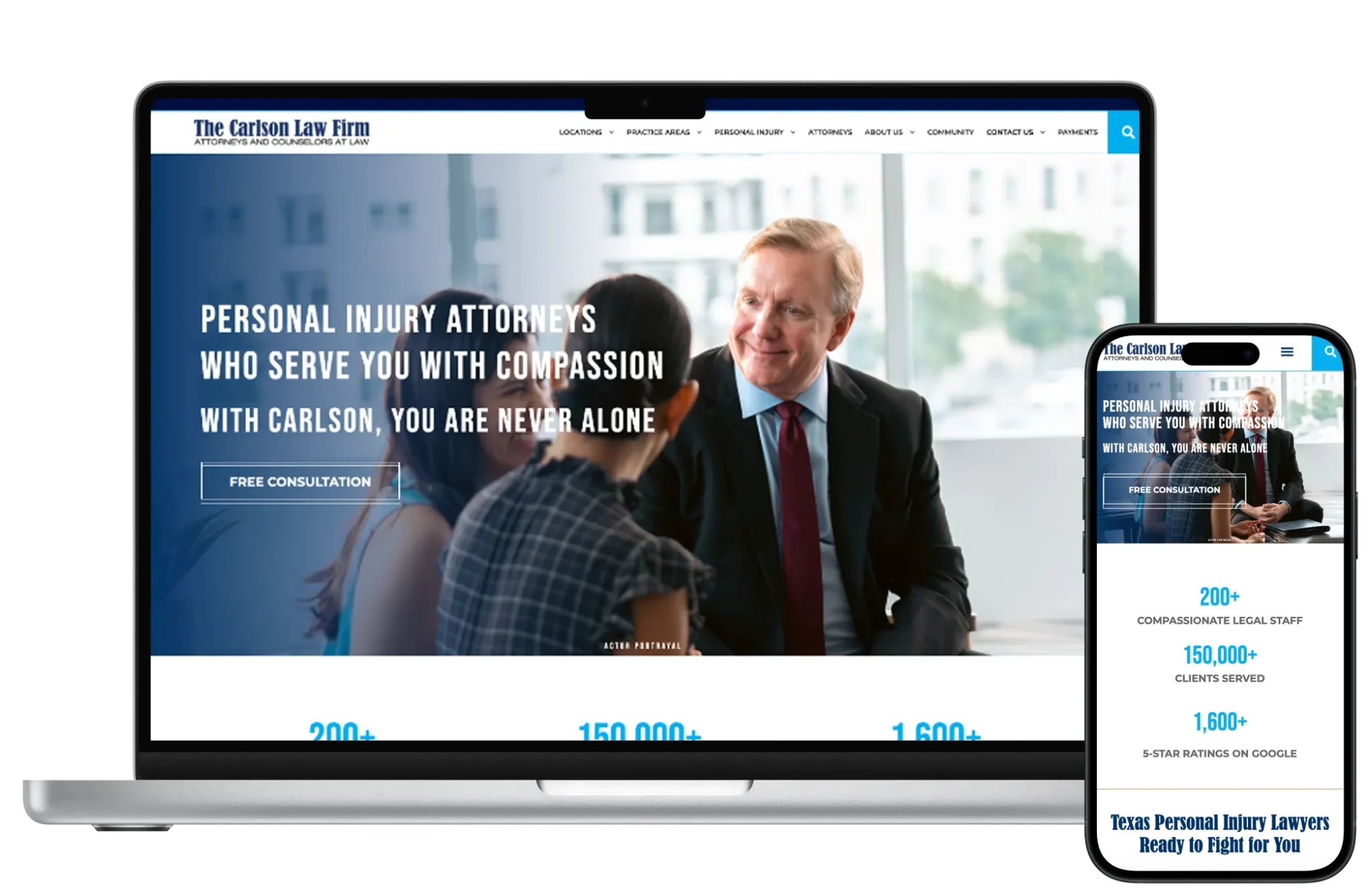
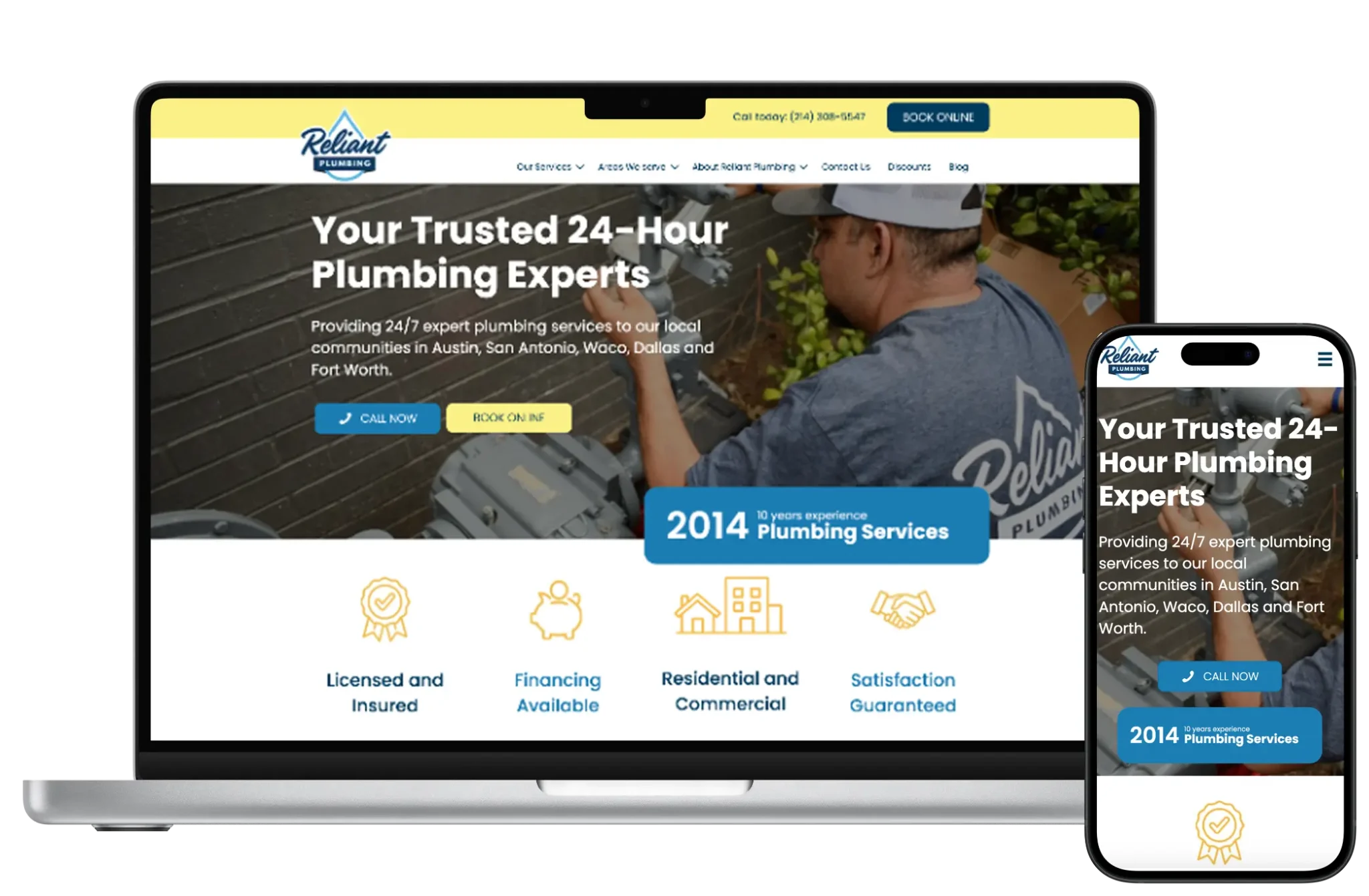

Shop online and find stores without confusion.
Unique local content with accurate NAP.
Shopify or WooCommerce when selling online.
Seasonal launches under subscription speed.
Support services that keep retail sticky.
National and store-level discovery working together.
Conversions include purchases, store visits (directions), and appointment bookings depending on the brand.
Make pickup, shipping, and returns rules visible early on ecommerce paths.
Local store CTAs should emphasize hours and services unique to that location.

Category and style guides support national organic demand; store pages support local intent.
Technical SEO includes locator performance, ecommerce crawl hygiene, and campaign URL governance.
Content should help people choose products and stores. No fabricated "#1 retailer" claims.
We connect SEO work to technical SEO, on-page SEO, and — when local demand matters — local SEO. We do not promise specific rankings.

Every store’s GBP and website page should match hours, phone, and attributes.
Avoid doorway city pages for places without stores.
We only recommend location pages when you genuinely serve the area and can add unique value — not doorway-page city spam. See Google Business Profile optimization.
Yearly plans that include design, development, maintenance and SEO foundations — without a large upfront project fee.
For small businesses that need a professional site without a large upfront build.
Best for local and service businesses ready to generate more leads every month.
For growing brands that need ongoing development, SEO and conversion work.
Large sites, complex integrations, multi-location brands and custom applications.
Most lead-focused Retail Brands engagements fit Growth ($299/year) when local/organic acquisition matters. Simpler brochure sites may fit Starter ($199/year). Multi-location, custom integrations, or heavier development fit Pro ($399/year) or Enterprise.
Setup fees may apply for redesigns, migrations, or large content builds — always disclosed before kickoff. See transparent subscription pricing and how website subscriptions work.
Full notes for challenges, strategy and supporting pages — so the sections above stay scannable.
Unify brand storytelling while giving ecommerce and store locator clear entry points.
Use reusable campaign templates so seasonal launches do not require full rebuilds.
Align local store pages with real hours and events; treat local SEO as operational accuracy, not spam.
Typical tools and workflows we plan around for Retail Brands:
Platform choice often lands on WordPress for service businesses, or Shopify / WooCommerce when commerce is central.
Owned sites protect brand, margins, and SEO. They also power accurate store discovery marketplaces cannot replace.
We can design governed templates that keep brand consistency while allowing approved local updates.
No. We improve UX and SEO foundations without revenue guarantees.
Straight answers about scope, pricing, ownership and what a subscription includes for this page.
Yes when your platform and ops support it. We design UX around real fulfillment rules.
Through maintainable store page systems and processes—critical during holidays.
Usually no. Campaign templates on the main domain are faster and better for SEO.
Depends on catalog, POS needs, and team workflow. We recommend based on fit.
Yes if you have physical stores or pickup. Pure online brands may focus elsewhere.
Yes—booking paths alongside product browsing.
Campaigns, hours, collections, and SEO tasks follow a retail calendar—subscription matches that rhythm.
No. Merchandising badges should reflect real rules you define.
Yes—with migration planning for URLs, redirects, and merchandising parity.
Retail websites with locators, campaign-ready templates, and honest SEO—maintained through peak seasons.