

Problems this service solves
Category pages that are product grids with no unique guidance.Duplicate product content syndicated from manufacturers.Facet/filter URLs flooding the…
Read more →Ecommerce SEO
Ecommerce SEO grows organic discovery for categories, products and supporting content — fixing taxonomy problems, thin/duplicate templates, internal linking and technical issues unique to large catalogs.

Ecommerce SEO grows organic discovery for categories, products and supporting content — fixing taxonomy problems, thin/duplicate templates, internal linking and technical issues unique to large catalogs.
Unlike general on-page SEO for service businesses, ecommerce SEO wrestles with faceted navigation, SKU duplication, variant URLs and merchandising constraints on Shopify or WooCommerce.
66sites pairs ecommerce SEO with store development/maintenance so recommendations can be implemented in theme templates and product workflows.
Practical website, conversion and SEO work tailored to how your buyers actually decide.
Category pages that are product grids with no unique guidance.Duplicate product content syndicated from manufacturers.Facet/filter URLs flooding the…
Read more →
We prioritize category architecture and unique copy where demand exists, then product detail improvements for head terms and margin-important SKUs —…
Read more →
Catalog SEO auditTaxonomy, duplicates, index bloat, template gaps.Category strategyPriority collections/categories with unique content plans.Product…
Read more →A look at website designs and layouts we build for service businesses — mockups and project types, not fabricated client claims.

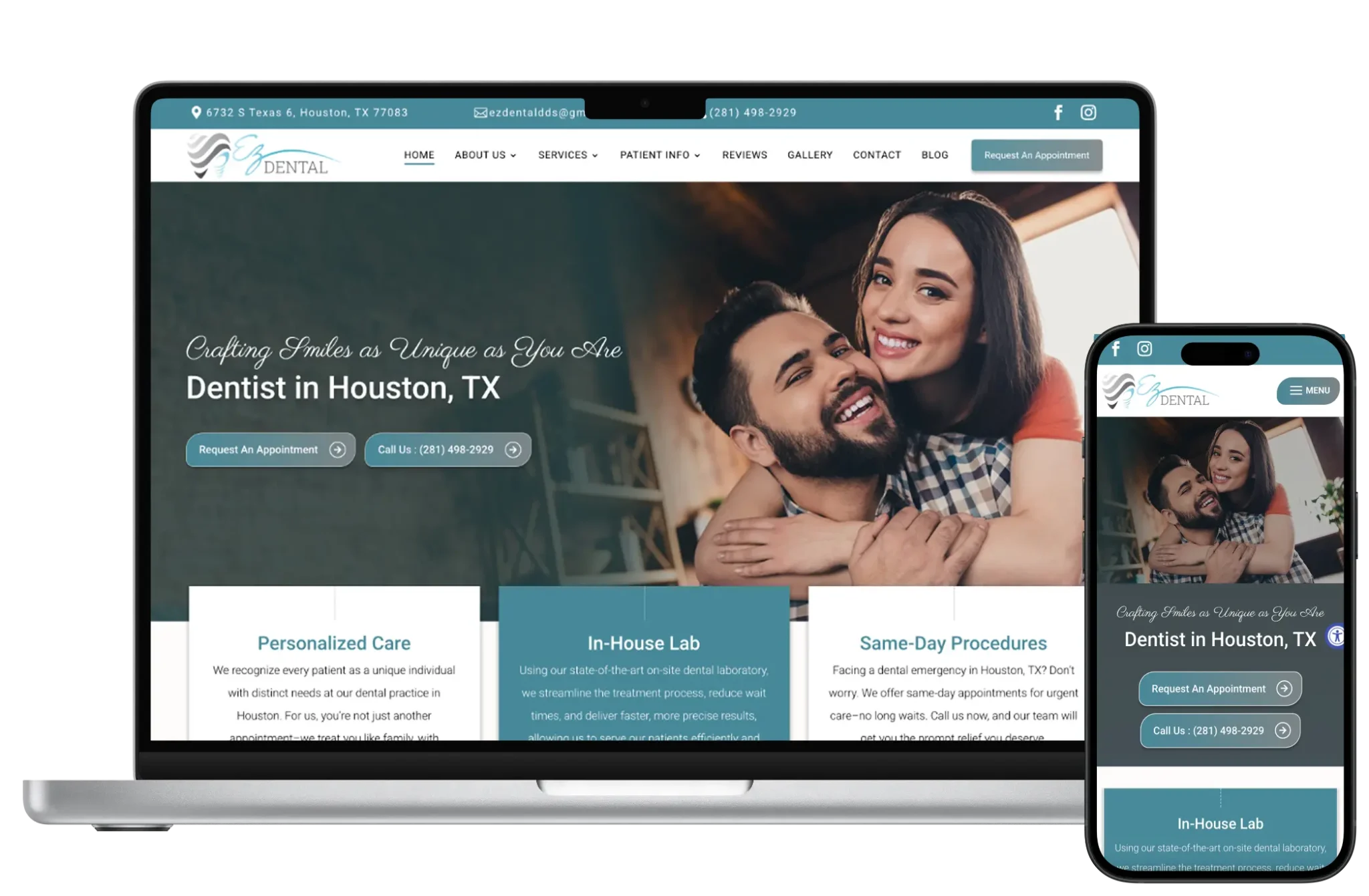
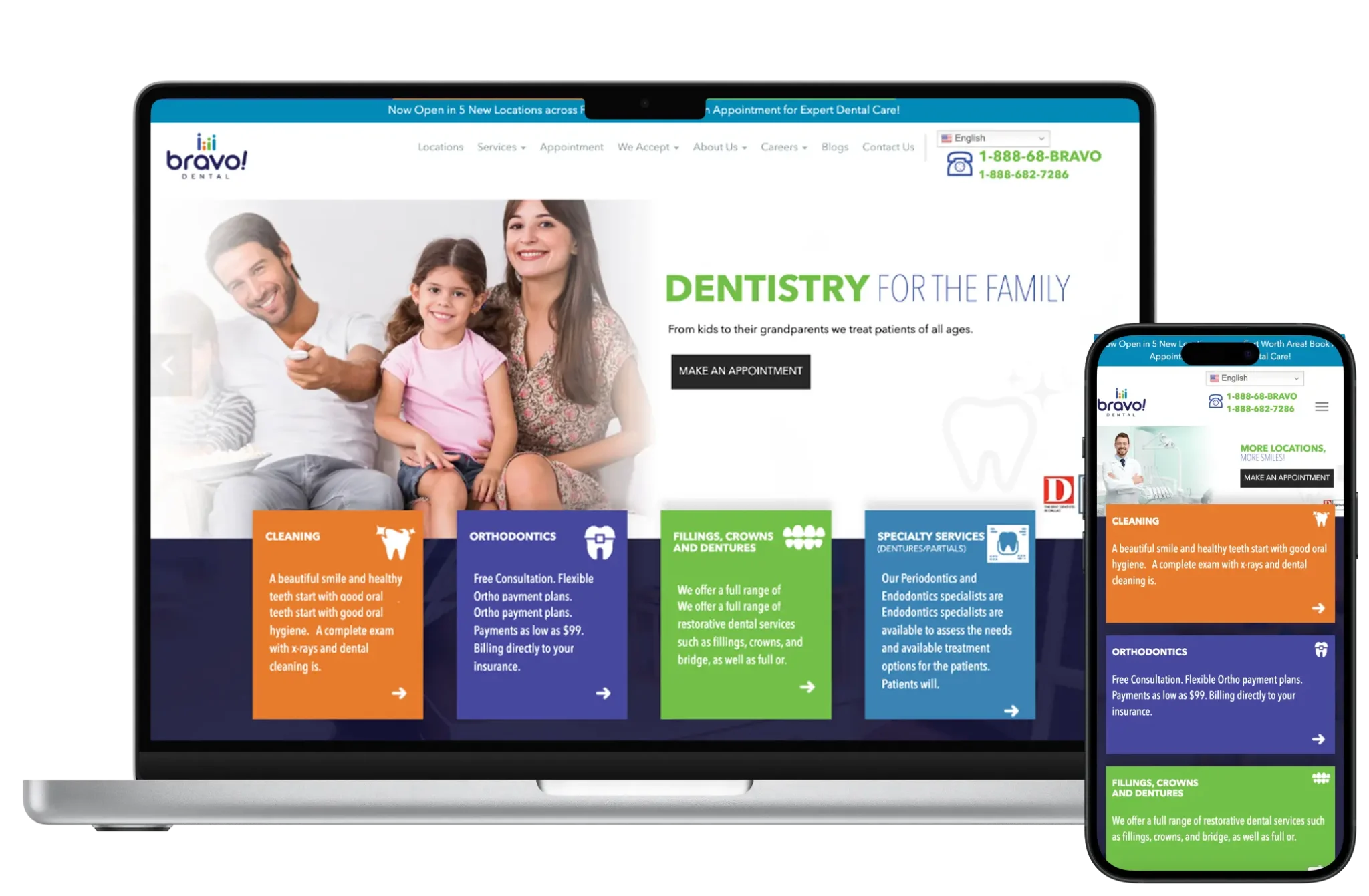
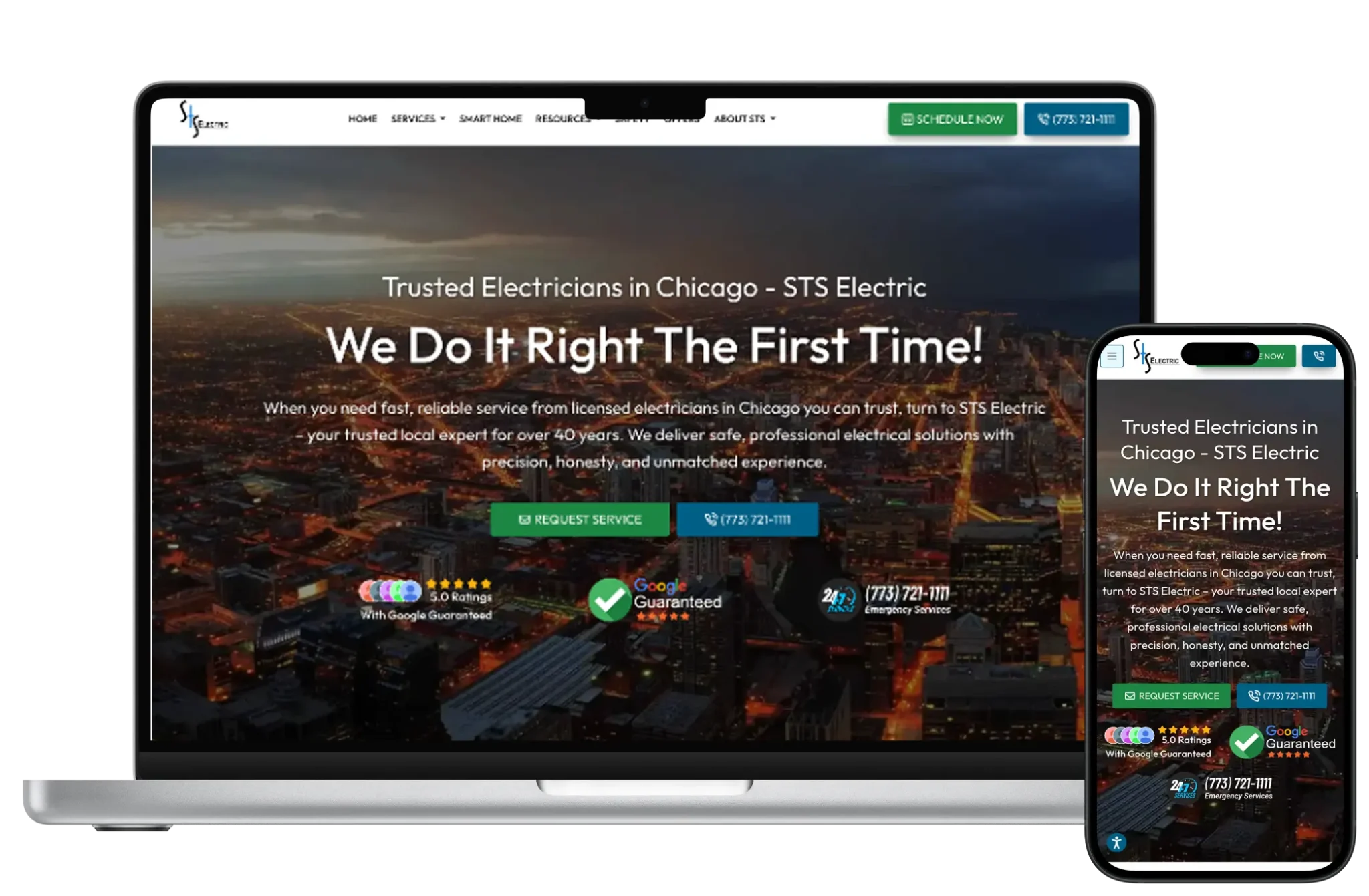

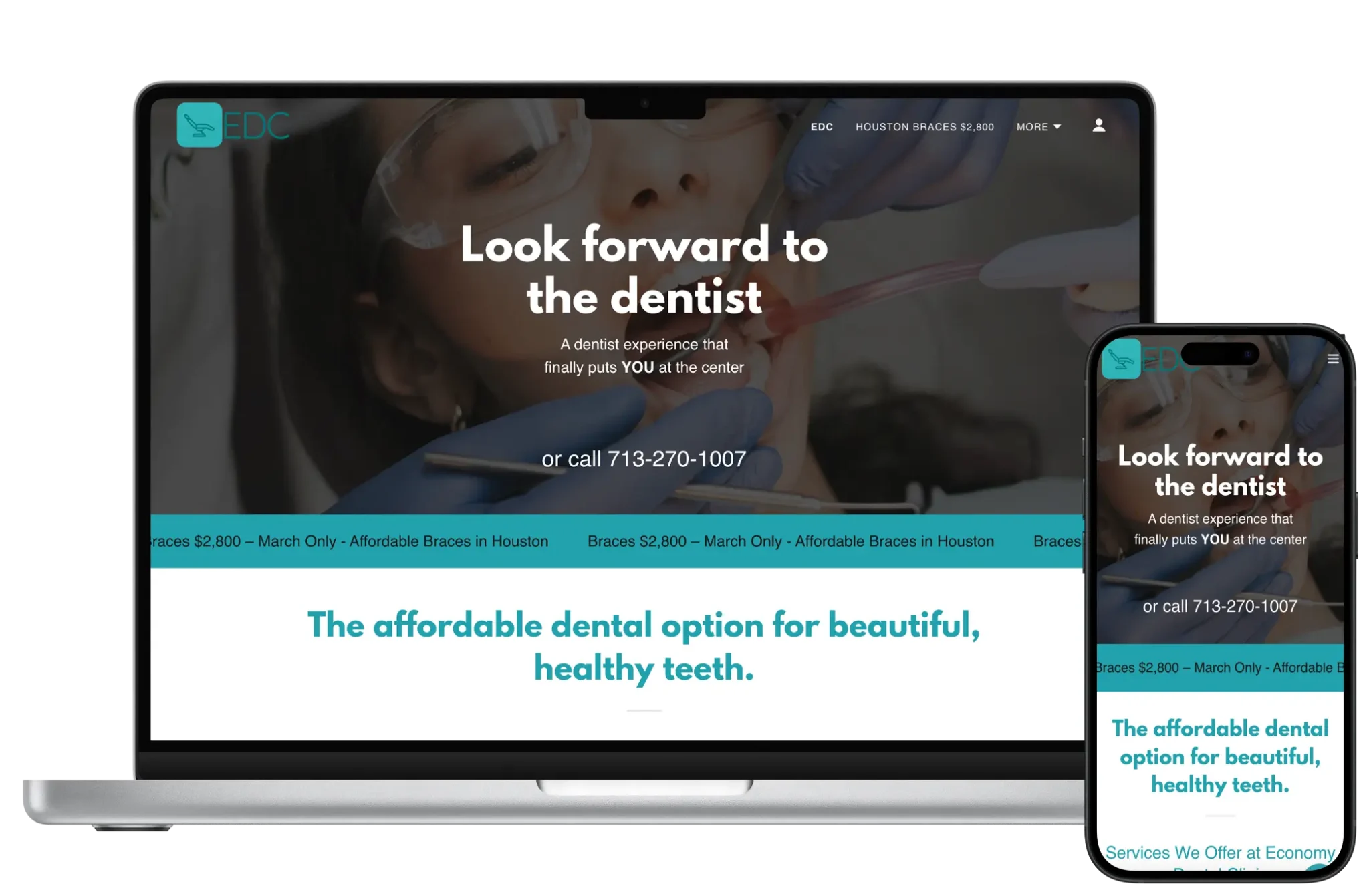
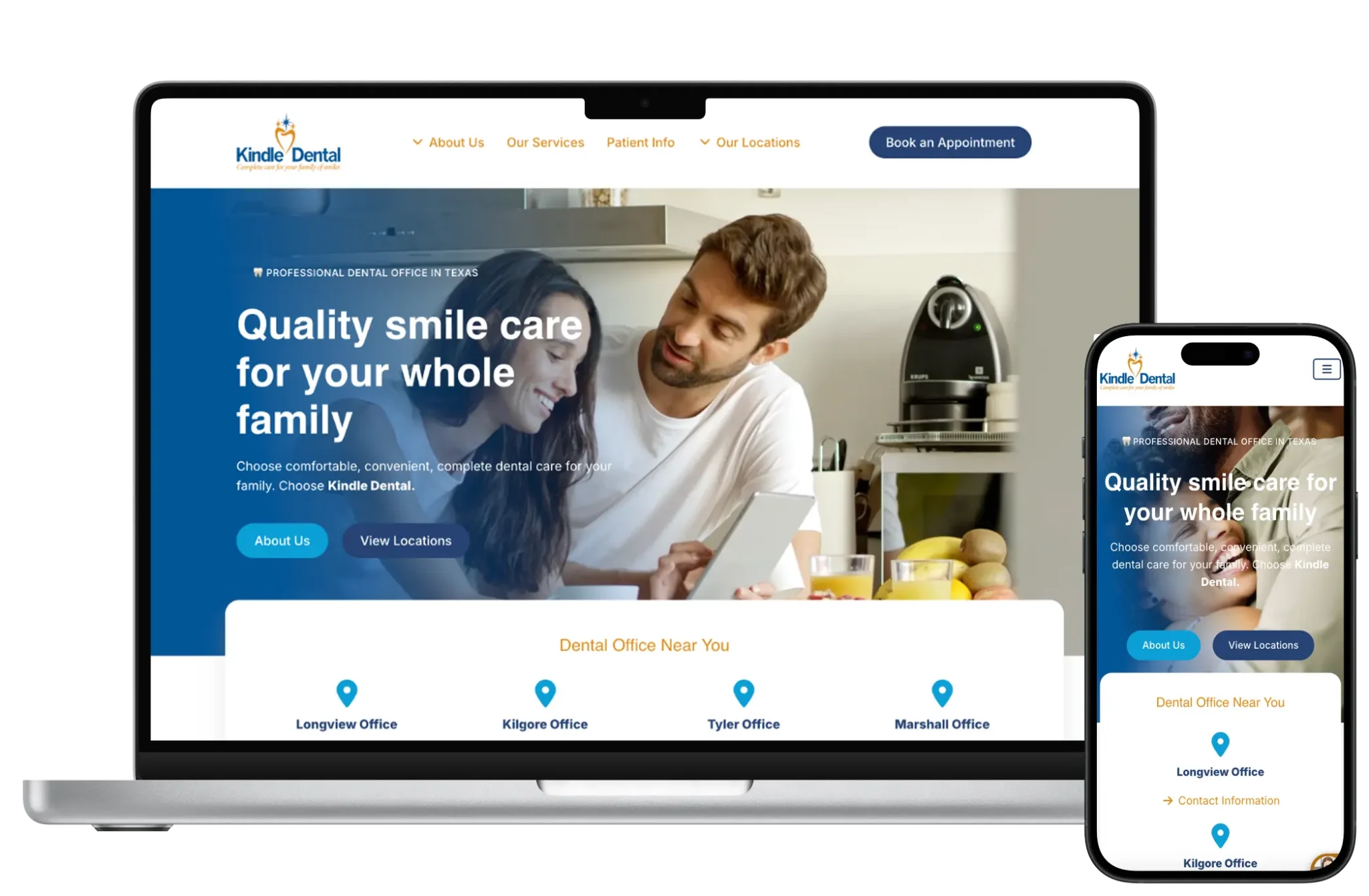

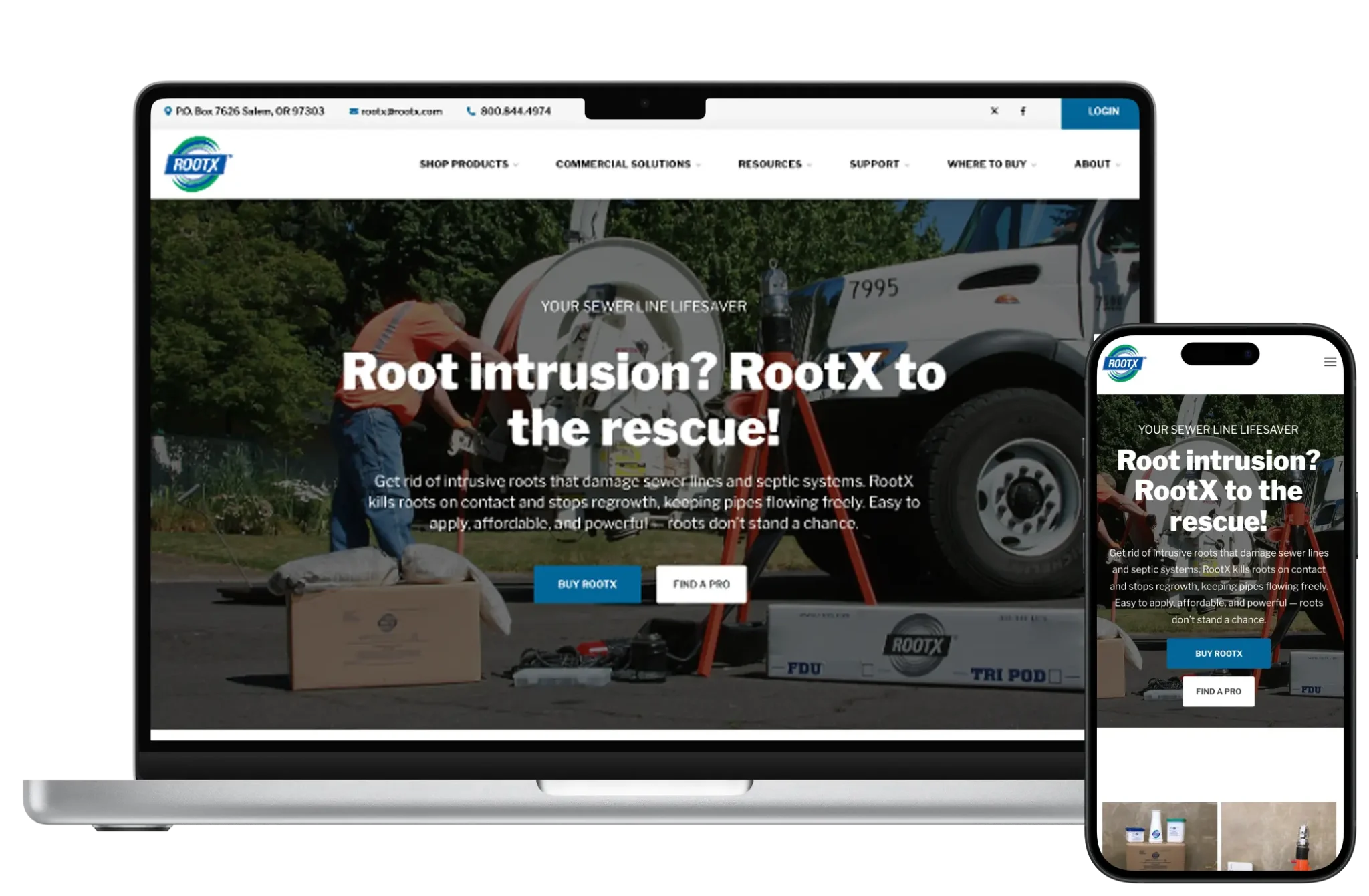
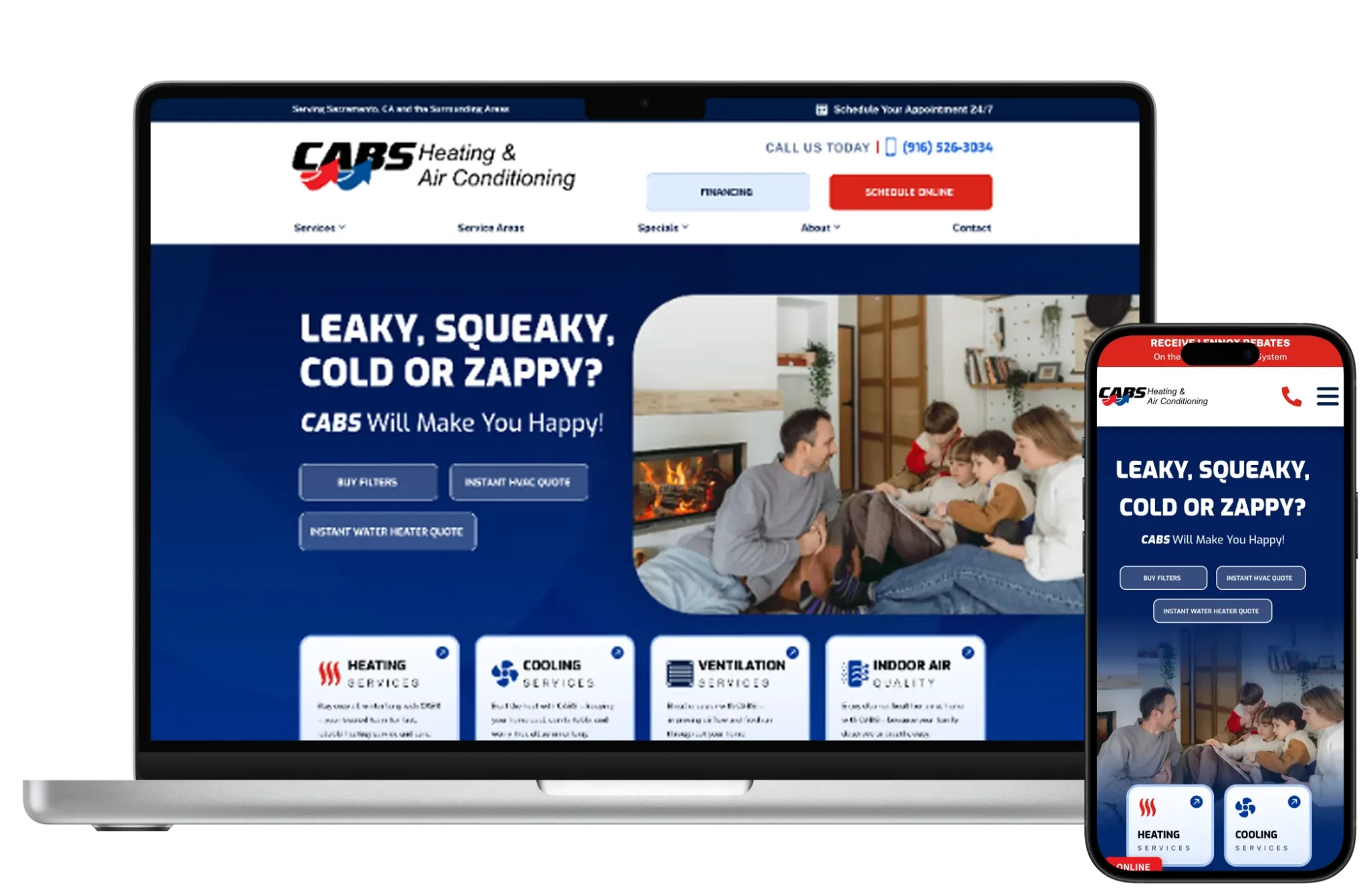
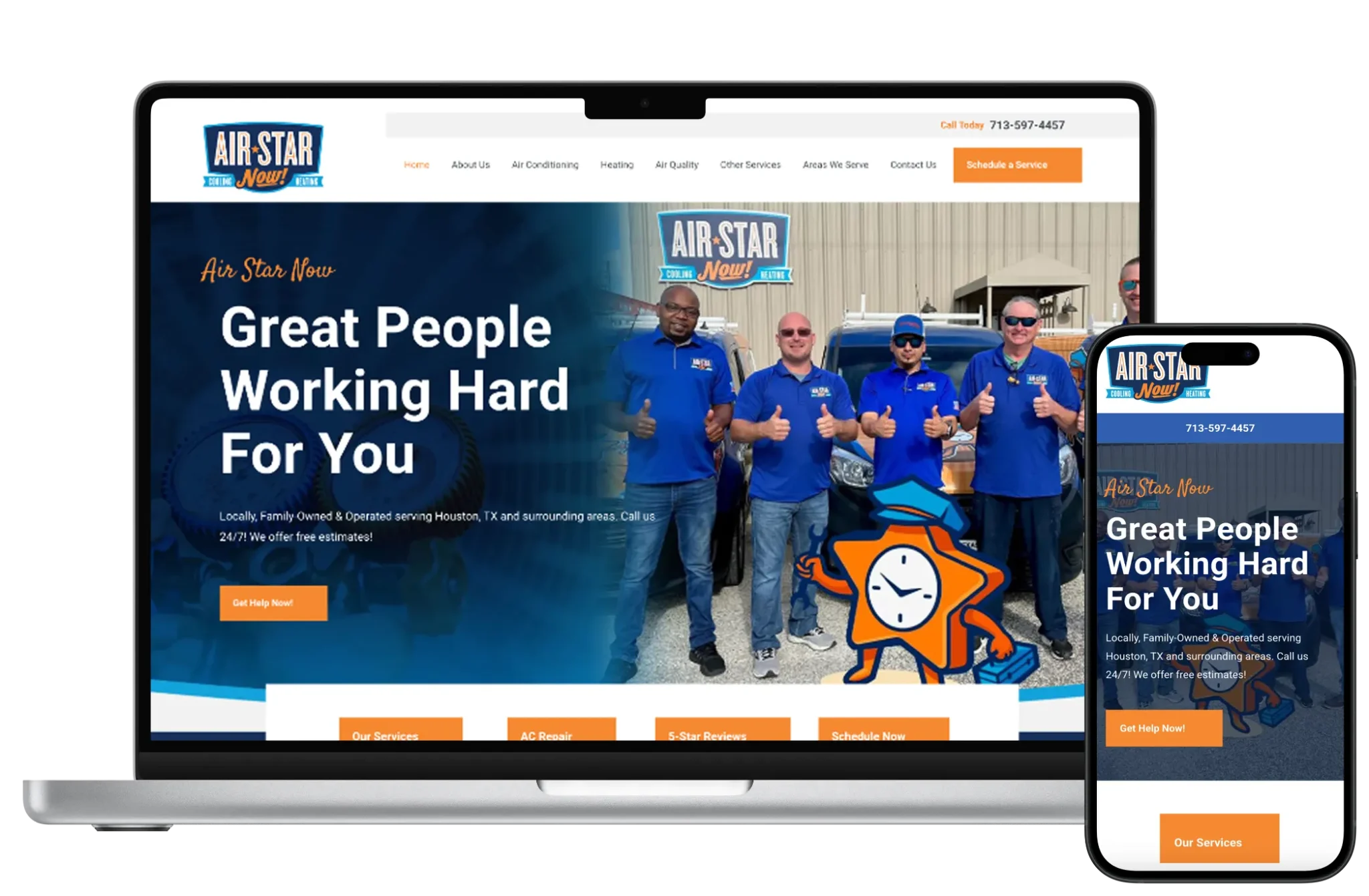
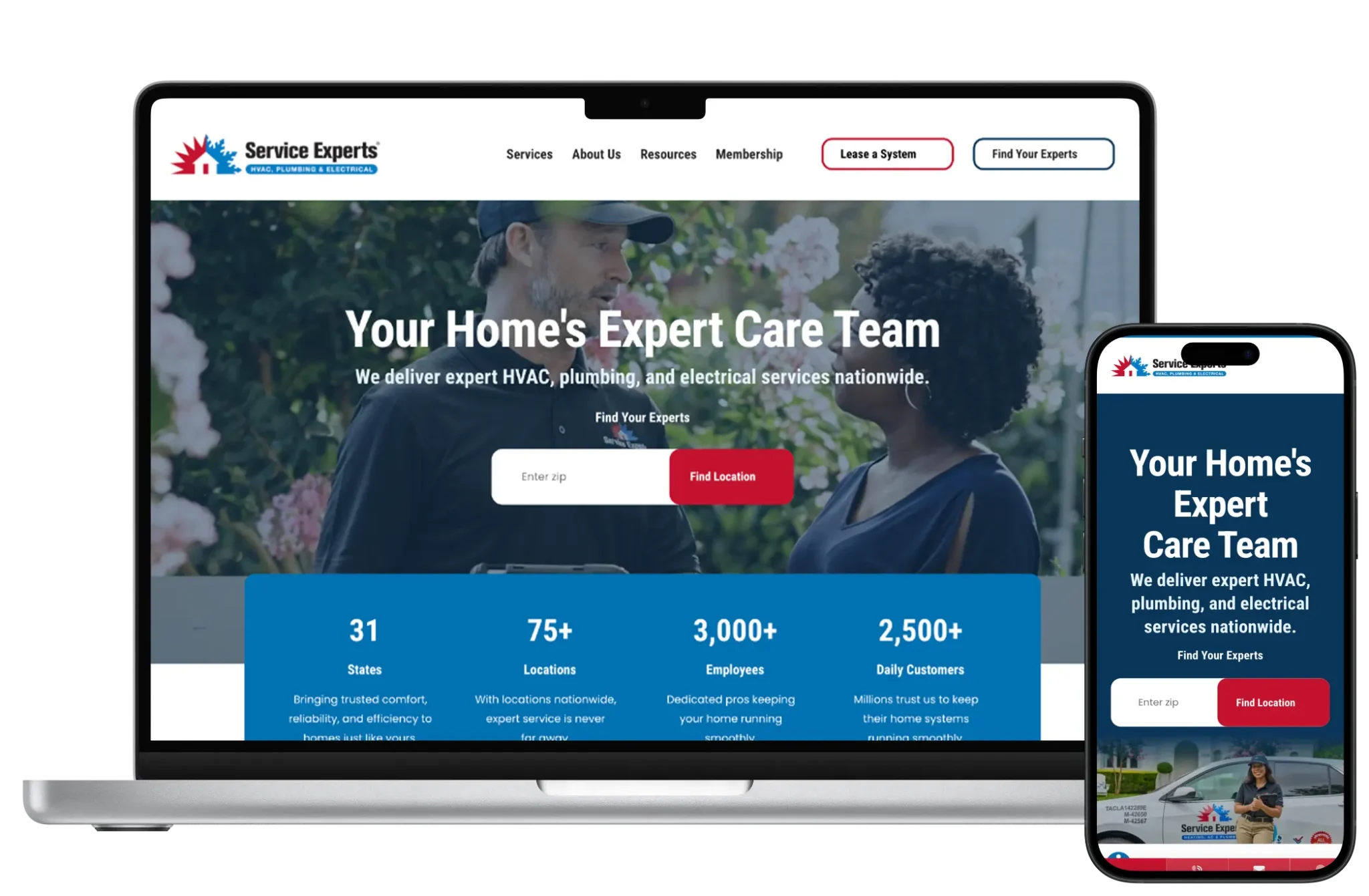


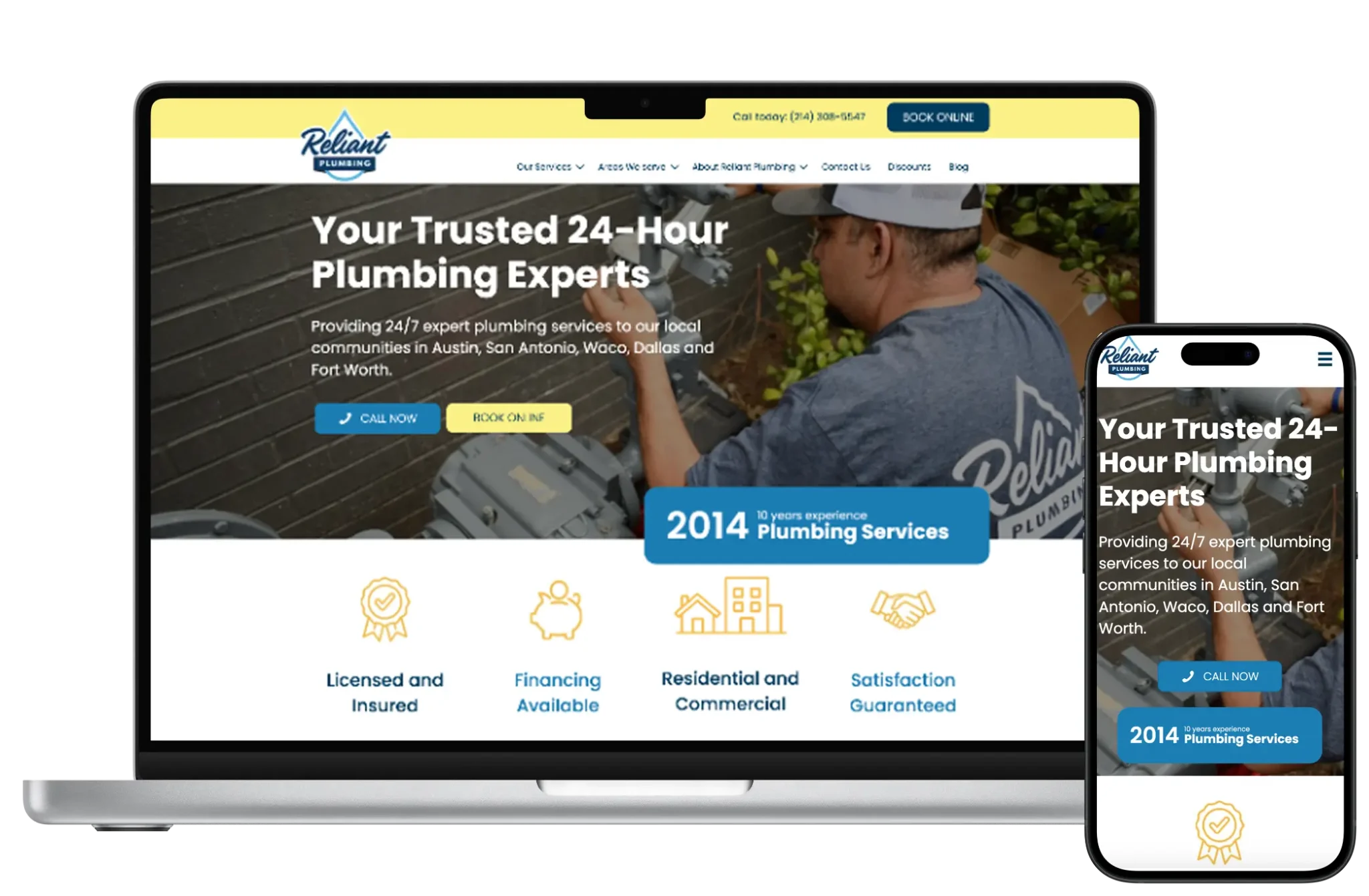
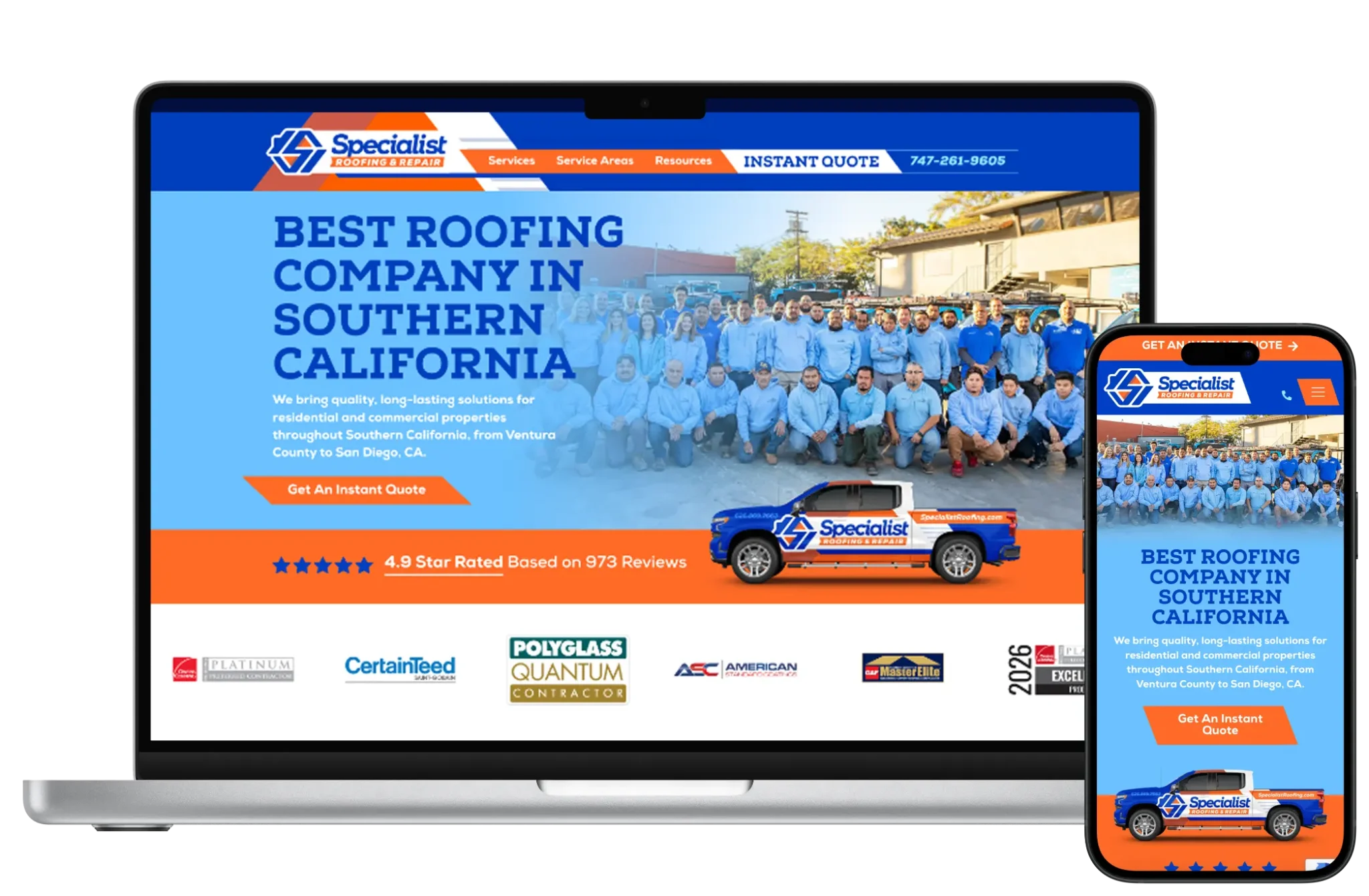
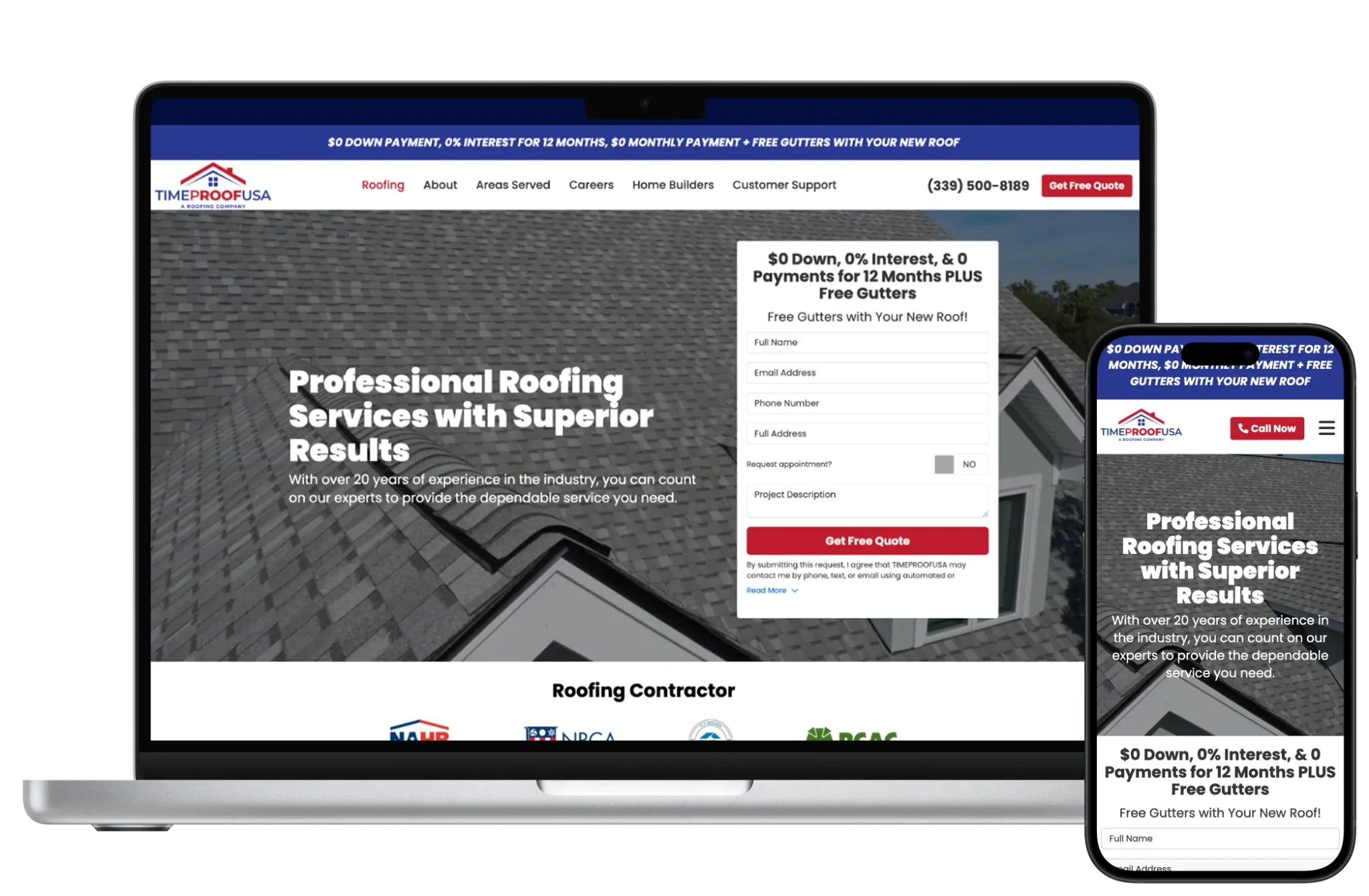
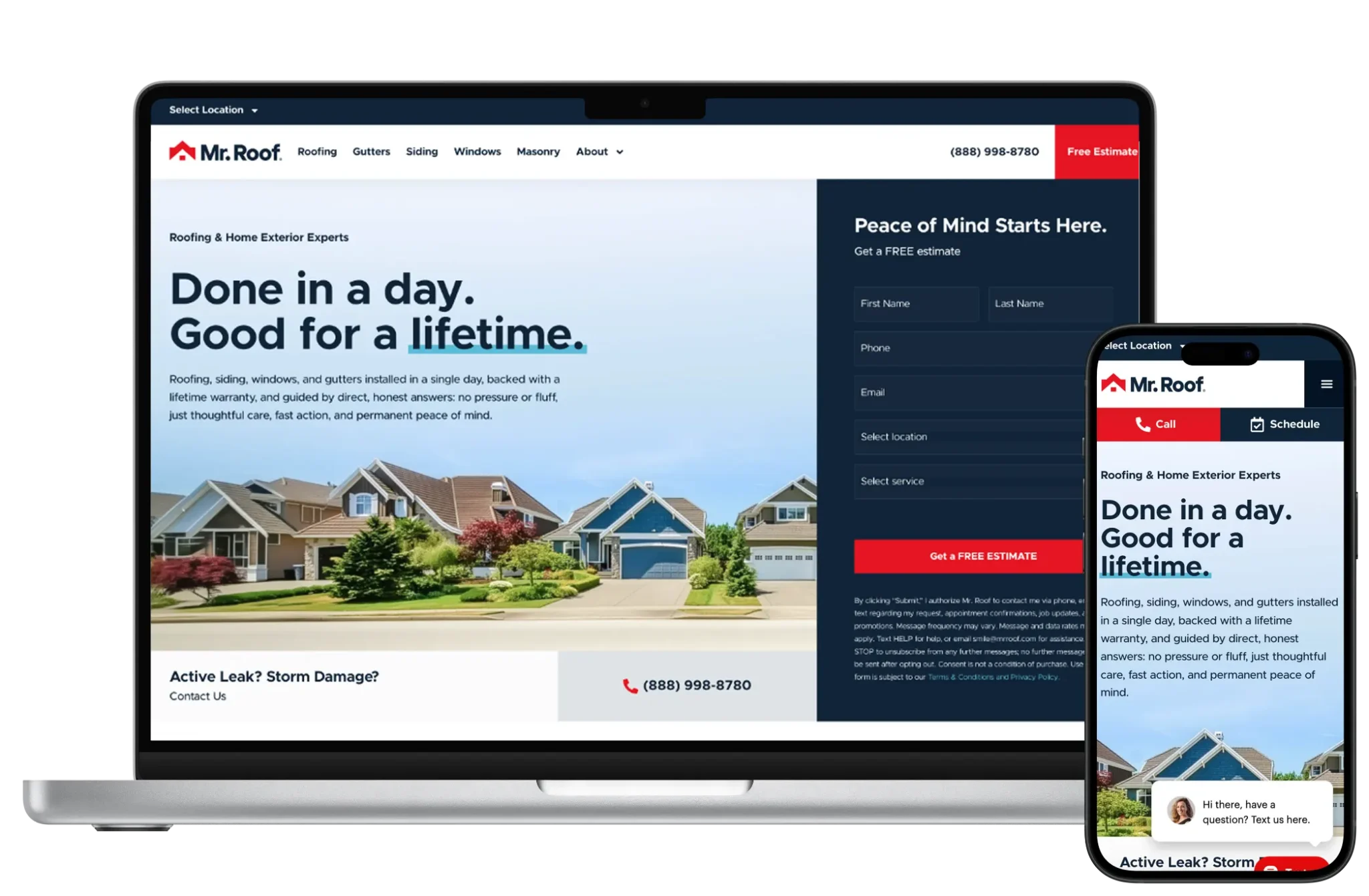


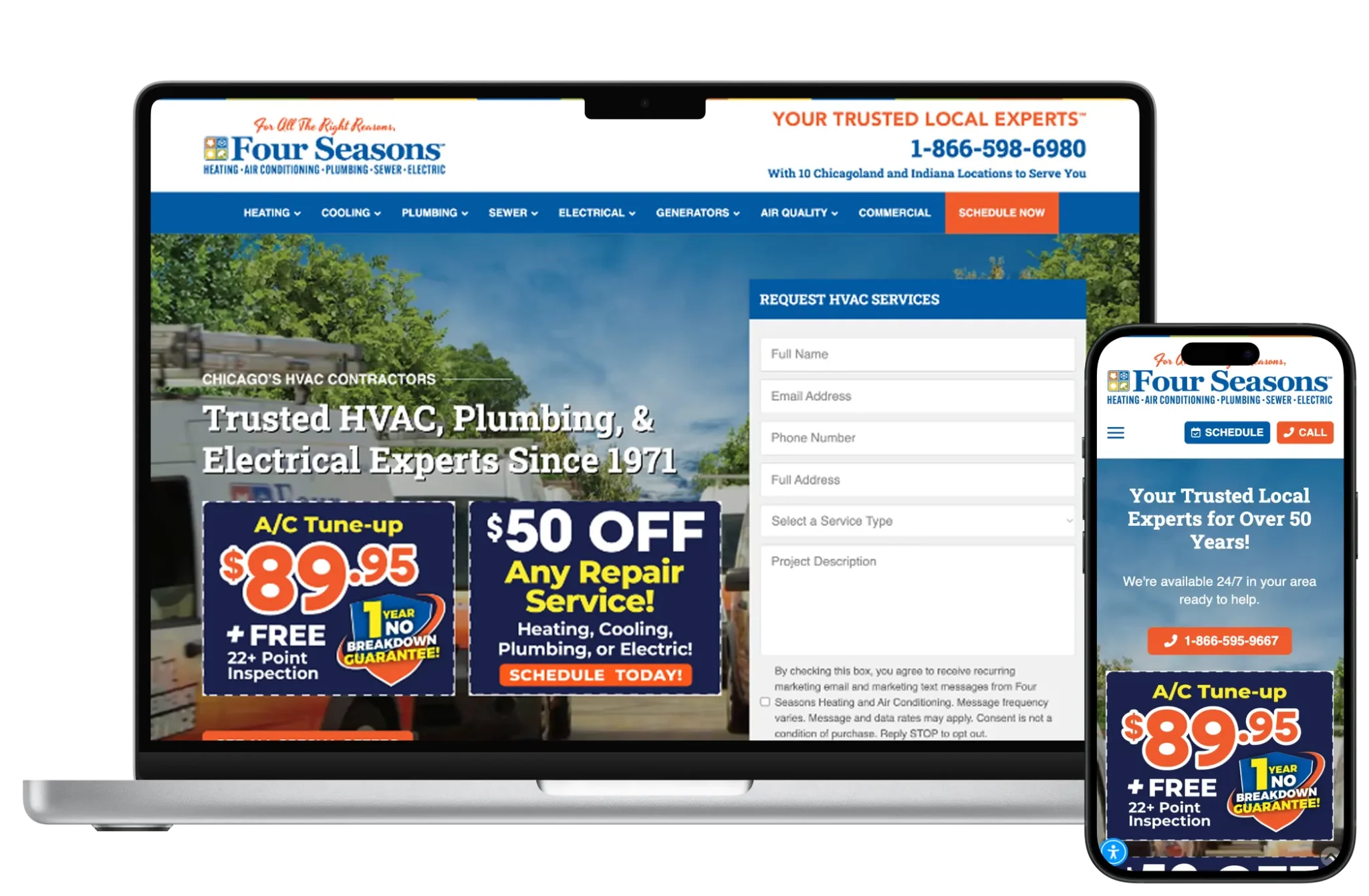
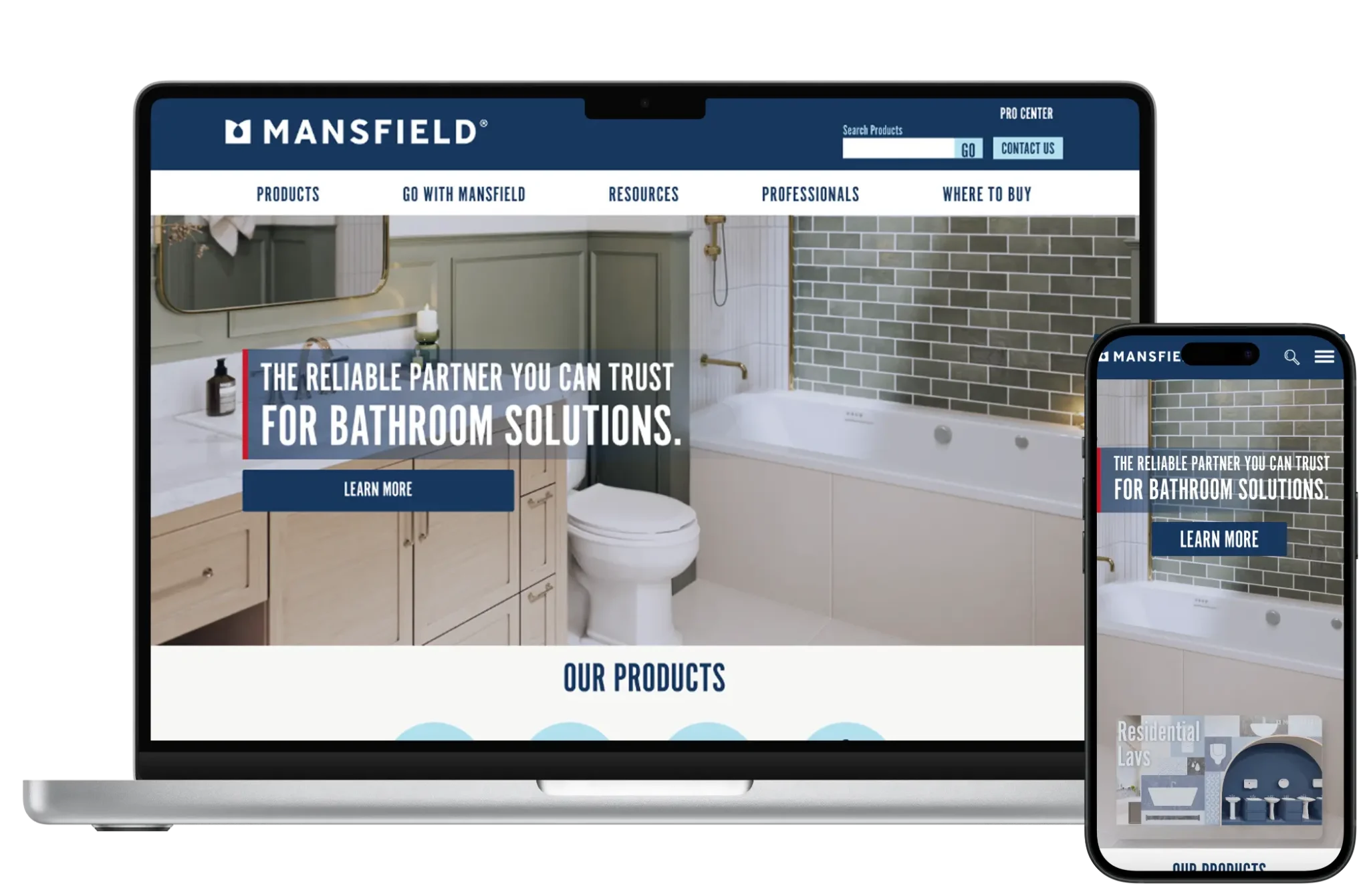
Ecommerce SEO compounds when merchandising, content and technical templates align — which is why subscription delivery beats orphaned audits.
We stay honest about competitive retail SERPs and never promise rank screenshots as a service outcome.

Shopify and WooCommerce merchants with meaningful catalogs who want organic growth beyond paid acquisition — not tiny shops with five products and no search demand.

Yearly plans that include design, development, maintenance and SEO foundations — without a large upfront project fee.
For small businesses that need a professional site without a large upfront build.
Best for local and service businesses ready to generate more leads every month.
For growing brands that need ongoing development, SEO and conversion work.
Large sites, complex integrations, multi-location brands and custom applications.
Ecommerce SEO typically requires Growth ($299/year) at minimum; Pro ($399/year) for larger catalogs or faster velocity. Enterprise for very large SKU estates. Setup fees may cover initial technical cleanup. Platform fees remain separate.
Full notes for challenges, strategy and supporting pages — so the sections above stay scannable.
We prioritize category architecture and unique copy where demand exists, then product detail improvements for head terms and margin-important SKUs — not rewriting 50k pages on day one.
Technical hygiene for facets, canonicals and sitemaps is non-negotiable. Content programs support buying guides that feed collections.
Merchandising and SEO share a taxonomy language so short-term campaigns don’t permanently wreck information architecture.
Taxonomy, duplicates, index bloat, template gaps.
Priority collections/categories with unique content plans.
Modules for unique value beyond manufacturer copy.
Prevent crawl traps.
Guides ↔ collections ↔ products.
Theme changes that unlock SEO.
Monthly shipping cadence.
Straight answers about scope, pricing, ownership and what a subscription includes for this page.
Ideally for products you want to rank, yes. Huge catalogs need prioritization — start where demand and margin justify effort.
No. Competitive retail SERPs depend on many factors including price and assortment.
Often yes via canonical/noindex/parameter strategies appropriate to the platform — implemented with dev support.
Principles share; constraints differ. Shopify apps/themes and Woo plugins create different technical footprints.
Yes as part of SEO content supporting collections — when they help shoppers and internal links.
Out of scope here. We focus on your owned storefront organic search.
Sometimes. We call out apps that create duplicate paths or script bloat.
Organic sessions to collections/PDPs, revenue assisted by organic, index coverage health — not vanity keyword counts alone.
Ecommerce SEO for categories, products and technical hygiene — implemented in your store.