

Challenges Transportation Companies face online
Service menus mix unrelated transport types on one crowded page.Booking tools are hard to find or broken on mobile.Coverage maps are decorative…
Read more →Transportation operators
Transportation brands range from passenger services to specialty movers of people and goods. Visitors need to understand what you move, where you operate, and how to book or request service—fast…

Transportation brands range from passenger services to specialty movers of people and goods. Visitors need to understand what you move, where you operate, and how to book or request service—fast. 66sites builds subscription websites that clarify modes and markets, support booking or quote conversions, and stay maintainable as routes and fleets change.
We avoid one-size logistics clichés. Passenger shuttles, medical transport, charter, and freight-adjacent operators get IA matched to their buyer. Design and development focus on mobile trips planning and trust, with SEO that reflects real service geography.
Honest SEO language only: we structure for relevance; we do not guarantee map or organic positions.
Practical website, conversion and SEO work tailored to how your buyers actually decide.
Service menus mix unrelated transport types on one crowded page.Booking tools are hard to find or broken on mobile.Coverage maps are decorative…
Read more →
Define primary rider or shipper personas and build navigation around how they choose services—by trip type, by account type, or by specialty…
Read more →
Services by trip or mode. Matches how people search and choose transportation.Coverage / routes / service areas. Sets expectations and supports local…
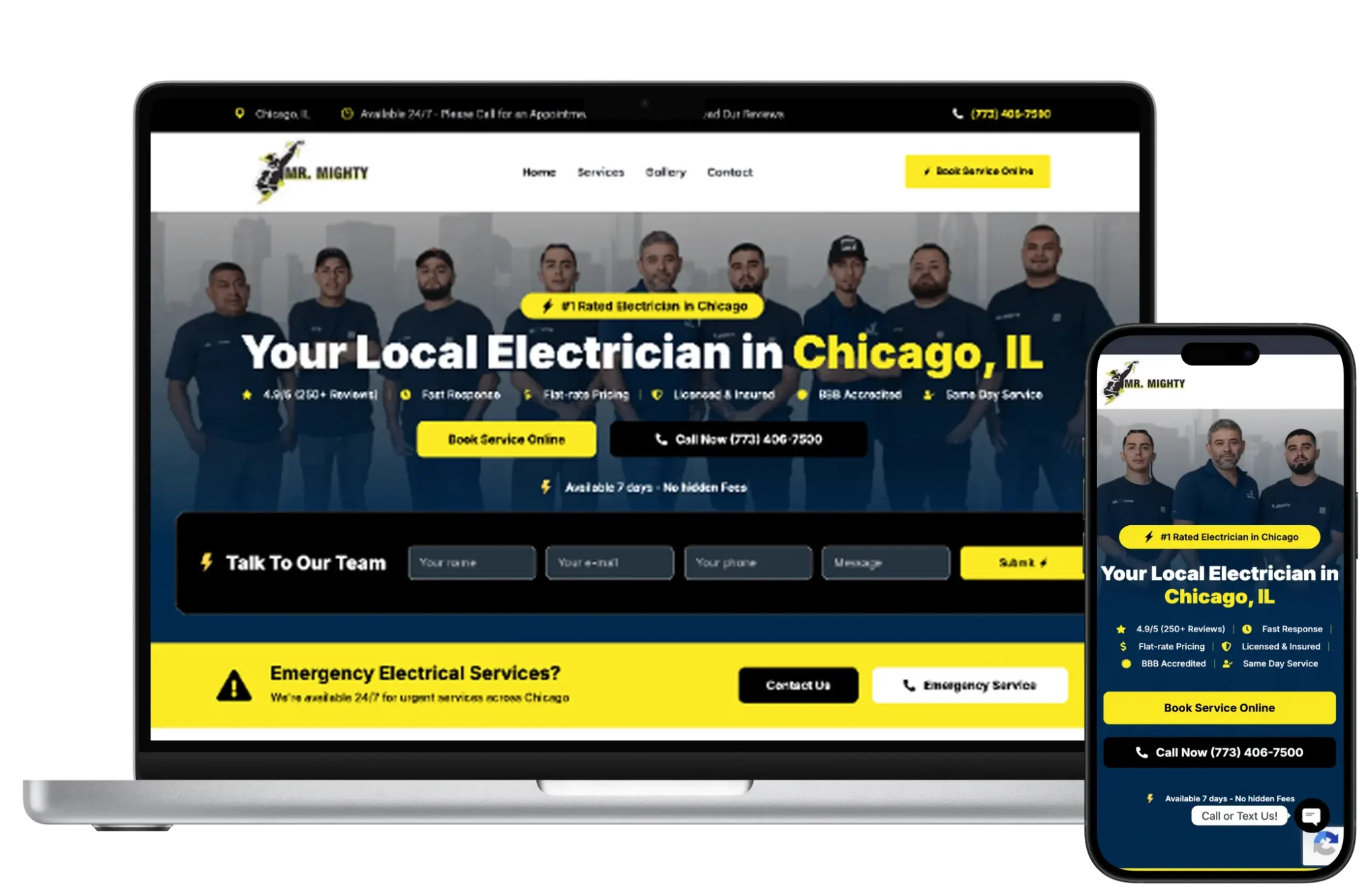
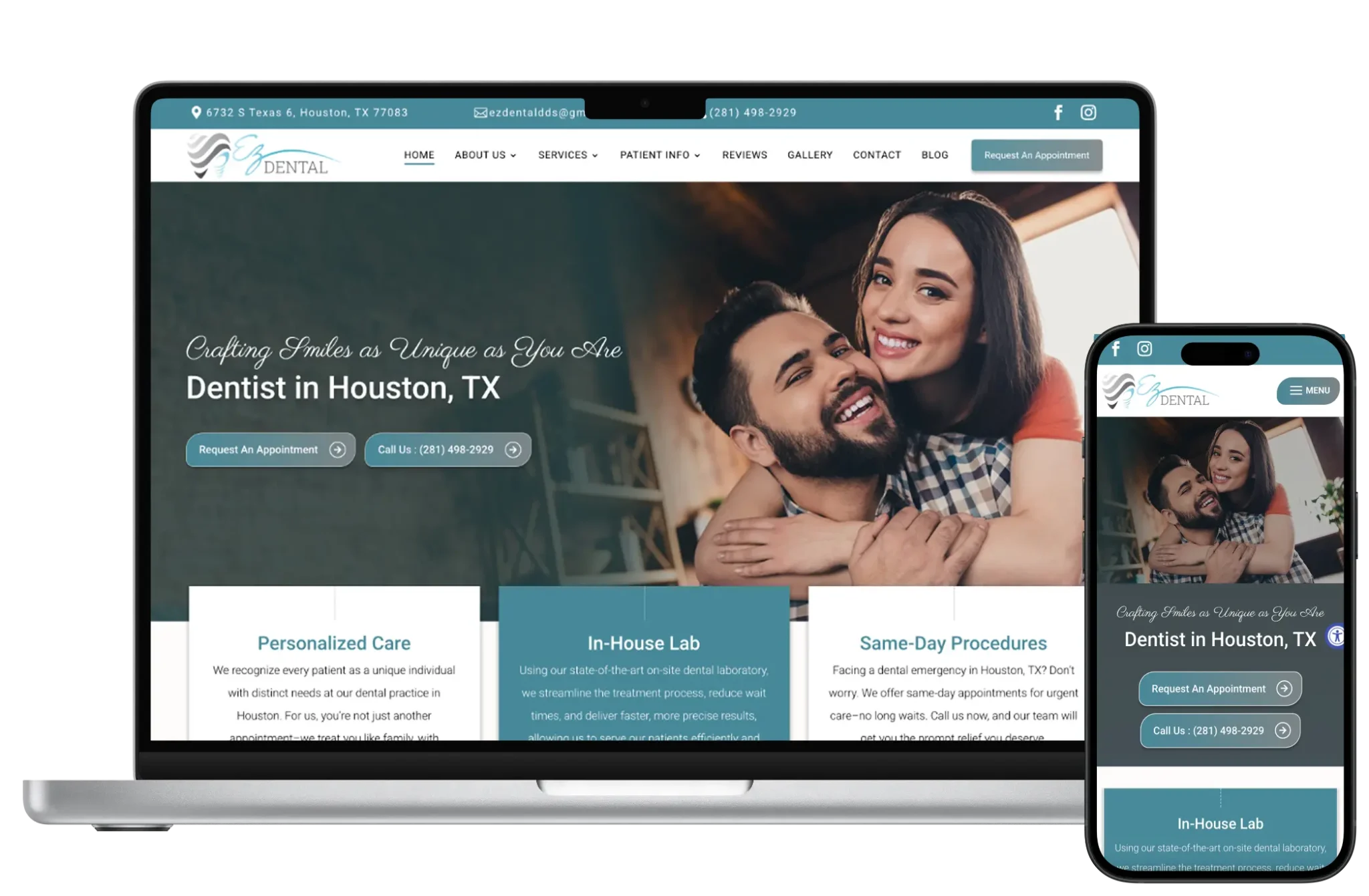
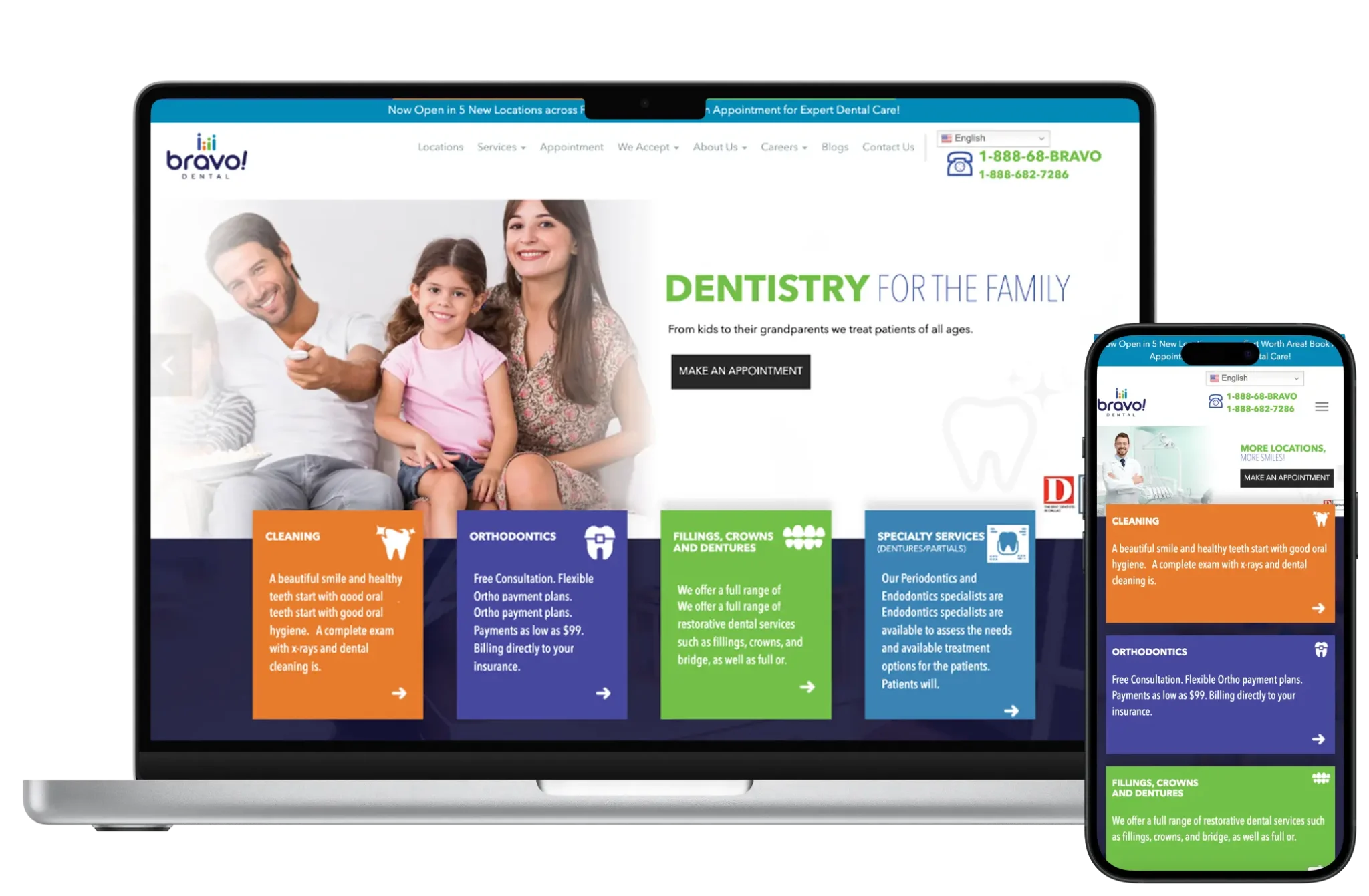
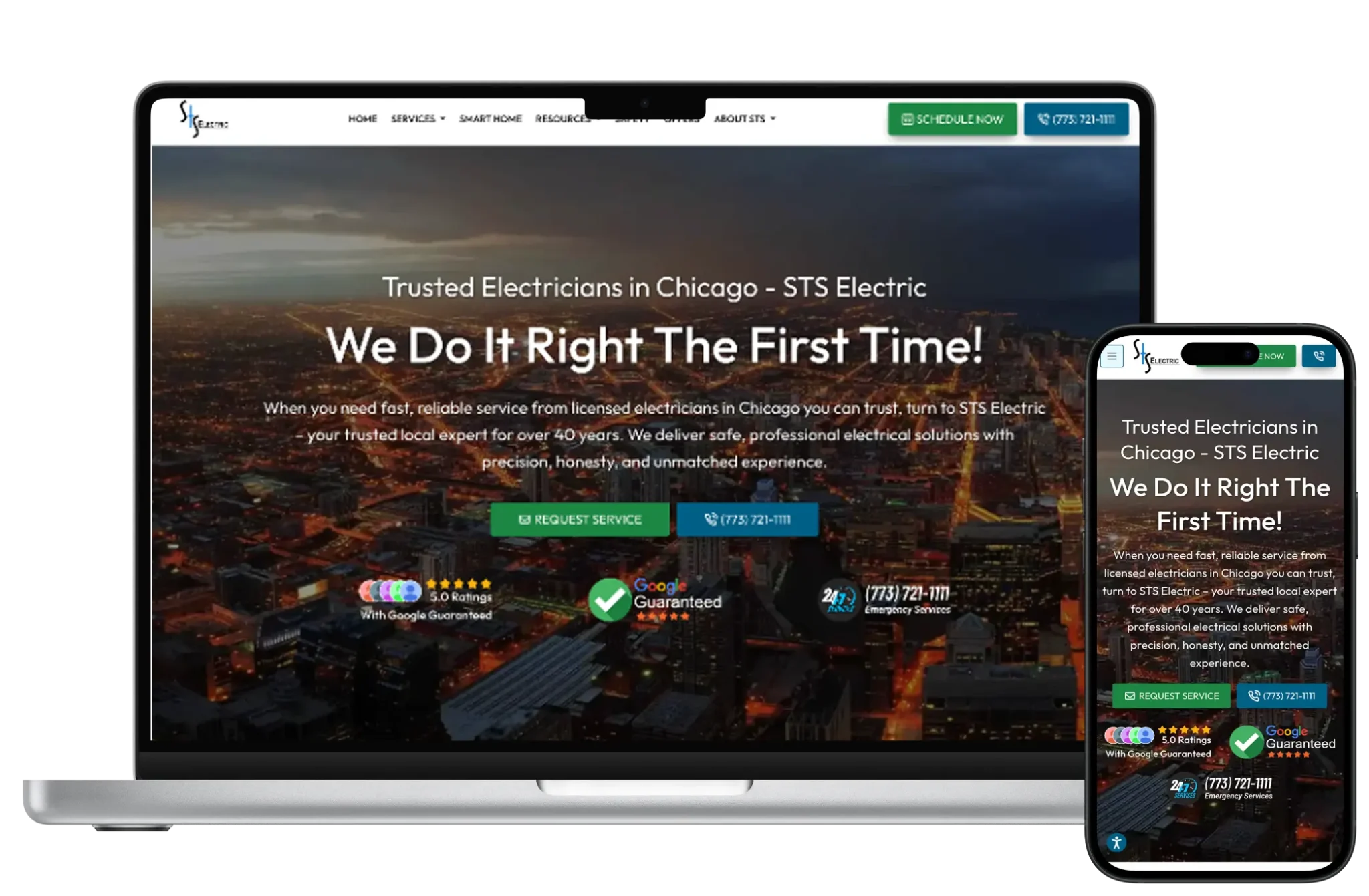
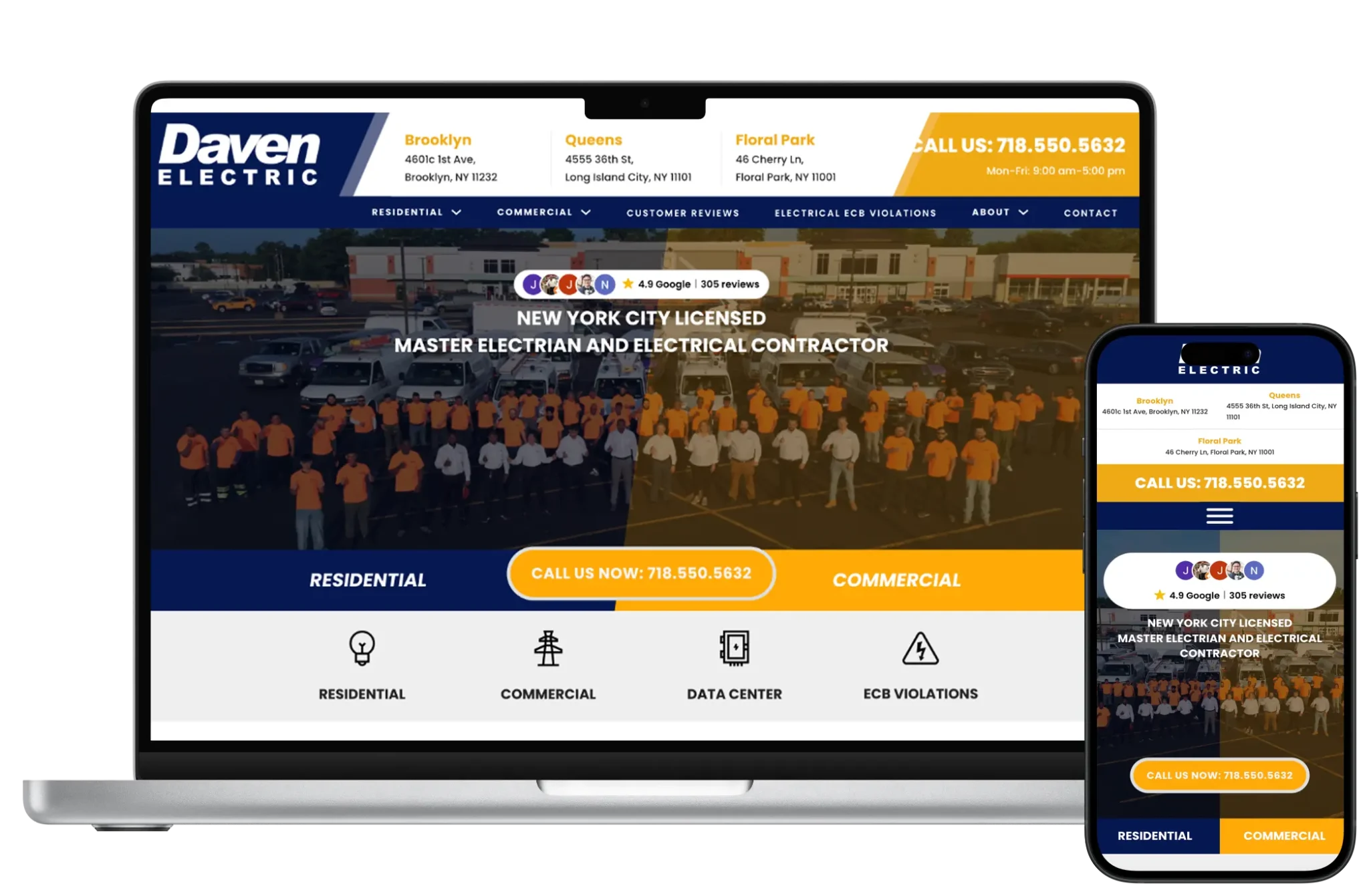
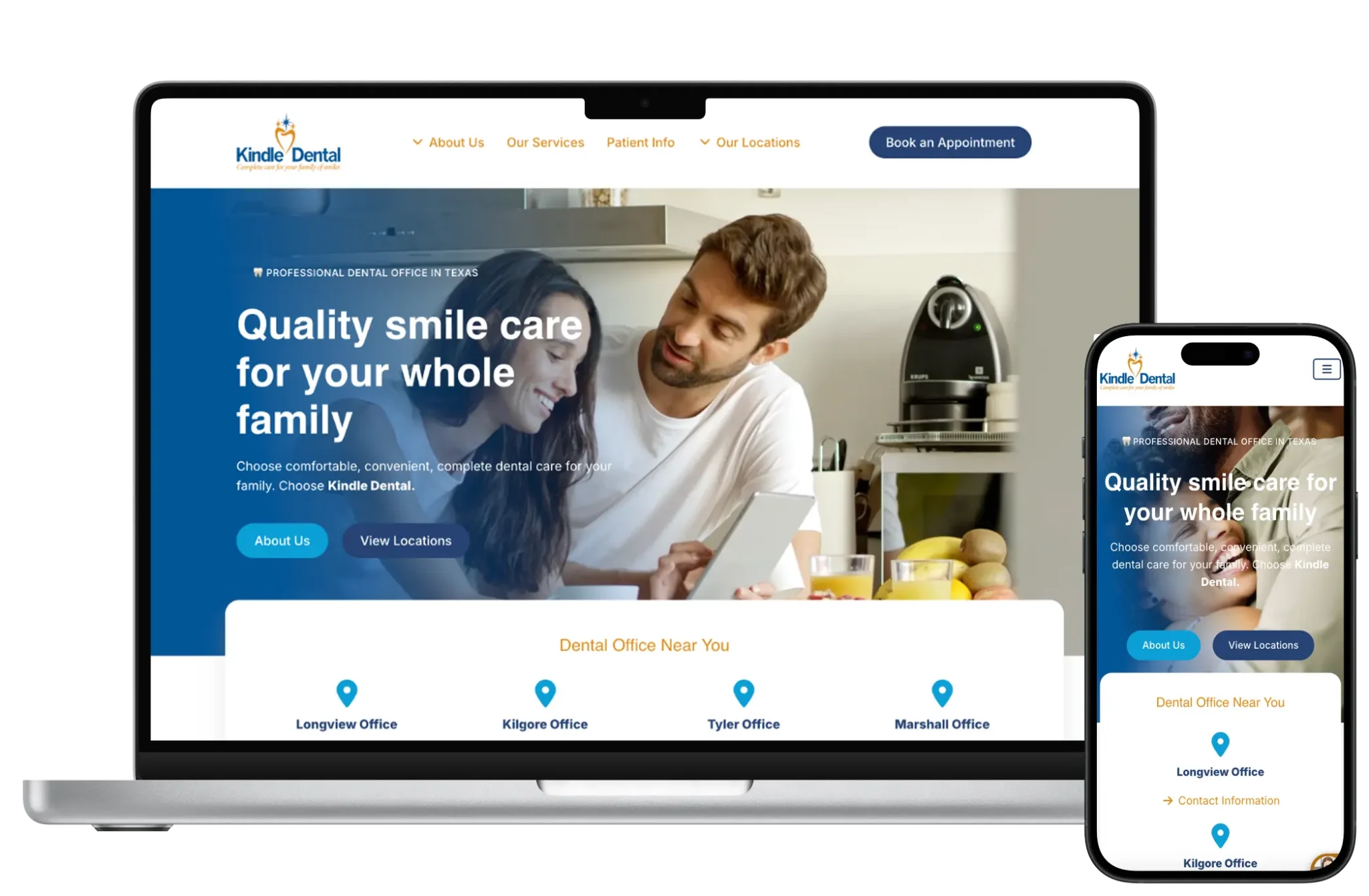
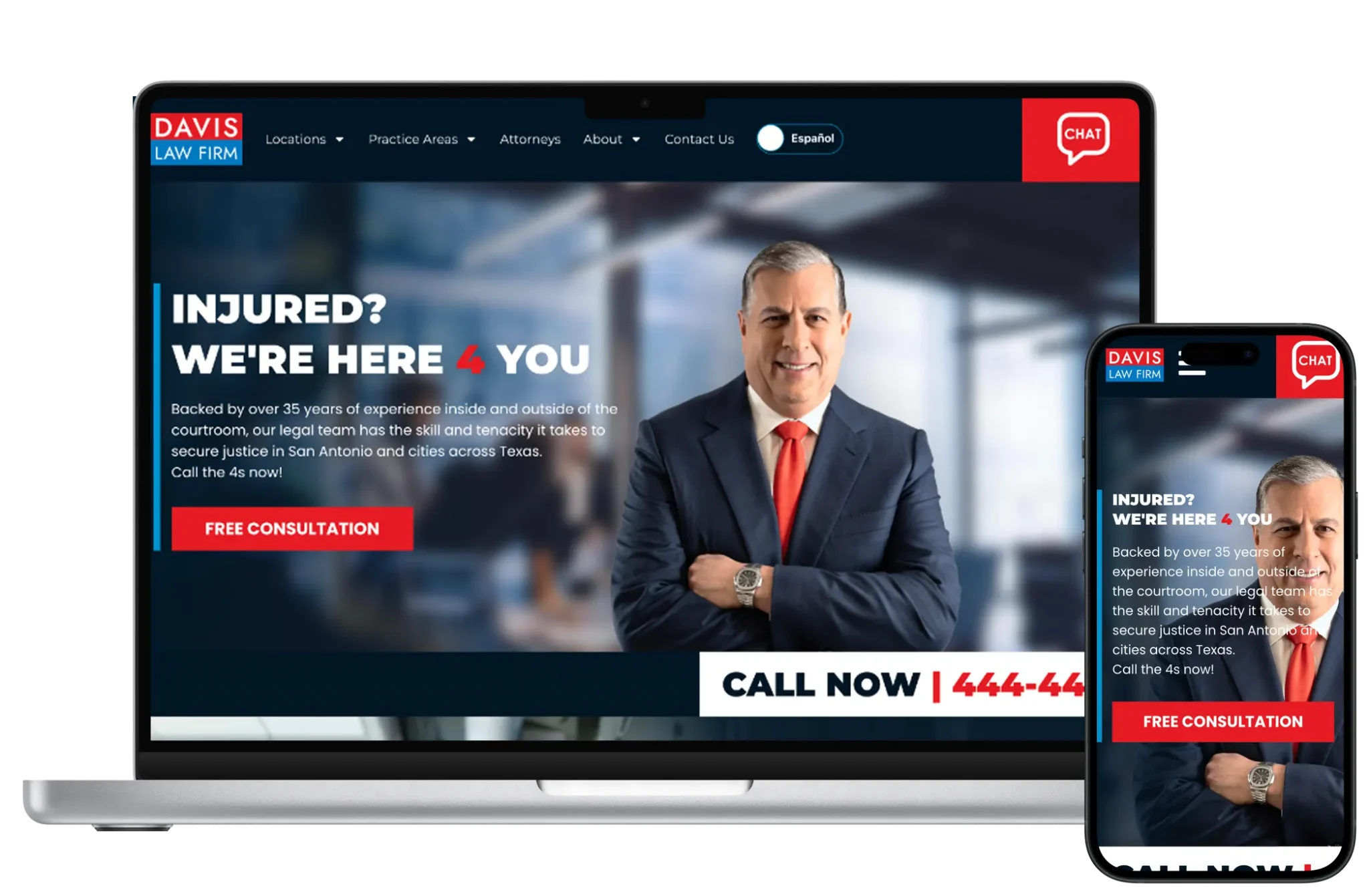
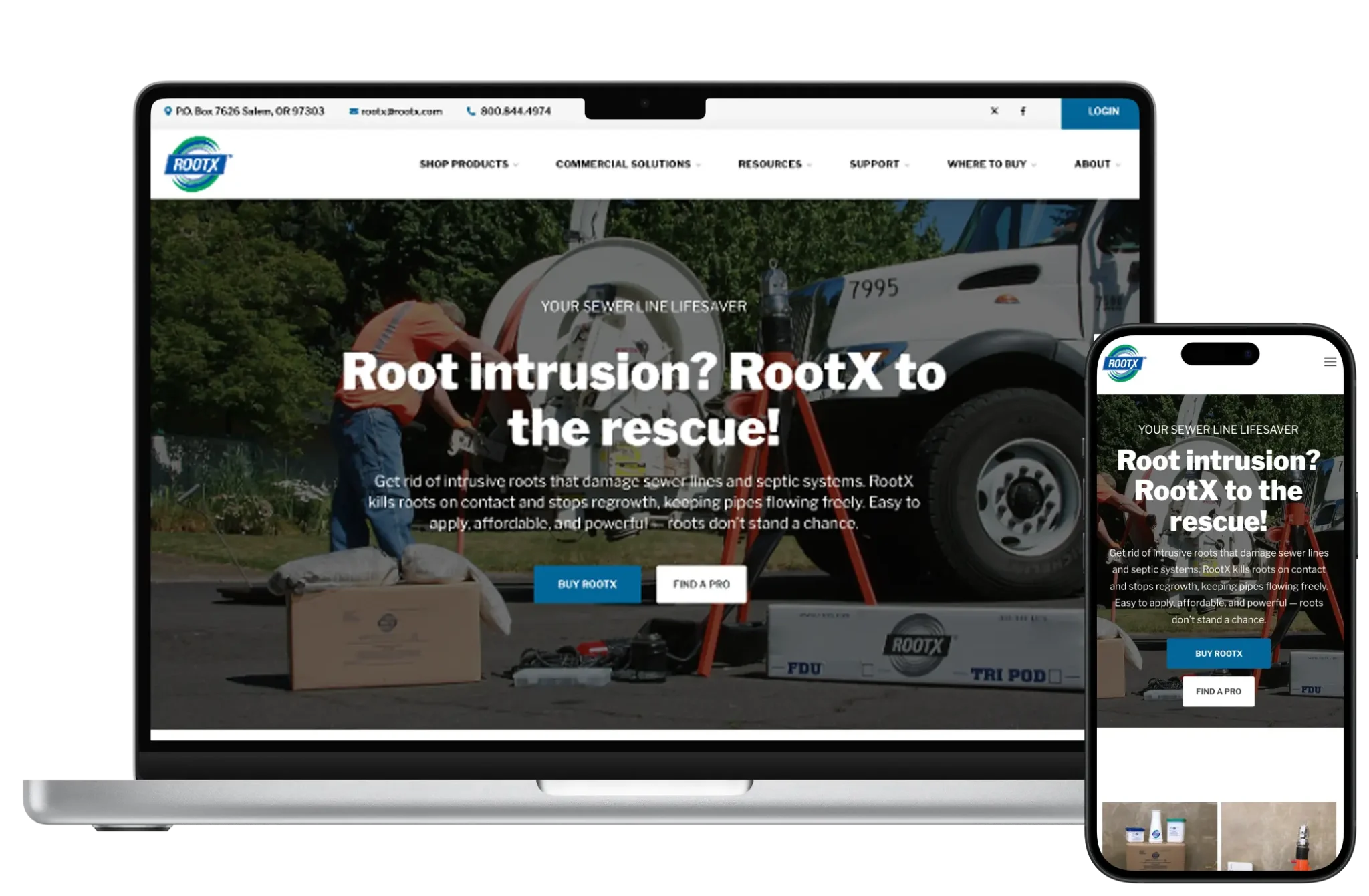
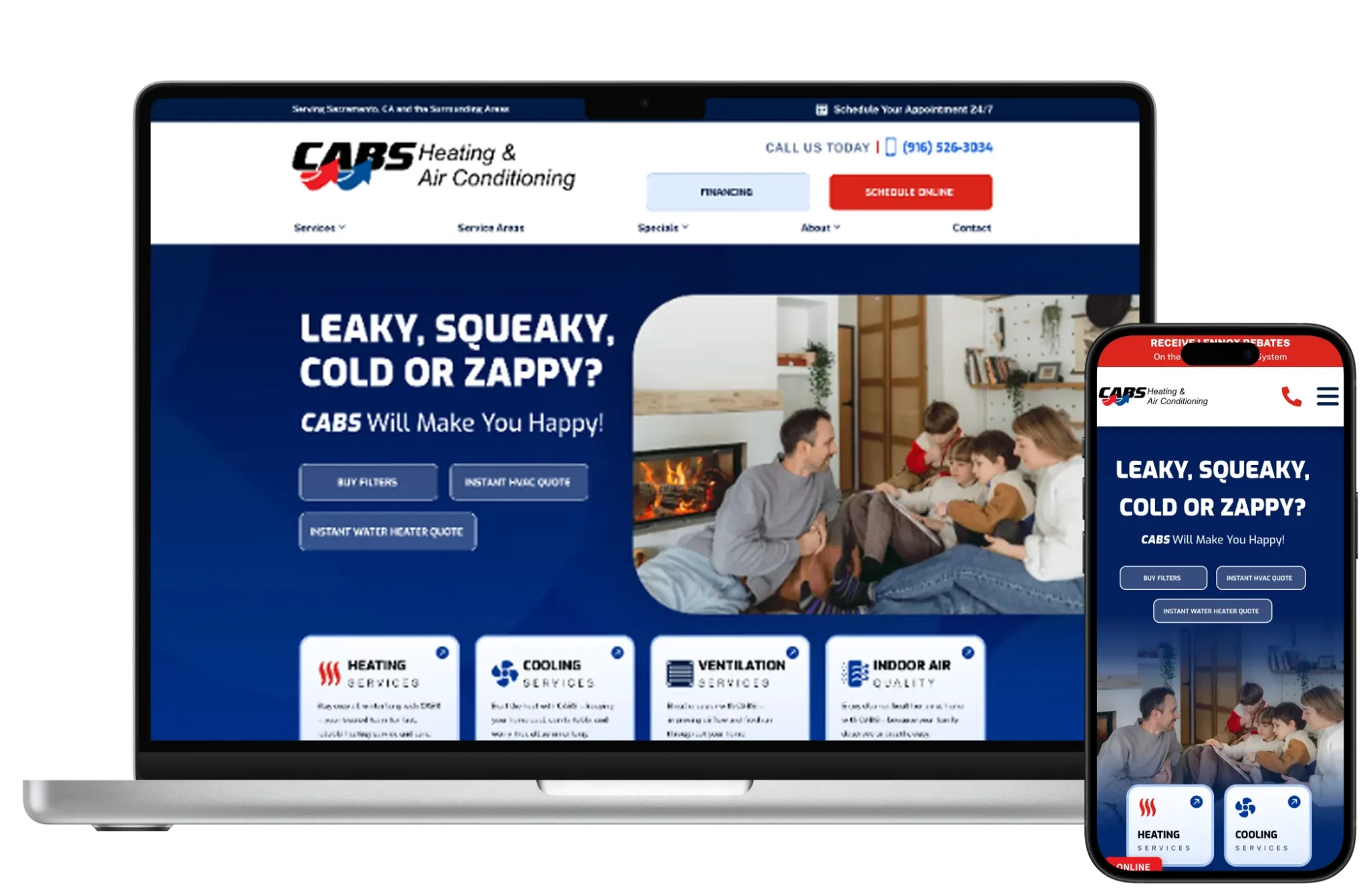
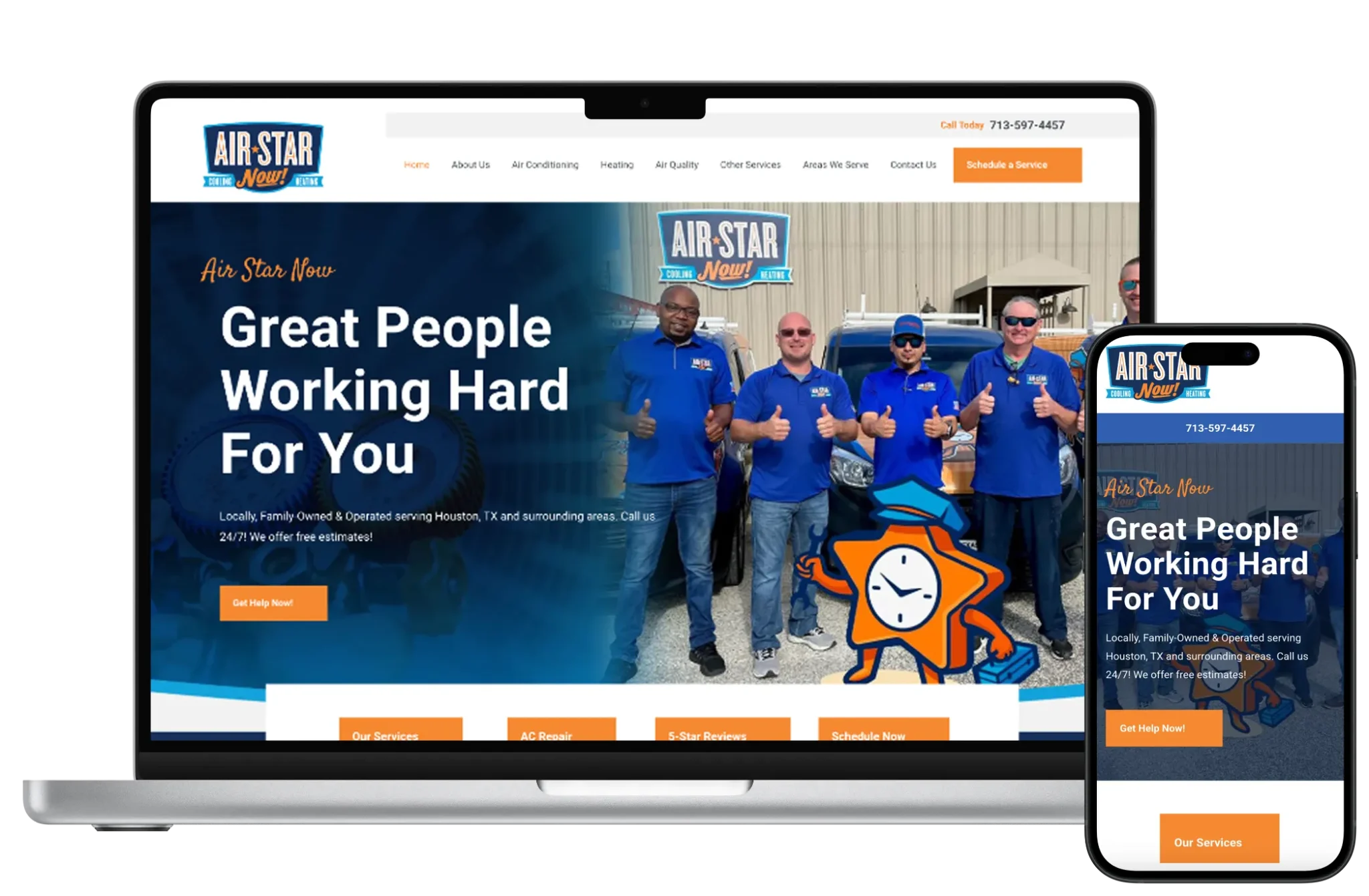
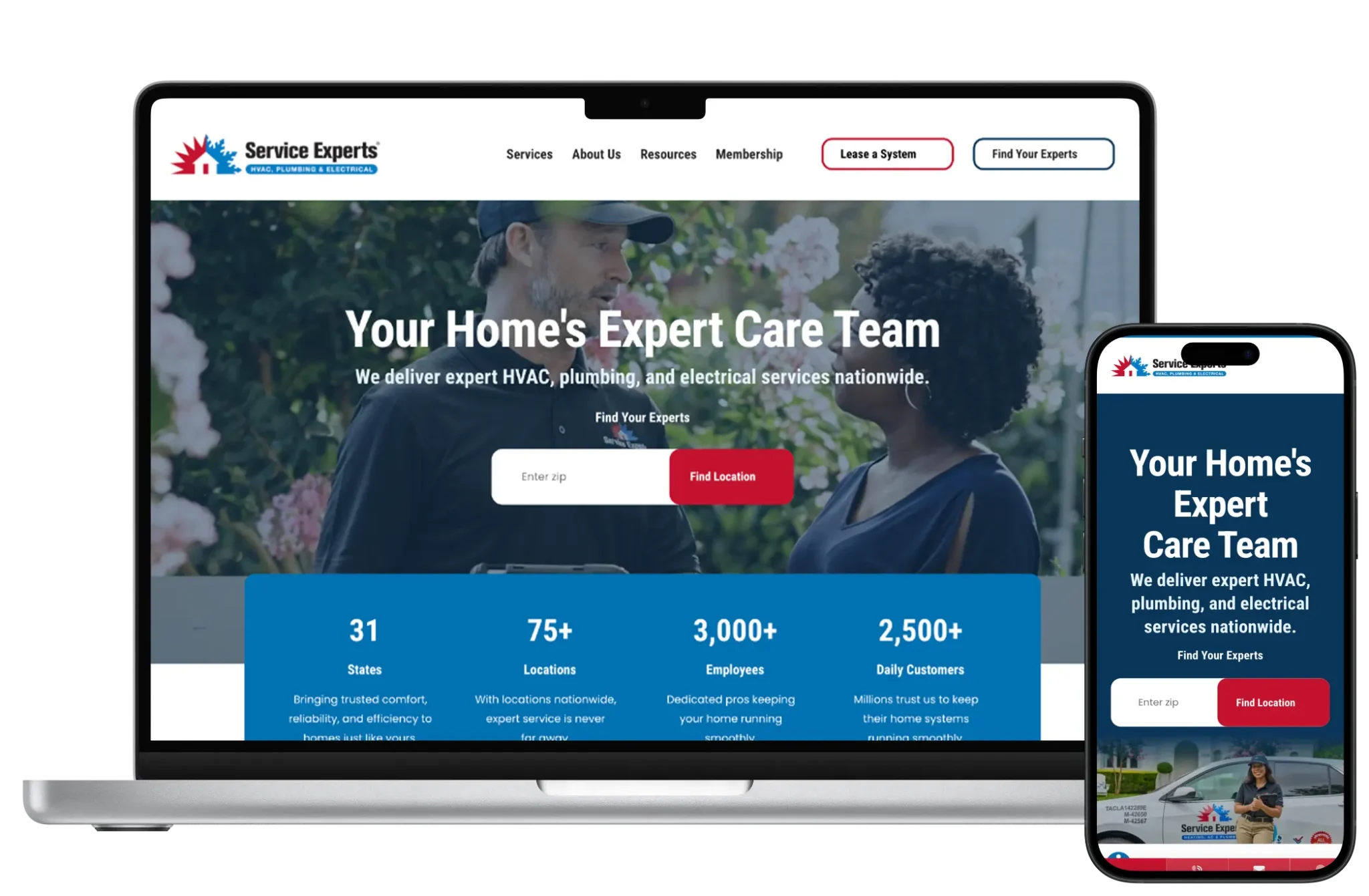
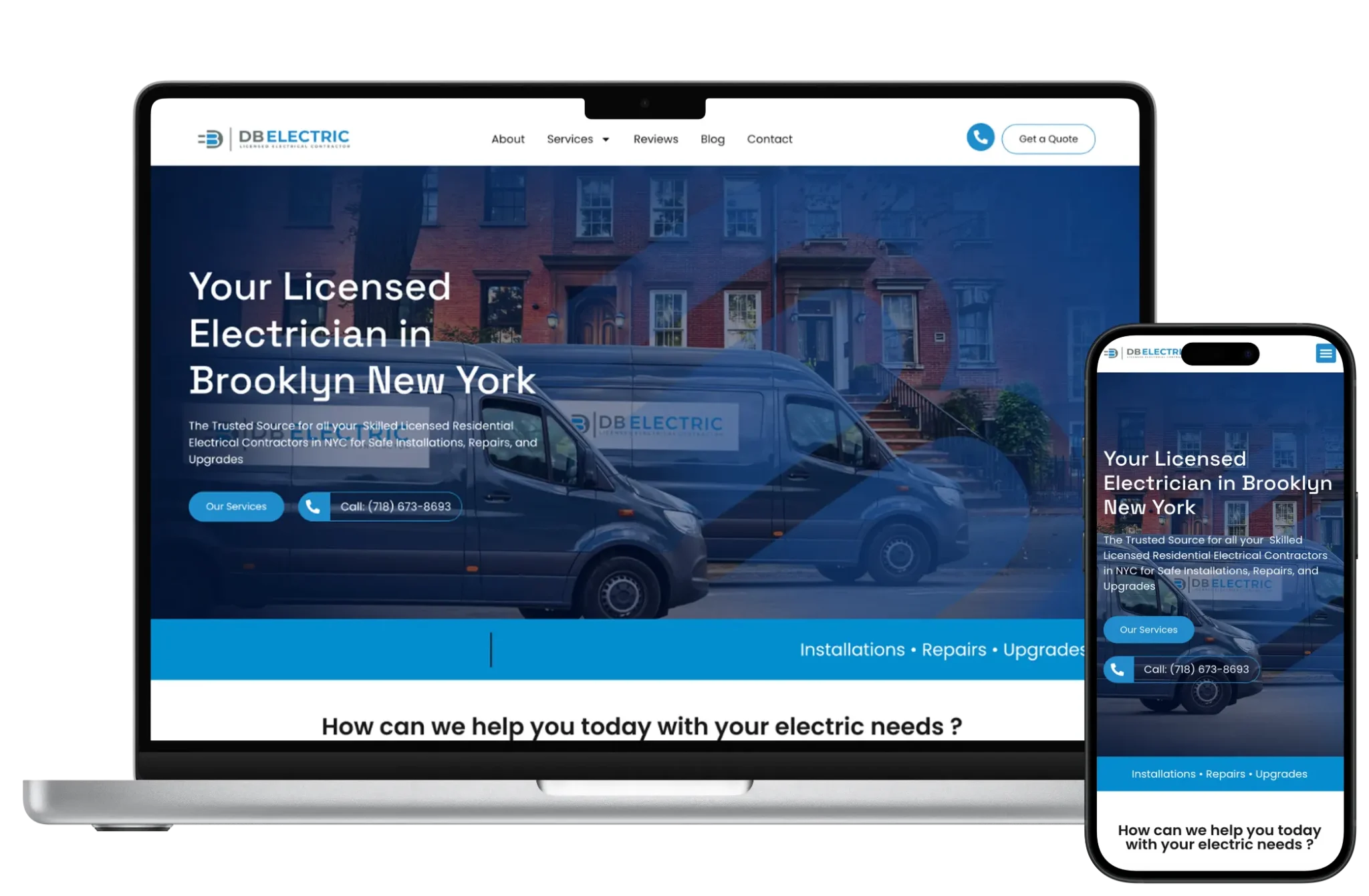
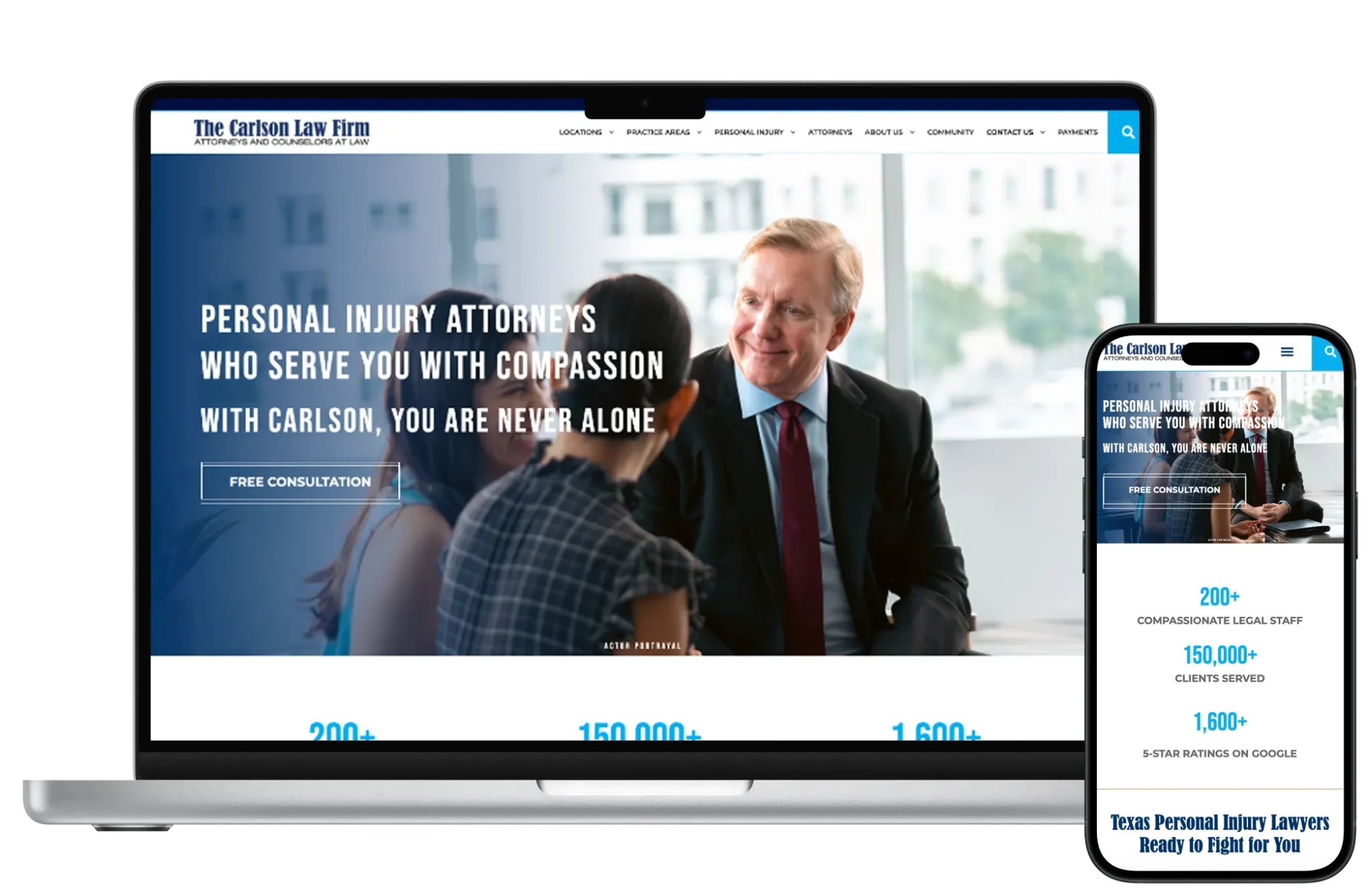
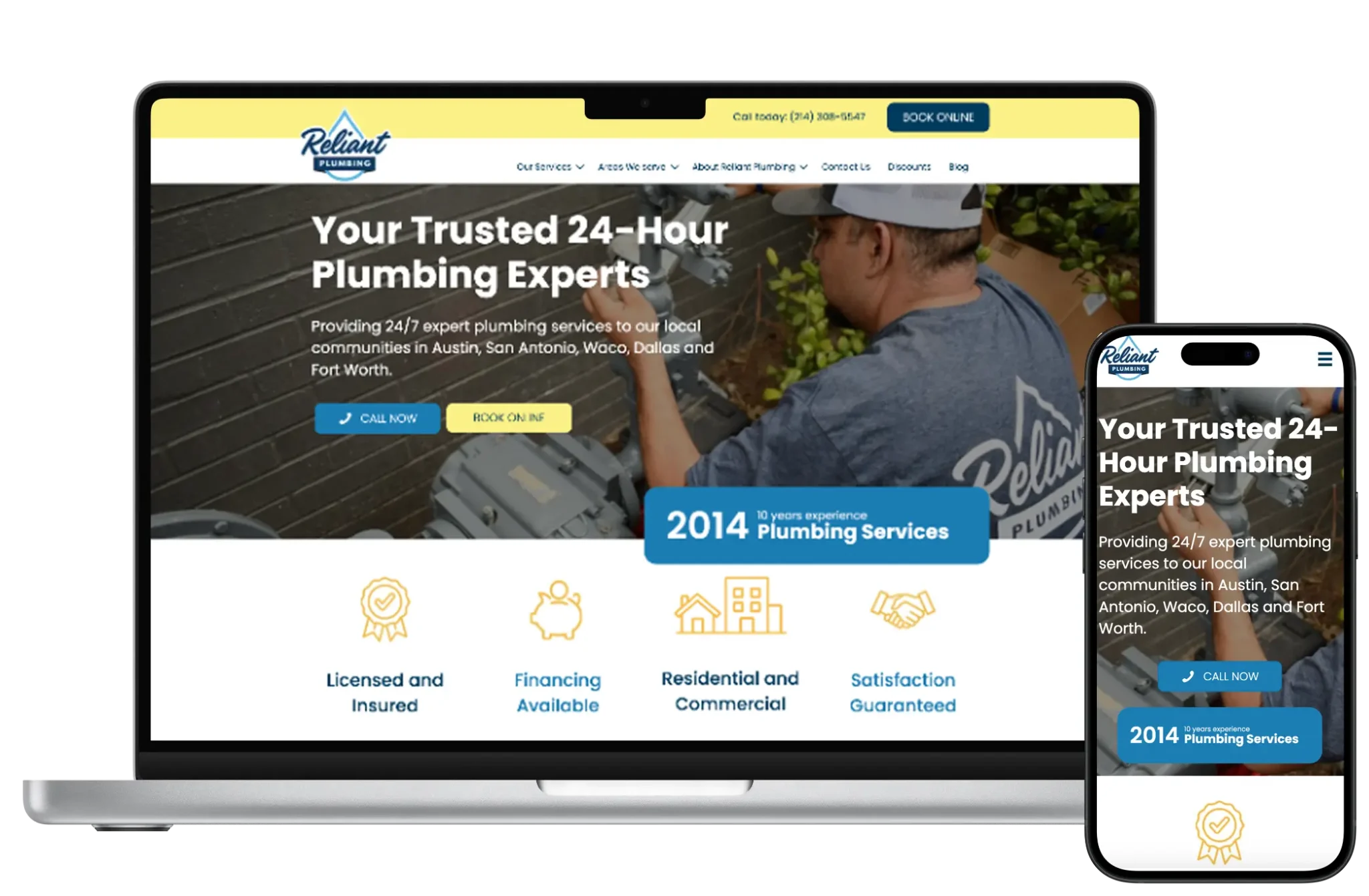
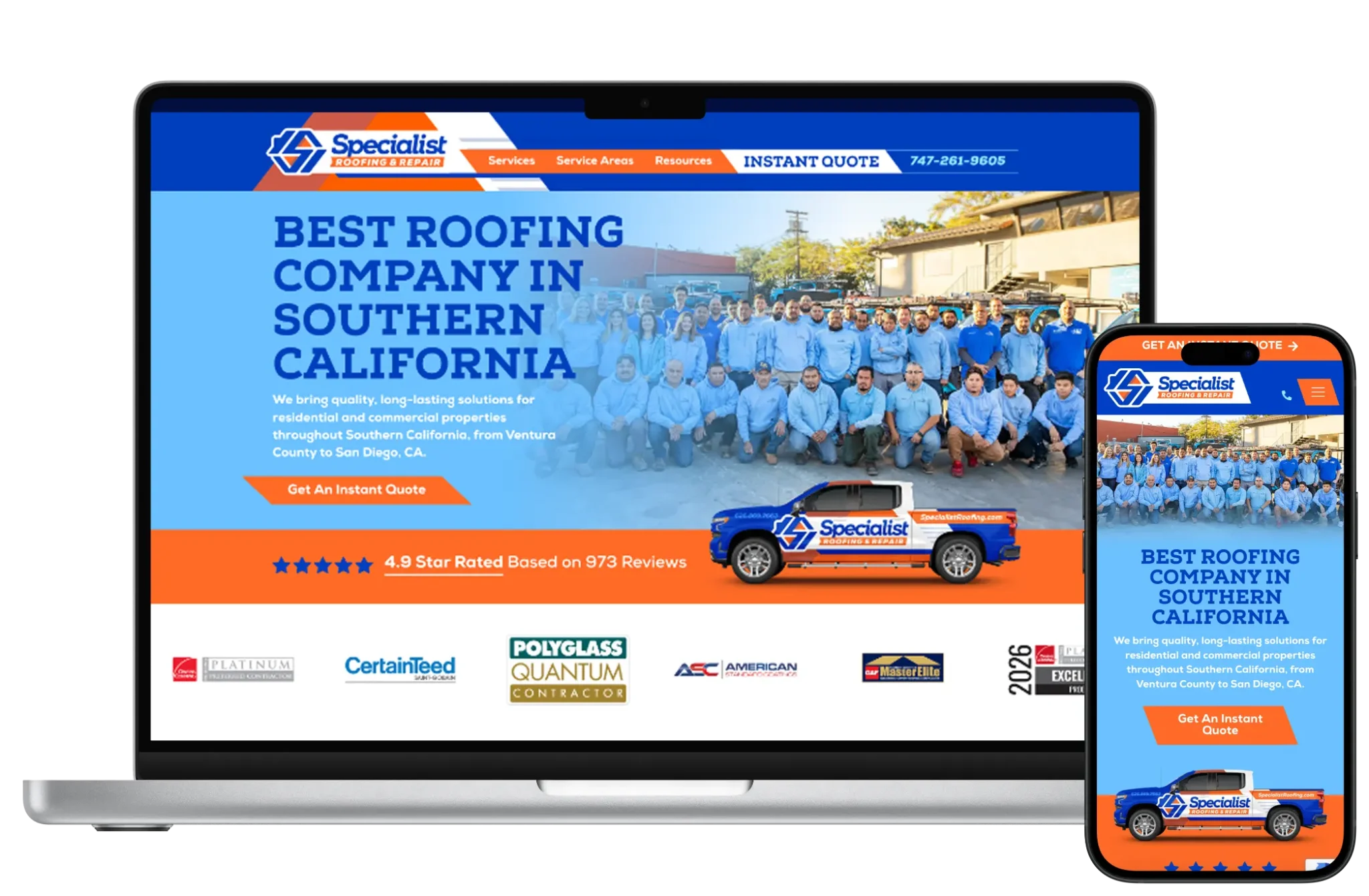
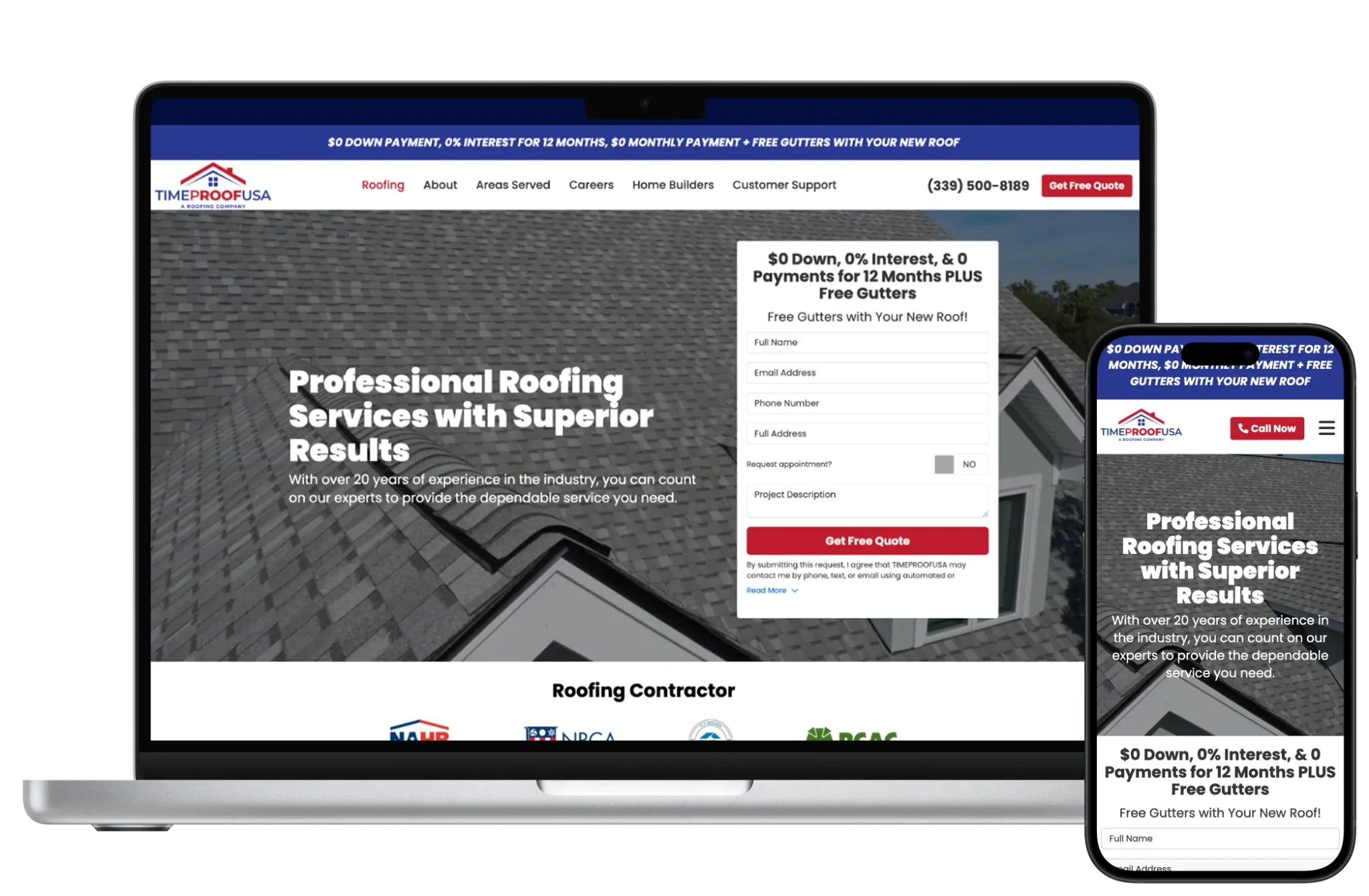
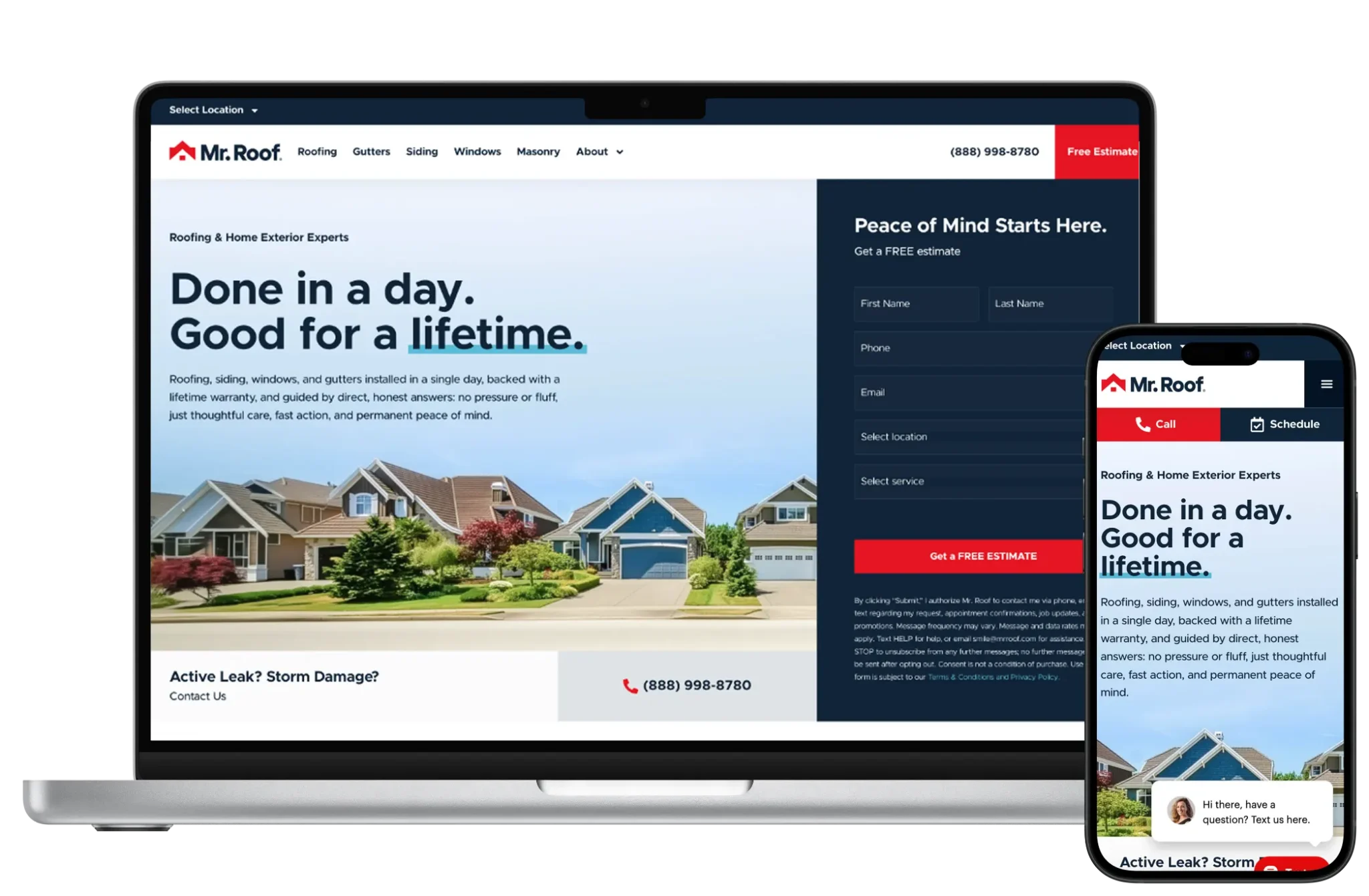
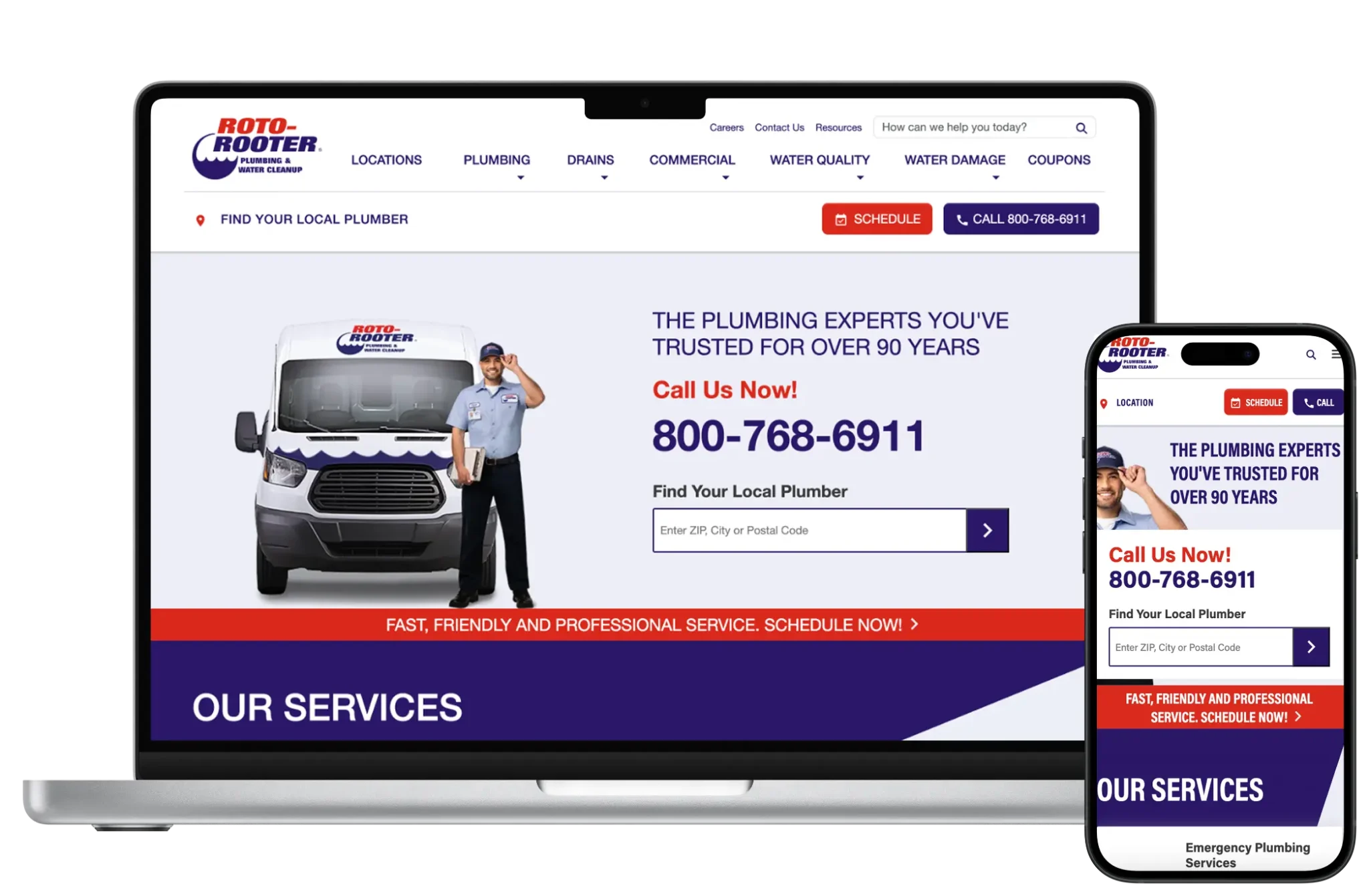
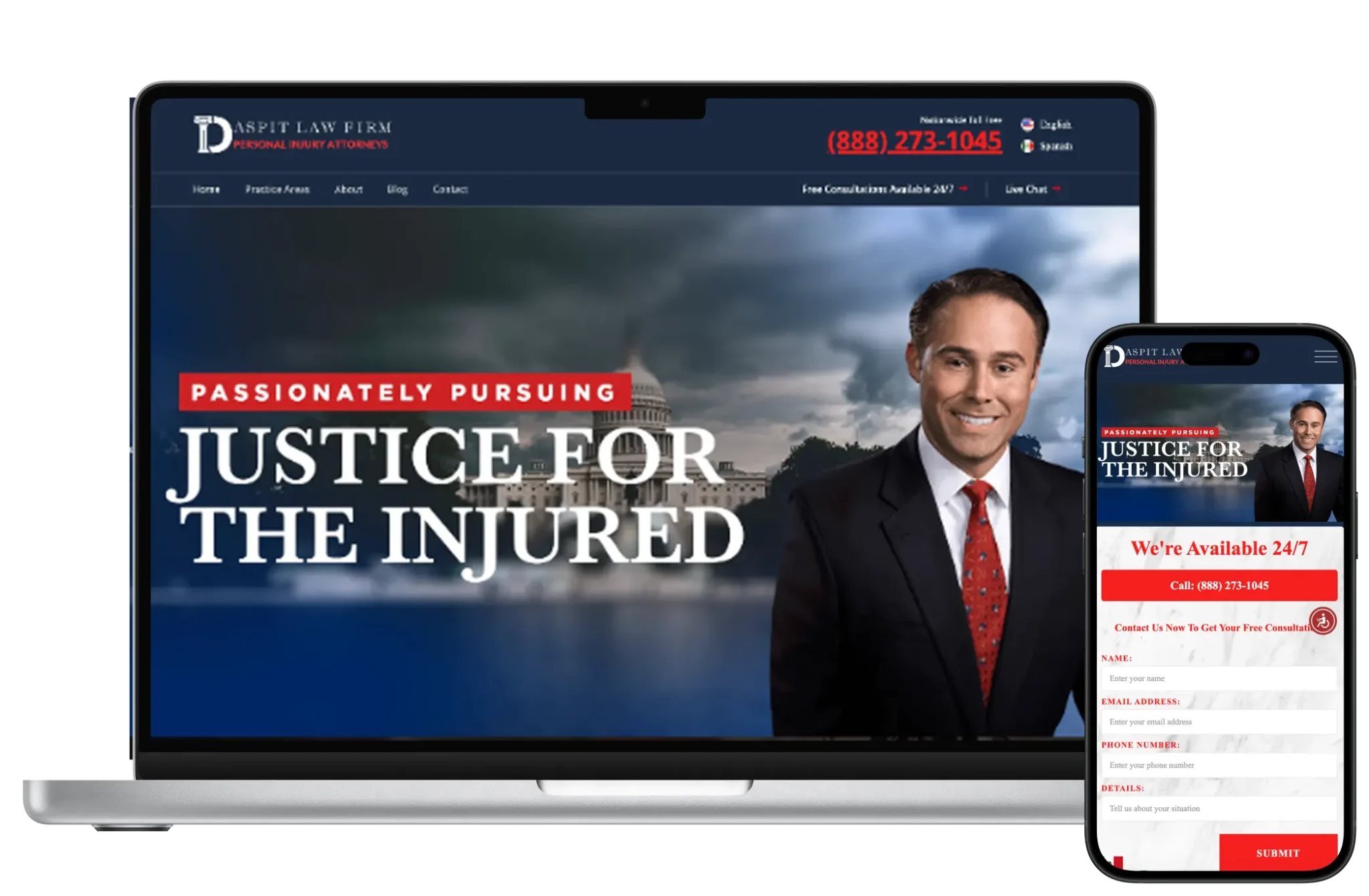
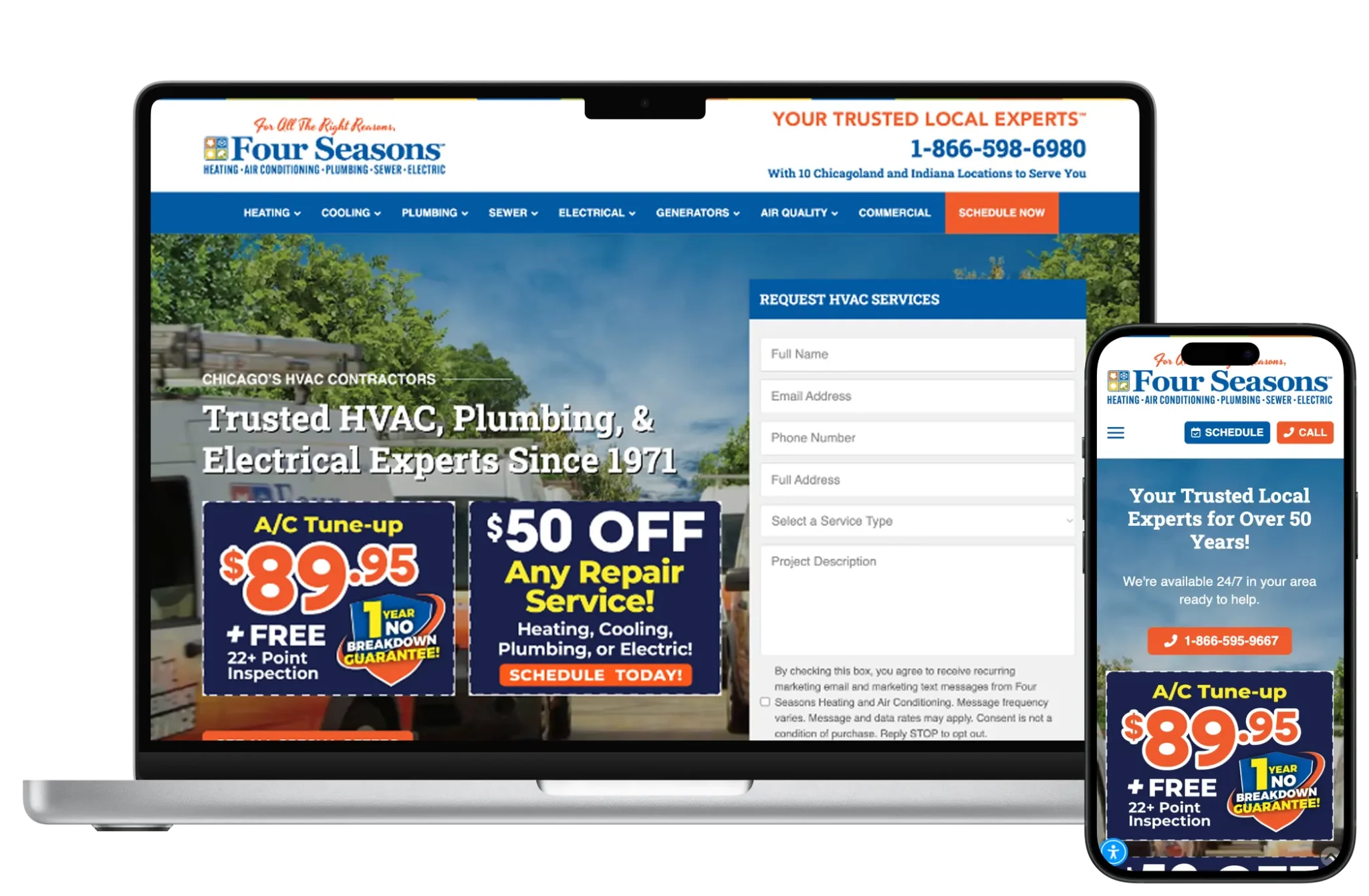
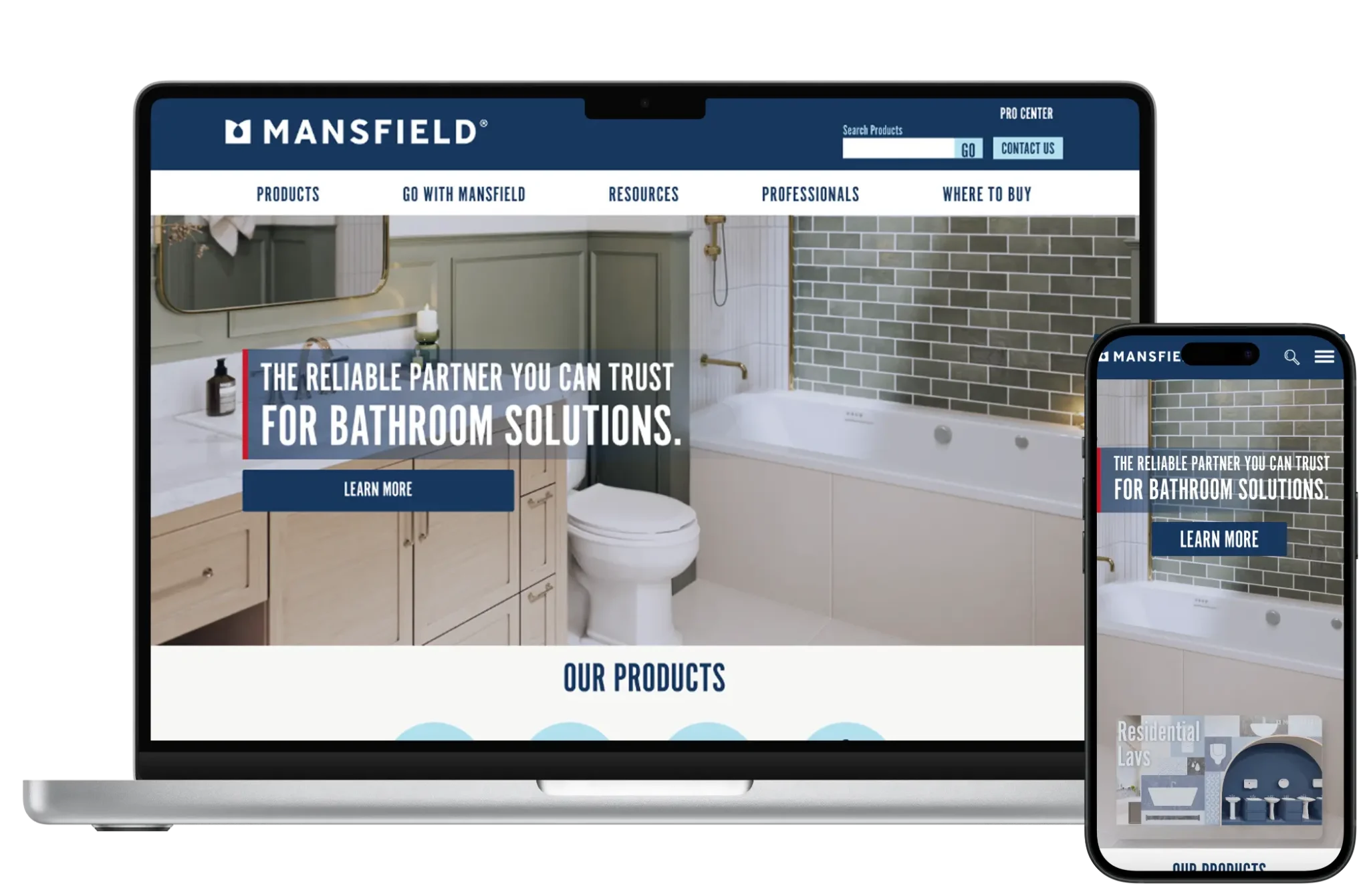
Read more →A look at website designs and layouts we build for service businesses — mockups and project types, not fabricated client claims.

Make start/end or service selection obvious on small screens.
Maps plus text alternatives for coverage clarity.
Separate forms for account-based sales.
Publish real assistance and cancellation rules.
Use real vehicles; update as the fleet changes.
Subscription maintenance for seasonal and operational shifts.
Consumer operators convert via bookings; B2B operators convert via account inquiries. Design CTAs accordingly.
Reduce steps to a price estimate or confirmation. Every extra screen loses mobile users.
Offer phone dispatch as a visible fallback during peak demand.

Target service-plus-geo queries with unique pages grounded in real coverage.
Technical SEO includes booking script performance and crawlable service content outside the app widget.
Helpful FAQs about luggage, wait times, and policies can capture long-tail searches.
We connect SEO work to technical SEO, on-page SEO, and — when local demand matters — local SEO. We do not promise specific rankings.

Transportation is inherently geographic—GBP categories, service areas, and route pages should match operations.
Avoid creating stop pages for every intersection; focus on meaningful markets and hubs.
We only recommend location pages when you genuinely serve the area and can add unique value — not doorway-page city spam. See Google Business Profile optimization.
Yearly plans that include design, development, maintenance and SEO foundations — without a large upfront project fee.
For small businesses that need a professional site without a large upfront build.
Best for local and service businesses ready to generate more leads every month.
For growing brands that need ongoing development, SEO and conversion work.
Large sites, complex integrations, multi-location brands and custom applications.
Most lead-focused Transportation Companies engagements fit Growth ($299/year) when local/organic acquisition matters. Simpler brochure sites may fit Starter ($199/year). Multi-location, custom integrations, or heavier development fit Pro ($399/year) or Enterprise.
Setup fees may apply for redesigns, migrations, or large content builds — always disclosed before kickoff. See transparent subscription pricing and how website subscriptions work.
Full notes for challenges, strategy and supporting pages — so the sections above stay scannable.
Define primary rider or shipper personas and build navigation around how they choose services—by trip type, by account type, or by specialty need.
Place booking or quote CTAs in persistent, mobile-friendly patterns. If you are B2B-first, do not fake consumer booking widgets.
Keep route and service updates on a monthly cadence under subscription so operational changes do not wait for a redesign.
Typical tools and workflows we plan around for Transportation Companies:
Platform choice often lands on WordPress for service businesses, or Shopify / WooCommerce when commerce is central.
Many customers still discover and diligence on the web. The site feeds app installs and corporate deals the app store page cannot explain.
That is exactly why subscription maintenance beats a static brochure. We update what operations changes.
No. We improve discovery and conversion foundations without ranking or volume guarantees.
Straight answers about scope, pricing, ownership and what a subscription includes for this page.
Yes in most cases via embed, deep link, or API-assisted flows depending on the vendor.
Use accurate maps plus readable lists. Accessibility and SEO both benefit from text coverage details.
Usually yes—procurement cares about contracts, invoicing, and SLAs differently than individual riders.
Yes, especially for rider markets where language access affects bookings.
We can integrate vendor widgets when you have them. We will not fake live tracking.
Yes for geographically bounded services. National brands still need accurate local entities for hubs.
Scheduled content updates under the subscription keep pages aligned with operating calendars.
It can, with a clear careers path—similar to trucking dual-audience patterns when relevant.
Yes, with attention to booking continuity and redirects so riders are not stranded.
Transportation websites with honest coverage, booking paths, and monthly operational updates.