

Who Gutenberg is for
Gutenberg fits content-driven WordPress sites, organizations standardizing on native tools, and brands that want editor training against WordPress…
Read more →Gutenberg (WordPress editor)
Gutenberg is WordPress’s native block editor — the default way modern WordPress assembles pages, posts, and increasingly full site templates via block themes. 66sites builds Gutenberg-first…

Gutenberg is WordPress’s native block editor — the default way modern WordPress assembles pages, posts, and increasingly full site templates via block themes. 66sites builds Gutenberg-first experiences when we want fewer third-party builder dependencies, clearer long-term ownership, and leaner front ends than typical Elementor stacks.
Choosing Gutenberg is choosing WordPress’s own editing model: patterns, synced patterns, template parts, and custom blocks when needed. It feels less like Webflow’s canvas and less like Elementor’s widget store — more like structured publishing with design constraints. That can frustrate teams addicted to absolute visual freedom; it delights teams who want editors to stay inside a system.
We still reach for Bricks or Elementor when the project truly needs them. Gutenberg is our preference when native capabilities cover the design system and performance budget without extra licenses.
Practical website, conversion and SEO work tailored to how your buyers actually decide.
Gutenberg fits content-driven WordPress sites, organizations standardizing on native tools, and brands that want editor training against WordPress…
Read more →
Native to WordPress — fewer builder licenses and fewer competing update cycles.Block patterns and template parts encourage reusable design…
Read more →
Visual control can feel stricter than Elementor or Webflow for pixel-pushers.Complex layouts may need custom blocks — which is real engineering, not…
Read more →A look at website designs and layouts we build for service businesses — mockups and project types, not fabricated client claims.
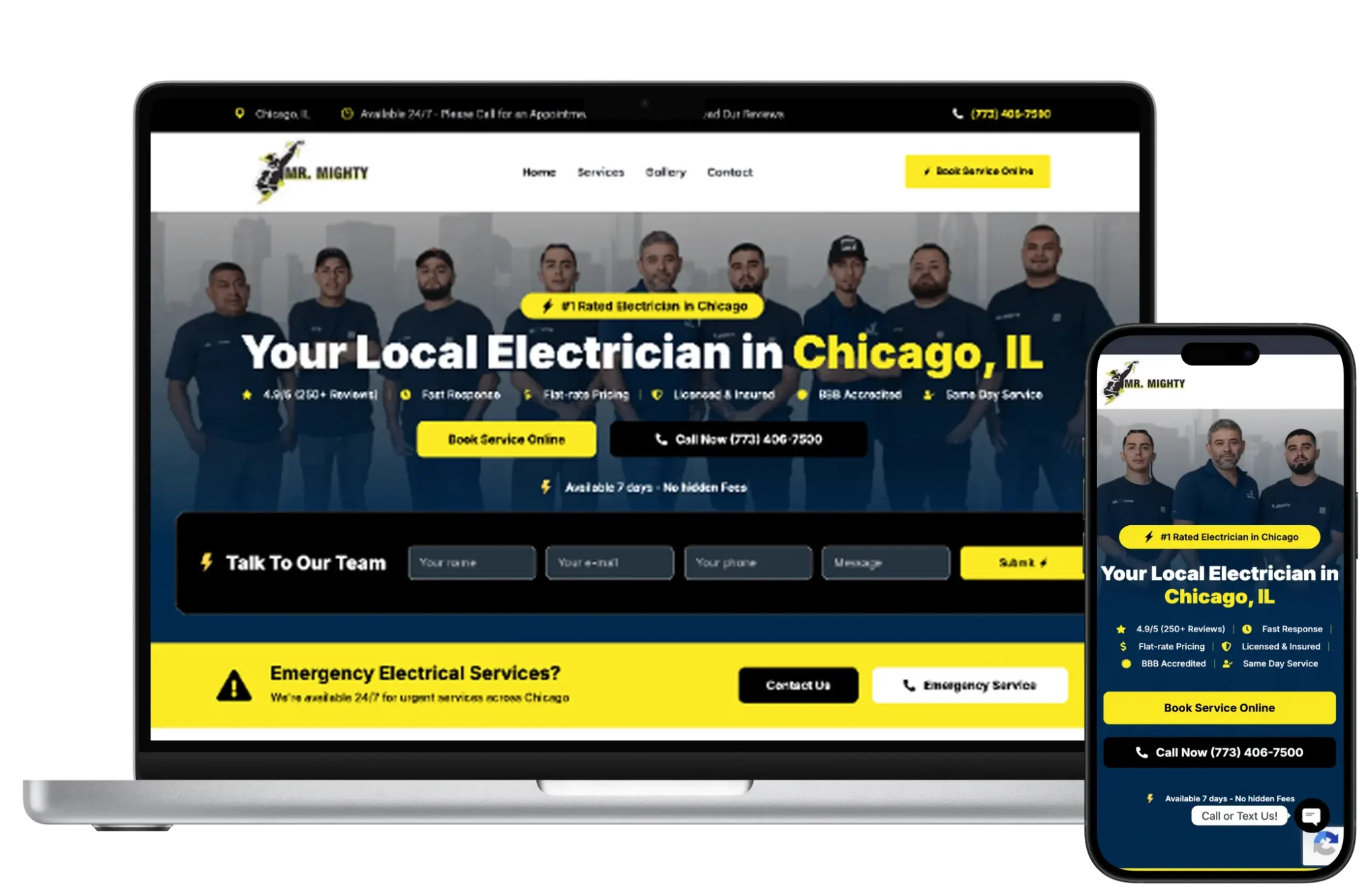
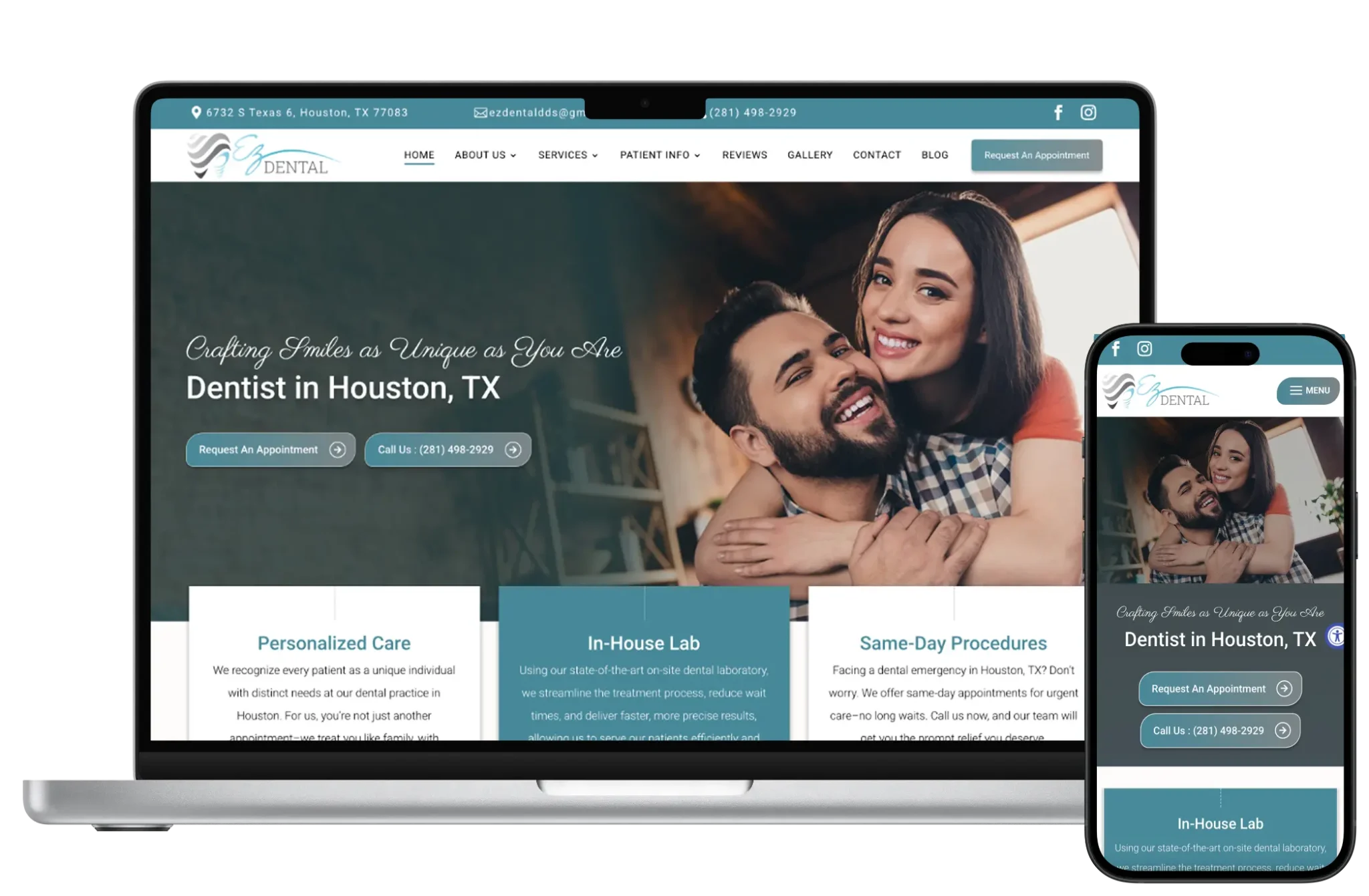
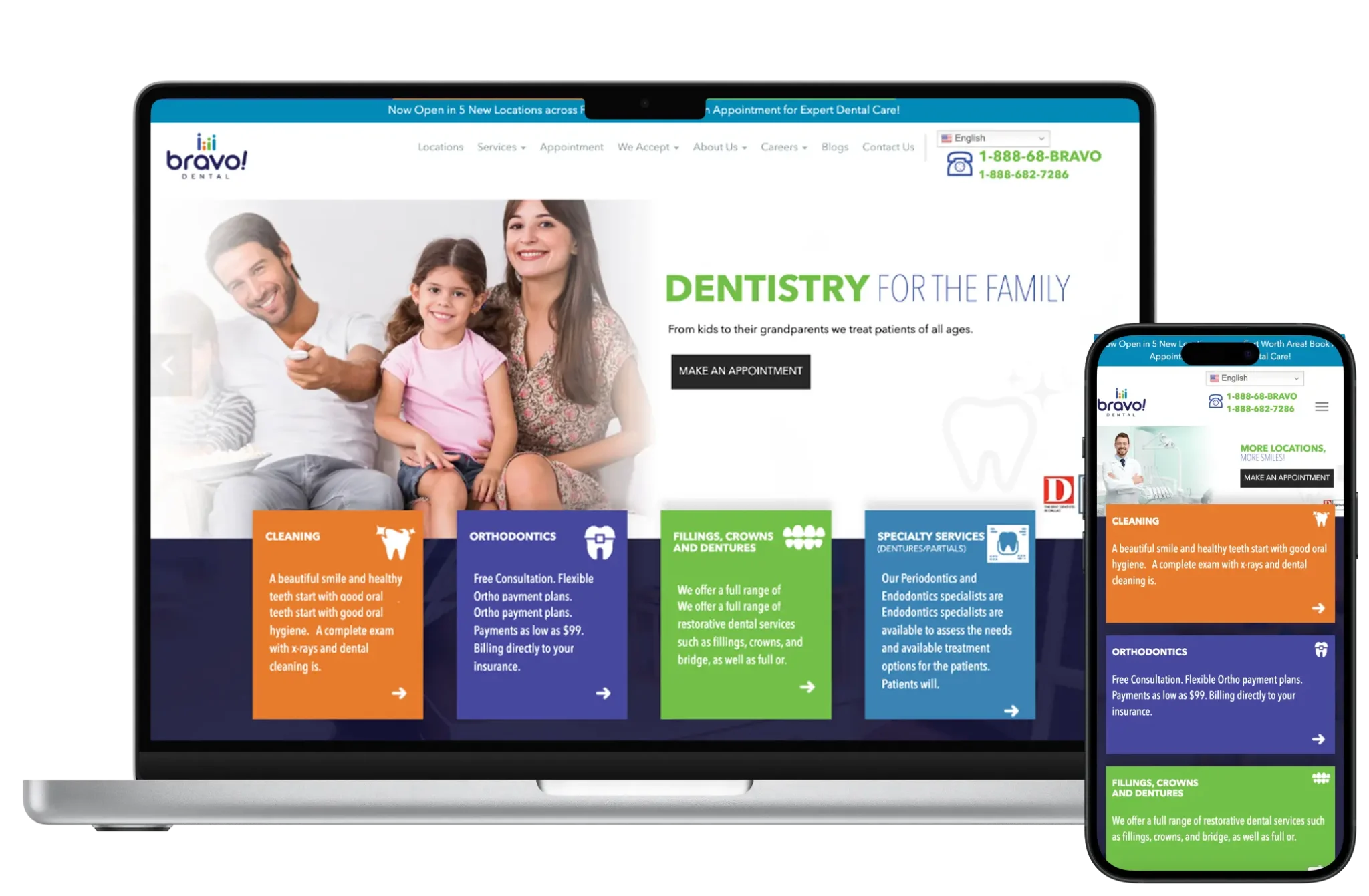
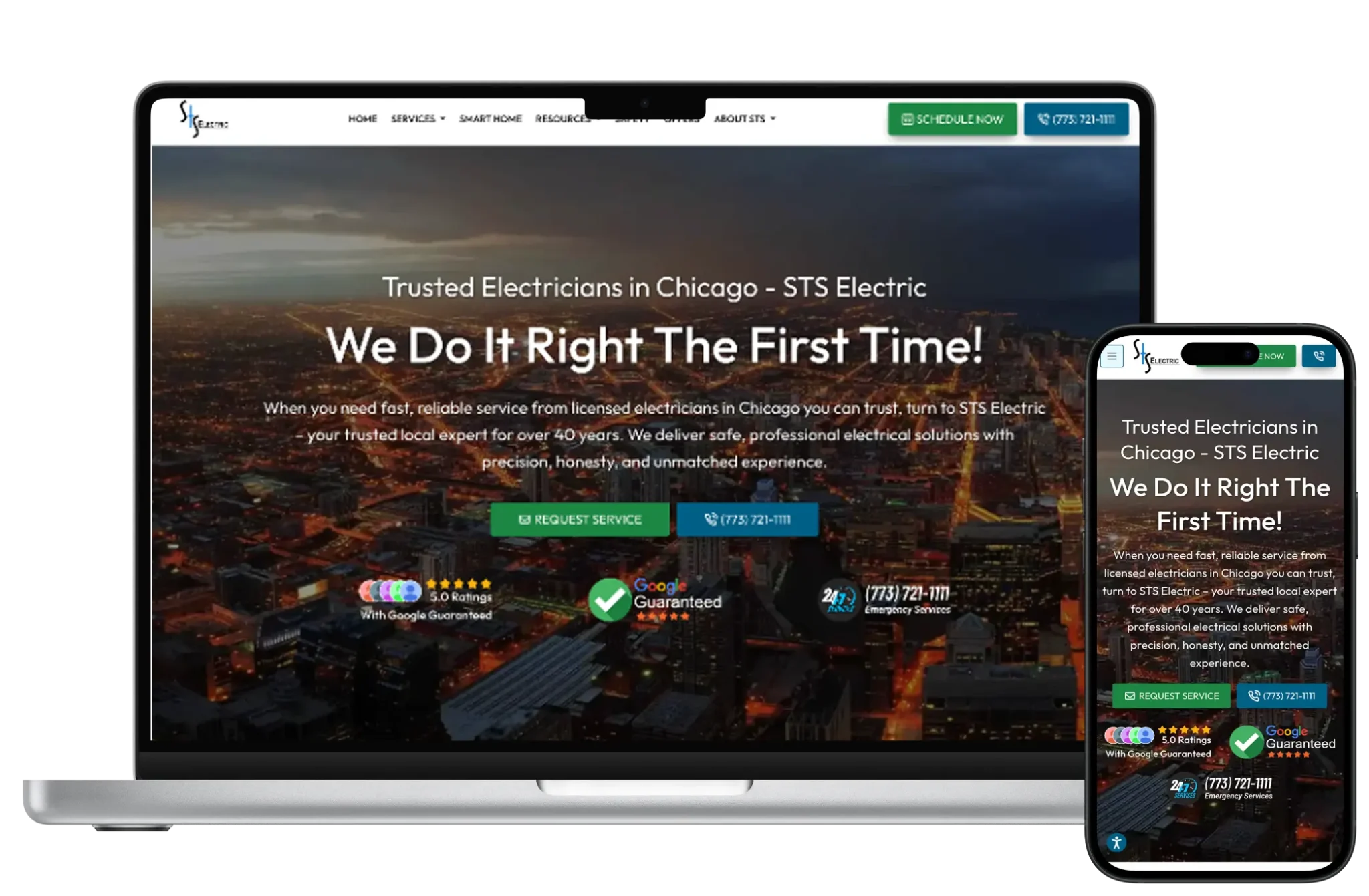
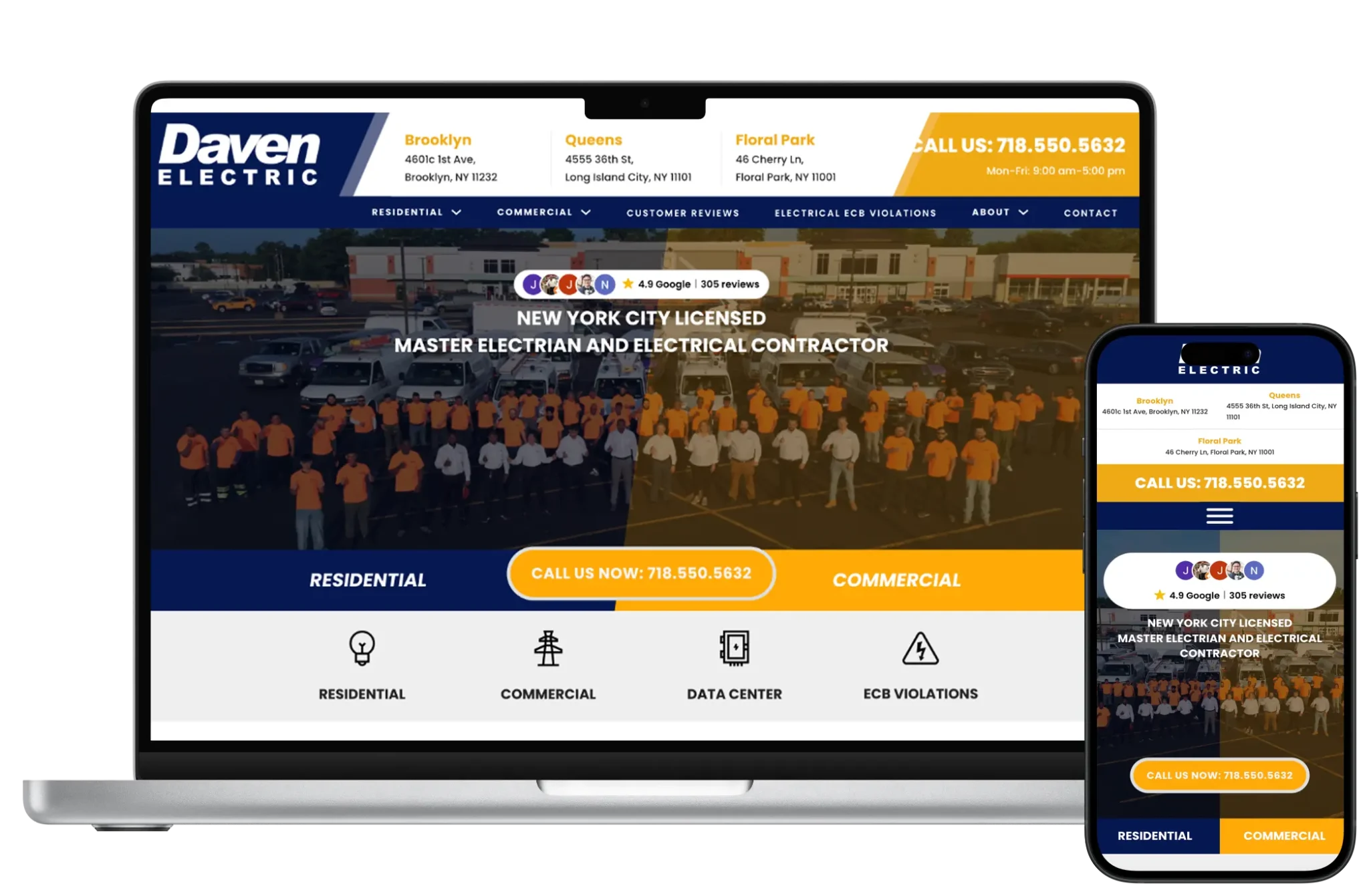
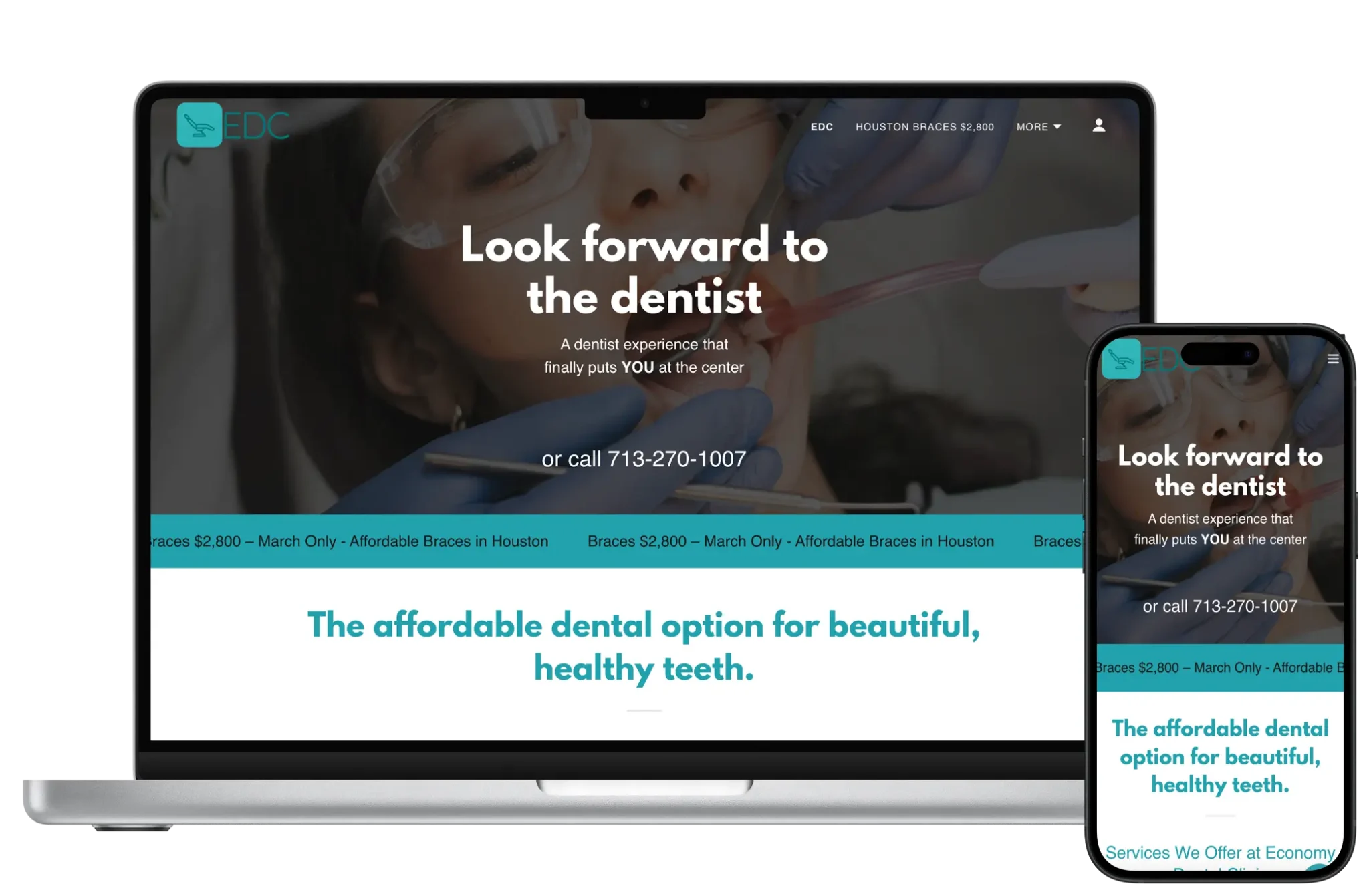
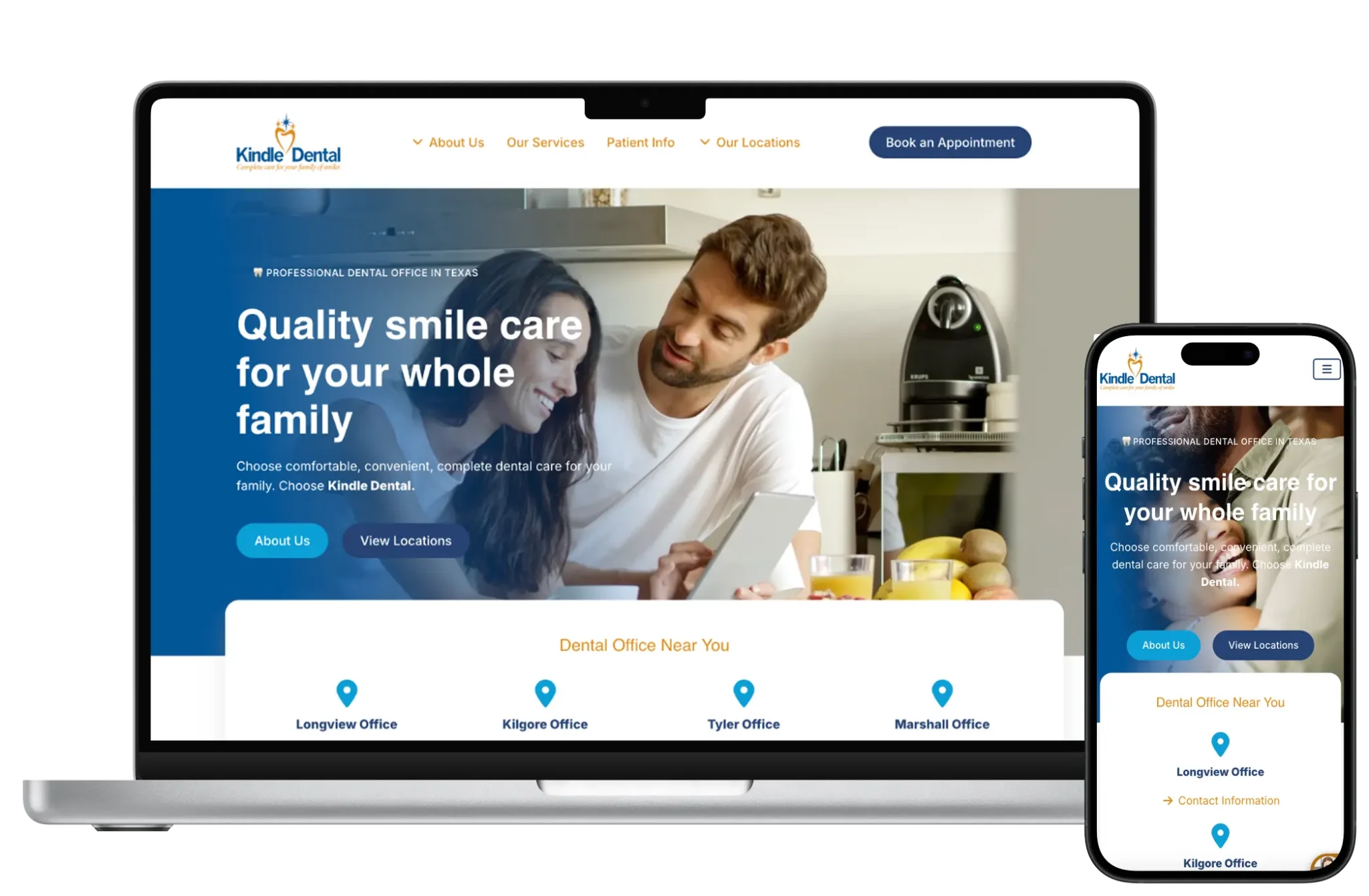

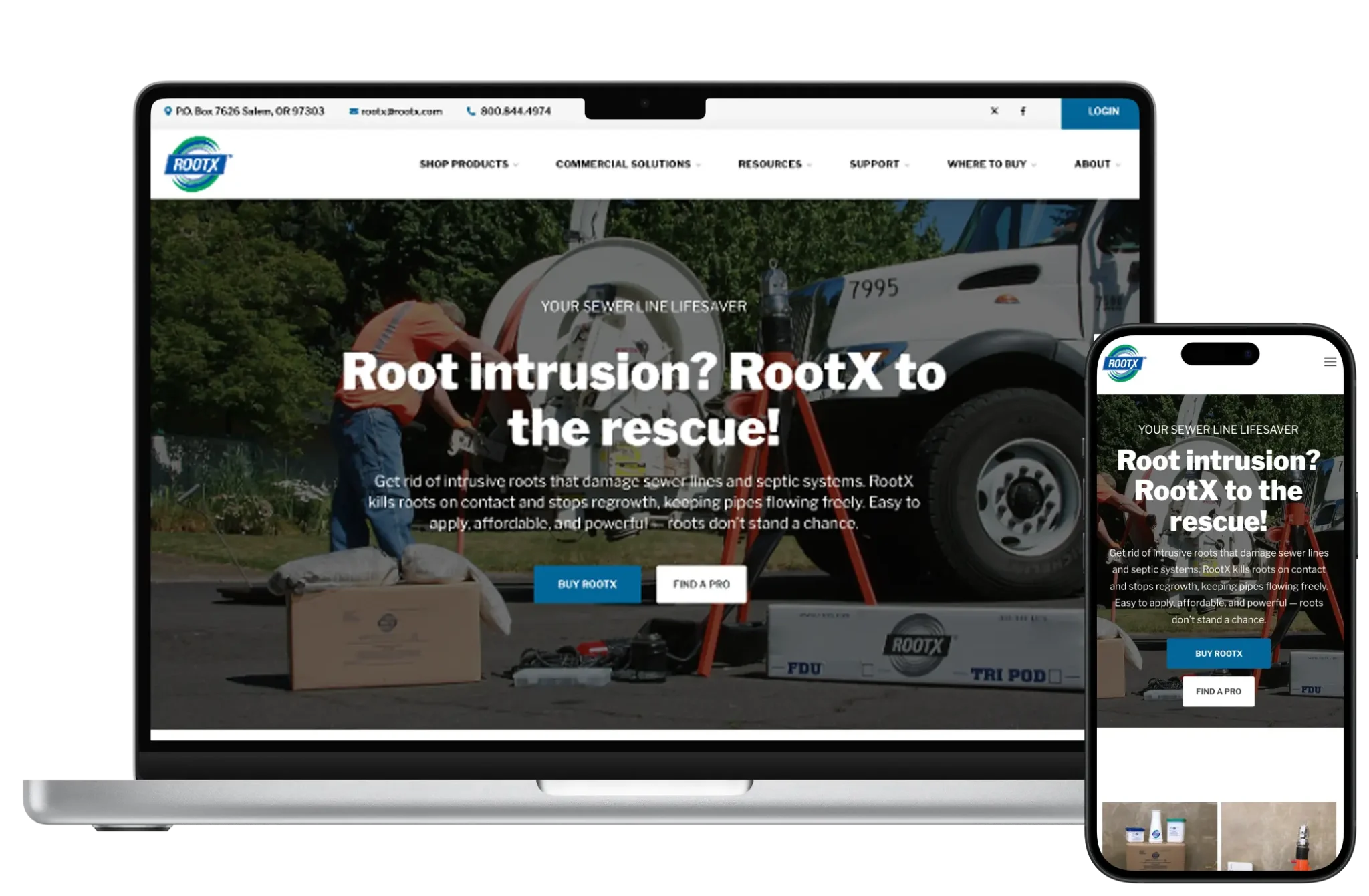
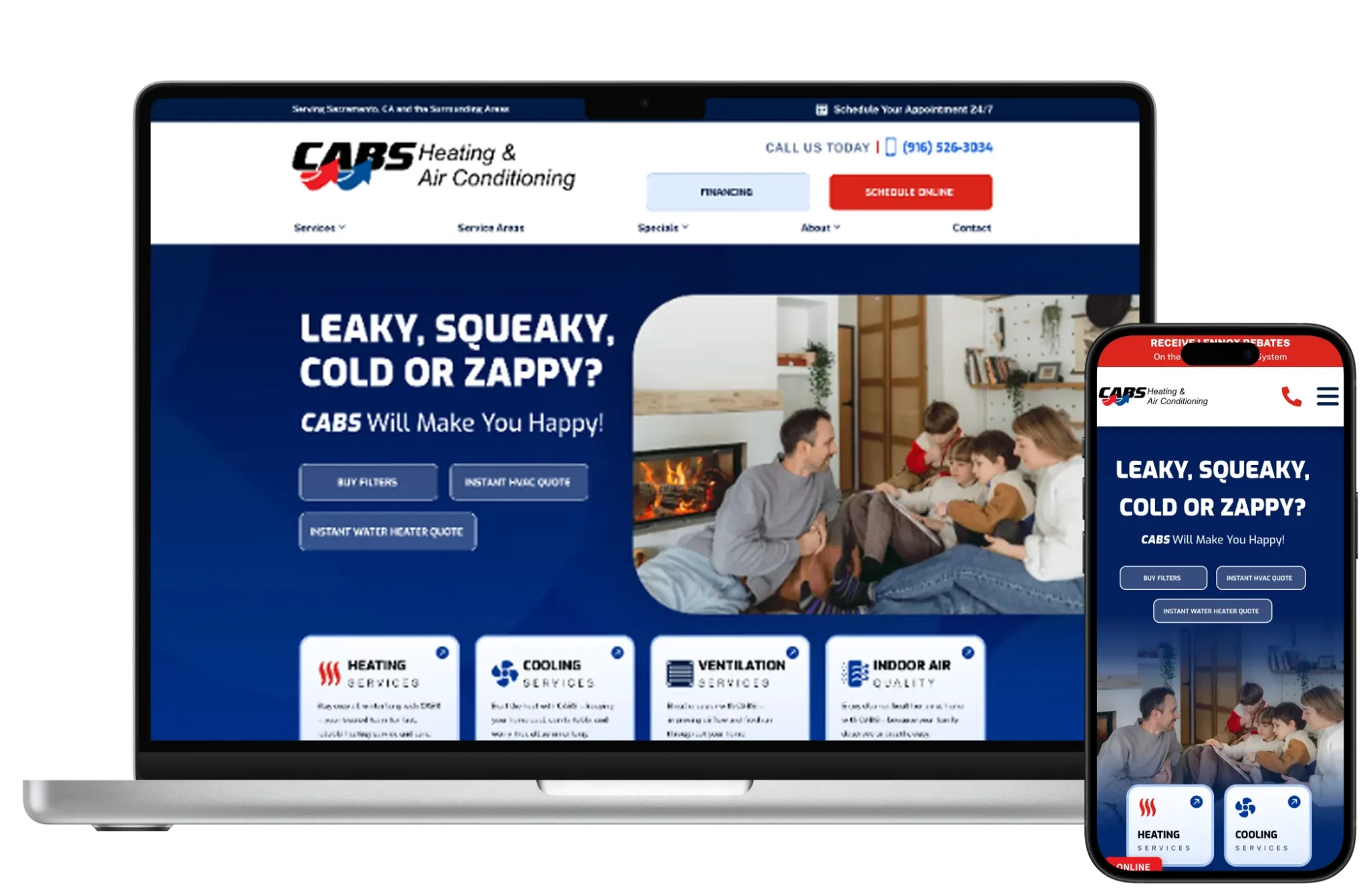
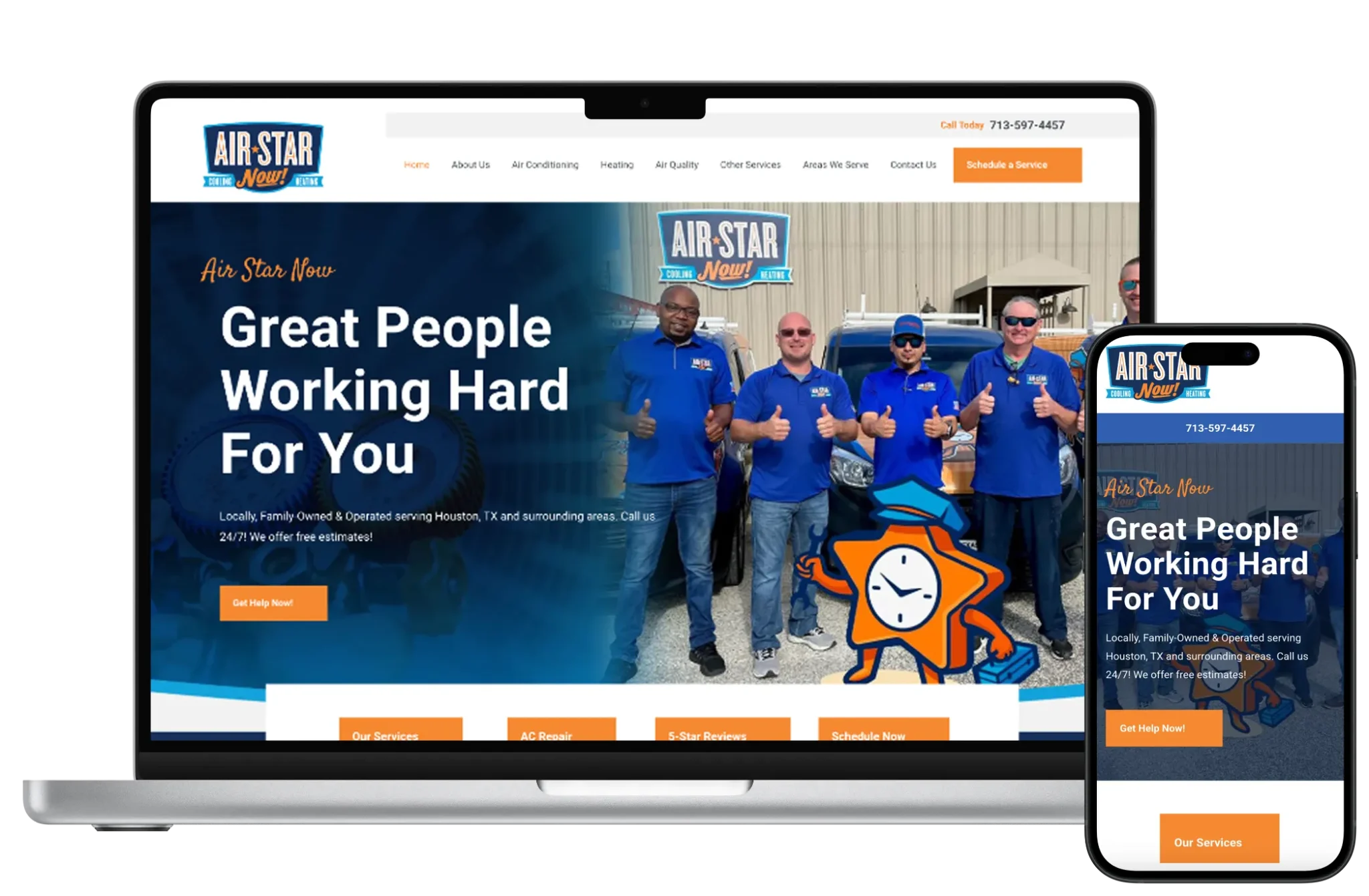
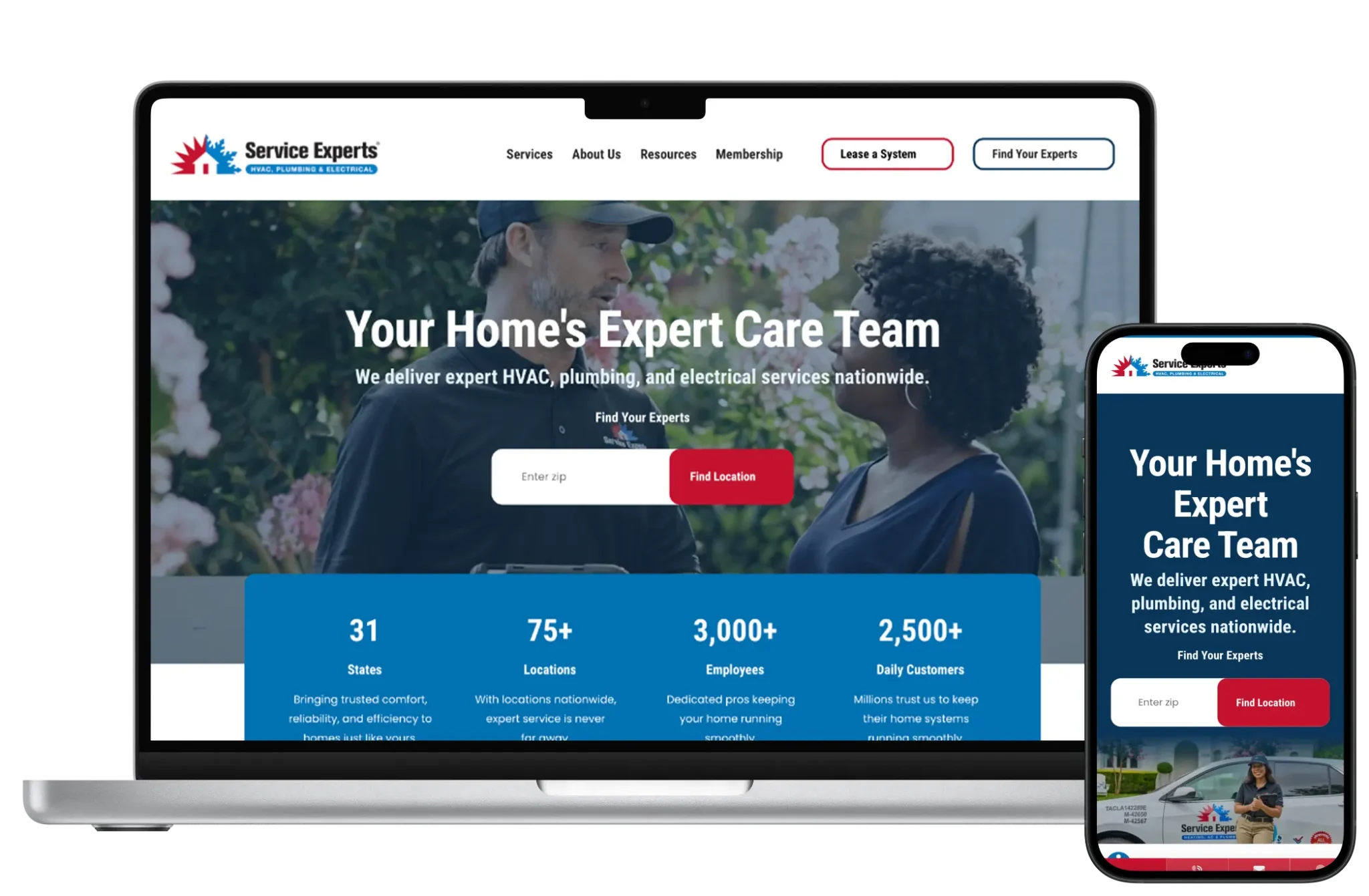
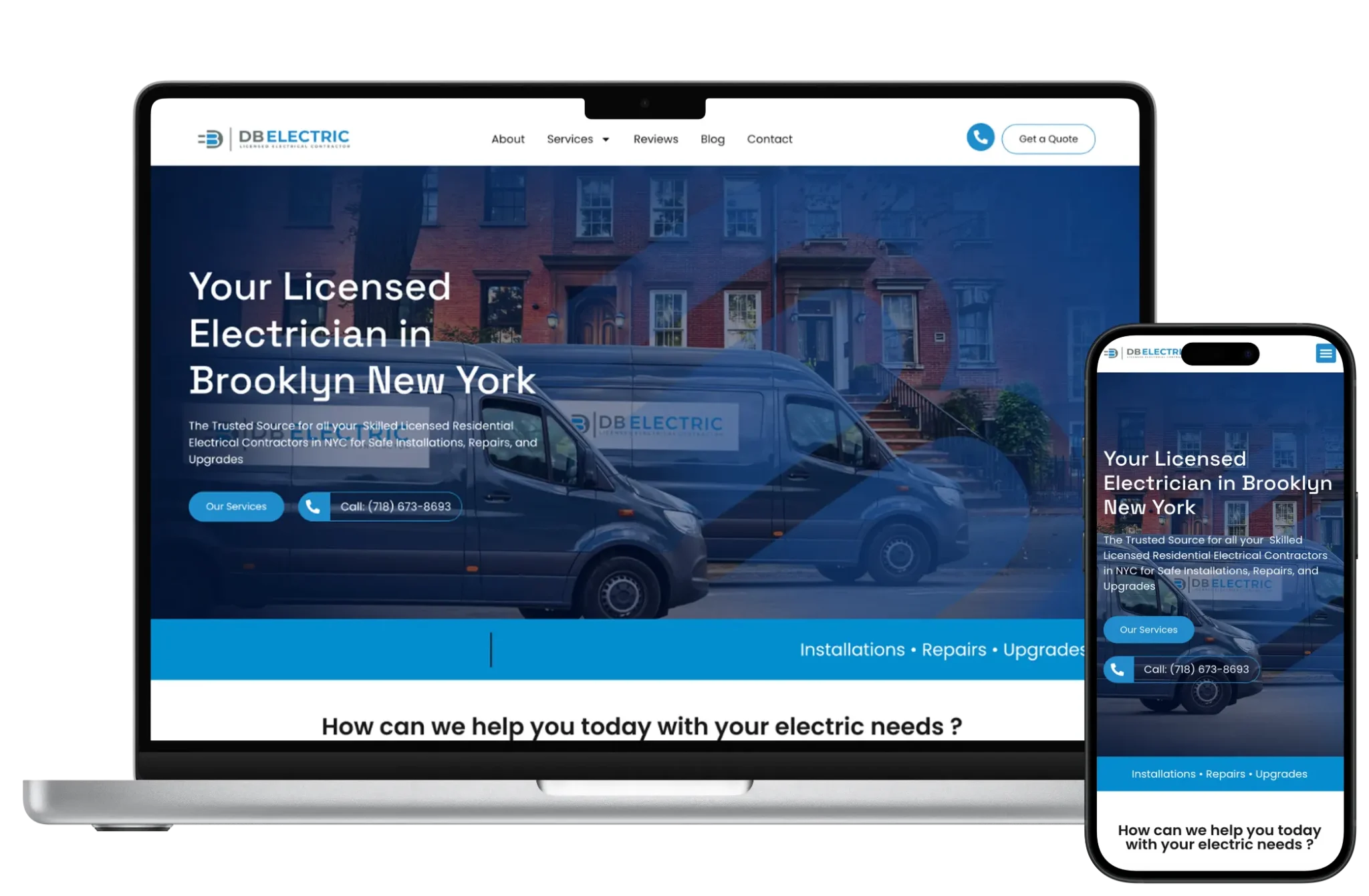

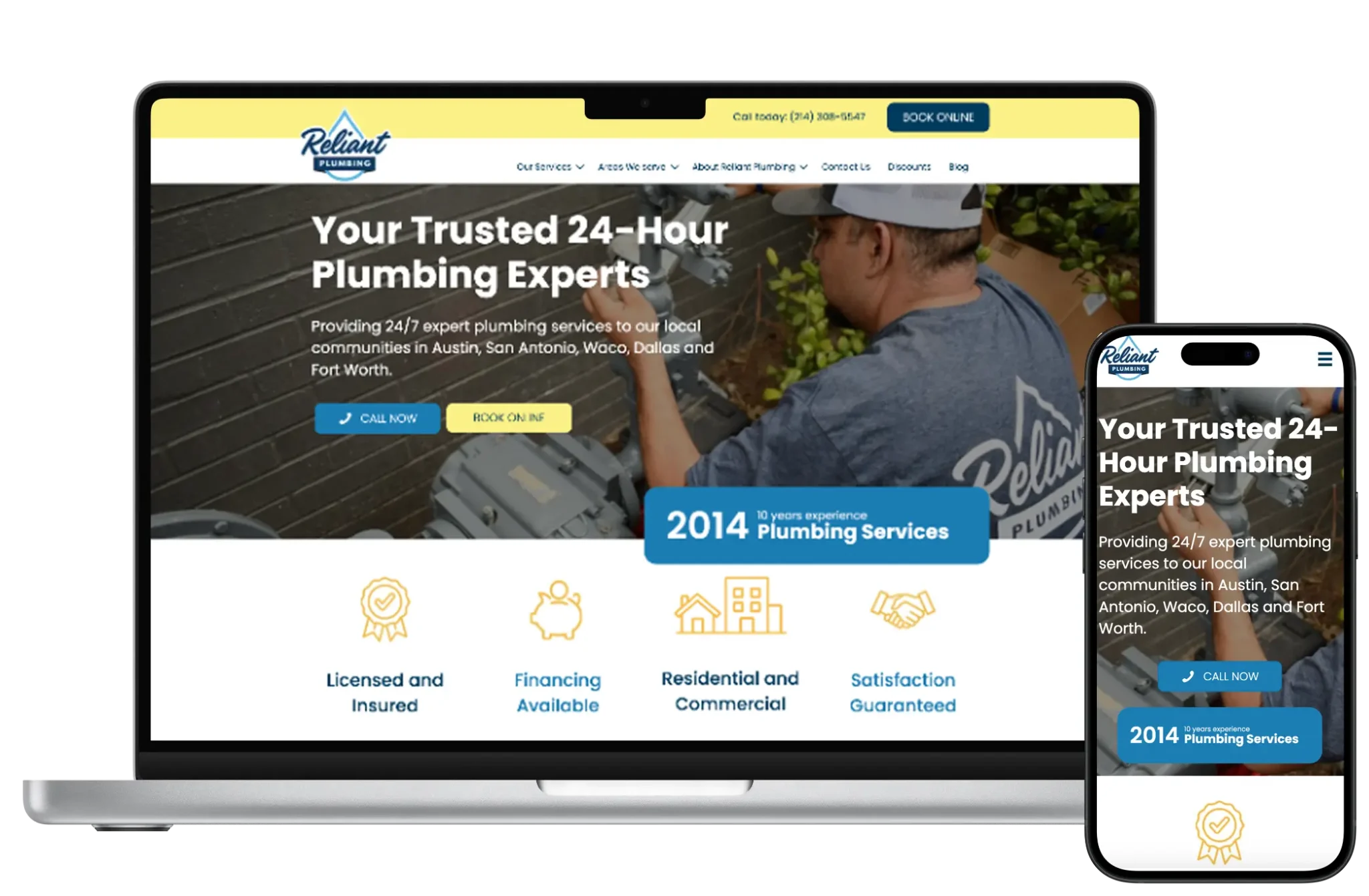

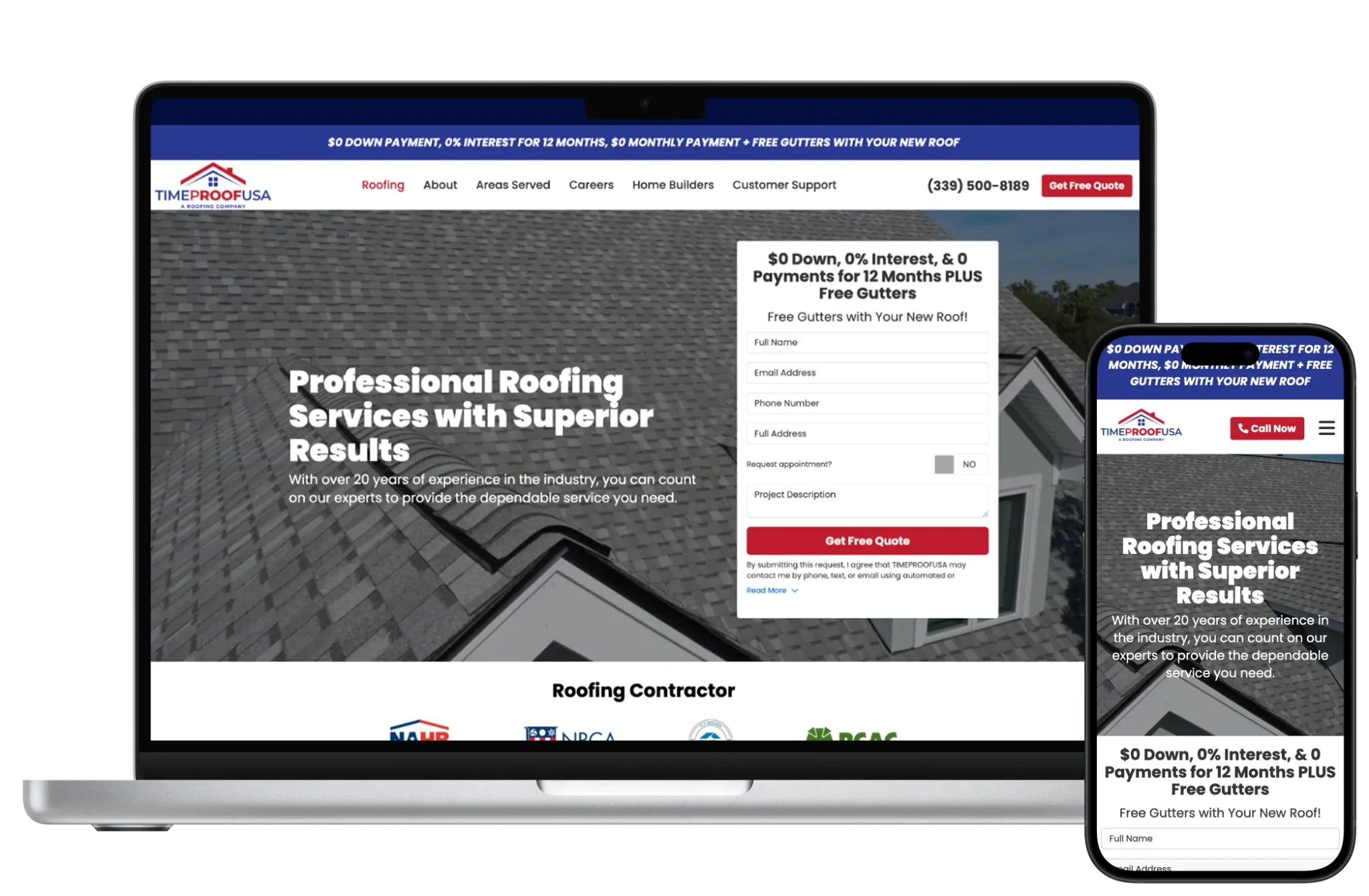
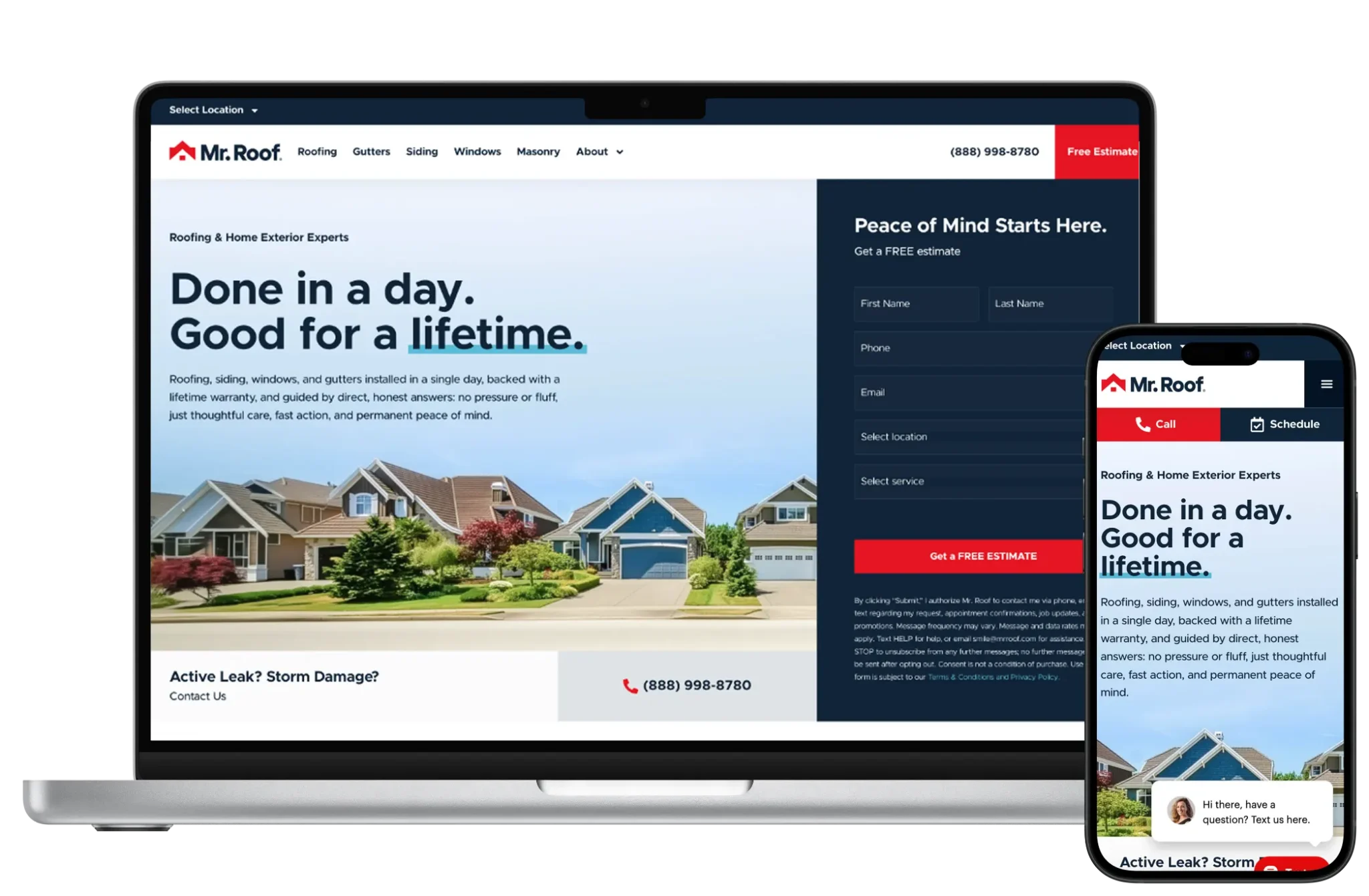




Design for Gutenberg means theme.json-driven type/color/spacing and a library of patterns that match brand compositions. We design sections editors can insert — not blank canvases that invite chaos.
The aesthetic goal matches other 66sites work: brand-first, uncluttered heroes, clear CTAs — implemented as blocks rather than builder widgets.

Development includes block themes or hybrid themes, custom blocks where justified, pattern libraries, and editor role configuration. We keep the block directory curated.
Integrations and SEO fields attach the same way as other WordPress builds — Gutenberg is the editing layer, not a separate hosting platform.

Blocks output normal HTML when used correctly, which supports crawlable content. We enforce heading rules and avoid burying primary copy in non-text blocks.
Technical SEO remains standard WordPress practice: metadata plugins, sitemaps, internal links, performance. No ranking guarantees.
Maintenance is WordPress core/theme/plugin updates with editor regression checks — fewer moving parts than Elementor + add-ons stacks.
Monthly work expands the pattern library as campaigns need new sections, keeping editors inside approved components.
Yearly plans that include design, development, maintenance and SEO foundations — without a large upfront project fee.
For small businesses that need a professional site without a large upfront build.
Best for local and service businesses ready to generate more leads every month.
For growing brands that need ongoing development, SEO and conversion work.
Large sites, complex integrations, multi-location brands and custom applications.
No Elementor/Bricks license fee when staying native; you still pay WordPress hosting and any premium plugins. Those remain outside 66sites fees.
66sites subscriptions fund design systems, block development, maintenance, and SEO. Custom block engineering may increase setup fees versus a simple pattern-only brochure.
Gutenberg succeeds with professional pattern design and editor training. Without that, teams install random block plugins and recreate builder chaos natively.
66sites maintains the system monthly so WordPress updates and new marketing needs do not erode the lean architecture.
Full notes for challenges, strategy and supporting pages — so the sections above stay scannable.
Gutenberg fits content-driven WordPress sites, organizations standardizing on native tools, and brands that want editor training against WordPress core rather than a third-party builder UI.
It is a weaker fit when stakeholders demand Elementor-like freeform layout daily and refuse pattern discipline — or when highly experimental layouts would require disproportionate custom block engineering.
Native stacks reduce third-party builder attack surface, but WordPress hygiene still applies: updates, access control, backups, monitoring.
Gutenberg-first themes can be fast when images and plugins stay lean. Custom blocks should ship only the assets they need.
If performance regresses, we audit block plugins before blaming WordPress core.
Migrating from Elementor/Bricks to Gutenberg is a component redesign into patterns and blocks. Migrating classic HTML content into blocks needs cleanup passes.
URL structure usually remains on WordPress throughout — redirects focus on IA changes, not platform hops.
Straight answers about scope, pricing, ownership and what a subscription includes for this page.
For many marketing sites, yes — with a strong theme and patterns. Some layout needs still favor Bricks/Elementor or custom code.
Yes. Block themes and custom blocks support distinctive brands without multipurpose theme demos.
Often for content editing; sometimes less so for freeform landing pages. We train on patterns either way.
When reusable sections need structure beyond patterns. We avoid one-off blocks that never get reused.
It can be, with lean themes. Measurement on your templates matters more than absolutes.
Sometimes for transitional sites, but mixed models confuse editors. We prefer a clear primary editing system.
No. It can support clean markup; SEO still needs IA, content, and technical care.
Updates, pattern expansions, content/SEO iteration, and performance care under your plan.
Gutenberg block themes and patterns — designed for editors, performance, and monthly care.