

Problems this service solves
Slow product and checkout pages killing conversion on mobile.Tangled categories and attributes that confuse shoppers and SEO.Payment or tax…
Read more →WooCommerce Development
WooCommerce development builds product commerce on WordPress when you need deep customization, content marketing alongside catalog pages or operational control you don’t get from fully hosted platforms.

WooCommerce development builds product commerce on WordPress when you need deep customization, content marketing alongside catalog pages or operational control you don’t get from fully hosted platforms.
Stores stall when checkout is slow, product data is messy, shipping rules are duct-taped and every promotion breaks a plugin. We implement WooCommerce with catalog architecture, payment/shipping clarity and performance discipline.
Because WooCommerce inherits WordPress’s plugin gravity, our subscription model includes store-aware maintenance — updates tested against cart and checkout, not just the blog.
Practical website, conversion and SEO work tailored to how your buyers actually decide.
Slow product and checkout pages killing conversion on mobile.Tangled categories and attributes that confuse shoppers and SEO.Payment or tax…
Read more →
We design the catalog information architecture before theme chrome: categories, filters, product templates and content modules that support both…
Read more →
Catalog & IA planningCategories, attributes and product template strategy.WooCommerce store buildTheme/templates, cart, checkout and account…
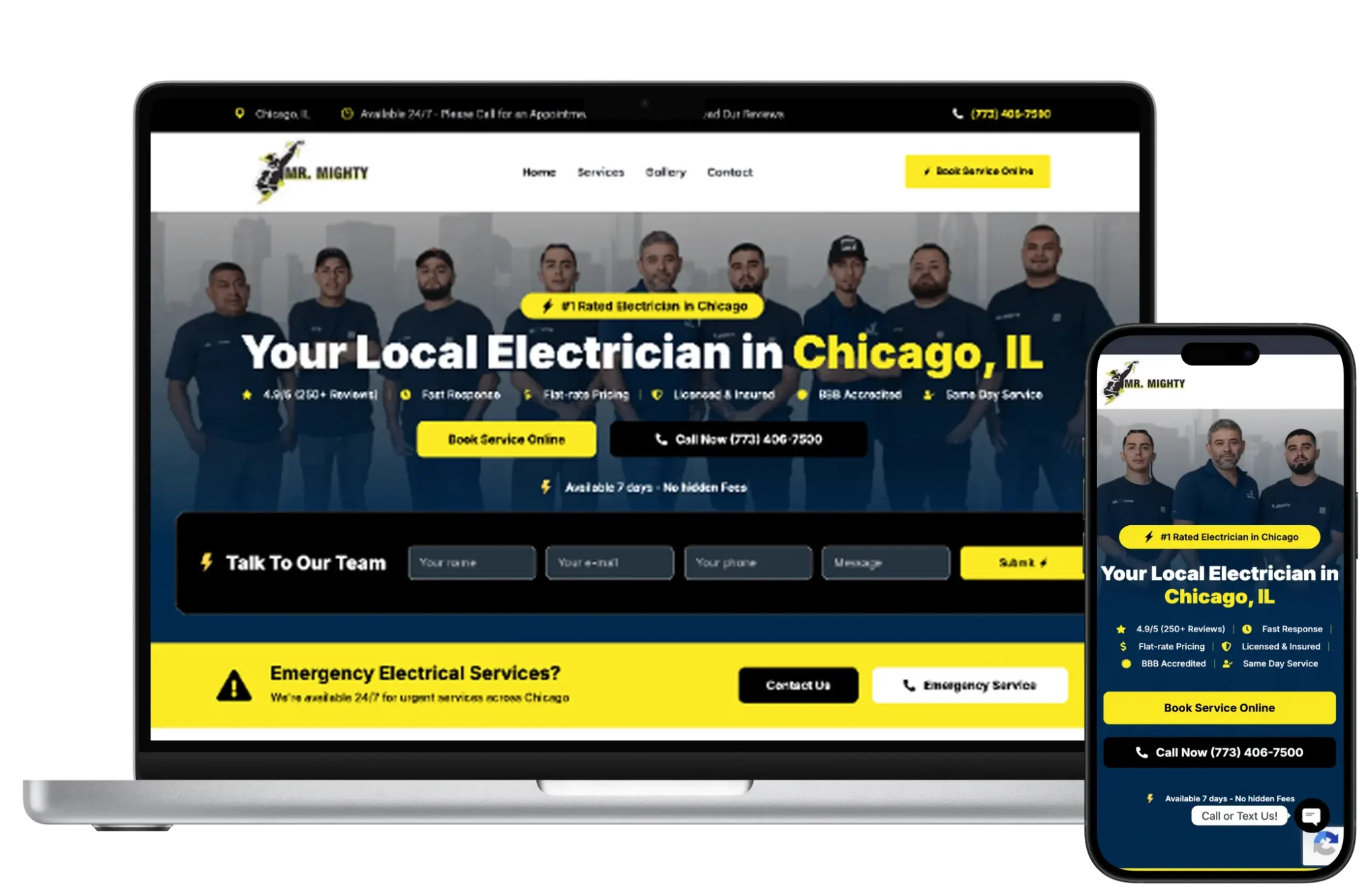
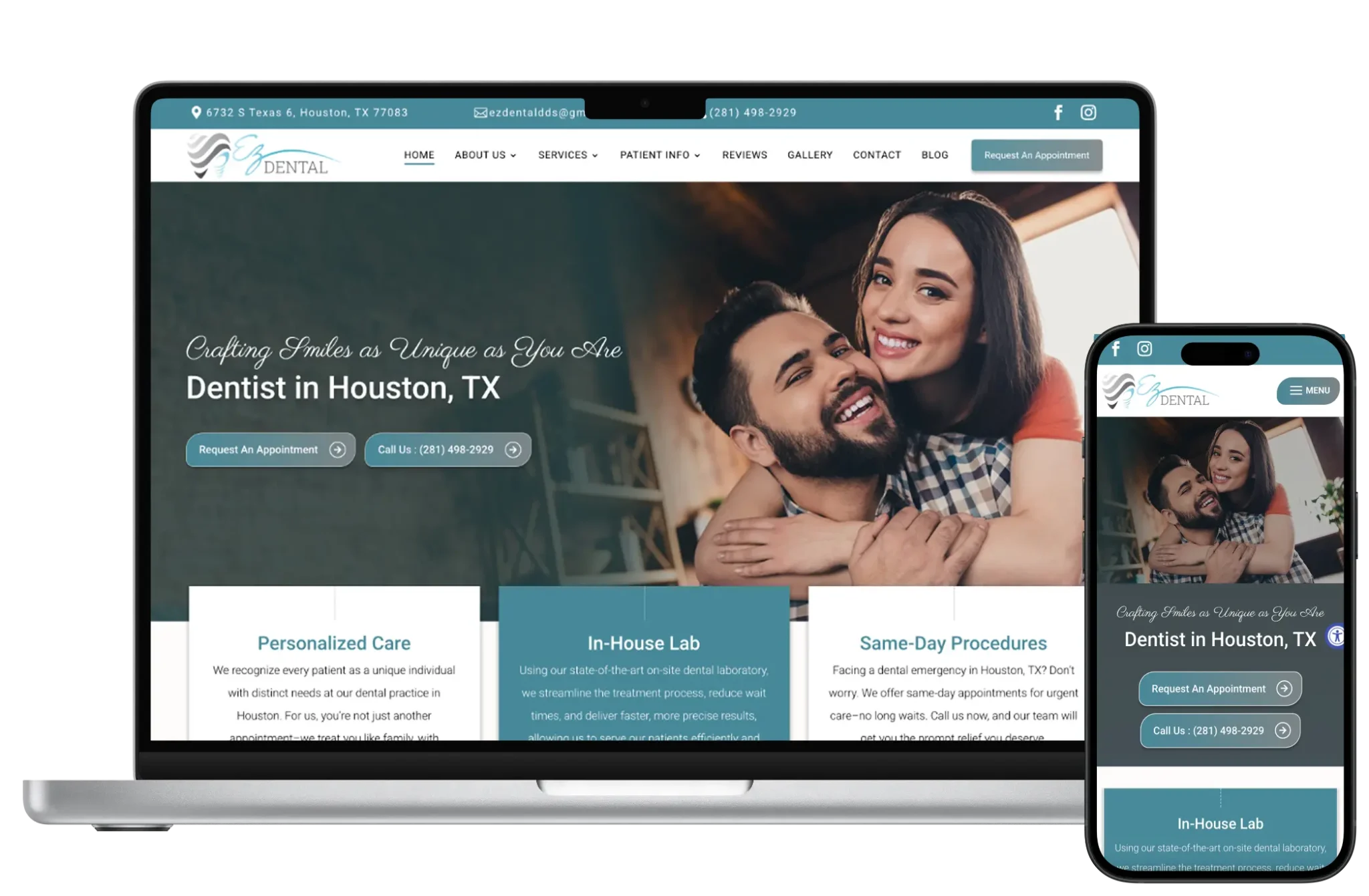
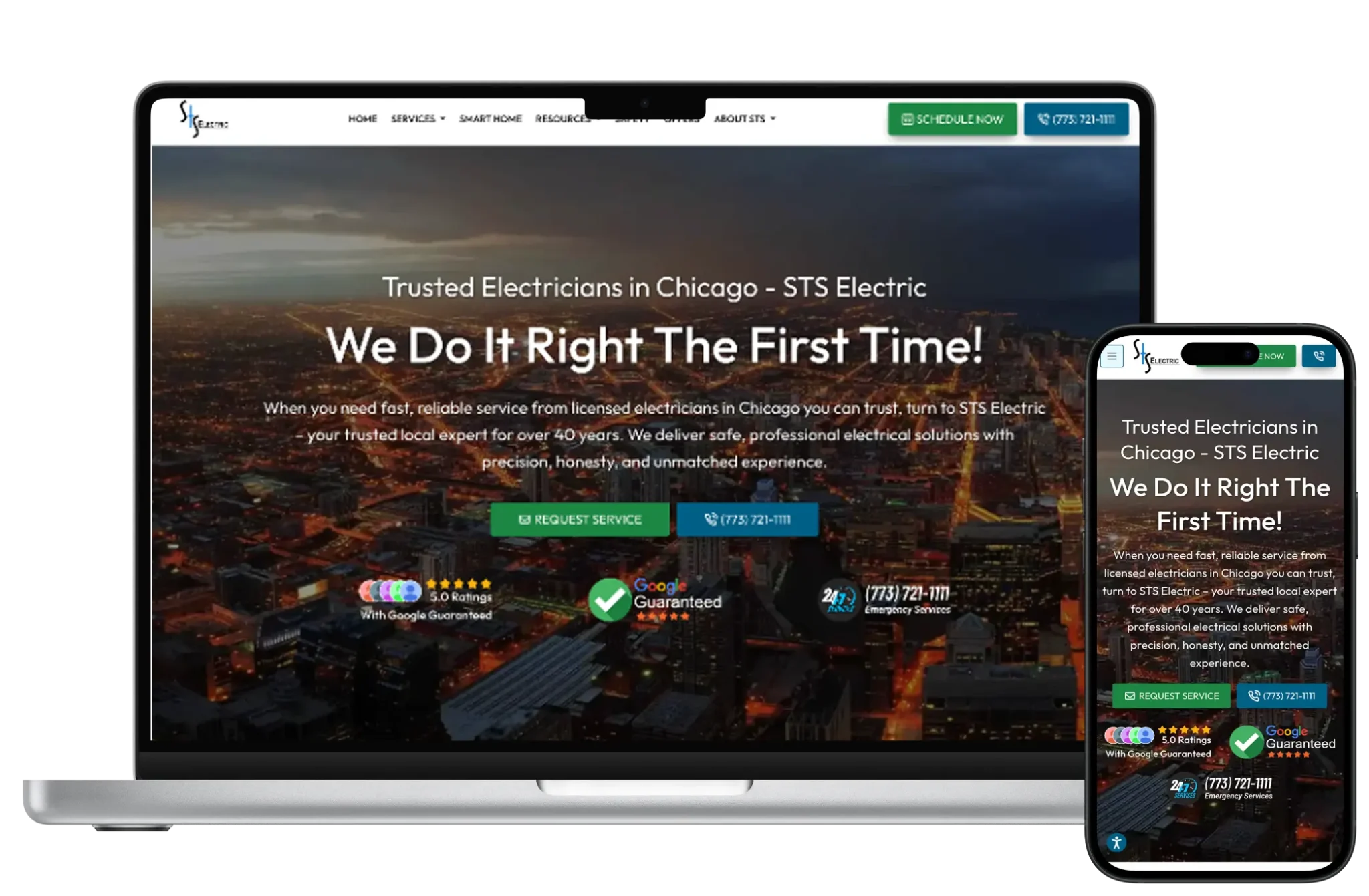
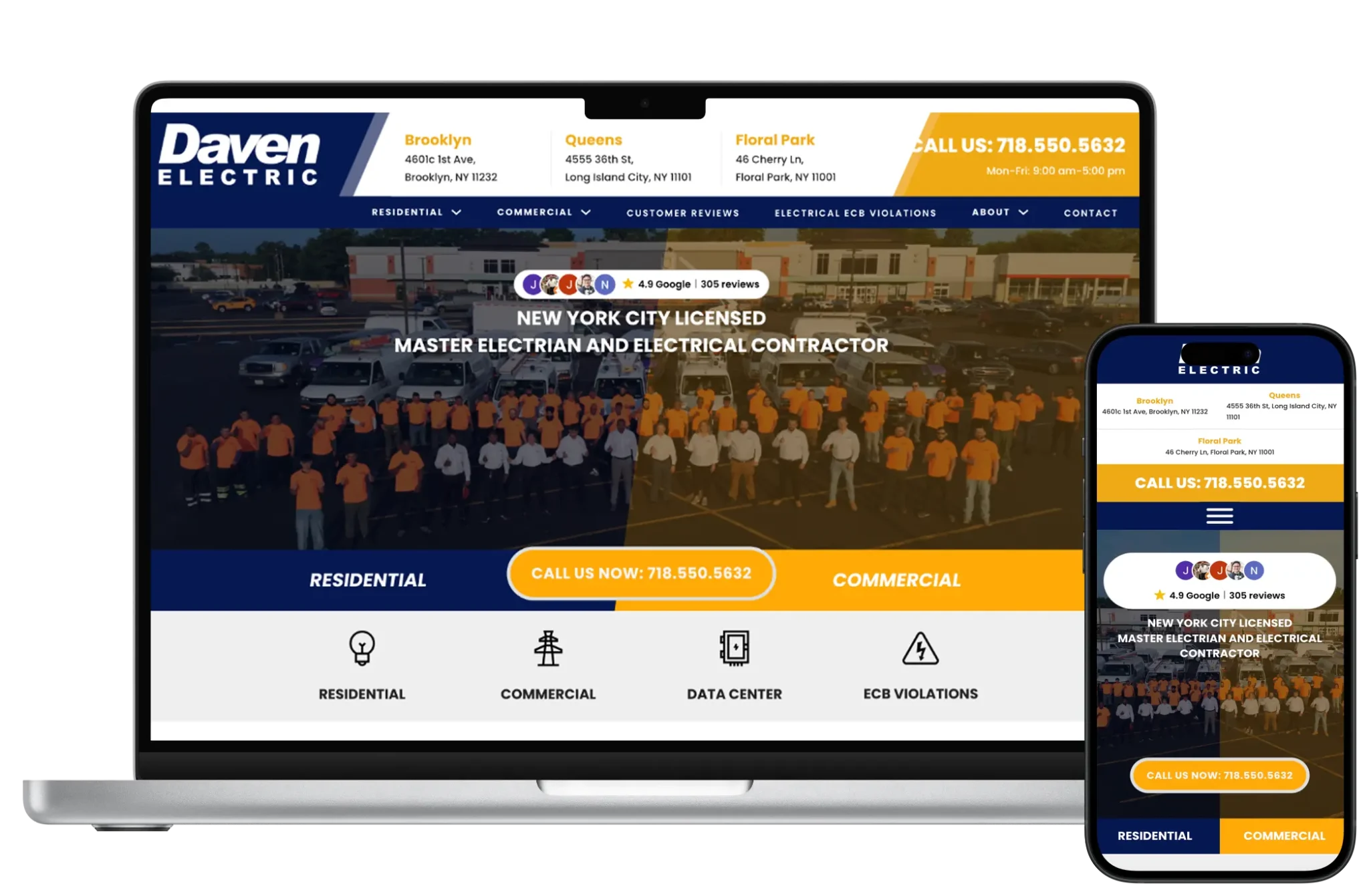
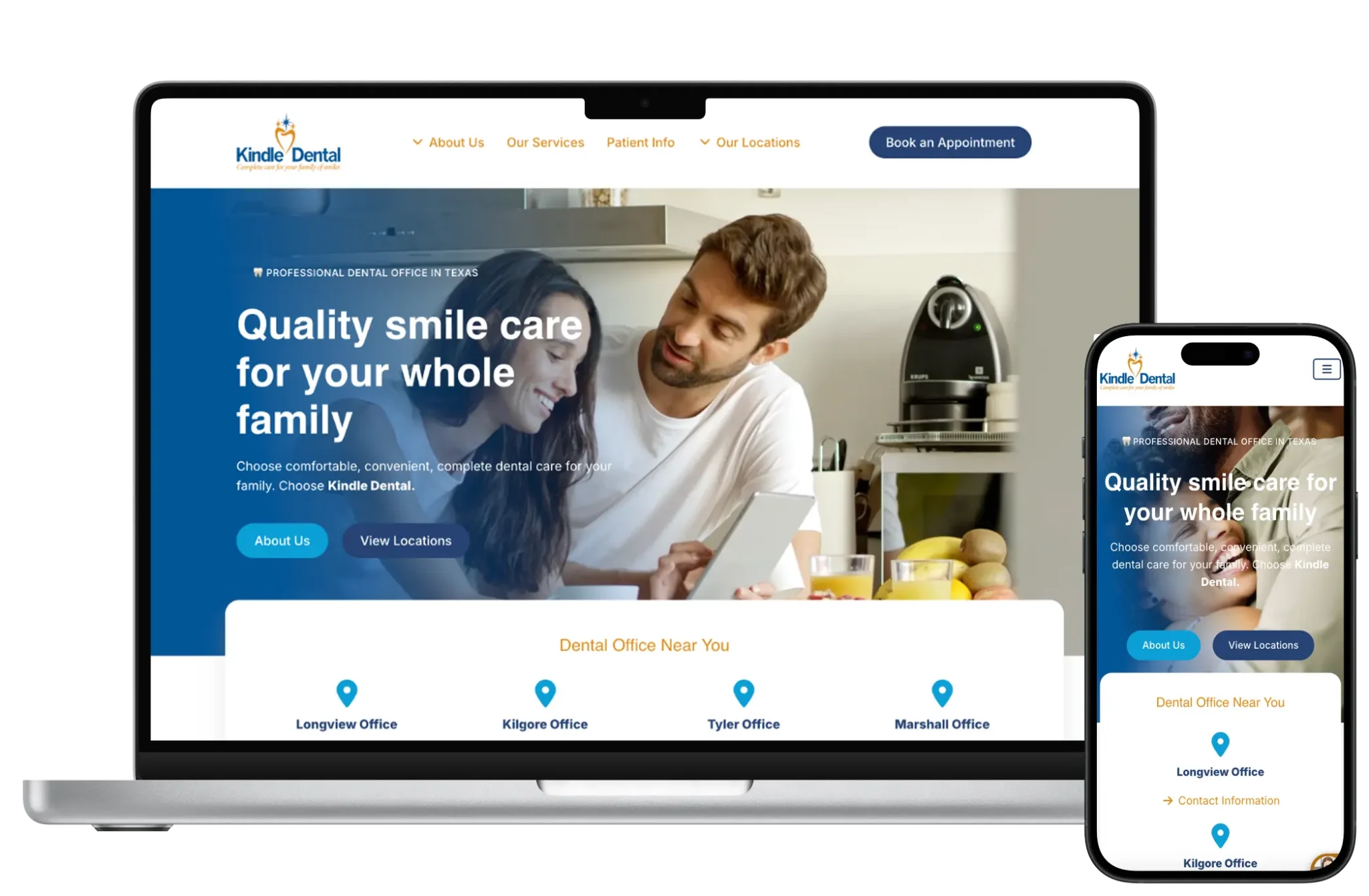
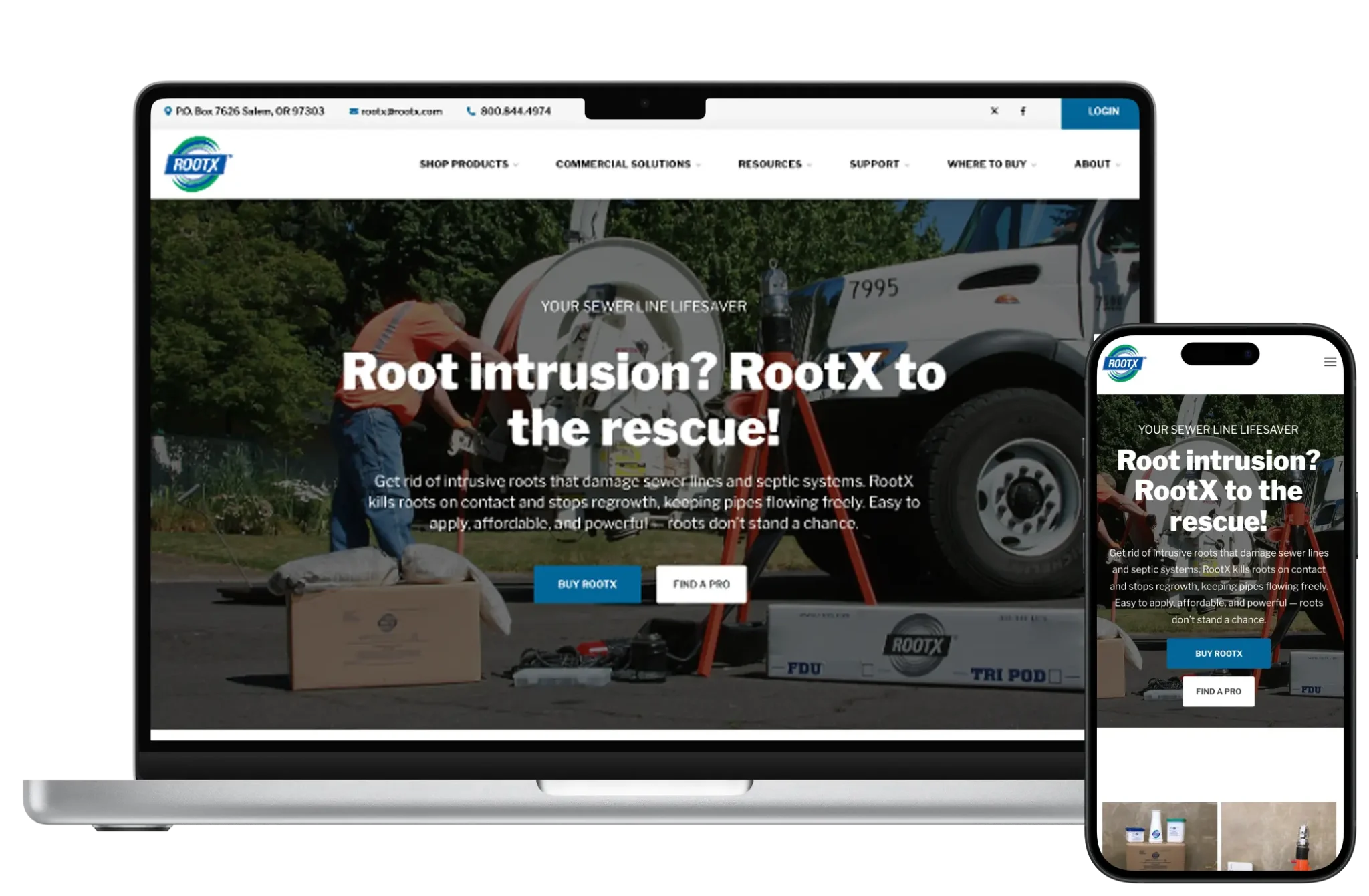
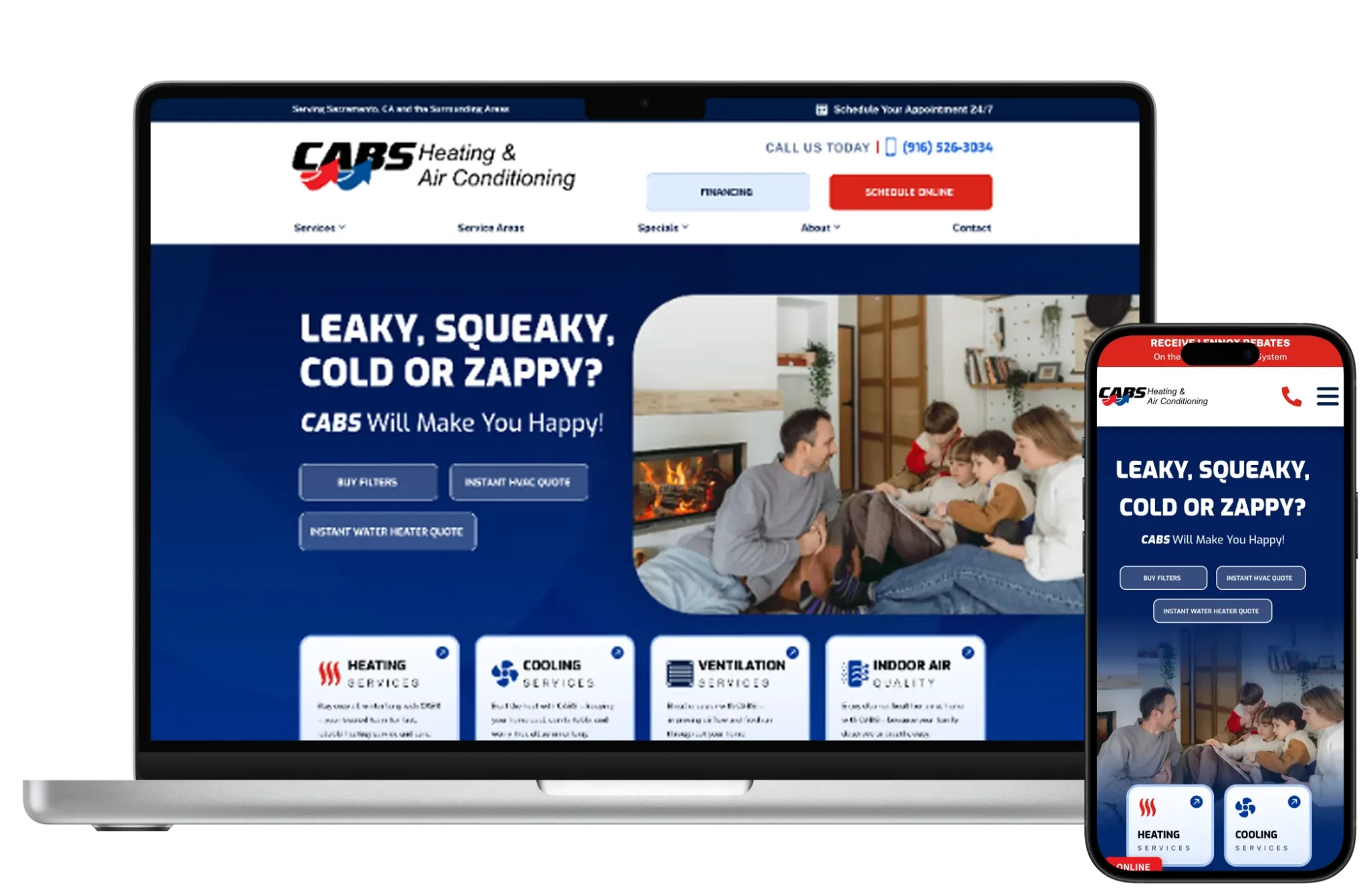
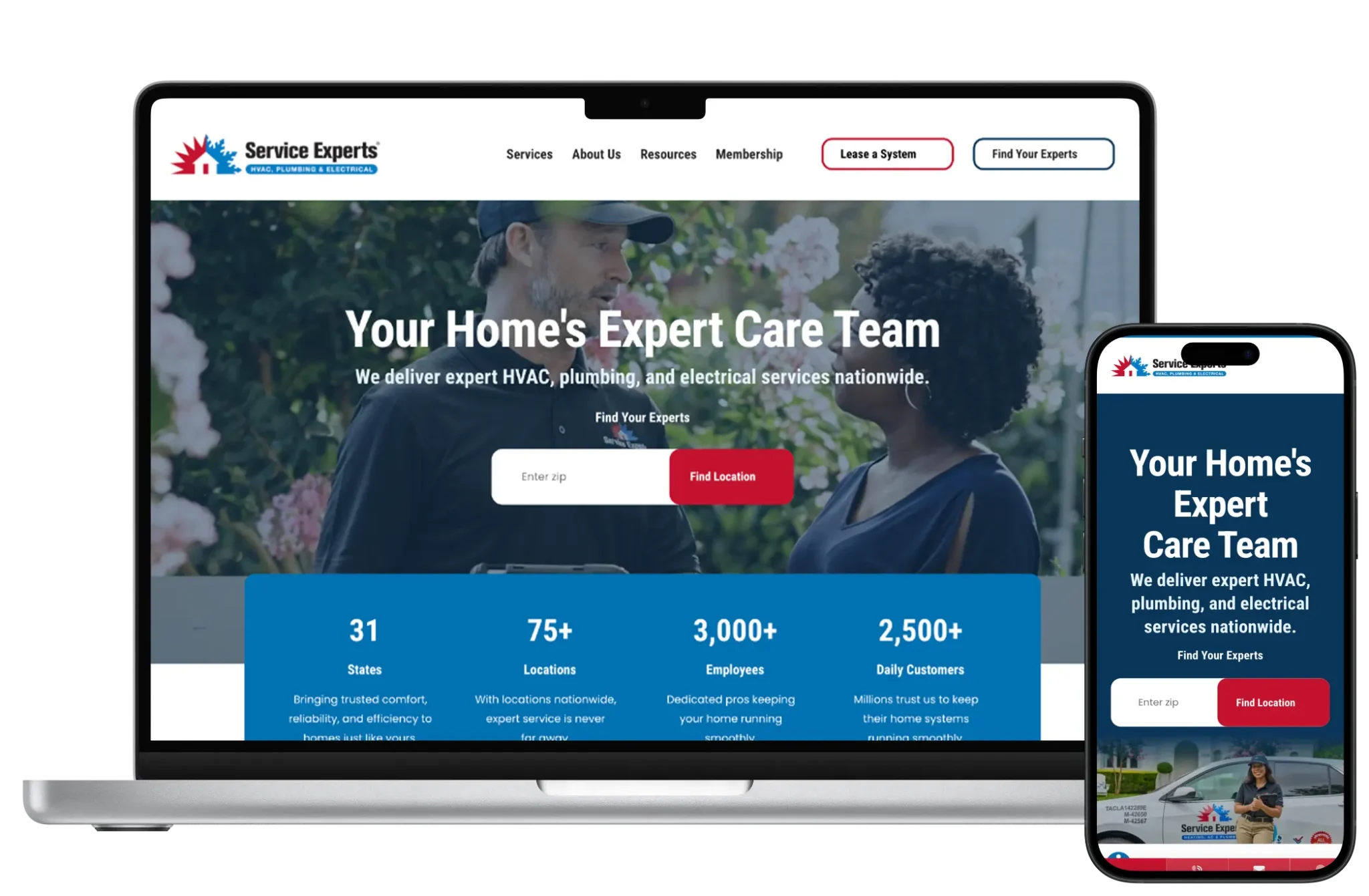
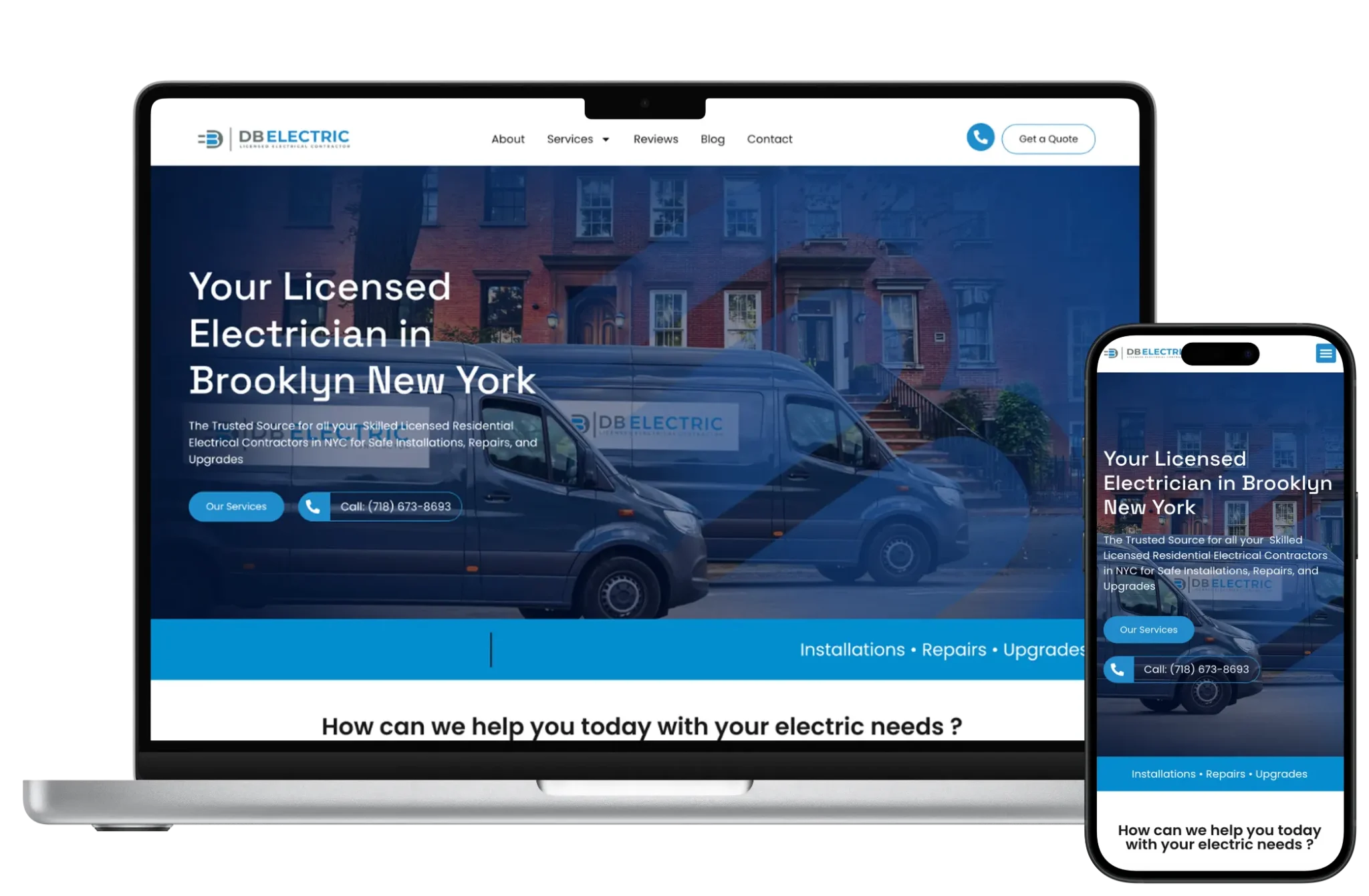
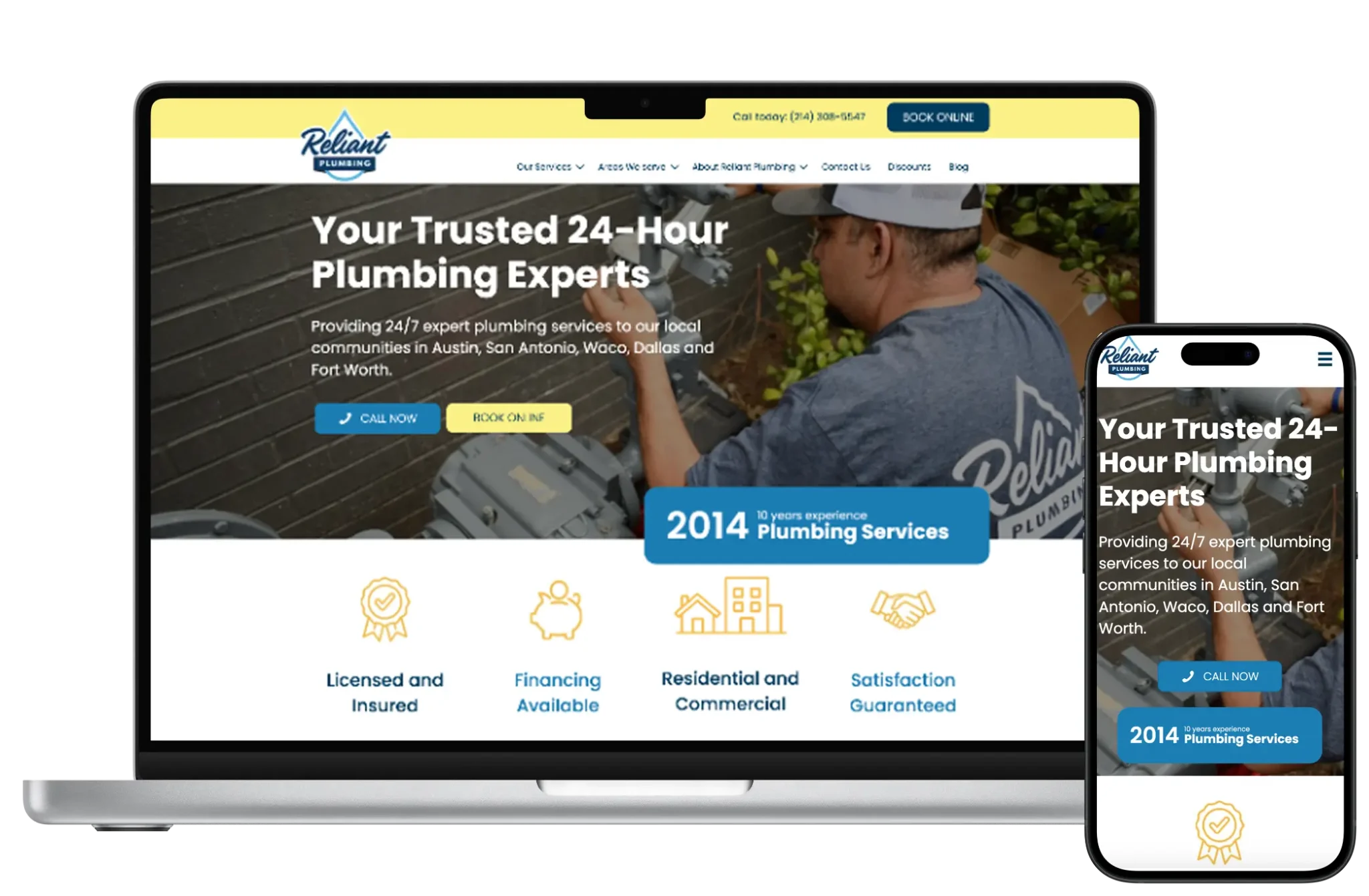
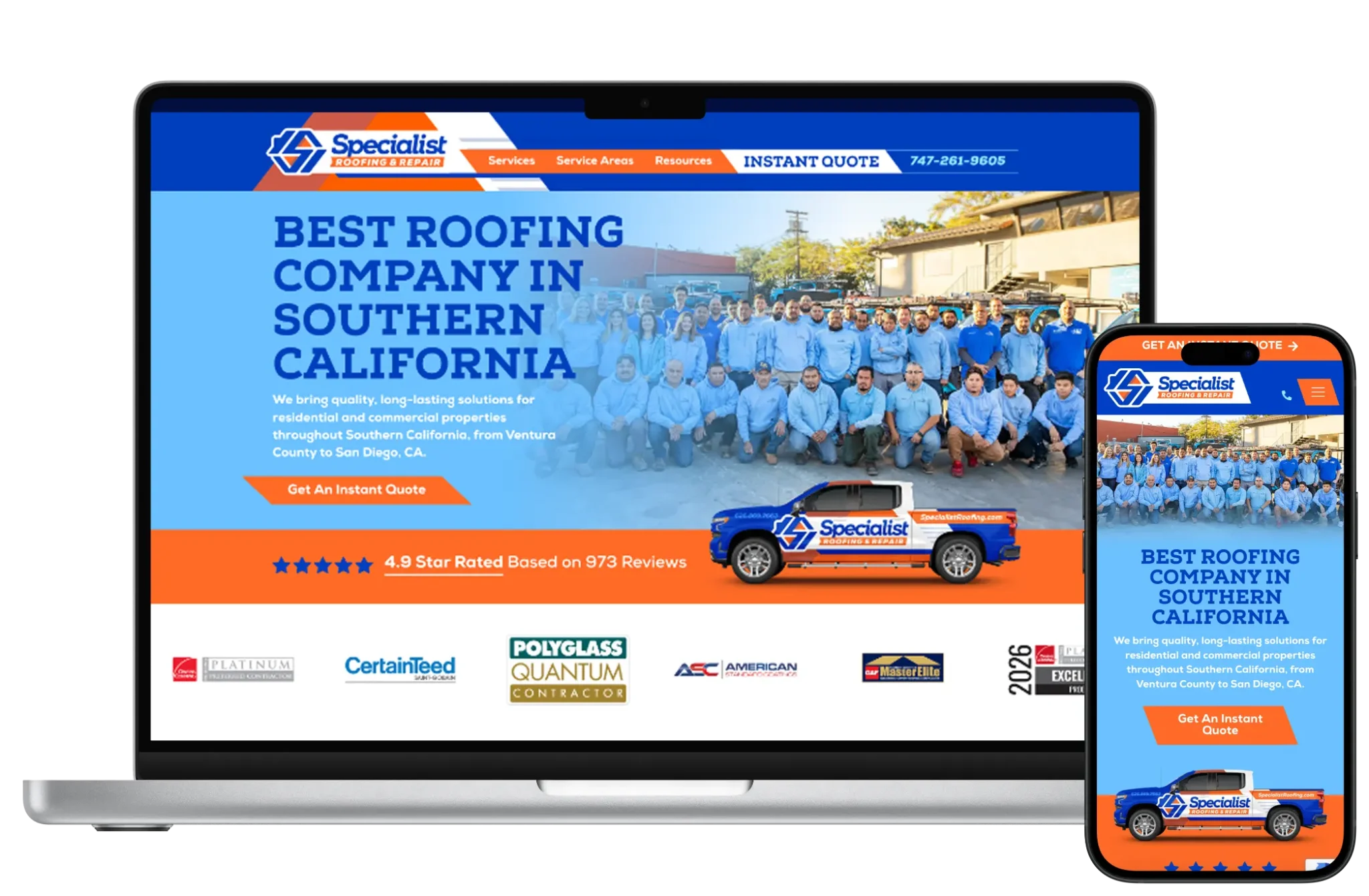
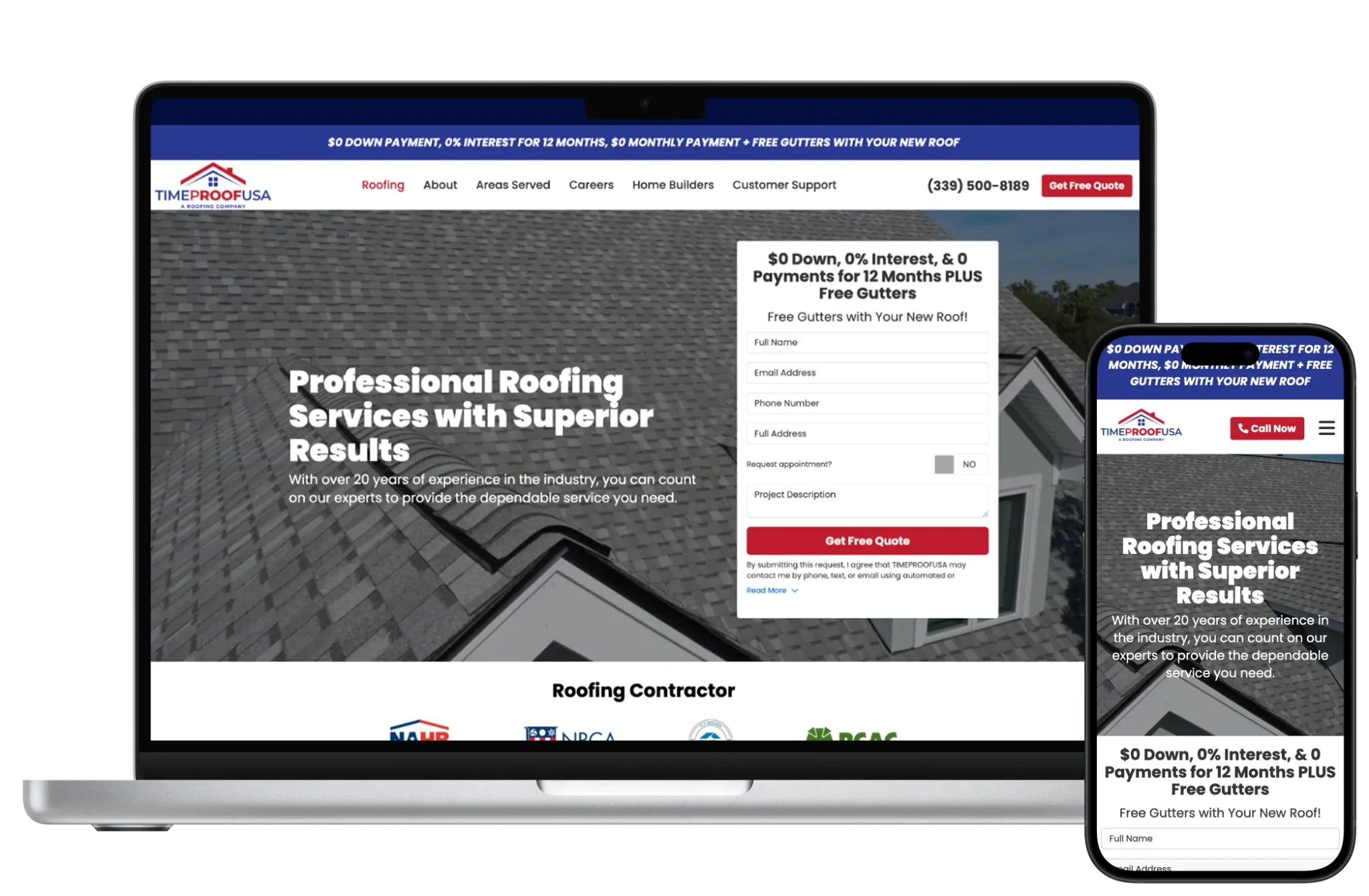
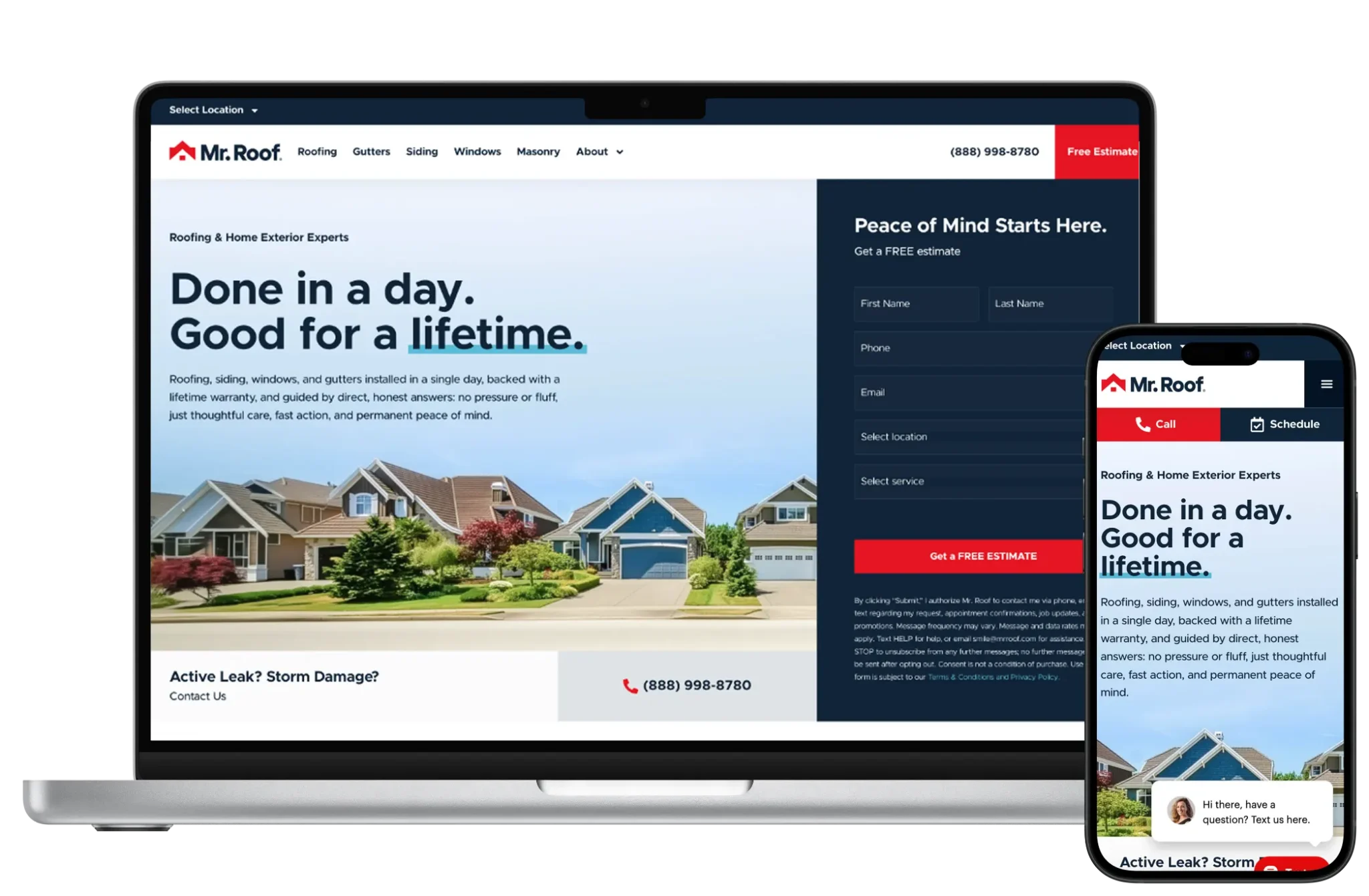
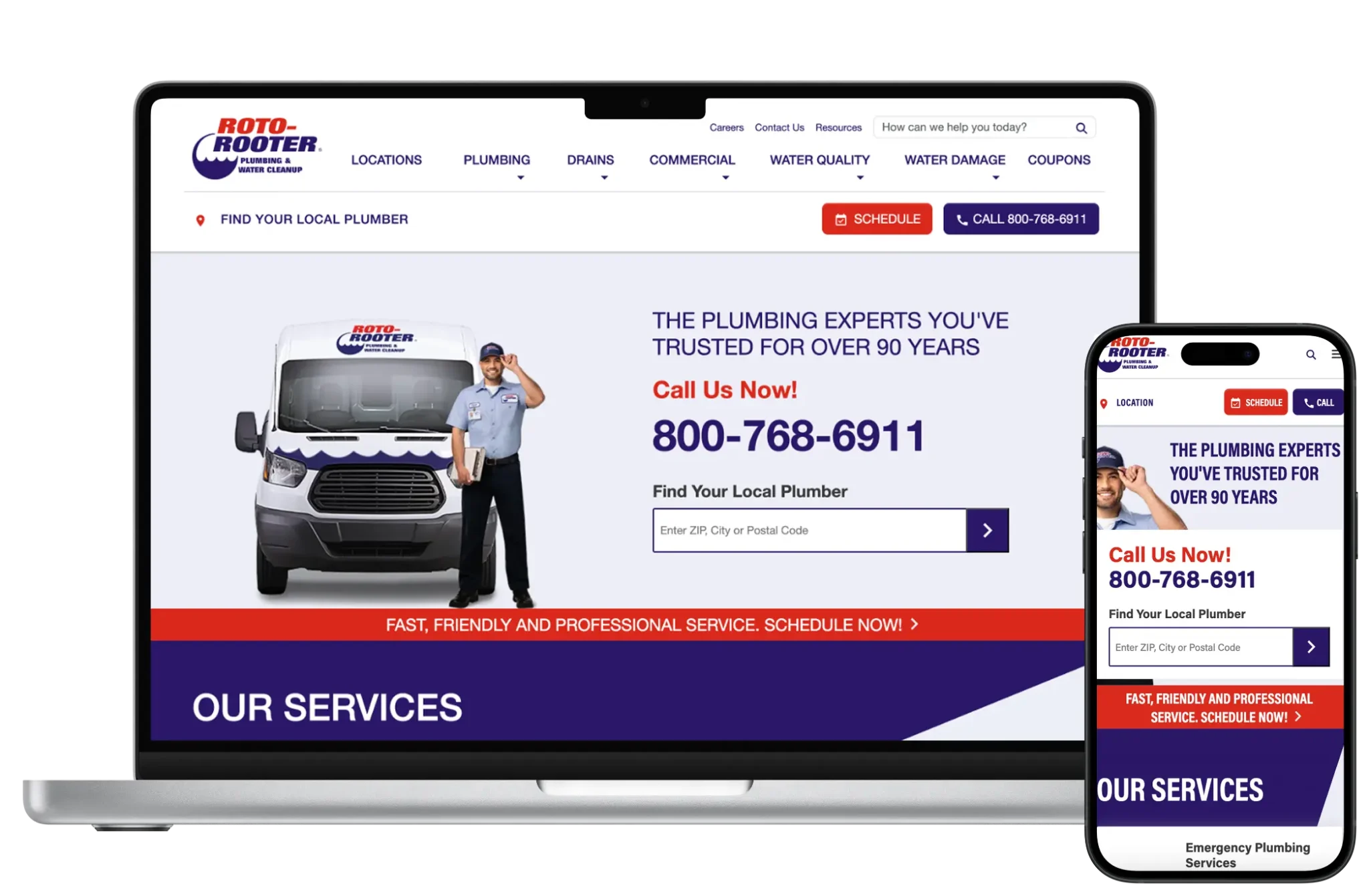
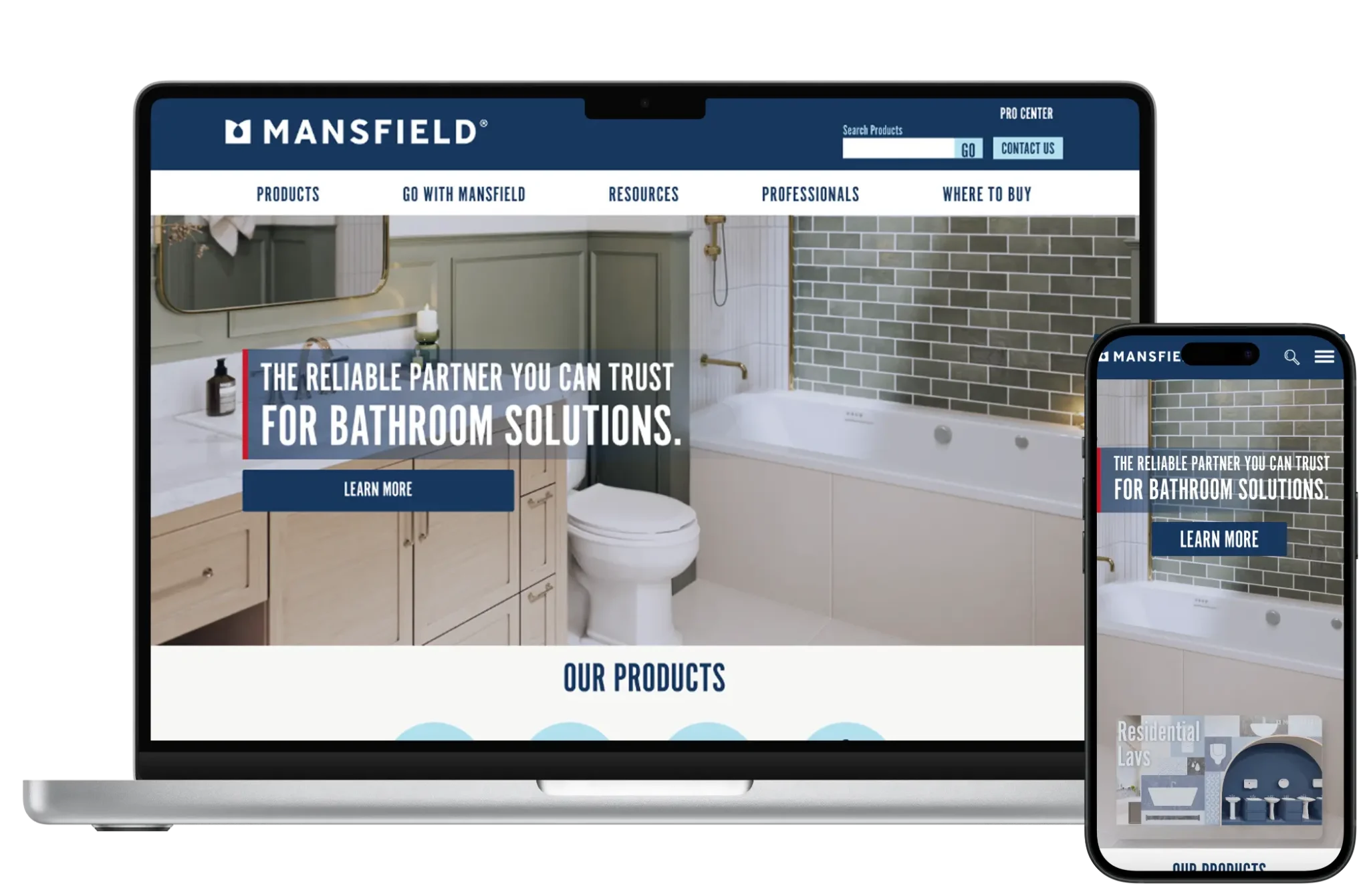
Read more →A look at website designs and layouts we build for service businesses — mockups and project types, not fabricated client claims.







Ecommerce SEO on Woo depends on clean category architecture, unique product/category copy and avoiding duplicate URL traps from facets and sorting.
We implement templates that make those SEO practices possible without promising ranking outcomes.

Brands that want WordPress content depth plus ecommerce flexibility — catalogs that don’t fit rigid SaaS themes, or teams already invested in WordPress operations.

Yearly plans that include design, development, maintenance and SEO foundations — without a large upfront project fee.
For small businesses that need a professional site without a large upfront build.
Best for local and service businesses ready to generate more leads every month.
For growing brands that need ongoing development, SEO and conversion work.
Large sites, complex integrations, multi-location brands and custom applications.
WooCommerce builds typically require Growth ($299/year) or Pro ($399/year) due to checkout risk and integration complexity. Tiny catalogs with simple shipping may start lower on Starter ($199/year) only when scope is truly small. Enterprise covers B2B pricing, complex catalogs or multi-warehouse rules. Setup fees are common.
Full notes for challenges, strategy and supporting pages — so the sections above stay scannable.
We design the catalog information architecture before theme chrome: categories, filters, product templates and content modules that support both shopping and organic discovery.
Checkout UX gets special attention — distraction reduction, trust signals, payment clarity and performance. Integrations are minimized to what operations truly need.
Post-launch, WooCommerce maintenance and ecommerce SEO share ownership so merchandising changes don’t silently break search or checkout.
Categories, attributes and product template strategy.
Theme/templates, cart, checkout and account flows.
Configure gateways and methods with test-order QA.
Caching strategy compatible with dynamic cart fragments.
How to add products without breaking templates.
Safe path for updates and promotions testing.
Enhancements prioritized against revenue risk.
Straight answers about scope, pricing, ownership and what a subscription includes for this page.
Choose Woo when WordPress content workflows, custom data models or existing WP ops dominate. Choose Shopify when hosted checkout simplicity and app ecosystem matter more. We’ll recommend honestly.
Yes when justified. Migrations include products, customers (where appropriate), URL mapping and redirect plans. Not every store should migrate.
Limit scripts on checkout, disciplined extensions, caching that doesn’t break carts and hosting that fits Woo’s PHP workload.
When needed, scoped as custom development. Simple variations use native Woo features first.
Updates are validated against cart, checkout, payments and critical extensions — not only wp-admin version numbers.
Often via established extensions or custom APIs. Integration complexity affects plan tier and setup fees.
Yes with proven Woo extensions or adjacent plugins when they’re the right fit — tested carefully for renewal and access logic.
No. We improve store foundations and UX; revenue depends on offer, traffic, merchandising and fulfillment.
Catalog architecture, checkout QA and subscription care in one relationship.